Coating Cohesion Agent
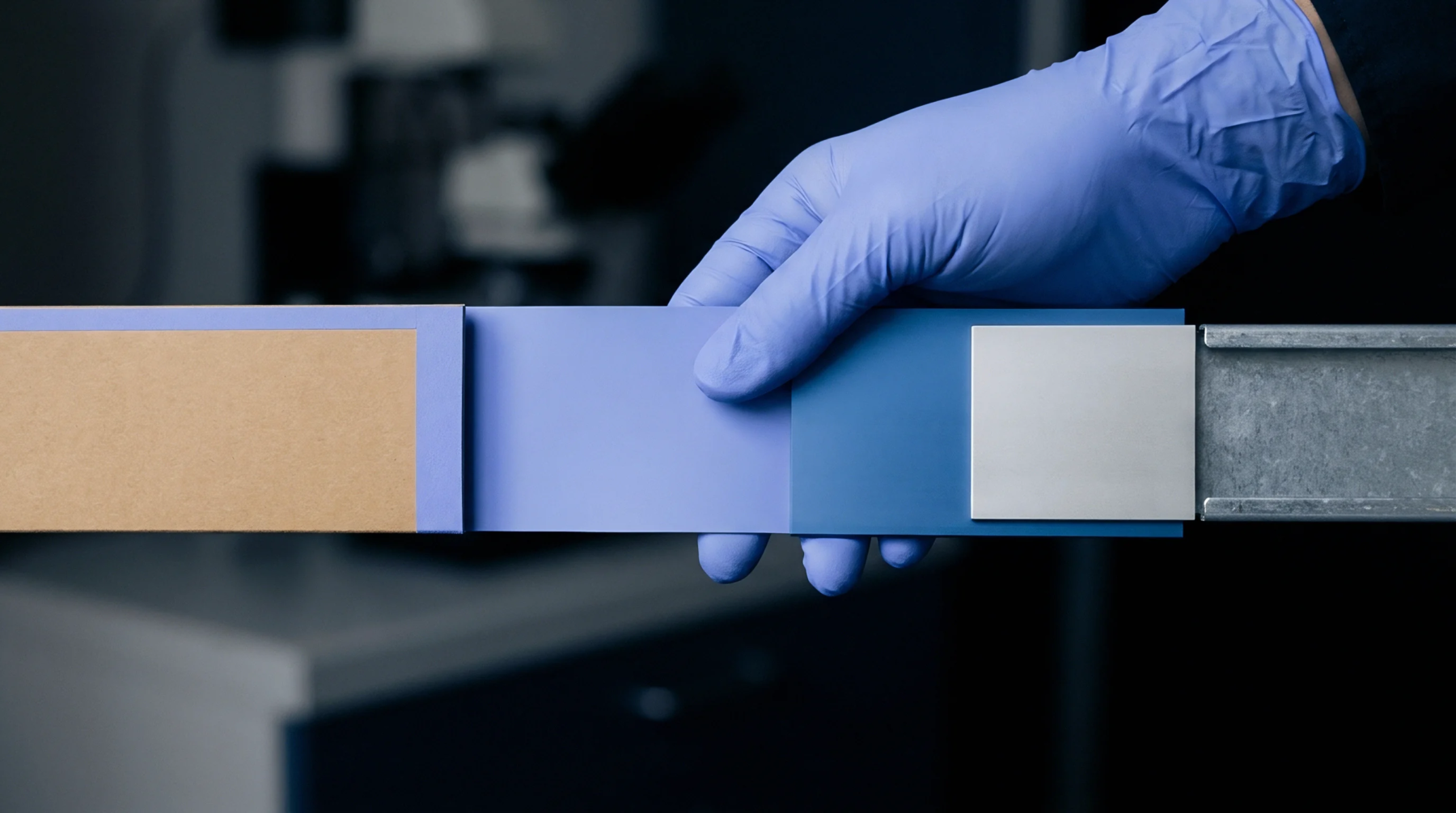
Synthetic polymer emulsions are mixed into paperboard coating formulations to adhere pigment particles to the fiber surface. A latex binder provides the elasticity and water resistance needed to prevent the coating from cracking during folding and creasing. This polymer network holds the kaolin clay and calcium carbonate together, forming a smooth, receptive surface for printing.
Adhesion and Flexibility
Droplets of the polymer coalesce as the coating dries, forming a continuous film that wraps around the mineral pigments. Incorporating a latex binder increases the picking resistance of the sheet, ensuring it can withstand the tack of offset inks without delaminating. The ratio of polymer to pigment determines the porosity of the coating, directly affecting the ink drying time and final print gloss.
Choosing the right polymer chemistry, such as styrene-butadiene or styrene-acrylate, allows the manufacturer to tune the flexibility and stiffness of the coated board.
Operational Process Control
Printers and converters monitor the binder levels to prevent ink-set mottle and dusting during high-speed printing. Excess polymer can seal the surface too much, leading to slow ink drying and set-off in the delivery stack. In contrast, insufficient binder levels lead to coating pick, where ink pulls the pigments off the sheet, contaminating the blankets.
Modern mills use automated dosing systems to keep the formulation stable, avoiding the micro-cracking that occurs when the coating is too brittle.