
Auditing Multi-Ply Folding Boxboard Crease Quality on High-Speed Die-Cutters
Auditing multi-ply boxboard crease quality relies on matching matrix channel dimensions to caliper while maintaining controlled internal ply delamination on press.
Auditing multi-ply boxboard crease quality relies on matching matrix channel dimensions to caliper while maintaining controlled internal ply delamination on press.

Controlled delamination in mechanical pulp cores governs crease recovery ratio, dictating high-speed cartoning efficiency and carton opening resistance.

Creep buckling in downgauged boxboard panels stems from lost bending stiffness and cyclic moisture creep, requiring higher bulk furnishes to offset caliper loss.
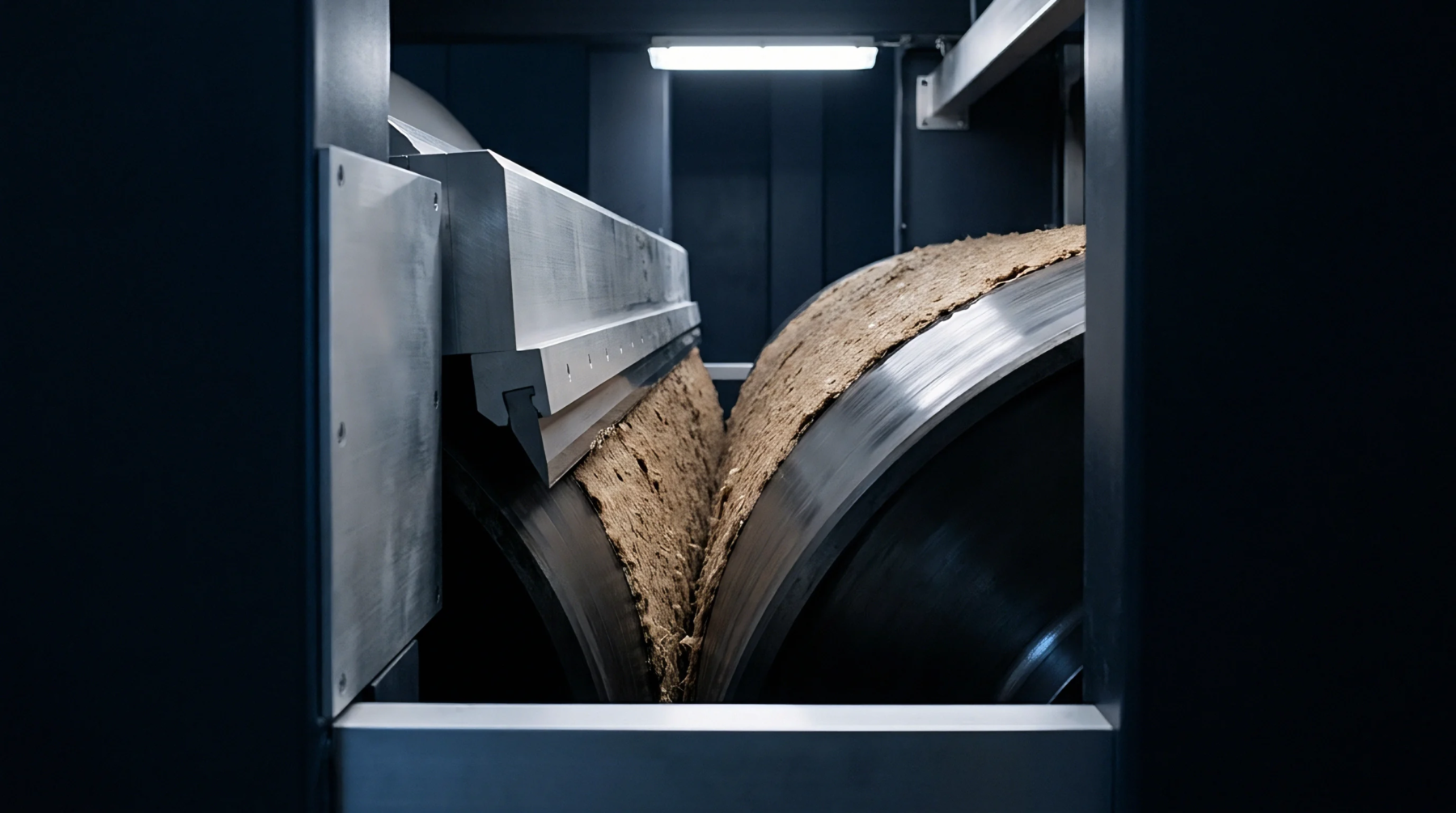
Dynamic delamination limits in ultra-low density mechanical plies require balancing fiber bulk against high-speed shear thresholds to prevent converting failure.
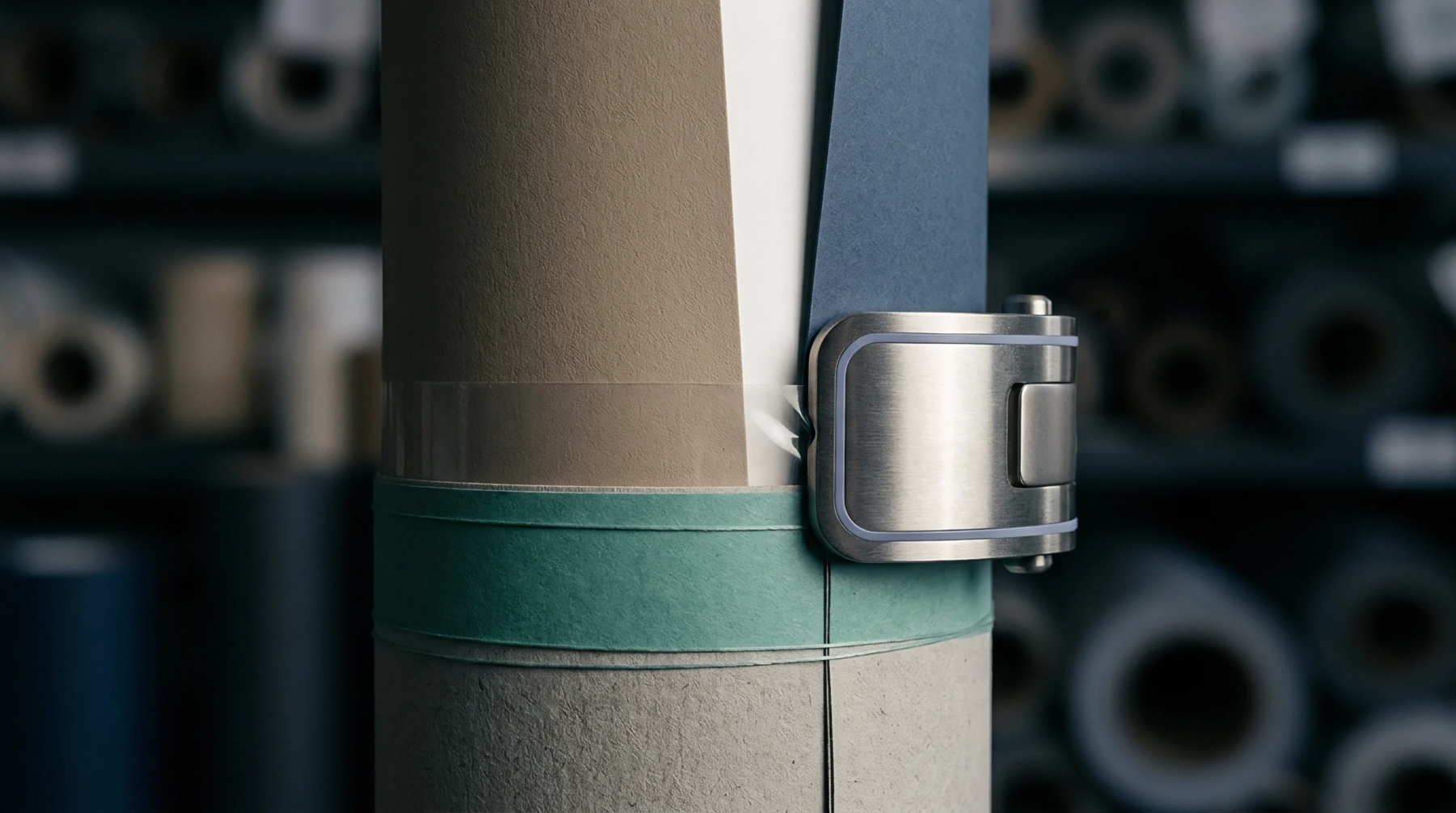
Dynamic Z-direction tensile failure in folding boxboard stems from high-strain-rate cleavage of mechanical core plies exceeding static bond test limits.

Verify physical furnish dockets and chemical marker assays rather than invoice credits to substantiate post-consumer claims in folding boxboard packaging.

Polymeric film cracking along folding boxboard scores ceases when rule clearance maintains localized tensile elongation below seven percent across the bead.
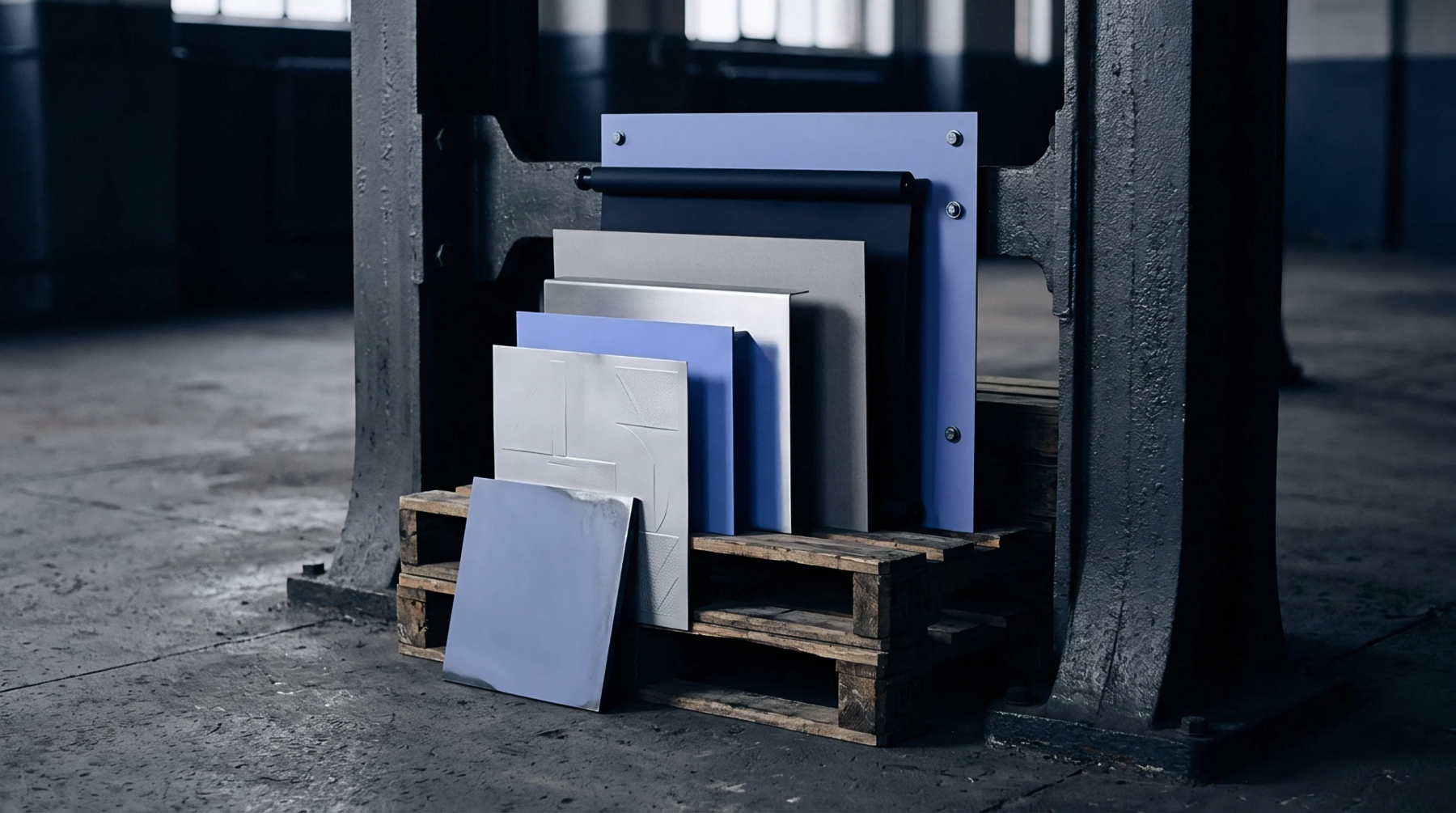
Crease audits verify internal mechanical ply shear through moment ratios between thirty and fifty percent without top coating fracture under dye staining.
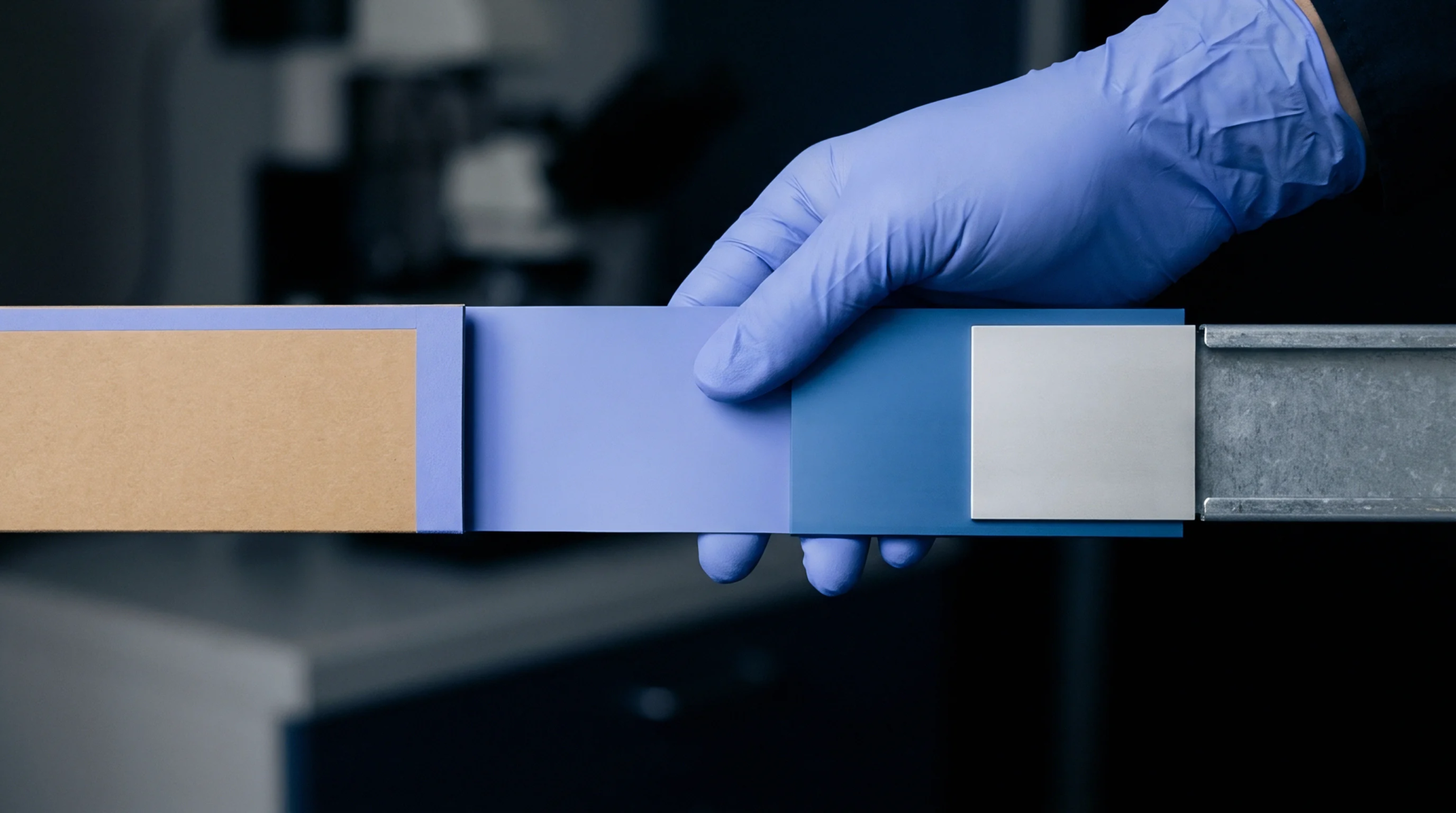
Valid boxboard physical testing requires ISO 187 conditioning at 23°C and 50% RH to prevent hysteresis errors in stiffness, yield, and creasing metrics.
Expertise is a utility, not a secret. sentiention™ publishes its working knowledge as open reference: intelligence layer covering the materials it sources, the markets it enters, and the reference that serves both.