Paperboard Score Line Acoustic Wave Testing Fundamentals
Acoustic wave velocity and attenuation measurements non-destructively quantify internal paperboard ply delamination and predict score line folding stiffness.
Acoustic wave velocity and attenuation measurements non-destructively quantify internal paperboard ply delamination and predict score line folding stiffness.
Inconsistent cartonboard crease torque causes vacuum cup detachment, incomplete carton squaring, and immediate line stoppages on automated cartoning lines.

Dynamic relative humidity cycling accelerates mechanosorptive creep in recycled containerboard, causing structural stack failure below static load limits.
Thermal pressure collapses hornified recycled fiber networks permanently, driving localized caliper loss, blister delamination, and scoreline failures on converting.
Swapping cartonboard to higher bulk furnishes increases square metre yield per tonne, reducing landed pack costs despite higher per-tonne substrate prices.
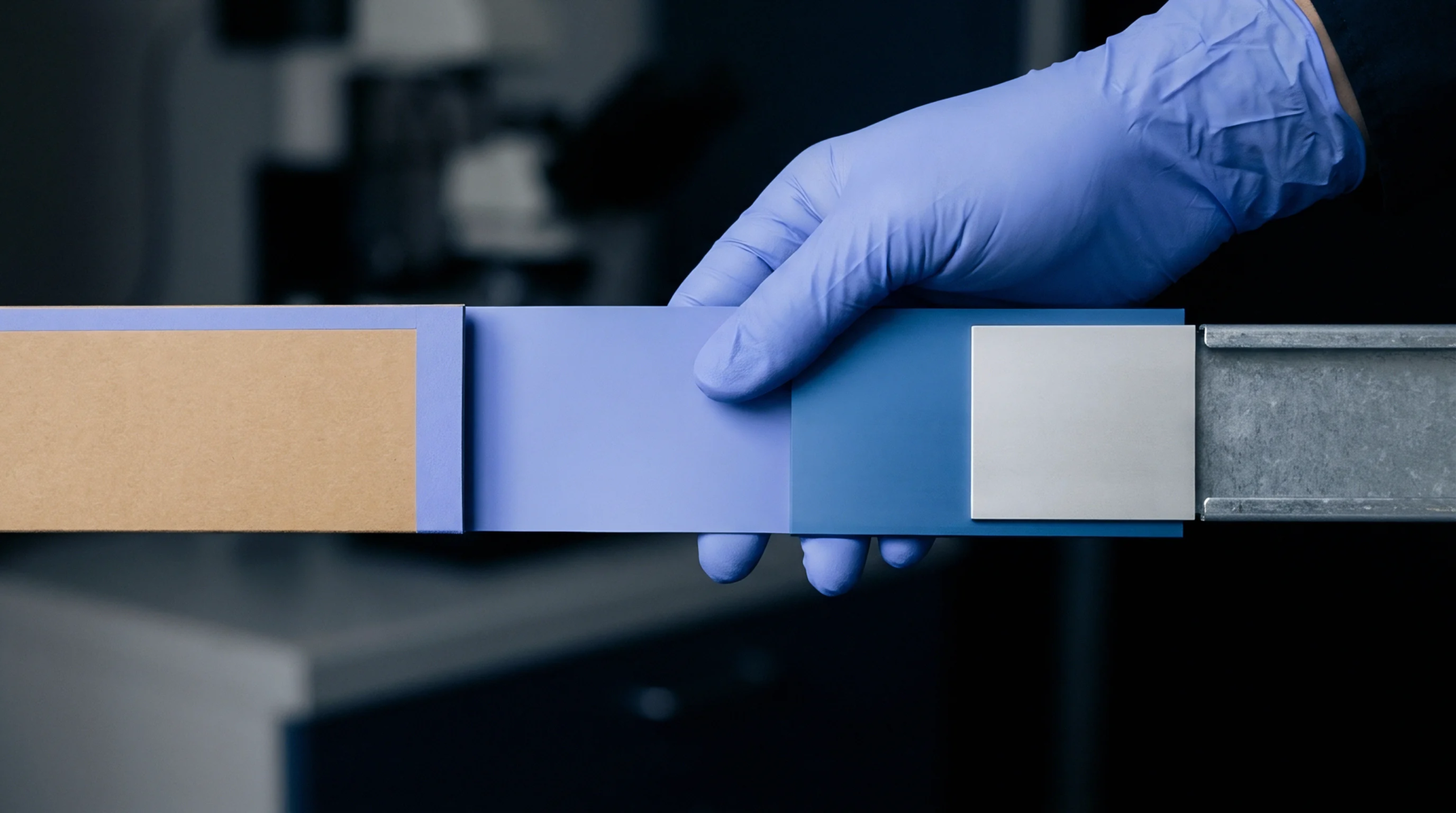
Laboratory physical testing of paperboard proves packaging structural compliance, verifies technical specifications, and prevents import liabilities.

Heavyweight laminated folding boxboard demands channel expansion beyond standard caliper formulas, pairing wider dies with shallow penetrations to stop film shear.
Dynamic shear delamination within middle plies absorbs scoring impact, preserving surface dispersion barrier continuity during high-speed carton converting.
Non-destructive acoustic testing tracks dynamic flexural rigidity loss in rehydrated fibers by calculating specific elastic stiffness from sound velocity squared.

Dynamic carrying capacity in recycled board depends on ultrasonic cross-direction elastic stiffness and cyclic creep resistance, not static burst strength.

Water-coated SBS board requires wider female creasing channels to offset aqueous polymer springback and prevent high-speed folder-gluer carton failures.
Selecting paperboard caliper and bulk requires balancing furnish density against flexural rigidity to maximize blank yield and carton compression strength.
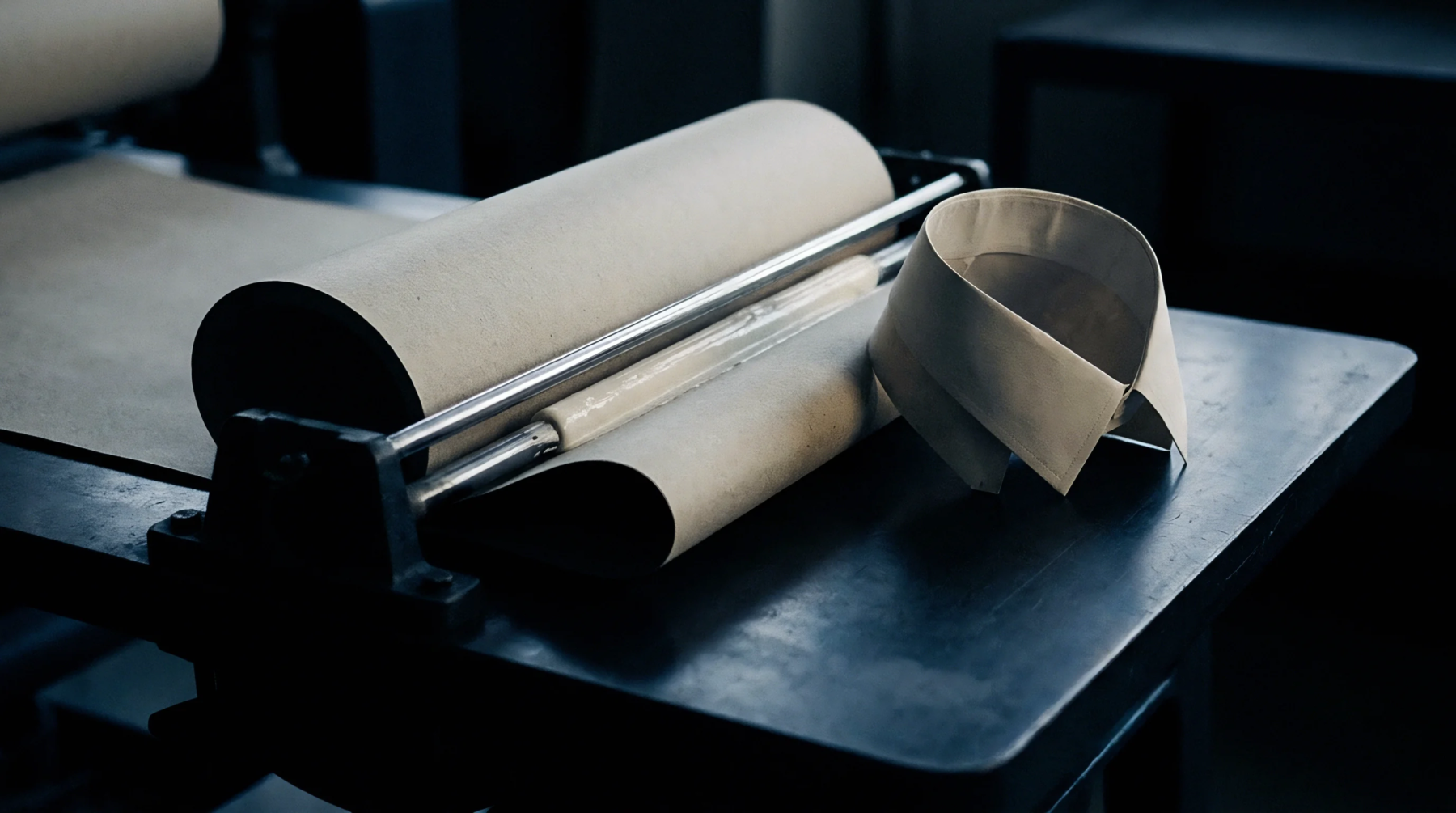
Optimizing triple ply folding boxboard stiffness requires maximizing middle layer bulk using BCTMP while placing high elastic modulus chemical pulp in outer skins.
Crease evaluation measures 15-degree sheet stiffness against 90-degree fold resistance, targeting a 30 to 50 percent ratio to prevent cartoning line jams.
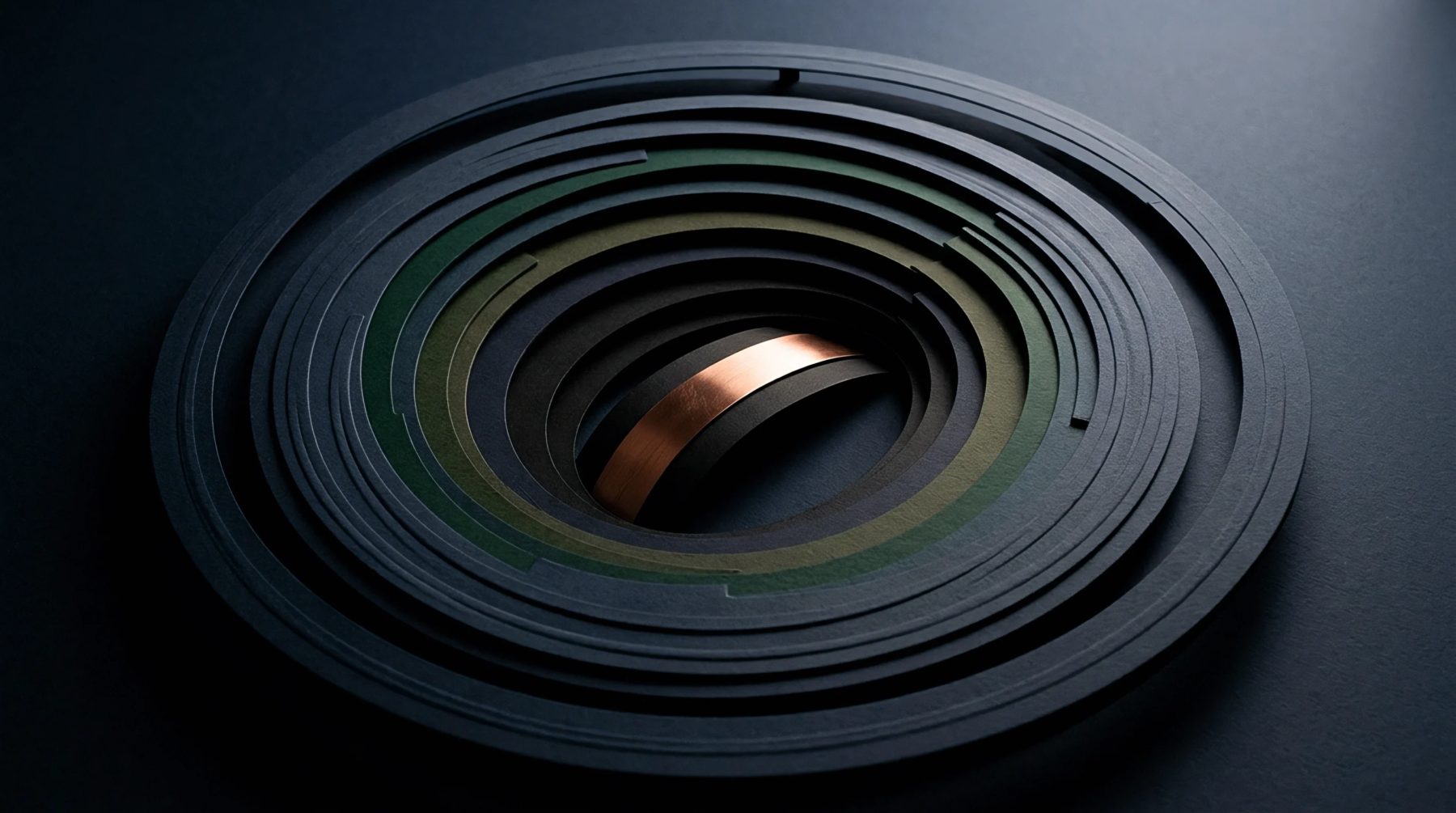
Calculate crease matrix width by multiplying uncoated cartonboard caliper by 1.5 and adding rule thickness, setting channel depth equal to board caliper.

Folding boxboard machine direction stiffness anisotropy governs carton opening force and high-speed feeder reliability, demanding strict ratio limits on orders.

Balancing middle ply mechanical pulp freeness preserves sheet caliper and bending resistance while controlling delamination under high-speed scoring.
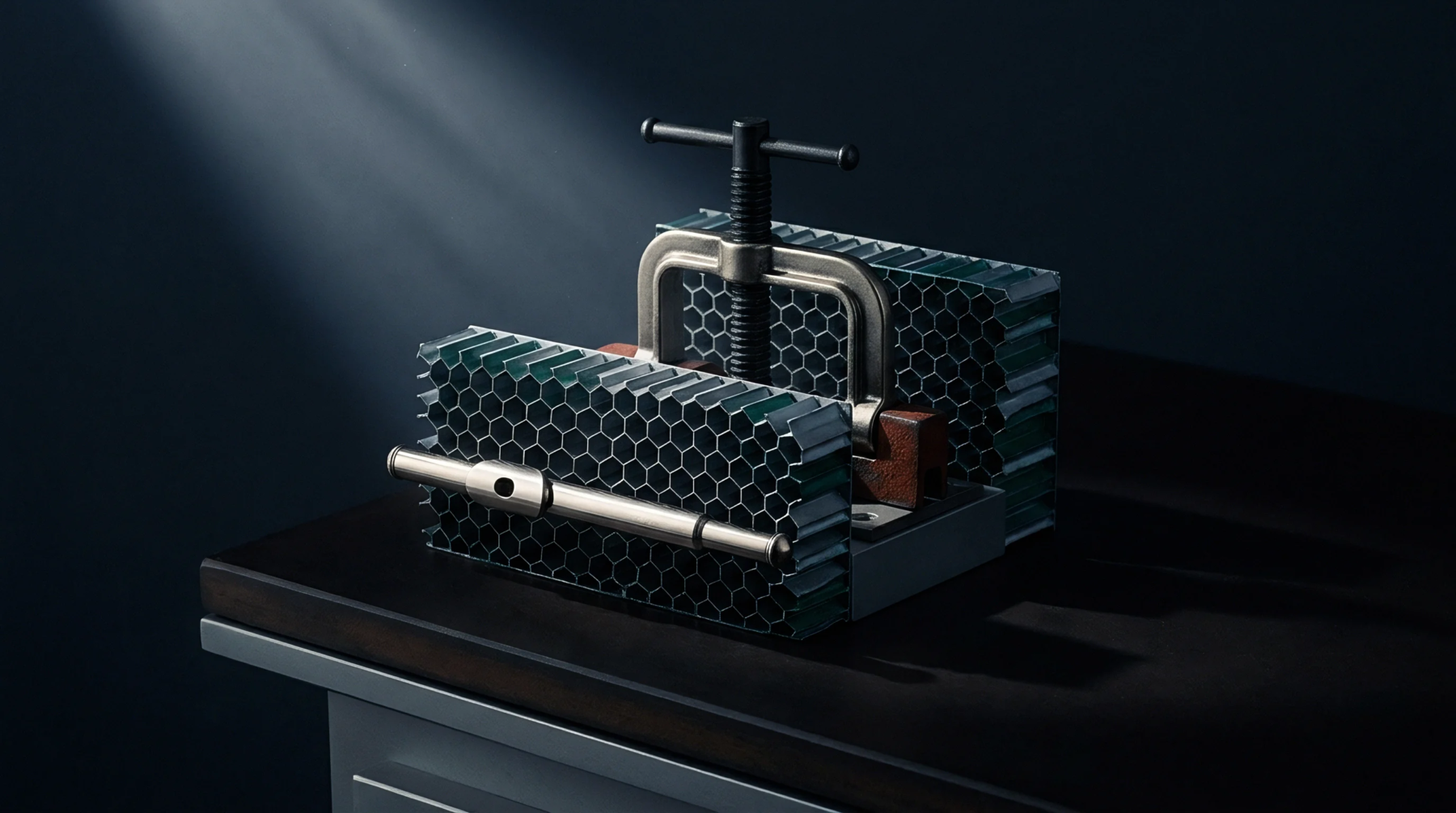
Multi-ply board stiffness and compression depend on z-direction modulus distribution, where cubic caliper scaling governs flexure and cross-direction short-span compression dictates box stacking strength.
Downgauging folding boxboard demands increasing core bulk and outer ply elastic modulus to preserve caliper and bending stiffness under McKee formula laws.
Expertise is a utility, not a secret. sentiention™ publishes its working knowledge as open reference: intelligence layer covering the materials it sources, the markets it enters, and the reference that serves both.