Establishing Independent Referee Testing Clauses in Cross Border Packaging Paper Contracts
Independent referee clauses prevent unilateral cargo rejection by mandating sealed retain sampling and binding third-party laboratory conditioning under ISO 187.


Threshold
Goods-in inspection teams at destination container terminals confront immediate commercial friction when delivered packaging paper fails basic physical verifications. Basis weight drift, low burst resistance, and uneven Cobb sizing routinely trigger formal rejection notices from receiving box plants. Mills operating across international borders frequently dispute initial mill-floor findings, citing improper local calibration, unconditioned testing rooms, or rough container transit through humid maritime passages.
Contractual language must therefore define the precise quantitative line where normal commercial tolerance ends and referee invocation begins.
Uncalibrated handheld gauges on receiving docks generate erroneous claim notices. Moisture shifts alter every parameter. A supplier shipping unbleached kraftliner from Scandinavia to Southeast Asia expects hygroscopic equilibrium changes during forty days at sea.
When the buyer opens the container, an apparent five percent grammage deficit often indicates desiccated fibre rather than missing raw material. Conversely, an elevated basis weight often reveals moisture uptake from marine condensation. Independent referee testing clauses provide the exact technical mechanism to arbitrate these physical disputes before cargo reaches line-haul transit or converter corrugator stations.
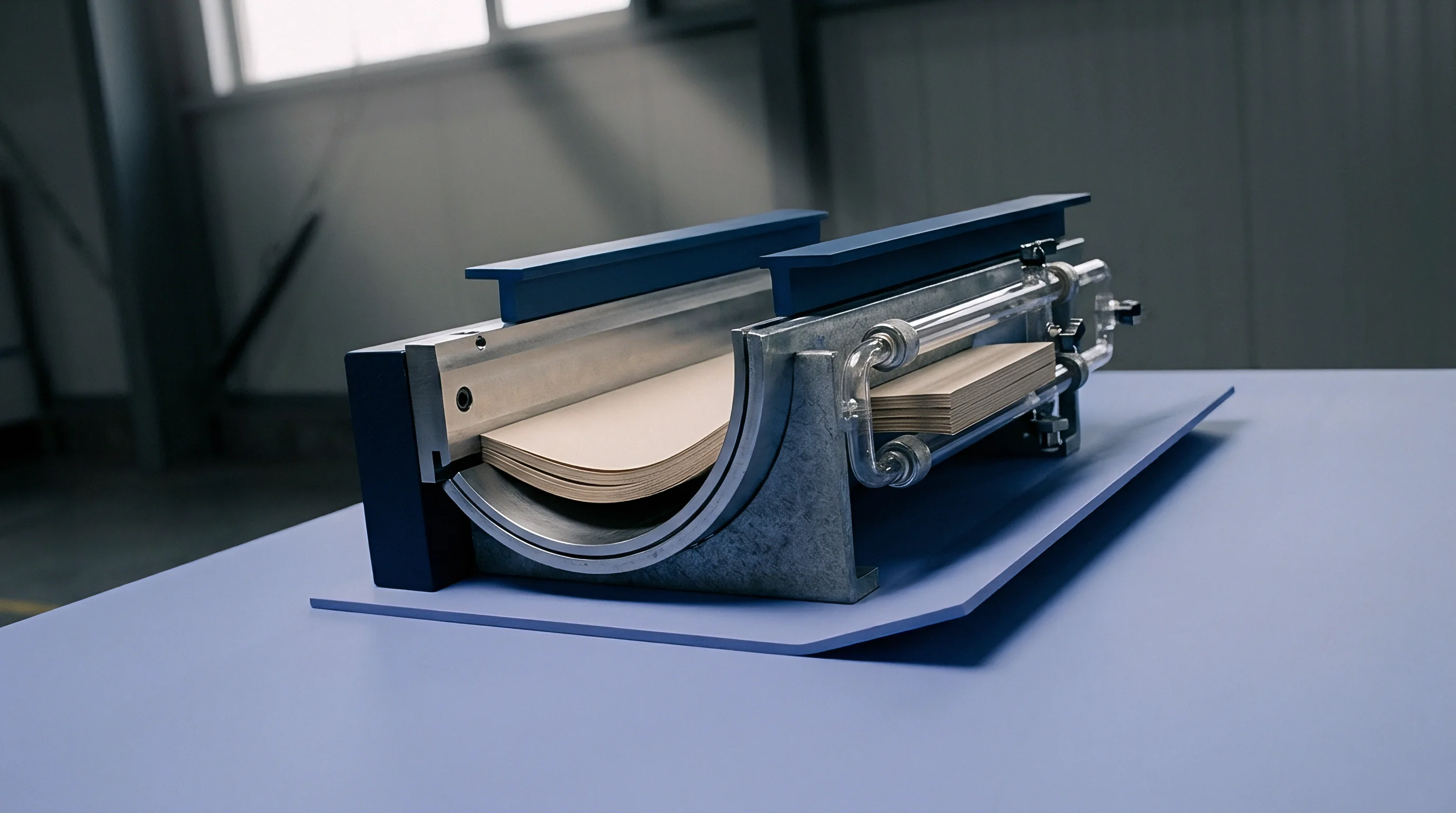
Trigger Limits across Physical Linerboard Parameters
A formal dispute begins when measured roll stock deviates beyond standard manufacturing tolerances. International trade contracts for containerboard and folding boxboard reference DIN 19306 or EN 643 commercial classifications, yet these standards allow broad latitude unless the purchase specification tightens individual properties. Sourcing agreements must explicitly delineate primary mechanical properties, normative testing standards, baseline delivery bands, and the secondary margin that entitles either party to demand third-party referee intervention.
| Property | Test Method | Standard Delivery Tolerance | Referee Invocation Margin |
|---|---|---|---|
| Grammage (Basis Weight) | ISO 536 | ±3.0% of nominal | Deviation exceeding ±4.5% |
| Burst Index | ISO 2759 | Minimum 3.20 kPa·m²/g | Deficit exceeding 5.0% of spec |
| Cobb60 (Top Side Water Absorption) | ISO 535 | Maximum 35.0 g/m² | Absorption exceeding 42.0 g/m² |
| Moisture Content | ISO 287 | 7.0% to 8.5% | Reading below 6.0% or above 9.5% |
| Short Span Compression (SCT CD) | ISO 9895 | Minimum 2.80 kN/m | Deficit exceeding 6.0% of spec |
Transit delays compound the error. When cargo sits on open wharves under tropical rainfall or intense solar radiation, roll wraps deteriorate. A referee clause prevents buyers from rejecting whole consignments based on outer wrap degradation alone.
The contractual trigger defines whether tests evaluate full reel cross-sections or isolated outer laps, protecting mills from superficial handling damage while protecting converters from running out-of-round or structurally compromised stock.

Contractual Notice Windows and Bilateral Testing
The buyer sends written declaration of non-conformance within fourteen calendar days of container destuffing. Delayed notification voids the right to demand referee arbitration, as ambient relative humidity permanently alters unprotected reel peripheries. Sourcing documents define an immediate standstill period upon notice delivery.
The converter quarantines the contested batch, records barcode reel numbers, and preserves container seals for joint survey inspection.
Both parties conduct an initial bilateral verification before appointing the referee laboratory. Mill technical representatives inspect the stock at the destination warehouse within ten business days of formal notice. If local re-testing by the mill corroborates the buyer’s internal data, commercial settlement proceeds through credit note issuance or direct price abatement.
If the parties produce irreconcilable test certificates, the referee clause activates automatically without further legal dispute. Failure to define precise numeric boundaries transforms routine technical discrepancies into prolonged cross-border litigation that drains margin on both sides.


Sheaf
Physical custody of representative specimen packs decides the legal standing of every downstream arbitration. Without rigorously authenticated sample extraction, any laboratory result remains vulnerable to legal challenge under standard international commercial sales law. An unsealed carton of test sheets presented by a buyer carries no evidentiary weight in a cross-border dispute.
The sampling protocol must mirror certified provenance procedures from the precise moment reels emerge from maritime containers.
The seal stays intact. When disputing basis weight, burst strength, or ply-bond adhesion, the referee laboratory requires test material extracted according to strict random selection rules across the delivered consignment. Sourcing agreements define the precise sampling frequency relative to delivered tonnage, specifying the depth of material stripped from the roll before referee sheets are cut.
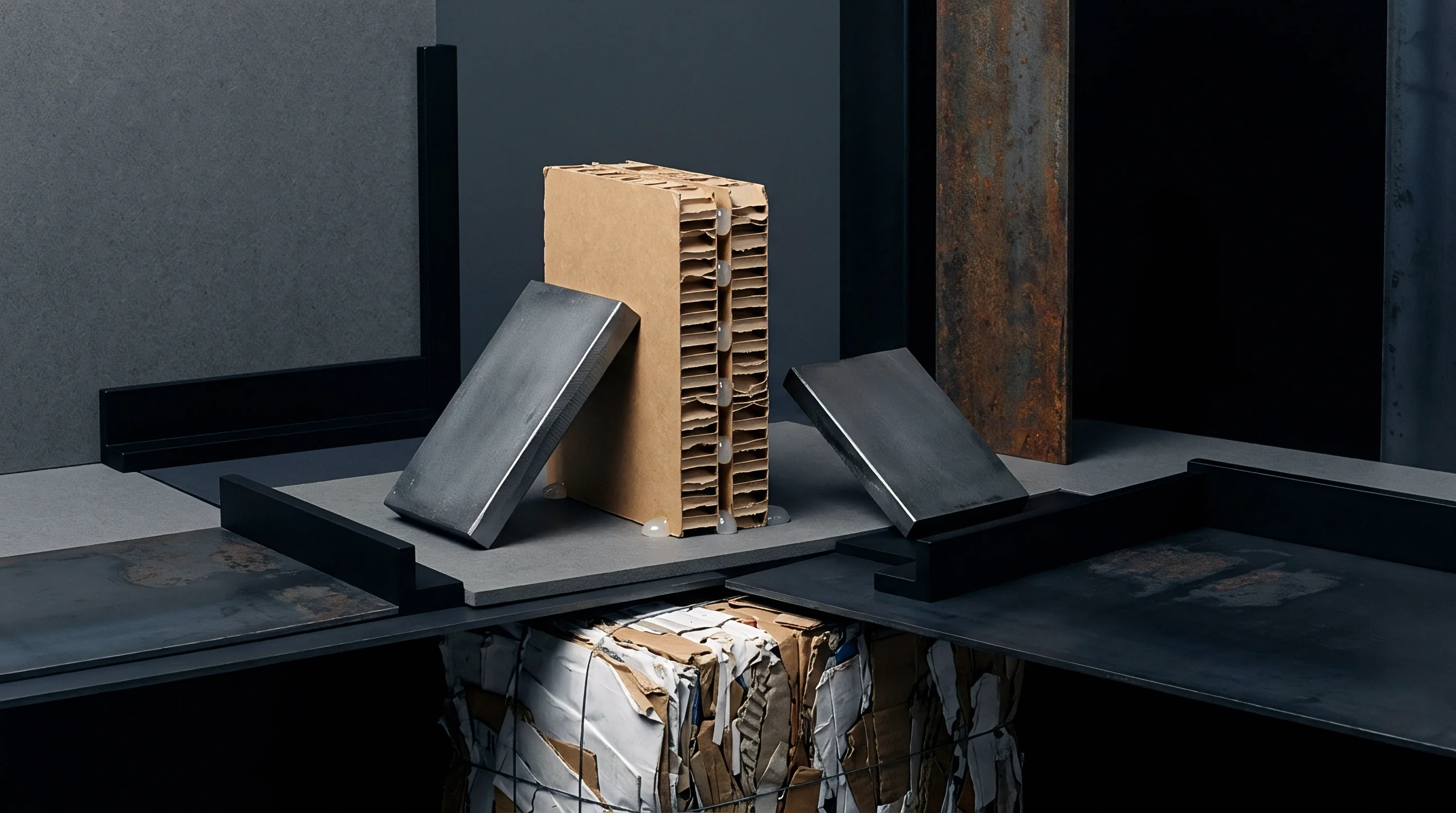
Chain of Custody for Border Counter-Samples
Extracting material according to ISO 186 requires taking full-width sheets at least three layers beneath the roll outer wrap. Physical damage, handling friction, and local microclimates distort exterior paper layers. Retain samples must include specimens representing the entire web profile to account for cross-direction variation produced by headbox hydraulics or slice lip adjustments at the primary paper machine.
- Full-Width Web Extraction takes sheets five layers deep across minimum ten percent of delivered reels to eliminate handling abrasions.
- Immediate Moisture Encapsulation seals specimens inside 100-micron aluminum barrier pouches within three minutes of extraction to prevent moisture interchange.
- Bilateral Holographic Taping ensures neither counterparty opens the parcel without detection during transit to the referee facility.
- Dual-Signatory Transfer Manifests accompany the retain set across customs clearance points, identifying specific reel serials and harvest dates.
Fibre orientation dictates the outcome. Cutting specimens without clearly noting the machine direction invalidates subsequent laboratory tensile, tear, and compression tests. Sourcing contracts specify that field inspectors pencil parallel alignment lines across the outer face of every extracted sheaf before packaging.
Clause 14.2 of the European Federation of Corrugated Board Manufacturers standard rules shifts storage risk to the purchasing mill forty-eight hours after physical tender at the siding.
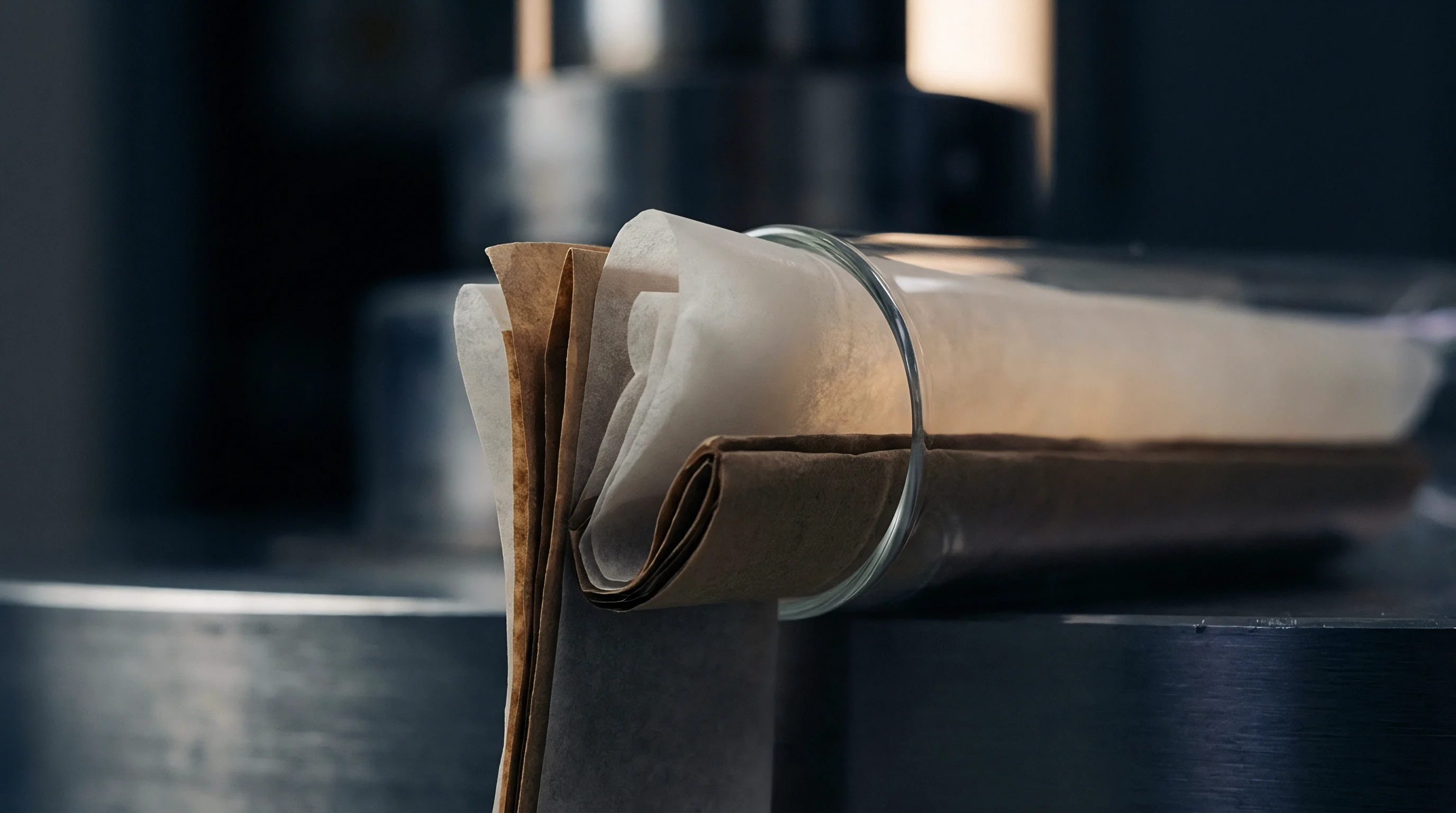
Retain sample packets divide into three identical portions immediately after joint extraction. The buyer retains one sealed envelope for internal validation. The seller takes the second sealed set to run at its mill quality laboratory.
The third packet travels directly to the mutually agreed independent testing house. Sourcing contracts clarify that only the unbroken third parcel possesses legal validity if unilateral laboratory values diverge.
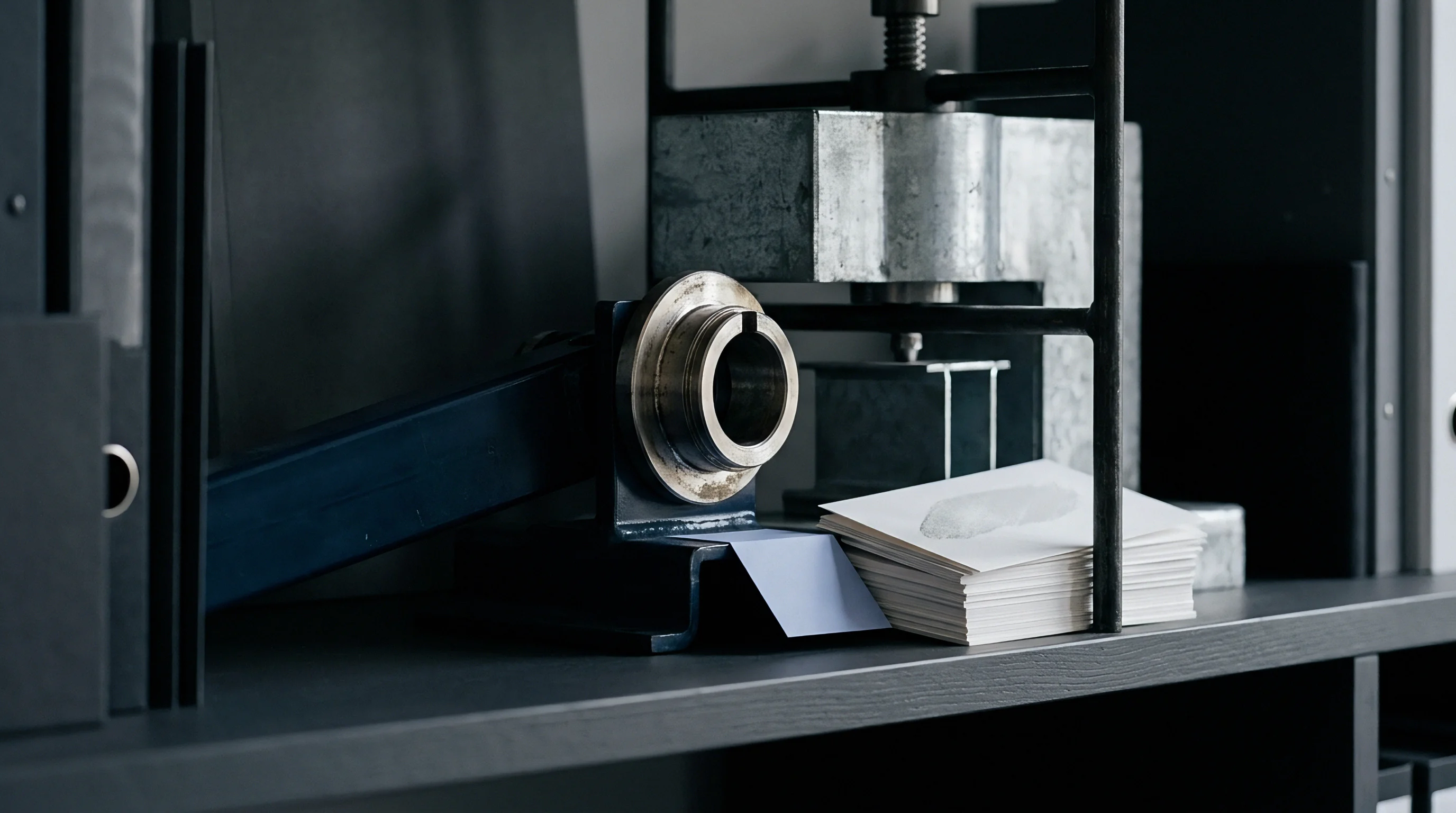
Bilateral Sealing and Designated Custodial Storage
Both commercial counterparts sign tamper-evident security labels across moisture-barrier foil packaging. If a dispute arises over containerboard shipped to landlocked destinations, neutral marine surveyors oversee the extraction and apply lead cable seals to sample parcels. Cold storage arrests degradation.
Packaging paper contains starch surface sizing, alkyl ketene dimer, or alkenyl succinic anhydride sizing agents that alter physical resistance if stored in hot, unconditioned port warehouses during summer months.
Contractual stipulations define maximum permissible transit windows for the referee sample. Dispatch to the accredited testing institute takes place via priority international courier within seventy-two hours of sampling. Inserting the sentence “Retain samples untested after forty-five days from port arrival become void for referee submission” prevents either party from relying on degraded paper fibers stored in unconditioned port sheds.


Chamber
Laboratories evaluating disputed paperboard operate under strict atmospheric control to prevent hygroscopic distortion. Paper behaves as a viscoelastic, highly hygroscopic material whose physical properties fluctuate in direct equilibrium with ambient temperature and relative humidity. A test sheet measured at forty percent relative humidity yields elevated tensile strength and ring crush values alongside artificially depressed stretch and tear values.
When the same sheet enters sixty-five percent relative humidity, moisture plasticizes inter-fibre hydrogen bonds, softening the matrix, expanding caliper, and driving down short-span compression strength.
Calibration errors destroy comparability. Independent referee institutions must hold explicit accreditation under ISO/IEC 17025 for pulp, paper, and board physical testing. An unaccredited regional facility operating without continuous thermohygrograph logging cannot arbitrate cross-border claims.
International contracts specify the normative testing climate, settling whether tests follow temperate zone standards or tropical conditions.
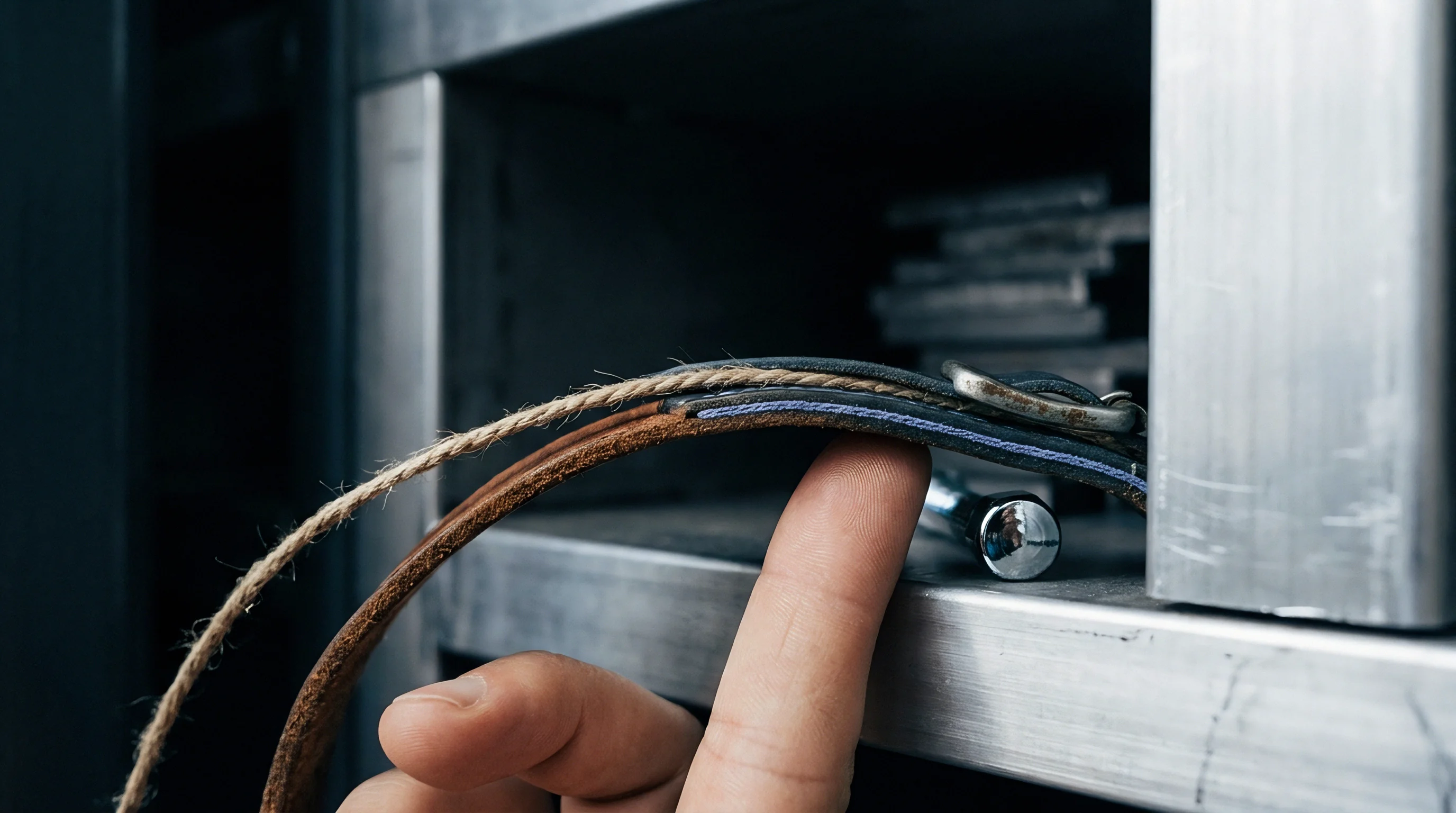
How Do Environmental Variances Shift Referee Burst Results?
Cellulose fibres absorb and desorb ambient water vapor in direct response to surrounding relative humidity. When a referee facility conditions linerboard sheets under ISO 187 standard parameters of 23.0°C and 50.0% relative humidity, equilibrium moisture settles in a narrow band between 7.0% and 8.0%. If the testing room drifts upward to 60.0% relative humidity, equilibrium moisture climbs past 8.8%.
This seemingly minor moisture gain dramatically compromises burst strength and edge crush resistance.
| Parameter | Temperate Climate (ISO 187) | Tropical Standard (ISO 187 Annex) | Arid Mill Atmosphere |
|---|---|---|---|
| Chamber Temperature | 23.0°C ± 1.0°C | 27.0°C ± 1.0°C | 25.0°C ± 2.0°C |
| Relative Humidity | 50.0% ± 2.0% | 65.0% ± 2.0% | 35.0% ± 5.0% |
| Equilibrium Sheet Moisture | 7.4% | 9.1% | 5.2% |
| Burst Strength (Mullen) | 520 kPa | 478 kPa | 555 kPa |
| Short Span Compression (SCT CD) | 3.15 kN/m | 2.82 kN/m | 3.38 kN/m |
| Tensile Energy Absorption (MD) | 142 J/m² | 158 J/m² | 124 J/m² |
| Data reflects unbleached softwood kraftliner conditioned for 24 hours from an initial 6.0% moisture state. | |||
Hysteresis locks in the variance. A paper specimen reaching equilibrium from a wet state retains higher moisture content at identical ambient humidity than an identical specimen dried down from an arid state. ISO 187 mandates pre-conditioning paper below thirty-five percent relative humidity for four hours before placing sheets into standard twenty-three degree, fifty percent relative humidity chambers.
Referee laboratories skipping this pre-conditioning step introduce systematic experimental errors that shift mechanical strength values by four to seven percent.
Uncoated linerboard conditioned at 65 percent relative humidity exhibits an eight percent drop in burst index compared to identical stock tested at 50 percent relative humidity under ISO 187 parameters.

Sorption Hysteresis and Instrument Calibration Divergence
Equilibrium moisture content differs depending on whether a specimen reaches balance from a wetter or drier starting state. Cross-border contracts eliminate ambiguities by pre-selecting specific testing machines and operating procedures. For example, testing water absorptiveness under ISO 535 Cobb requires metal cylinders with an internal area of 100 square centimetres, 100 millilitres of distilled water, and a stainless steel roller weighing exactly 10.0 kilograms.
Hand-rolled tests or alternative fluid temperatures ruin repeatability.
- Sorption Hysteresis Lag shifts apparent basis weight upward when specimens enter conditioning directly from damp holds.
- Diaphragm Distension Error alters Mullen burst values when hydraulic fluid viscosity changes across uncalibrated bench temperatures.
- Clamping Pressure Relaxation causes sheet slippage during tensile testing, lowering measured machine-direction breaking force.
- Anisotropic Core Swelling misrepresents sheet caliper after exposure to condensing humidity cycles inside steel containers.
Dry air robs the sheet. Paperboard subjected to dry winter air loses folding endurance, causing flutes to crack during box conversion. When referees evaluate crack resistance or bendability, instruments must measure bending stiffness per ISO 2493 using automated two-point or three-point deflection devices.
Contract terms eliminate disputes by naming the accredited referee institutes directly, such as PTS in Germany, CTP in France, or Western Michigan University in the United States, precluding arguments over laboratory capability after shipments arrive. Mills routinely explain away tensile shortfalls by claiming the buyer tested rolls exposed to ocean damp without forty-eight hours of pre-conditioning.


Allocation
Financial accountability for technical examination follows the ultimate determination of conformity. Independent laboratory fees, courier logistics, neutral marine surveyor billings, and port container demurrage add substantial overhead to contested paper shipments. If an agreement remains silent on expense distribution, the invoking party bears immediate out-of-pocket costs, creating an incentive for mills to ignore valid technical rejections.
Commercial terms allocate testing invoices directly through a classic loser-pays provision.
Demurrage accumulates daily at port. While reels sit inside customs-bonded terminals pending referee evaluation, shipping lines levy container detention charges. A forty-day laboratory delay can generate demurrage fees exceeding forty percent of the commercial value of the underlying paperboard.
Contracts address this by establishing clear timelines for referee sample dispatch and testing turnaround, paired with binding loss-allocation formulas.

Demurrage Accumulation and Wharfage Liability Mechanics
Container detention charges at maritime ports escalate rapidly while parties debate laboratory selection. Pre-naming the referee institution eliminates weeks of preliminary posturing. Well-structured purchase contracts grant the buyer unilateral authority to destuff disputed containers into a bonded warehouse, avoiding container demurrage while preserving reel identification tags under customs bond.
- Detention and Demurrage Invoices billed by ocean carriers while container seals remain unbroken during testing delays.
- Referee Laboratory Examination Fees covering ISO 187 pre-conditioning, burst tests, Cobb sizing, and certified documentation.
- Secondary Freight and Haulage generated when off-spec tonnage moves from port facilities to alternative regional converters.
- Pulp Index Price Adjustments reconciling market cost shifts between the original bill of lading date and replacement arrival.
Cargo abandonment carries steep penalties. Destination terminal authorities confiscate uncleared paper cargo after sixty days, auctioning stock as waste furnish. Clear allocation language ensures the at-fault party assumes terminal storage bills if referee analysis reveals substantial non-conformity.
Freight demurrage expenses invariably outpace laboratory testing fees within ten days of terminal storage.

Consignment Loss Modelling for Off-Spec Kraftliner
Evaluating a commercial shipment of 175 grams per square metre virgin kraftliner illustrates the monetary exposure. Assume a 100-metric-tonne consignment priced at $850 per tonne landed cost, packed across four forty-foot sea containers. Upon arrival, the buyer’s quality control logs an average basis weight of 167 grams per square metre, representing a 4.5% underweight deficit that threatens conversion strength in finished corrugated shipping boxes.
| Cost Category | Buyer Claimed Basis | Supplier Rebuttal Position | Referee Determined Allocation |
|---|---|---|---|
| Referee Testing Dossier | $4,200 | $0 | $4,200 (Assigned to Mill) |
| Terminal Port Demurrage (18 Days) | $12,600 | $0 | $8,400 (Split 67/33) |
| Basis Weight Shortfall Credit | $8,500 | $1,200 | $7,850 (Assigned to Mill) |
| Down-gauging Press Spoilage | $6,300 | $0 | $3,150 (Split 50/50) |
| Total Disputed Exposure | $31,600 | $1,200 | $23,600 (Net Mill Debit) |
The lighter caliper lowers yield. Converting plants lose margin when basis weight deficits compromise structural box compression test values. When the independent referee confirms a 4.6% grammage shortfall under ISO 536, the laboratory dossier triggers immediate credit adjustments covering missing pulp mass alongside press downtime.
The party whose initial measurement strays furthest from the referee baseline pays the entire testing invoice.
Accord
Contractual execution reaches finality when the nominated testing authority issues its certified report. The referee determinations serve to resolve factual, technical controversies conclusively, removing physical characteristics from legal argumentation. If laboratory findings indicate the paperboard meets contractual tolerances, the buyer accepts the shipment without price deductions, releasing payment immediately.
If the findings corroborate non-conformity, pre-agreed commercial remedies activate automatically.
Money tracks the certified numbers. Parties entering cross-border trade avoid general arbitration tribunals for purely physical disputes. Arbitration panels lack technical competence to interpret tensile stiffness orientation or Cobb sizing values.
Sourcing documents structure referee intervention as an expert determination under International Chamber of Commerce rules, ensuring determinations bind both parties as matter of commercial fact.

Pre-Arbitral Finality and Evidentiary Weight
Well-drafted sales contracts designate the independent referee laboratory as an expert determiner rather than an arbitrator. This distinction limits judicial review. Courts in major trading jurisdictions treat technical expert determinations as final contractual certifications, refusing to overturn findings absent manifest fraud, gross bias, or blatant procedural error.
Uncut retain reels preserve equity. By restricting dispute evidence exclusively to the sealed counter-sample parcel, both buyer and seller avoid endless depositions regarding handling history.
National court litigation dies when clear expert clauses govern technical specs. The contract dictates that within ten days of referee certificate transmission, the losing party remits settlement funds via bank wire or releases documentary letters of credit. Container vents introduce salt humidity.
If moisture or chemical testing reveals chloride ion penetration from ocean water leakage, the referee report shifts liability cleanly to marine cargo underwriters rather than the manufacturing mill.
Commercial disputes dissolve once both signatories accept third-party laboratory authority as conclusive evidence.

Commercial Remedies and Invoice Rectification Pathways
When test certificates establish confirmed failure against contractual tolerances, the buyer initiates immediate financial debits. The sales agreement defines three distinct remedy tiers based on the severity of non-conformance. Minor deviations below five percent trigger proportional price discounts per metric tonne, allowing the converter to run the stock at slower corrugator speeds while recovering yield losses.
Deviations between five and ten percent entitle the buyer to divert reels to secondary applications, deducting reprocessing and waste costs from the original invoice.
Severe non-conformities exceeding ten percent grant the buyer absolute rejection rights. The mill arranges return shipping or local destruction within twenty-one days of referee report receipt, bearing all customs duties, warehouse charges, and disposal fees. If the seller fails to remove rejected tonnage within the contractual grace period, title transfers to the buyer for salvage scrap liquidation, with proceeds credited against outstanding demurrage bills.
The industry still debates whether referee laboratories should retain legal liability when their own internal calibration drift produces an erroneous determination on high-value containerboard.