
High Speed Paperboard Creasing Kinematics and Tooling
Precision matching of creasing rule thickness and counter channel width prevents outer liner cracking and stabilizes folding force on high speed lines.
Precision matching of creasing rule thickness and counter channel width prevents outer liner cracking and stabilizes folding force on high speed lines.

Matrix width derivation for heavyweight coated paperboard requires multiplying caliper by grade-specific factors and adding rule thickness to prevent coat fracture.

Gravimetric residue verification and chain of custody tracking secure legal packaging compliance by proving fiber origin and food contact migration limits under border enforcement audit standards.

Paperboard reel temperature equilibration requires calculated staging times based on reel diameter and temperature differential to prevent condensation defects.

Setting containerboard deadband thresholds between three and five percent isolates short term market friction while ensuring transparent contract price adjustments.

Boxboard claims require exact invoice codes, LC-GC-FID MOSH/MOAH testing under EN 16995, and ISO 2859-1 receiving audits to prevent customs holds.

Dynamic triangulation drift in multi-ply recycled boxboard converting stems from surface roughness noise, hygroexpansion curl, and interlayer shear slip.

Establishing accurate paperboard converting yield baselines separates transit tare, hygroscopic mass drift, and tool skeleton waste from raw material invoices.

Independent referee clauses prevent unilateral cargo rejection by mandating sealed retain sampling and binding third-party laboratory conditioning under ISO 187.

Thermally conditioning surface plies above binder glass transition depresses surface roughness without crushing core mechanical plies, boosting caliper yield.

Unbundling conversion costs from multi-fiber furnish indices and applying yield loss factors prevents supplier margin creep in paper contracts.
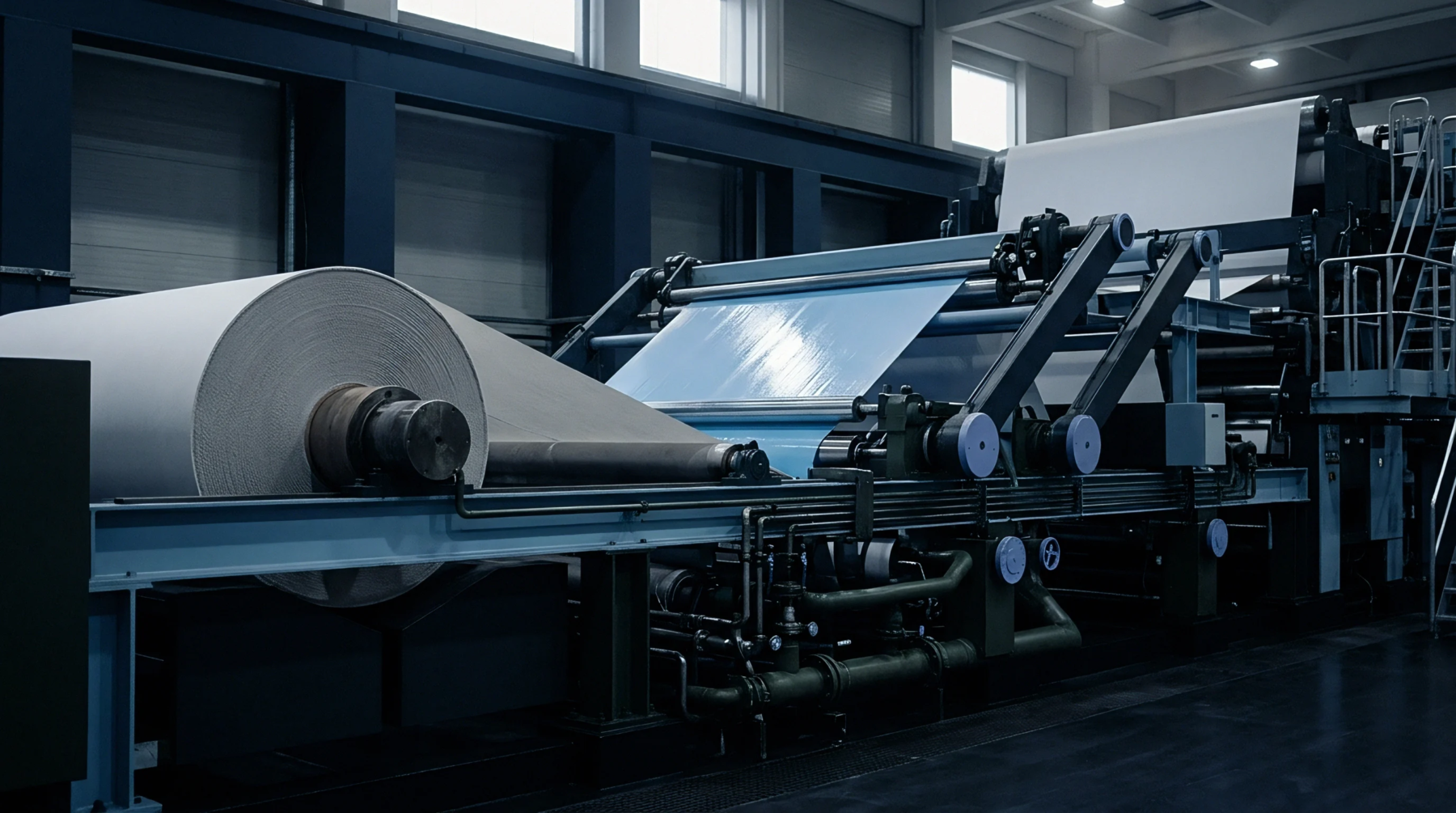
Web trim allocation optimizes machine deckle fill through dynamic linear programming, reducing edge slitting broke to lower landed packaging substrate costs.
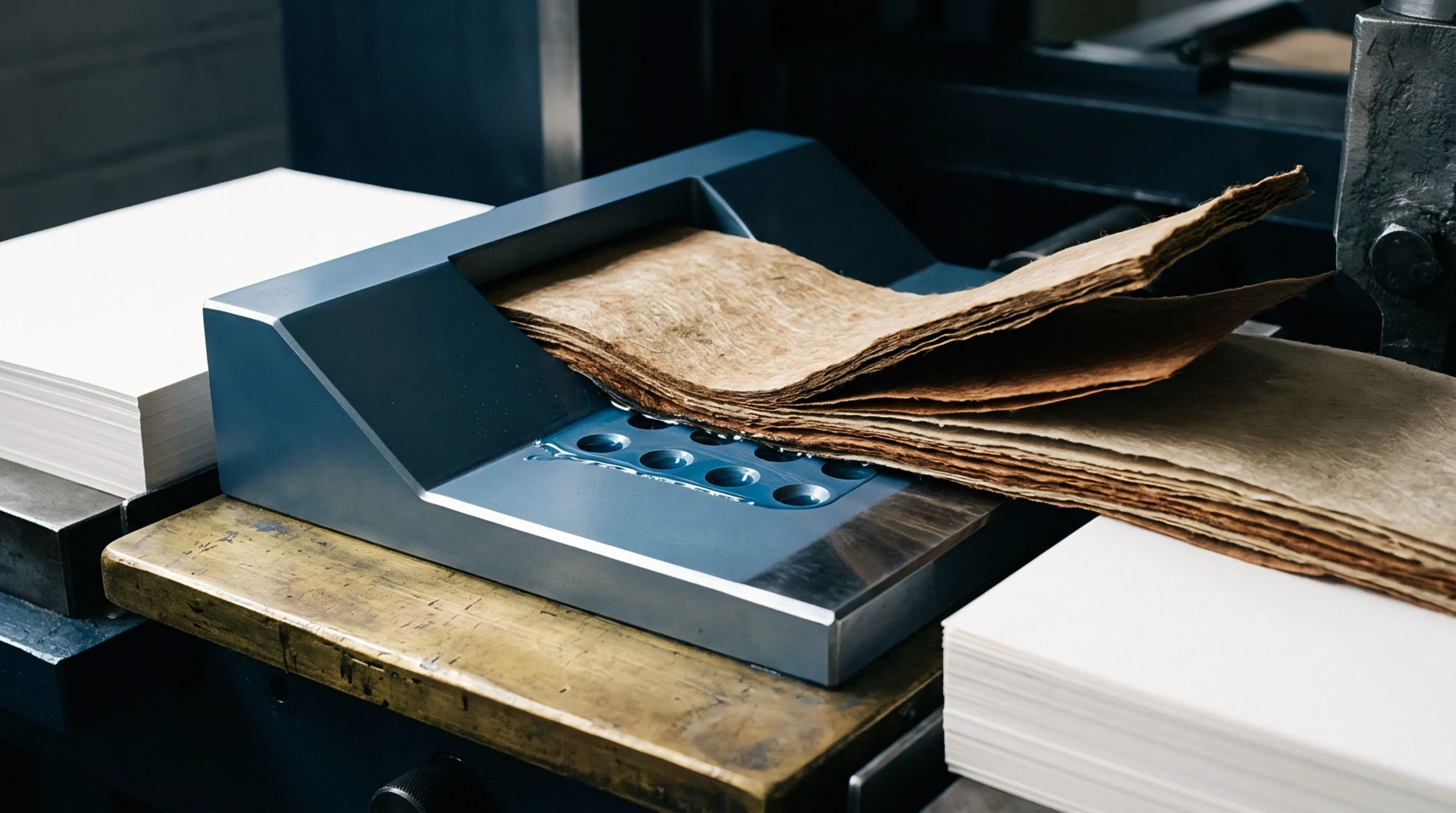
Verifying virgin softwood content in packaging paper relies on fiber morphology analysis, ISO chemical pulp identification, and trace chemical markers

Statistical lot verification protects packaging buyers by tying standardized sample testing directly to batch acceptance quality limits and contract settlement terms.

Modeling transient moisture gradients and hygral stress in high-bulk recycled cartonboard skids establishes barrier wrap limits to prevent press edge waving
Paper contract pass-through clauses must weight indices to exact furnish shares and apply deadbands to prevent unearned mill margin inflation.

Ground paper supply pass-through clauses in verified dry fibre weight, strict index lag rules, and active goods-in batch audits to block supplier overcharges.
Expertise is a utility, not a secret. sentiention™ publishes its working knowledge as open reference: intelligence layer covering the materials it sources, the markets it enters, and the reference that serves both.