Cutting Pattern
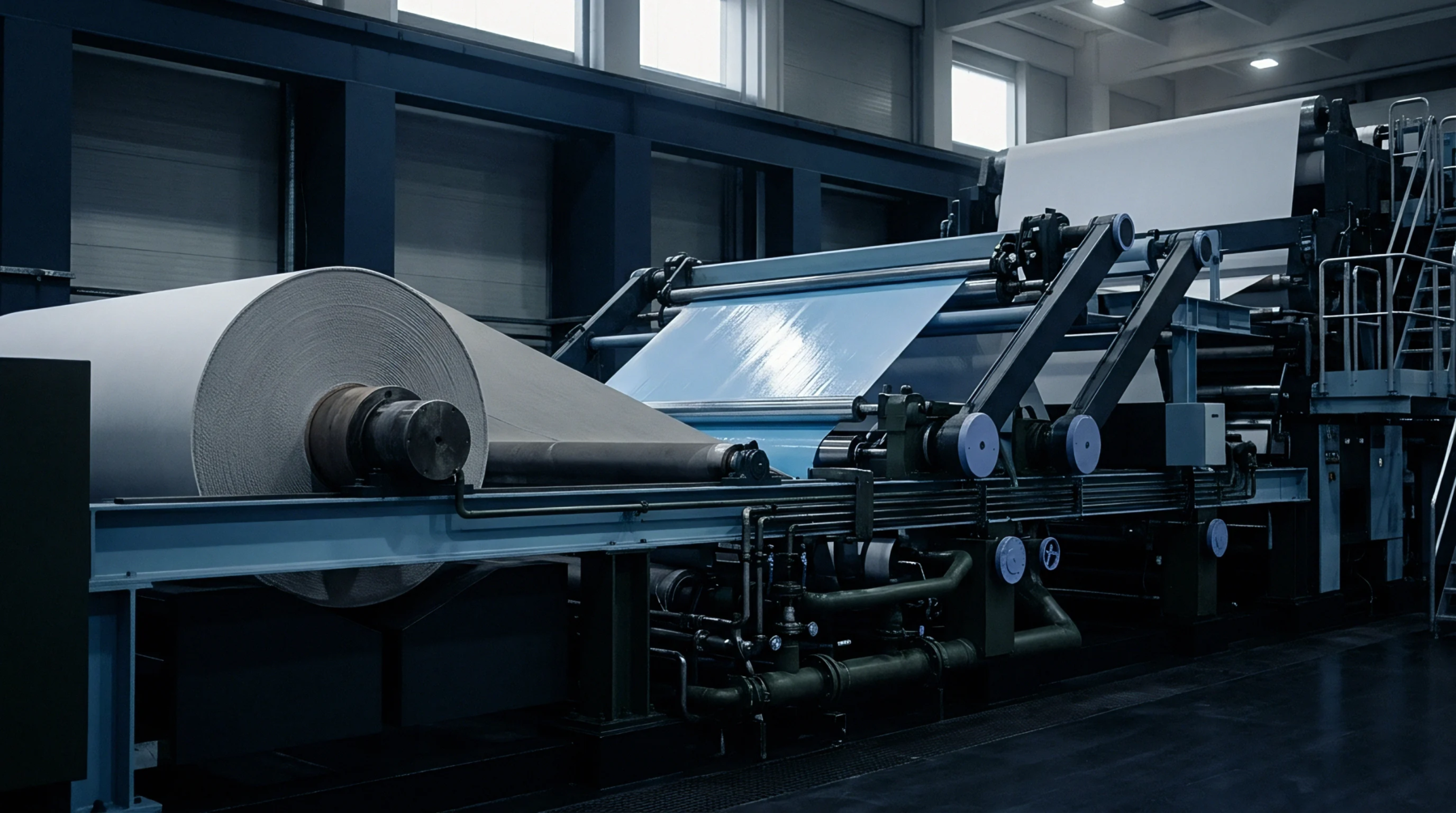
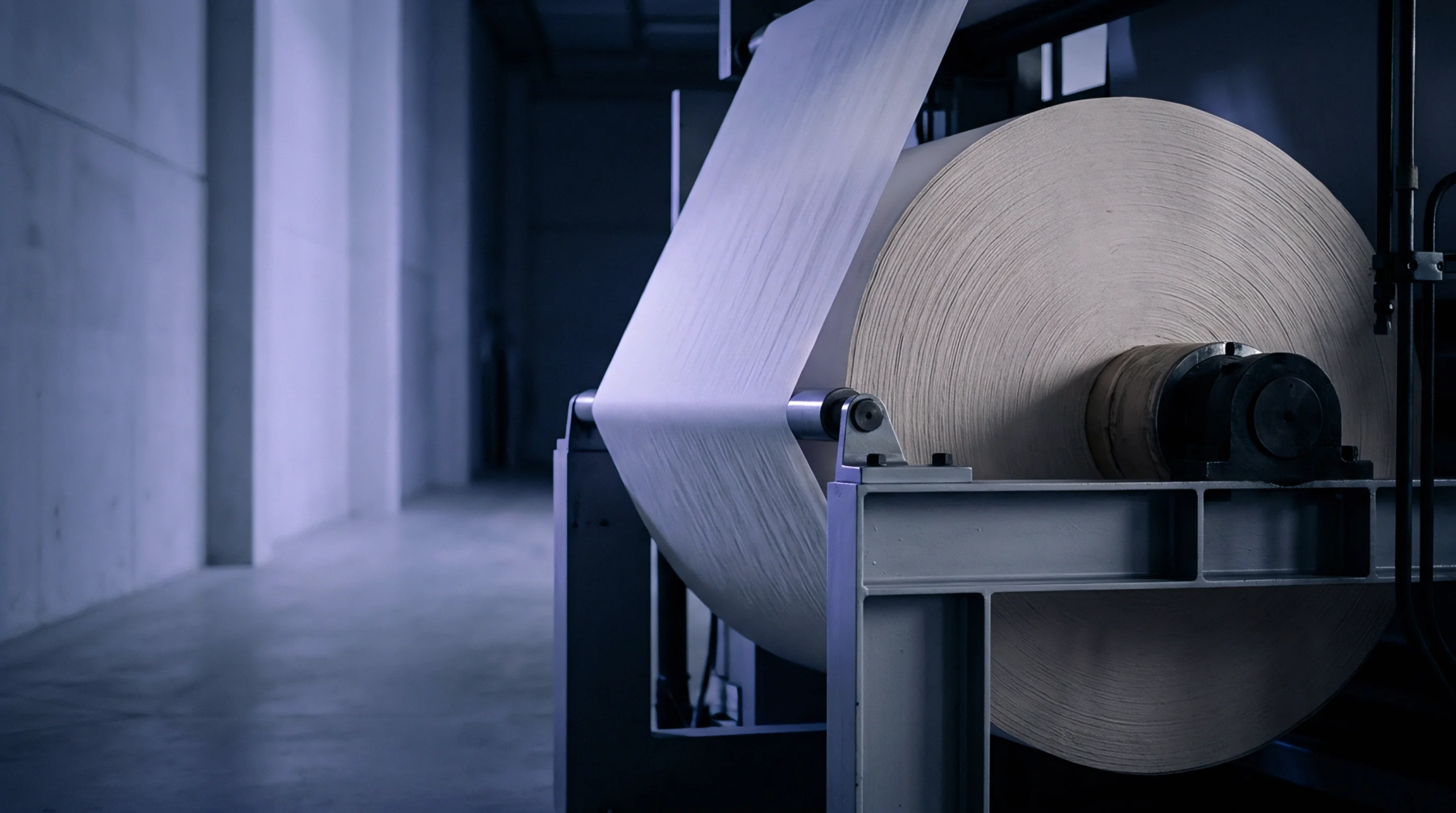
Stock reduction operates through integer programming where the gilmore gomory algorithm solves large scale cutting stock problems by column generation. Master rolls in paper mills are converted into smaller commercial widths ordered by converters. Raw material minimization requires combining widths efficiently across fixed parent dimensions.
Parent rolls possess standardized widths such as two hundred centimeters. Customer orders demand multiple subsets of narrower reels. Parent division yields trim loss when leftover edges cannot form valid reels.
Cutting patterns represent feasible combinations of narrower widths fitting inside the parent dimension. Column generation evaluates promising patterns iteratively without generating every permutation beforehand. Linear relaxation yields fractional solutions that are rounded or resolved through branch and bound techniques.
Strict tolerances govern the acceptable trim loss percentage during high speed slitting operations.
Generation Cost
Price minimization depends on pattern selection efficiency during production scheduling. Master rolls represent significant capital investment for paper manufacturers. Setup time changes between patterns incur operational expenses on industrial winders.
Fewer patterns reduce sorting complexity downstream at the packaging plant. Total cost comprises raw stock consumption plus setup penalties multiplied by pattern counts. Dual variables from the restricted master problem guide the pricing subproblem.
The subproblem finds new cutting configurations with negative reduced cost. New configurations enter the master problem to improve the global objective function. Integer requirements occasionally force suboptimal pattern choices near exact demand limits.
Tight delivery schedules restrict the freedom to defer orders for larger consolidation runs.
Slitting Tolerance
Finished reel dimensions demand precise knife positioning across the winding drum. Mechanical deflection of slitting blades alters the actual width of converted stock. Minor deviations accumulate across multiple cuts and trigger downstream processing jams.
Automatic positioning systems adjust circular blades according to computed coordinates. Edge trim allowances compensate for lateral web wander during high speed winding. Converter specifications dictate maximum allowable variance from nominal ordered dimensions.
Final verification requires calibrated measurement of sampled reels exiting the production line.