Surfactant Migration Impact on Dynamic Surface Tension in Hardwood Stock
Residual surfactant migration in hardwood stock depresses dynamic surface tension below forty millinewtons per meter, triggering jetting print defects.
Pulp
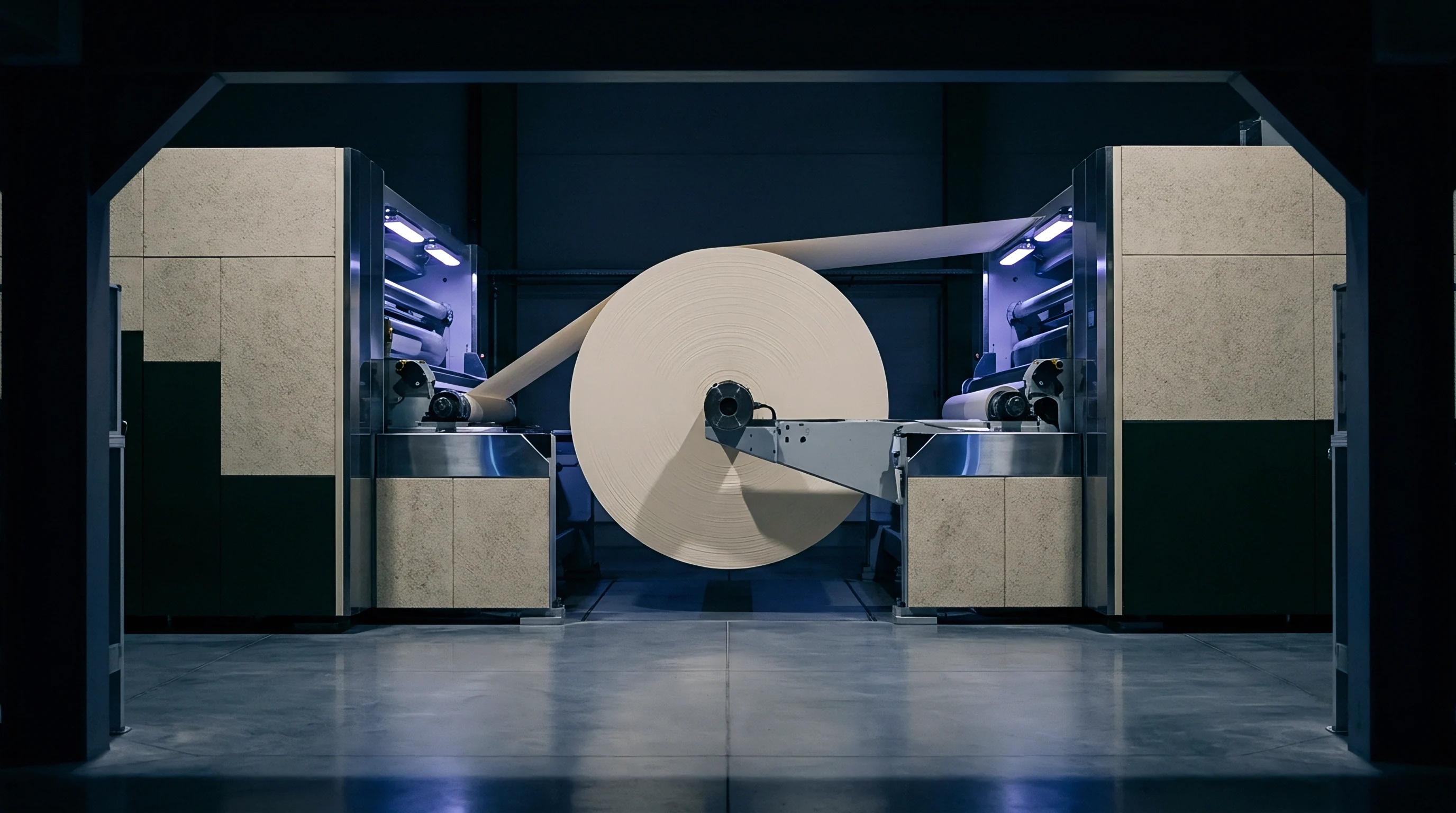
A maximum bubble pressure tensiometer measuring fluid squeezed from a ream of 80 grams per square meter Eucalyptus globulus offset paper records a liquid-vapor surface tension drop from 72.8 millinewtons per meter to 38.4 millinewtons per meter inside 15 milliseconds of surface generation. This rapid reduction demonstrates how mobile chemical species alter the energetic interface of aqueous fluids during high-speed fluid application. Unbleached and bleached kraft processes introduce processing additives that remain bound within the fiber matrix or linger in the white water circuit.
Washing aids, defoamers, and deinking agents added during washing and bleaching cycles manage foam and pitch accumulation, yet leave active residues. Alkylphenol ethoxylates, fatty alcohol ethoxylates, and silicone glycol copolymers represent the primary surface-active agents retained in the wet web. When white water closure increases dissolved organic loads, these active compounds accumulate in the sheet, creating an unstable energetic profile across the exterior fiber faces.
Bleached hardwood furnishes carry higher concentrations of short fibers and ray parenchyma cells than softwood furnishes. The elevated proportion of parenchyma cells in hardwood species creates a storage site for residual wood extractives, including resin acids, fatty acids, and sterols. When processing additives interact with these native extractives, low-molecular-weight surface-active complexes form within the capillary network.
Native resin soaps desorb readily in neutral to alkaline papermaking conditions, moving freely through the free water phase during sheet consolidation.

Chemical Auxiliaries and Surfactant Residues
Unbound surface-active molecules migrate through wet fiber networks based on molecular weight, hydrophilic-lipophilic balance, and local thermodynamic gradients. Synthetic defoamers based on alkoxylated fatty alcohols reduce surface tension at liquid-air boundaries during stock prep, yet their residual presence in the finished sheet lowers liquid-vapor surface energy during millisecond wetting events.
- Ethoxylated fatty alcohols lower short-timescale liquid-vapor tension rapidly, causing severe ink drop spreading and feathering on uncoated paper surfaces during high-speed jetting operations.
- Silicone polyether defoamers accumulate at microscopic fiber intersections, generating localized low-energy zones that disrupt film formation during flexographic liquid coating applications.
- Alkylphenol ethoxylate residues alter equilibrium contact angles across short hardwood fibers, accelerating fluid strike-through and diminishing color density in process printing.
- Sodium lignosulfonate complexes desorb slowly from cell walls, destabilizing the dynamic surface tension profile over extended fluid contact intervals.

Hardwood Fiber Morphology and Extractive Partitioning
Fibre morphology governs the volumetric distribution of residual chemicals within the sheet matrix. Eucalyptus, birch, and maple furnishes feature fiber lengths ranging from 0.8 to 1.3 millimeters, creating a dense, fine-pored network with high specific surface area. Native ray parenchyma cells represent up to 15 percent of total volume in Eucalyptus globulus sheets, acting as reservoirs for non-polar lipophilic extractives.
During mechanical pressing, pore fluid containing dissolved amphiphilic compounds flows toward the sheet surfaces, concentrating active molecules at the immediate boundary layer where subsequent liquid contact occurs.
Residual surfactant concentrations as low as 0.05 milligrams per square meter cause measurable dynamic surface tension depression during millisecond liquid application.
Although chemical addition rates may remain fixed within nominal mill tolerances, closed water loops steadily concentrate surface-active trace compounds on specific paper machine runs.

Pore
Capillary dimensions within short-fiber sheets dictate the rate of liquid imbibition according to Lucas-Washburn kinetics. Hardwood furnishes form consolidated structures with average pore radii between 1.2 and 3.5 micrometers, compared to the 5.0 to 8.0 micrometer pores typical of long-fiber softwood stock. Small pore radii increase capillary pressure, forcing aqueous liquids to penetrate the substrate rapidly if liquid-vapor surface tension remains high.
Surfactants residing within the pore channels dissolve into the advancing liquid front, depressing liquid surface tension dynamically as penetration proceeds.
Sorption kinetics govern fluid movement during the initial milliseconds after droplet contact. When an aqueous droplet strikes the paper surface, surfactant molecules migrate from the sheet interface into the liquid volume, lowering the surface tension from the pure water value toward an equilibrium value. This transient state demands precise measurement of short-timescale liquid-vapor surface tension rather than static contact angle determinations.
Capillary Network Structure in Short-Fiber Hardwoods
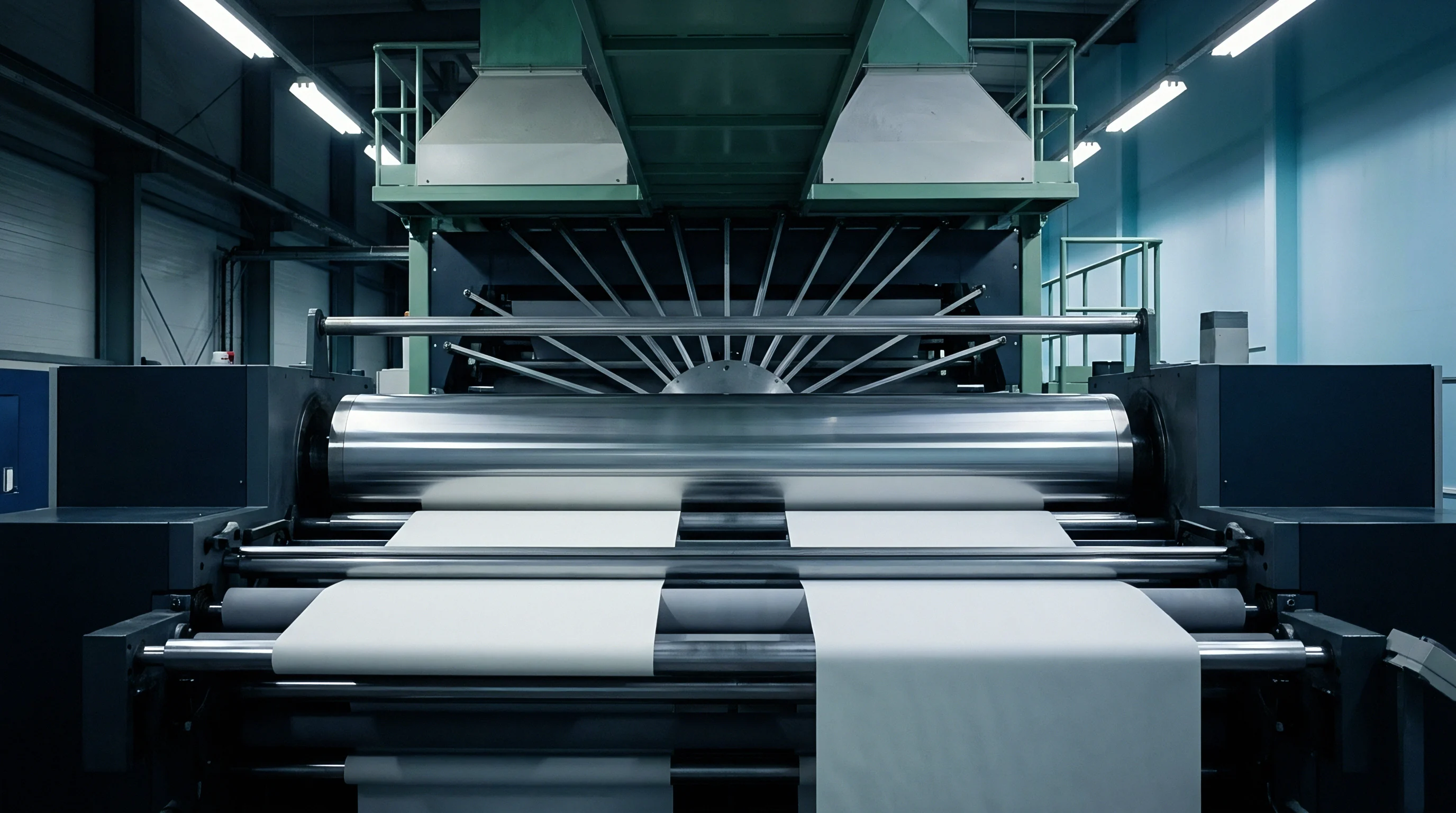
Short fiber geometries generate tight, tortuous pore architectures that resist rapid mass transfer of bulk liquids while accelerating micro-capillary flow. In Eucalyptus and birch sheets, high packing density creates an extensive interfacial surface area per unit volume. Surfactant molecules adsorb to hydroxyl sites on cellulose microfibrils, forming oriented monolayers with hydrophobic tails directed outward into the pore void.
Liquid entering these voids encounters an altered interfacial energy profile, modifying the thermodynamic driving force for wetting.

Dynamic Surface Tension Decay and Wettability Kinetics
Dynamic surface tension decays rapidly as surfactant molecules diffuse to newly generated liquid-vapor boundaries. At surface ages below 20 milliseconds, pure water maintains a surface tension of 72.8 millinewtons per meter at 23 degrees Celsius. The presence of mobile surface-active agents in the hardwood sheet causes this value to plummet to 45 millinewtons per meter or lower within the same timeframe.
| Hardwood Furnish Blend | Extractable Surfactant (mg/m²) | Tension at 10 ms (mN/m) | Tension at 100 ms (mN/m) | Tension at 1000 ms (mN/m) | Equilibrium Tension (mN/m) |
|---|---|---|---|---|---|
| 100% Eucalyptus globulus | 0.12 | 68.4 | 52.1 | 41.3 | 36.2 |
| 80% Eucalyptus / 20% Birch | 0.08 | 70.1 | 58.4 | 46.8 | 39.5 |
| 60% Maple / 40% Birch | 0.04 | 71.5 | 64.2 | 54.1 | 44.0 |
| 100% Bleached Birch Kraft | 0.15 | 65.2 | 48.0 | 38.9 | 34.1 |
Because sizing agents reorient during hot drying and short-fiber webs concentrate surface-active species, pore tortuosity delays fluid equilibrium while dynamic surface tension dictates how far ink droplets spread.
When capillary absorption speeds exceed the surfactant diffusion rate, fluid penetration proceeds under near-pure-water tension conditions, whereas slow absorption allows surfactant saturation of the wetting front, collapsing surface tension and triggering lateral bleed. In high-speed converting, this kinetic race determines edge sharpness and dot gain stability.
High web density amplifies micro-capillary flow rate variances across local fiber density gradients.
Gradient
Thermal evaporation during press cylinder drying drives soluble chemical species toward sheet surfaces. Water vapor moves outward through the sheet pore space, carrying dissolved low-molecular-weight compounds toward the evaporating surface layers. As moisture evaporates at the sheet surface, surfactant concentration in the remaining boundary liquid increases, creating a steep concentration gradient between the internal fiber matrix and the exterior web surfaces.
This evaporative mass transport redistributes both added synthetic chemicals and native wood extractives. High drying temperatures accelerate liquid flow toward the web faces, depositing hydrophobic or amphiphilic compounds directly on top layer fibers. Subsequent moisture conditioning redistributes these compounds slightly, but the enriched surface layer remains intact on the final wound reel.
Evaporative Transport during Web Drying
Drying profiles on modern multi-cylinder paper machines subject the wet web to rapid thermal transients. In the early drying sections, cylinder temperatures exceeding 110 degrees Celsius induce vapor pressure differentials that force pore water outward. Dissolved non-ionic surfactants travel along these hydraulic gradients.
- Free water carries dissolved surface-active agents through consolidated inter-fiber pores toward the heated cylinder interface.
- Intense thermal evaporation at the paper surface removes pure water vapor, leaving concentrated surfactant molecules behind on exterior fiber walls.
- Concentration gradients force a fraction of the surface-bound surfactants to diffuse back into the damp sheet interior during open draw transfers.
- Final moisture removal in the cylinder drying stack locks the migrated surfactant molecules into an oriented monolayer across top-side fibers.
- Reel cooling and ambient moisture equalization fix the surface energetic distribution prior to slit-winding operations.
Storage Conditioning and Surface Concentration Drift
Storage conditions inside unconditioned converting warehouses alter the spatial distribution of surfactants within wound paper rolls. Thermal energy and residual roll moisture facilitate slow solid-state diffusion of amphiphilic species along fiber surfaces over weeks of storage. Surface active agents migrate from internal fiber walls to air-fiber interfaces to minimize total sheet surface free energy.
A paper reel stored at 30 degrees Celsius for 28 days exhibits a 14 percent drop in 50-millisecond surface tension compared to its off-machine baseline test result.
Elevated substrate temperatures during unconditioned storage accelerate surfactant desorption and boundary film formation, shifting surface properties over time.
How far does ambient temperature elevated above 35 degrees Celsius accelerate surfactant monolayer crystallization on high-density Eucalyptus sheets during trans-equatorial maritime freight transport?


Bubble
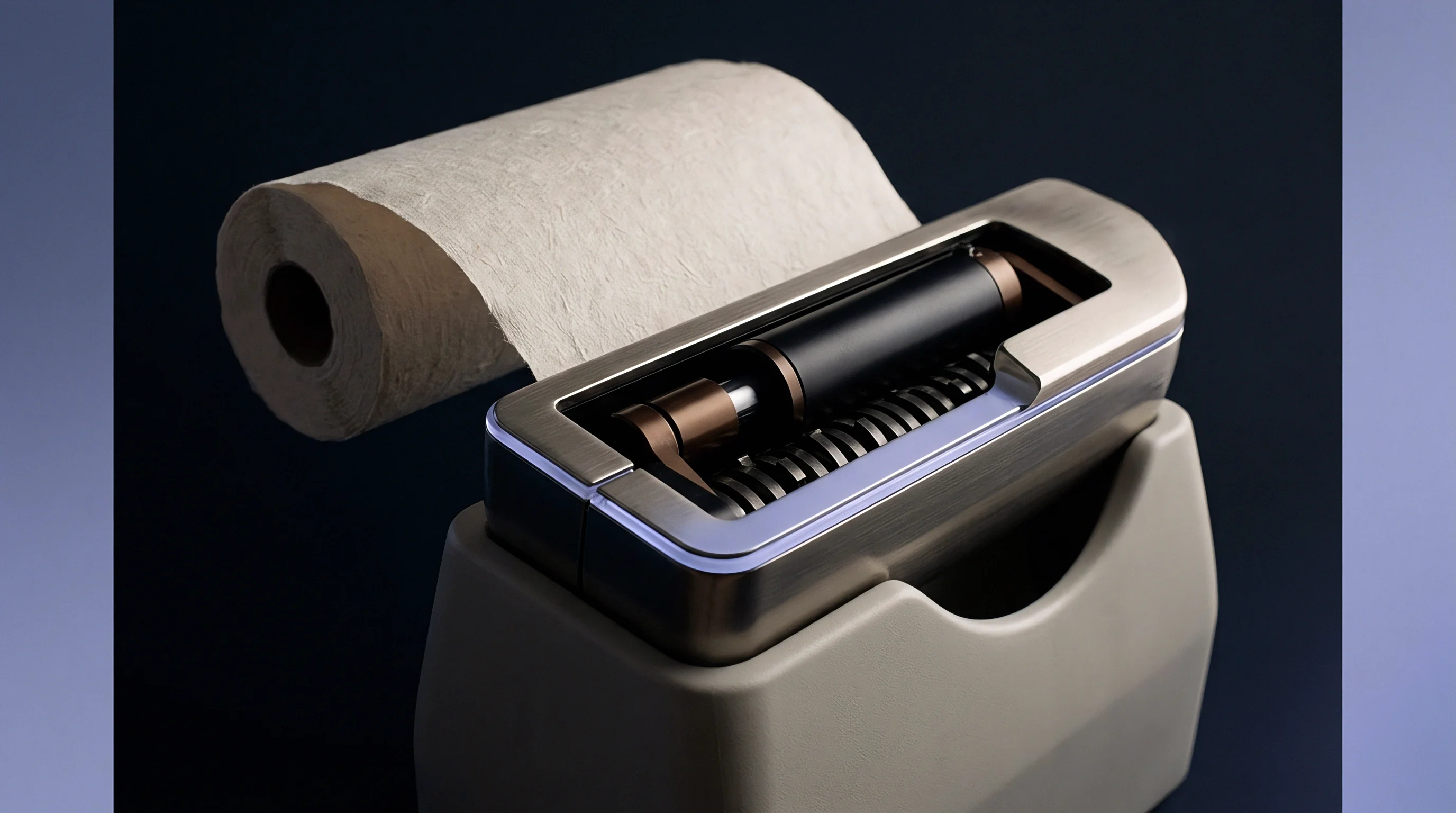
Maximum bubble pressure tensiometry measures the dynamic surface tension of liquid extracts extracted from paper stock across surface ages ranging from 1 millisecond to several seconds. An orifice submerged in the liquid extract forms bubbles at controlled gas flow rates, and the peak pressure measured immediately before bubble burst correlates directly to the surface tension at that precise surface age. This method isolates short-timescale surface tension kinetics that static Wilhelmy plate or sessile drop techniques fail to register.
Standard testing under ISO 187 requires paper sample conditioning at 23 degrees Celsius and 50 percent relative humidity before extraction. Water extraction performed at controlled liquid-to-solid mass ratios yields solutions containing the mobile surface-active fraction of the substrate. Tensiometric profiles of these extracts reveal the presence of fast-acting versus slow-acting surfactant species based on the slope of the surface tension decay curve.
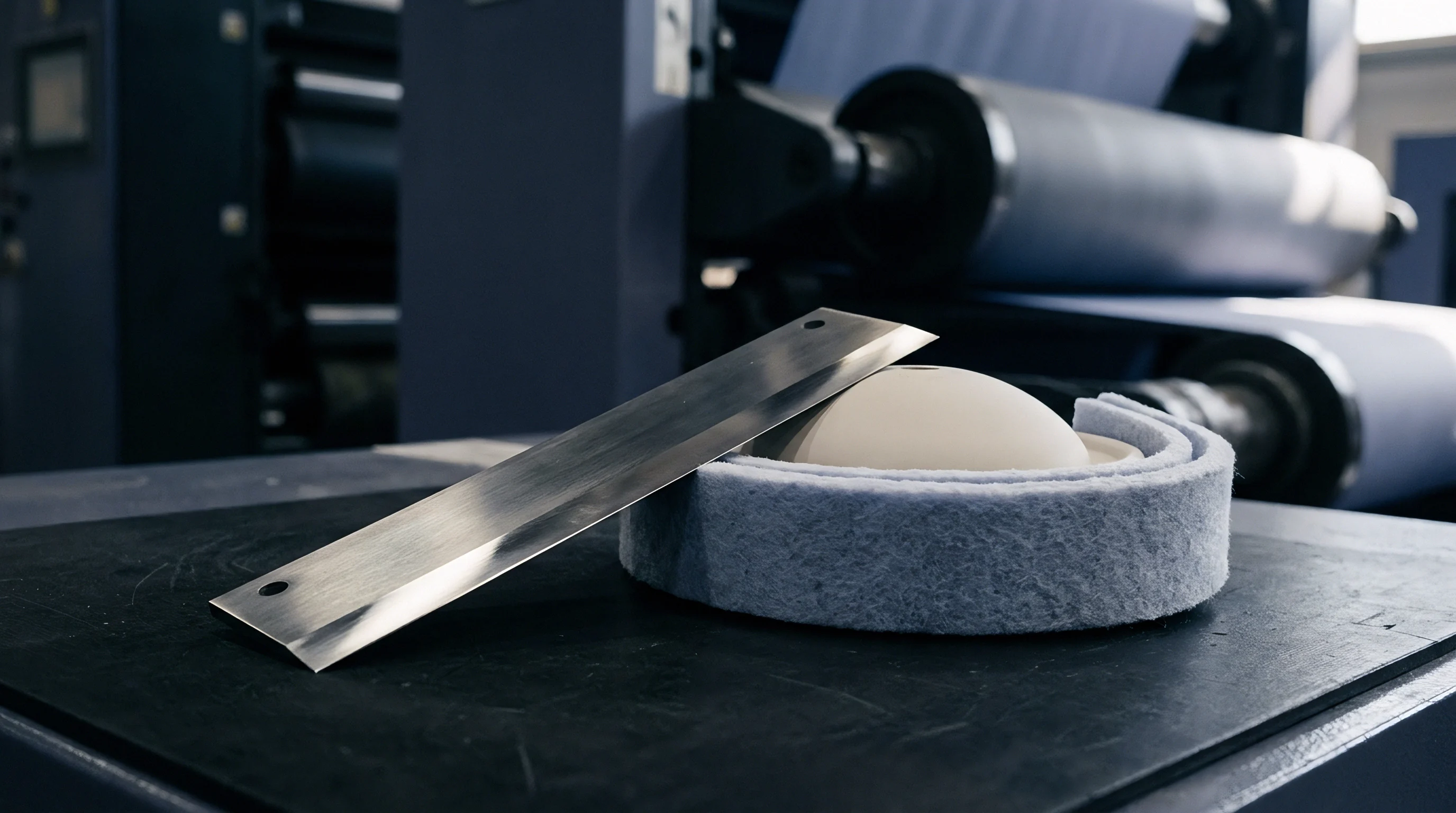
Maximum Bubble Pressure Tensiometry in Stock Testing
Measuring dynamic surface tension via bubble pressure instruments provides precise quantitative data on surfactant activity at high surface creation speeds. At bubble lifetimes below 20 milliseconds, the measured surface tension reflects the performance of ink jet drops striking a dry substrate surface. Rapid decay curves indicate a high concentration of mobile, low-molecular-weight surfactants that jeopardize print fidelity.
| Paper Grade Designation | Grammage (g/m²) | Pulp Furnish Composition | TAPPI T 458 Contact Angle at 0.1 s (°) | Dynamic Tension at 20 ms (mN/m) | Cobb 60 Water Value (g/m²) |
|---|---|---|---|---|---|
| Grade A Uncoated Offset | 80 | 100% Bleached Eucalyptus | 82 | 44.1 | 22.5 |
| Grade B High-Bright Offset | 90 | 70% Birch / 30% Maple | 94 | 58.3 | 18.2 |
| Grade C Premium Jet Printing | 100 | 80% Eucalyptus / 20% Softwood | 108 | 67.2 | 14.1 |
| Grade D Recycled Hardwood Blend | 80 | 60% Deinked / 40% Eucalyptus | 68 | 36.8 | 28.4 |
What Dynamic Time Window Dominates Aqueous Ink Absorption on Short Hardwood Fibers?
Aqueous ink jet droplets interact with uncoated paper stock within a surface age frame of 2 to 50 milliseconds post-impact. During this fleeting window, the drop spreads laterally under inertia and capillary forces while liquid penetrates into the pore matrix. If residual surfactants depress the liquid surface tension below 45 millinewtons per meter within 10 milliseconds, the droplet boundary line becomes unstable, causing uncontrolled spreading into adjacent pore channels.
Contractual specifications referencing TAPPI T 458 static contact angles fail to catch high-speed wetting failures caused by surfactant migration.
Under ISO 17025 accredited laboratory test procedures, mill certificate specifications that set static water contact angles above 90 degrees do not guarantee resistance to surfactant-induced ink feathering during high-speed printing. Converting agreements incorporating dynamic surface tension thresholds measured at 20 milliseconds assign immediate financial liability to the mill when surfactant carryover depresses tension below agreed operational limits.

Headroom
Converting operations require precise control over liquid-substrate wetting dynamics to prevent registration shifts, ink bleed, and coating delamination. High-speed aqueous ink jet presses apply thousands of picoliter drops per second at web speeds exceeding 300 meters per minute. At these speeds, ink droplet spreading depends entirely on short-timescale surface energy interactions rather than equilibrium contact angles.
When surfactant migration creates localized hydrophobic or ultra-hydrophilic domains on hardwood paper surfaces, ink droplets show irregular boundary pinning. Hydrophobic surfactant patches resist drop spreading, producing micro-white spots and poor optical density, whereas surfactant-rich zones induce rapid liquid spreading that leads to dot distortion and cross-color bleeding.

Aqueous Ink Jetting and Boundary Pinning Failures
Droplet impact dynamics on high-speed jetting lines require surface tension stability to achieve target dot gain. Surfactant molecules migrating from internal hardwood parenchyma cells accumulate unevenly across the web surface, creating microscopic energetic gradients. As aqueous ink contacts these regions, local surface tension drops destabilize the triple contact line of the spreading drop.
As surfactant accumulation lowers surface tension, dynamic tension dictates droplet spreading in the first milliseconds after impact, while surface energy heterogeneity produces visual mottle.
Flexographic Coalescence and Coating Adhesion Headroom
Flexographic printing and aqueous functional barrier coating require consistent substrate surface energy to ensure wet film leveling and dry adhesion. Surfactant migration toward the sheet surface reduces the polar surface energy component of the hardwood stock, lowering the total substrate surface energy from 44 dynes per centimeter to less than 32 dynes per centimeter. Water-borne flexographic inks applied over these low-energy zones exhibit severe reticulation, crawling, and poor rub resistance.
- Verify dynamic surface tension decay rates at 20 milliseconds on incoming mill lots using maximum bubble pressure tensiometers to identify contaminated batches prior to press loading.
- Reject paper reels exhibiting static-to-dynamic surface tension drops greater than 20 millinewtons per meter between 1000 milliseconds and 10 milliseconds.
- Adjust web pre-heating zones on printing lines to avoid thermal activation of residual surfactants locked within internal fiber layers during fast converting runs.
- Specify maximum extractable non-ionic surfactant levels in raw material purchasing agreements to control chemical carryover from pulp washing circuits.
Substrate lots exhibiting variable dynamic tension decay profiles generate inconsistent ink film coalescence across high-speed press runs.
Ignoring surfactant migration mechanisms during raw stock qualification leads directly to systematic print defect rates, high spoilage volumes, and invalidated press performance guarantees.
Settlement
Commercial resolution of substrate defect claims relies on quantitative proof of material non-conformance. When surfactant migration compromises dynamic surface tension, converting spoilage increases, press throughput drops, and delivered pack performance degrades. Establishing financial liability requires tracing dynamic surface tension failures directly back to mill-side chemical management practices and pulp washing parameters.
To quantify the commercial impact, consider a worked example involving a 50-tonne packaging job printed on an 80 grams per square meter Eucalyptus globulus offset paper stock using high-speed aqueous ink jet equipment. Assume a baseline paper purchase price of 1,200 USD per tonne landed, representing a raw material substrate investment of 60,000 USD. Under standard running conditions with pristine hardwood stock, expected web spoilage stays within a 2.0 percent allowance, amounting to 1.0 tonne or 1,200 USD in substrate loss.
Worked Economics of Surfactant Induced Spoilage
When a contaminated substrate lot carrying 0.14 milligrams per square meter of residual fatty alcohol ethoxylates enters production, short-timescale surface tension drops to 37.5 millinewtons per meter at 20 milliseconds. The press experiences dot feathering, severe line broadening, and mottling in heavy coverage areas, forcing a speed reduction from 250 meters per minute down to 140 meters per minute to allow ink drying and limit lateral bleed.
Lowering press speed increases machine operating costs per unit output. Furthermore, print defect rates rise to 8.5 percent, resulting in 4.25 tonnes of spoiled paper stock and an immediate raw material loss of 5,100 USD. Additional press operating time adds 12 hours of press room labor and overhead charged at 250 USD per hour, incurring an extra 3,000 USD in direct conversion cost.
Total job spoilage and inefficiency costs escalate from a budgeted 1,200 USD to a final sum of 8,100 USD, reducing net job margin by 6,900 USD on a single 50-tonne order.
| Operational Parameter | Baseline Pristine Stock | Contaminated Stock (High Migration) | Variance / Financial Penalty |
|---|---|---|---|
| Dynamic Tension at 20 ms (mN/m) | 64.5 | 37.5 | -27.0 mN/m |
| Average Web Speed (m/min) | 250 | 140 | -44.0 % speed drop |
| Substrate Spoilage Rate (%) | 2.0 % | 8.5 % | +6.5 % spoilage increase |
| Substrate Spoilage Cost (USD) | 1,200 | 5,100 | +3,900 USD waste |
| Press Operating Time (Hours) | 16.0 | 28.0 | +12.0 hours press time |
| Conversion Overhead Cost (USD) | 4,000 | 7,000 | +3,000 USD overhead |
| Total Landed Substrate Cost / 1,000 Sheets (USD) | 48.00 | 53.52 | +11.5 % cost per unit |
Substrate yield arithmetic demonstrates that unmonitored chemical additives erode press profitability rapidly. Converting facilities that integrate maximum bubble pressure tensiometry into standard goods-in inspection protocols isolate high-risk reels before print execution, establishing grounds for material rejection under commercial purchase contracts that specify dynamic surface tension limits.
Mill sourcing agreements that include explicit dynamic surface tension tolerances safeguard converter margins by aligning raw material parameters with the physical speed limits of modern printing equipment.