Surface Tension
Synthetic nonionic surfactants work by modifying the liquid interface during the production of aqueous coatings or cleaning agents. Fatty alcohol ethoxylates reduce the energy required to wet solid substrates like paper or plastic films. Molecules of this class contain a hydrophobic tail derived from fatty alcohols coupled with a hydrophilic polyoxyethylene chain.
Variations in the length of these two components adjust the solubility and the foaming behavior of the final solution. The substance remains stable across a range of temperatures which keeps the wetting action consistent during industrial high-speed coating operations.
Performance Metric
Formulators choose specific chain lengths to control the hydrophile-lipophile balance within a coating formulation. High degrees of ethoxylation increase water solubility and prevent oil separation in storage. Short chain structures facilitate rapid surface wetting that prevents streaks on coated substrates.
Laboratory testing determines the cloud point where the solution turns opaque as the ether groups lose their affinity for water. Correct selection prevents issues with film continuity and ink adhesion during the printing phase.
Application Threshold
Manufacturing facilities regulate the concentration of these additives to maintain the required viscosity for roller coaters or spray nozzles. Excessive dosing creates unstable foam that leaves pinholes in dried layers of varnish or adhesive. Operators monitor the surface tension of the bath throughout the shift to ensure the coating remains within the tolerance range defined by the technical sheet.
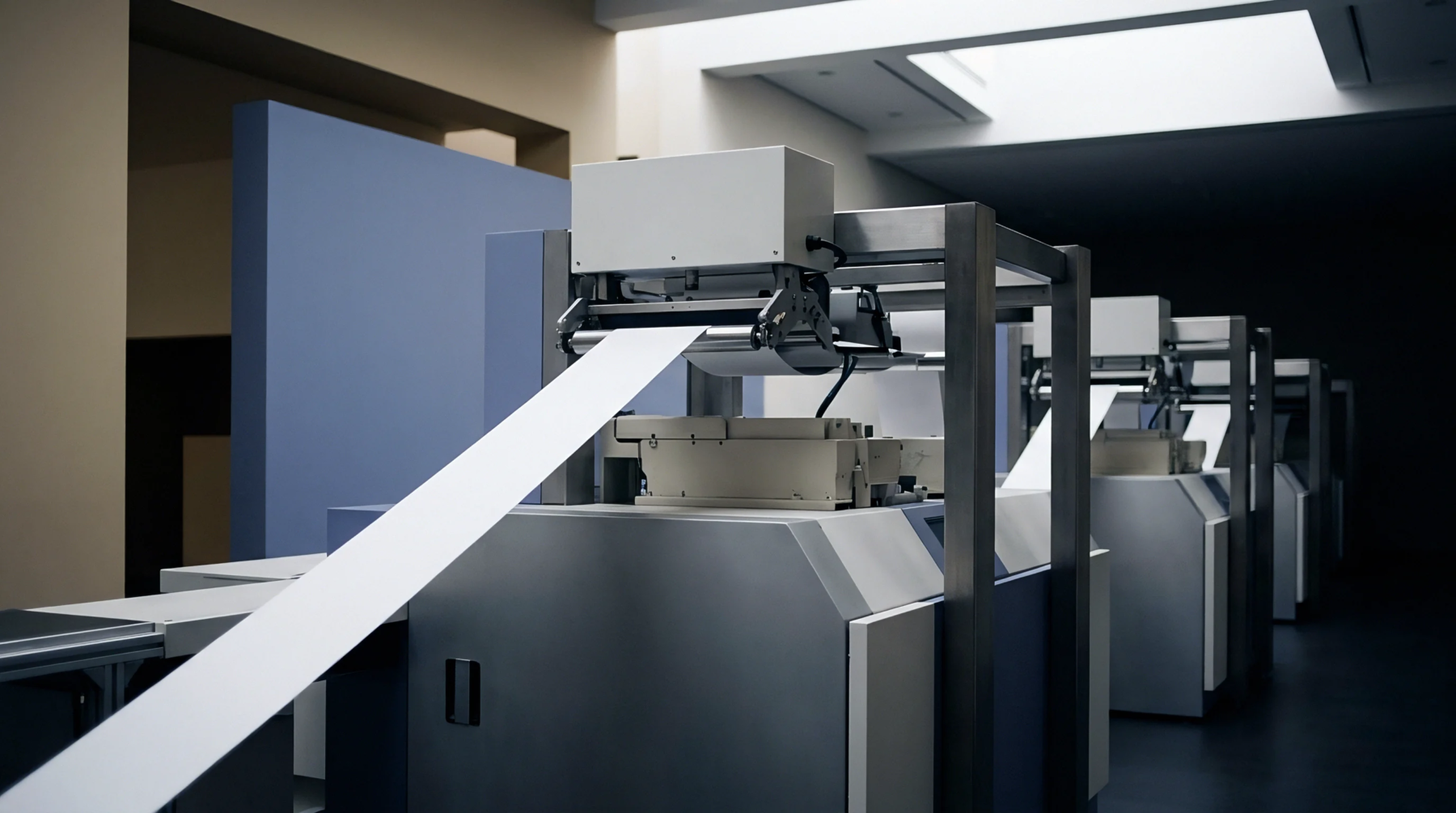
Consistent maintenance of this chemistry prevents inconsistent surface energy across the web of paper or film during production runs.