Thermodynamic Wetting and Surface Free Energy in Polyolefin Lamination
Thermodynamic wetting in polyolefin lamination demands substrate polar surface energy above 6.0 mN/m to achieve complete adhesive spreading and bond durability.

Tension
Polyolefin films like biaxially oriented polypropylene and low-density polyethylene have non-polar, hydrophobic surface characteristics that inherently resist adhesive attachment. Thermodynamic wetting governs the initial phase of lamination, determining whether a liquid adhesive spreads smoothly across the solid film or beads into discrete droplets ~ a boundary behavior that directly drives bond performance. When a liquid adhesive contacts a polymer surface, the balance of intermolecular forces defines the contact angle formed at the three-phase boundary where solid, liquid, and gas intersect.
The total thermodynamic energy of a clean polyolefin surface comes almost entirely from non-polar London dispersion forces. Because their hydrocarbon backbones lack polar functional groups, untreated polyolefins cannot participate in hydrogen bonding or dipole-dipole interactions and naturally resist polar adhesives. Standard extruded polypropylene displays a total surface free energy between 29 and 31 millinewtons per meter, with a polar component approaching zero millinewtons per meter.
By contrast, water-borne acrylic adhesives and two-component polyurethane formulations typically exhibit liquid surface tensions ranging from 35 to 45 millinewtons per meter. Applying a liquid with high surface tension to a low-energy solid creates an unfavorable thermodynamic gradient, preventing spontaneous wetting and leading to catastrophic bond failure under mechanical stress.
Spontaneous wetting occurs only when the liquid spreading coefficient is positive or zero. Calculating this coefficient means comparing the solid substrate’s surface energy against the sum of the liquid adhesive’s surface tension and the interfacial tension between the two phases. To lower interfacial tension, the surface energy components of the adhesive formulation must match those of the polyolefin substrate.
Achieving complete, intimate contact ultimately requires active modification of the polyolefin boundary layer through physical or chemical treatment.

Thermodynamic Fundamentals of Polymer Surface Energy
Interfacial attraction between a liquid adhesive and a solid polyolefin substrate depends on intermolecular forces acting directly across the contact plane. The classic Young-Dupré equation establishes the equilibrium relationship between solid surface energy, liquid surface tension, solid-liquid interfacial tension, and the equilibrium contact angle ~ stating that solid surface energy equals interfacial tension plus liquid surface tension multiplied by the cosine of the contact angle. Complete wetting demands a contact angle of zero degrees, where the cosine reaches unity.
Contact angle values above zero degrees indicate incomplete thermodynamic wetting, leaving microscopic air pockets trapped at the polyolefin interface. These trapped pockets act as stress concentrators during flexural or tensile testing. As mechanical loads pass through the laminated assembly, the unbonded micro-voids initiate interfacial delamination channels, making the static contact angle a direct indicator of surface cleanliness, clean high-energy state, and overall thermodynamic readiness for downstream converting passes.
Measuring contact angles with multiple diagnostic liquids allows engineers to split total surface free energy into distinct thermodynamic components. Acid-base interactions, dipole forces, and dispersion interactions contribute unequally to the total surface energy of modified polyolefins. High dispersive values alone cannot guarantee long-term adhesion if the adhesive system relies on polar hydroxyl or carboxyl cross-linking chemistry.
Converting lines running at high web speeds depend on reaching rapid thermodynamic equilibrium before the adhesive enters the curing nip.
Owens-Wendt-Rabel-Kaelble Surface Energy Component Separation
Dividing interfacial attraction into dispersive and polar vectors isolates the specific physical forces governing liquid wetting. The Owens-Wendt-Rabel-Kaelble approach models total surface energy as the sum of a dispersive component (van der Waals interactions) and a polar component (dipole and hydrogen bonding capability). Measuring contact angles of at least two liquids with known polar and dispersive values ~ typically probe liquids like deionized water and diiodomethane ~ enables the calculation of these individual vectors on polyolefin substrates.
Diiodomethane acts as a purely dispersive probe liquid with a surface tension of 50.8 millinewtons per meter and zero polar contribution; contact angle data gathered from diiodomethane droplets thus isolate the substrate’s dispersive component. Deionized water presents a total surface tension of 72.8 millinewtons per meter, comprising a dispersive component of 21.8 millinewtons per meter and a polar component of 51.0 millinewtons per meter. Solving the resulting system of linear equations yields the exact thermodynamic profile of the film surface.
| Substrate | Treatment State | Total Surface Energy (mN/m) | Dispersive Component (mN/m) | Polar Component (mN/m) | Water Contact Angle (deg) |
|---|---|---|---|---|---|
| BOPP Film (20 µm) | Untreated Mill Roll | 30.2 | 30.0 | 0.2 | 102.5 |
| BOPP Film (20 µm) | Corona Treated (50 W min/m²) | 42.5 | 34.1 | 8.4 | 68.3 |
| BOPP Film (20 µm) | Flame Treated (Air-Gas 11:1) | 46.1 | 33.8 | 12.3 | 59.1 |
| LLDPE Film (40 µm) | Untreated Mill Roll | 31.5 | 31.2 | 0.3 | 98.4 |
| LLDPE Film (40 µm) | Corona Treated (40 W min/m²) | 41.8 | 33.5 | 8.3 | 71.2 |
| CPP Film (30 µm) | Flame Treated (Air-Gas 10.8:1) | 44.8 | 34.0 | 10.8 | 62.4 |
Data derived from Owens-Wendt-Rabel-Kaelble calculations reveal that corona and flame treatments elevate the total surface energy of polyolefins primarily by introducing polar functionality. The dispersive component increases slightly from 30.0 millinewtons per meter to roughly 34.0 millinewtons per meter due to physical surface roughening and cross-linking, while the polar component rises dramatically from near zero to values exceeding 8.0 millinewtons per meter. This sharp increase in polar energy allows hydroxyl-terminated polyurethane adhesives to form strong interfacial bonds.
Selecting film stocks with high initial polar fractions helps preserve bond strength across extended storage windows.

Discharge
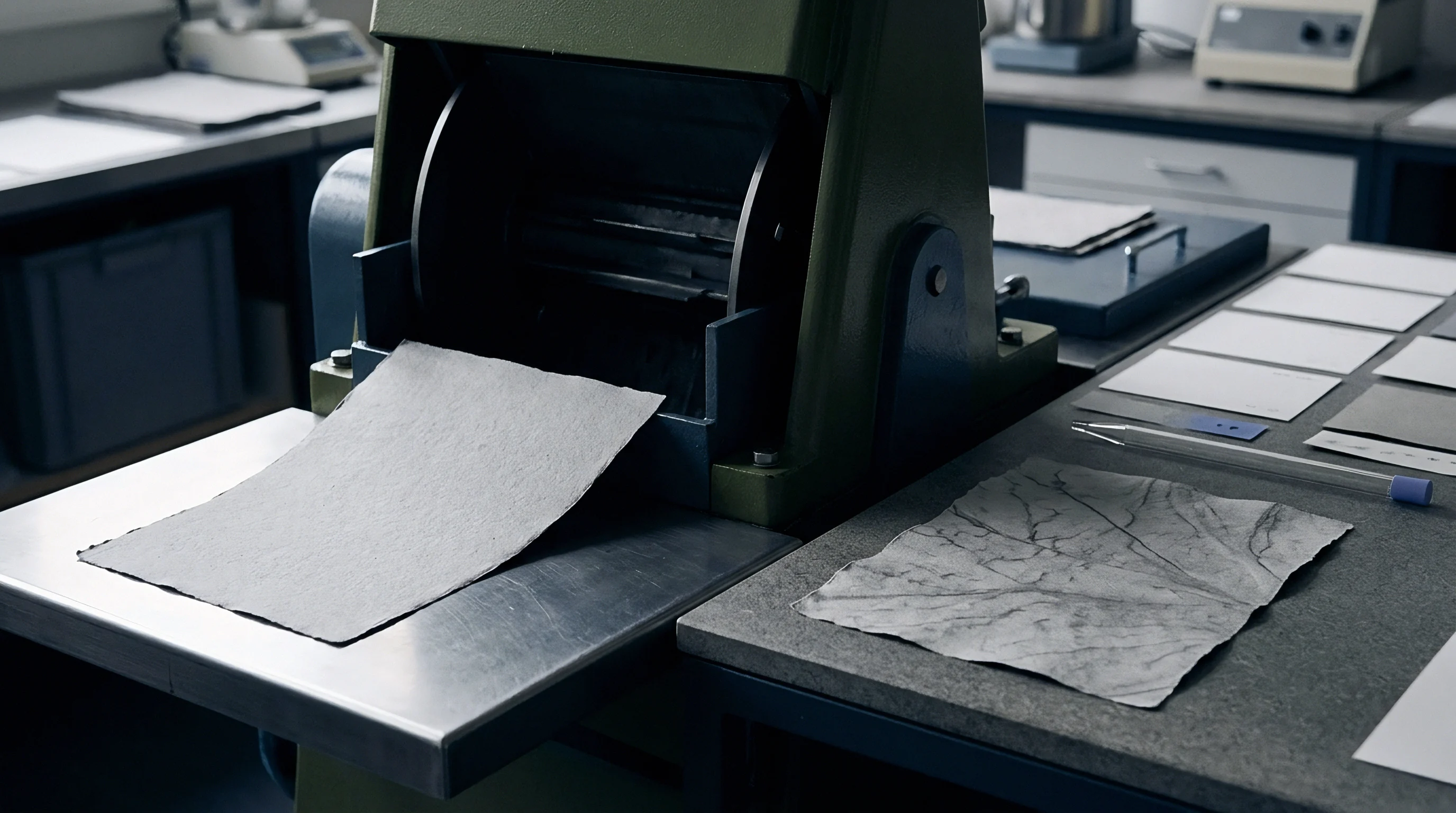
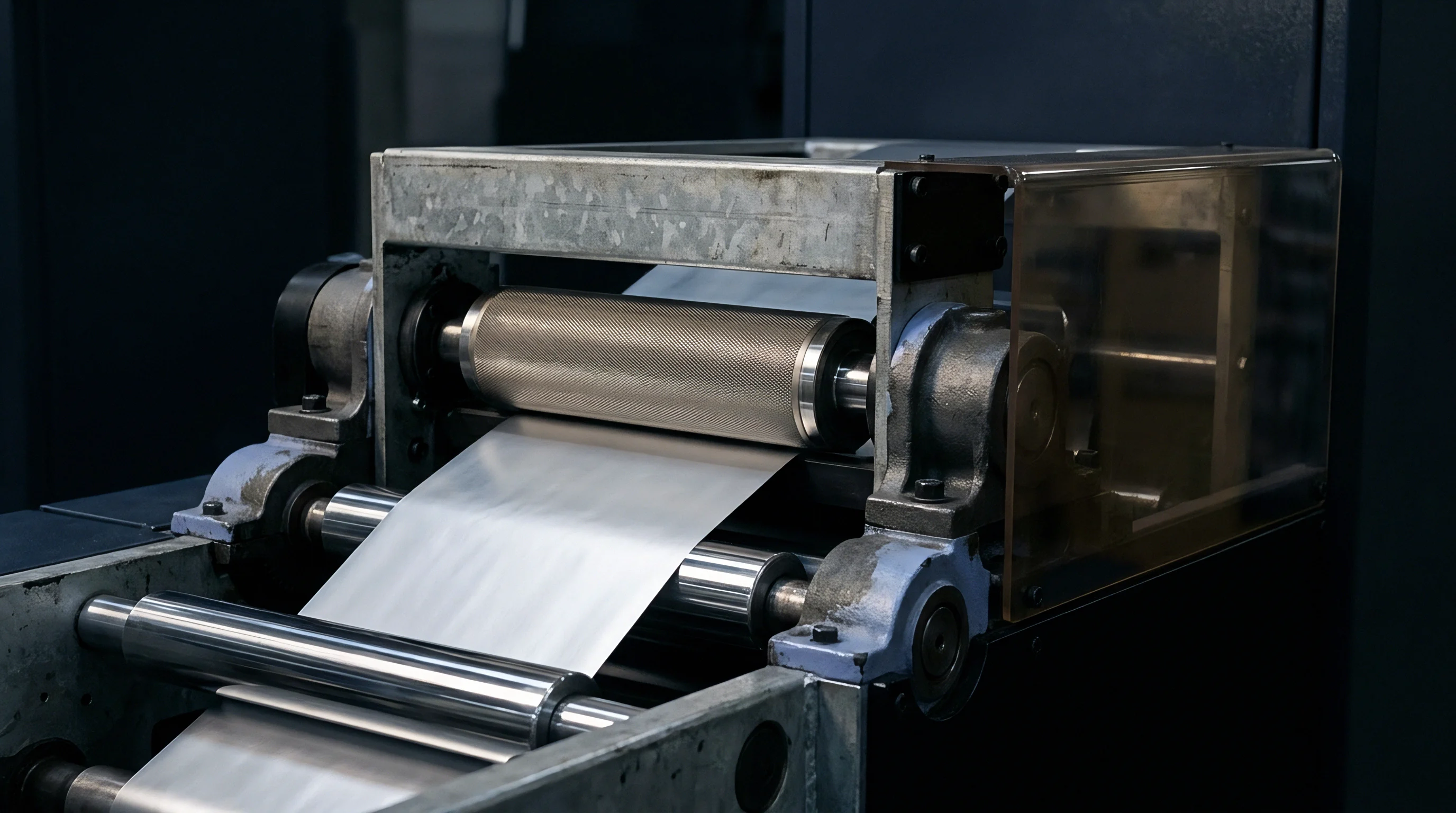
Industrial surface activation of polyolefin webs relies on high-voltage atmospheric oxidation or direct gas flame exposure. Because extruded polyolefin films exhibit non-polar, low-energy surfaces that resist direct chemical bonding with laminating adhesives, treatment is essential. Corona discharge systems generate a high-voltage electrical discharge across an air gap between a dielectric-coated roll and an electrode assembly.
This high-frequency discharge ionizes ambient air molecules, creating a localized plasma rich in ozone, atomic oxygen, and high-energy electron cascades.
Electrons within the discharge stream strike the moving polyolefin web with enough kinetic energy to cleave carbon-carbon and carbon-hydrogen bonds along the polymer backbone. Free radicals generated on the surface react rapidly with oxygen species in the plasma zone to form active functional groups. Corona discharge treatment modifies only the top molecular layers ~ penetrating depths between 5 and 10 nanometers ~ so the deeper structural properties of the polyolefin substrate remain unaffected by the surface oxidation pass.
Flame treatment offers an alternative chemical oxidation route for thick polyolefin webs or high-speed converting lines. Gas burner systems combust a controlled mixture of natural gas or propane with compressed air, directing a uniform flame front onto the moving web. Thermal oxidation within the flame zone generates hydroxyl radicals that graft directly onto polyolefin chains.
Flame activation achieves higher thermal stability and deeper treatment uniformity than electric discharge methods, though gas consumption drives operational costs substantially higher.
Chemical Oxidation Mechanics of Polyolefin Webs
Bombarding a moving polymer sheet with energetic electrons generates free radicals along the hydrocarbon chain. Oxygen species immediately attach to these radical sites, grafting carboxyl, carbonyl, hydroxyl, and hydroperoxide functional groups onto the non-polar surface. Since polar forces govern wet adhesion, these hydroxyl and carboxyl groups provide active hydrogen bonding sites that interact directly with the isocyanate groups in polyurethane laminating adhesives.
X-ray photoelectron spectroscopy of treated polyolefin surfaces confirms a sharp increase in the atomic oxygen-to-carbon ratio following discharge exposure. Untreated polypropylene exhibits an oxygen-to-carbon ratio below 0.01, reflecting an unmodified hydrocarbon matrix. Flame or corona discharge raises this ratio to between 0.08 and 0.15, depending on the energy input applied per unit area.
Higher oxygen incorporation correlates directly with improved thermodynamic wetting and elevated dyne levels.
Excessive discharge watt density causes localized chain scission, producing low molecular weight oxidized material on the film surface. This degraded layer detaches easily under peel testing, causing lamination failure even when initial surface dyne measurements look high. Excessive energy density also risks dielectric breakdown, burning pinholes through thin-gauge polyolefin films.
Balancing generator energy density against line speed preserves mechanical film integrity while maximizing polar group grafting.

Is Corona Treatment Permanent on Polypropylene Film?
Surface energy levels induced by dielectric atmospheric oxidation decline during storage through hydrophobic recovery. Because polyolefin chains retain micro-Brownian mobility at temperatures above their glass transition point, internal chain rotation buries polar functional groups into the bulk polymer matrix over time while non-polar bulk chains rotate upward to the air interface to minimize surface free energy, causing treatment levels to decay.
ISO 8296 specifies dyne fluid verification at 23 degrees Celsius, where a two-degree elevation in liquid temperature decreases measured surface energy values by 1.2 millinewtons per meter.
Hydrophobic recovery accelerates when rolls are stored in high ambient temperatures. Storing treated biaxially oriented polypropylene rolls above 30 degrees Celsius drops surface energy from 44 dynes per centimeter down to 38 dynes per centimeter within 14 days. Ambient humidity further speeds decay, as moisture adsorb onto polar surface sites and facilitates chain mobility.
Film converters must factor this decay into converting schedules for stored raw materials.
In incoming quality audits of BOPP film shipments, inspection laboratories run static contact angle measurements across five points of the web width to establish treatment uniformity. Web width variations often reveal edge-to-center treatment gradients caused by uneven electrode gap spacing or localized thermal expansion of the dielectric sleeve. Fixing these disparities requires strict maintenance schedules for electrode cleanliness and regular verification of generator output wattage.
Surface activation failure modes encountered during high-speed polyolefin web converting include:
- Hydrophobic Recovery Aging caused by polymer chain rotation during extended roll storage prior to downstream lamination passes.
- Weak Boundary Layer Formation resulting from excessive watt density breaking polymer chains into soluble, low molecular weight oxidized fragments.
- Additive Blooming Interferences where migrating fatty acid amides form an unbonded crystalline layer over newly grafted polar sites.
- Rear-Side Pin-Curing Transfer occurring when web tension forces back-side corona exposure onto the silicone-coated impression roll, ruining heat-seal characteristics.
- Transverse Treatment Gradients stemming from thermal distortion of aluminum electrode segments across wide web converting machines.
Whether surface treatment decay during transit is the supplier’s responsibility or falls to the packaging line operator once rolls leave the factory floor remains a point of dispute.

Fluid
Adhesive formulations applied to polyolefin substrates must possess surface tension values significantly lower than the critical wetting value of the web. Liquid surface tension comprises dispersive and polar components that match the thermodynamic framework of the solid surface. Solvent-borne polyurethane adhesives utilize ethyl acetate or methyl ethyl ketone matrices that naturally exhibit low static surface tension, typically between 24 and 26 millinewtons per meter.
This low liquid surface tension allows solvent-based systems to wet modified polyolefins rapidly without needing added surfactant agents.
Solventless two-component polyurethane adhesives introduce distinct thermodynamic challenges on polyolefin laminating lines. These solvent-free resin formulations feature liquid surface tensions ranging from 38 to 44 millinewtons per meter at application temperatures of 40 to 60 degrees Celsius, requiring higher substrate dyne levels to establish positive spreading coefficients. Surfactants can lower adhesive surface tension, but excessive concentrations migrate to the cured interface, reducing final peel shear strength.
Water-borne acrylic adhesives present the highest thermodynamic barrier to polyolefin wetting. Pure water exhibits a surface tension of 72.8 millinewtons per meter, requiring substantial surfactant additions to pull liquid surface tension down into the working range of 30 to 35 millinewtons per meter. Dynamic surface tension plays a critical role in high-speed coating heads, where surfactant molecules must migrate to freshly created liquid-air interfaces within milliseconds to prevent reticulation and bead formation on the moving web.
Wetting Envelopes and Contact Angle Hysteresis
Constructing two-dimensional polar-dispersive plots shows whether a given adhesive will spread spontaneously across a modified polyolefin surface. A wetting envelope defines the specific boundary of polar and dispersive surface energy combinations that yield a zero-degree contact angle for a liquid phase. Plotting substrate surface properties inside the envelope coordinates confirms spontaneous liquid spreading, while coordinates falling outside indicate positive contact angles and incomplete wetting.
Polyurethane laminating adhesives achieve full polar spreading when the substrate polar surface energy component exceeds 6.5 millinewtons per meter at 25 degrees Celsius.
Contact angle hysteresis quantifies the difference between advancing and receding contact angles measured as a liquid droplet expands and contracts across a substrate. High hysteresis indicates physical surface roughness, chemical heterogeneity, or localized re-orientation of polar functional groups upon contact. Smooth, uniformly oxidized polyolefin films show low hysteresis values below 6 degrees, whereas values above 15 degrees signal uneven oxidation or localized additive contamination, pointing to unstable adhesive bond lines under dynamic load.
Dynamic wetting measurements record contact angle changes as a function of web speed and liquid viscosity. High dynamic contact angles cause liquid meniscus instability at the coating roll gap, entraining microscopic air bubbles into the wet adhesive layer. These micro-bubbles act as focal points for optical haze in clear film-to-film laminations and degrade barrier performance against water vapor transmission.
Adhesion Work Calculations across Solvent and Solventless Systems
The thermodynamic work required to separate a cured resin layer from a polyolefin base sheet quantifies ultimate bond integrity. The Dupre equation defines thermodynamic work of adhesion as the sum of substrate surface energy and adhesive surface tension minus interfacial tension. Calculating this work provides theoretical maximum bond strength figures, assuming pure interfacial failure without cohesive destruction of the polymer matrix or adhesive layer.
Executing a structured lamination protocol requires verifying interfacial parameters across sequential operational stages:
- Substrate Surface Activation where corona discharge units elevate polyolefin polar surface energy above 8.0 millinewtons per meter.
- Liquid Adhesive Dispensing where dynamic surface tension monitoring prevents surfactant depletion during continuous mixing.
- Nip Metering and Transfer where application roll pressure forces liquid phase into physical contact with film micro-topography.
- Solvent Evaporation and Drying where thermal ovens drive off carrier solvents without exceeding substrate thermal shrinkage thresholds.
- Interfacial Cross-Linking Cure where hydroxyl and isocyanate functional groups form chemical networks across the boundary plane.
Solvent-borne systems achieve high initial thermodynamic adhesion because organic solvents cause minor swelling of the polyolefin surface layer. Ethyl acetate penetration creates an interpenetrating polymer network right at the interface, boosting mechanical keying alongside chemical polar bonding. Solventless polyurethanes lack this swelling mechanism, relying entirely on secondary van der Waals forces, polar dipole interactions, and primary covalent bonding across the interface.
| Adhesive Chemistries | Total Surface Tension (mN/m) | Dispersive Component (mN/m) | Polar Component (mN/m) | Critical Wetting Dyne Minimum (mN/m) |
|---|---|---|---|---|
| Solvent-Based Polyurethane (15% Solids) | 25.4 | 23.8 | 1.6 | 36.0 |
| Solvent-Based Polyurethane (45% Solids) | 28.2 | 24.1 | 4.1 | 38.0 |
| Solventless Polyurethane 2-Component | 40.5 | 32.0 | 8.5 | 42.0 |
| Water-Borne Acrylic (Surfactant Modified) | 32.8 | 24.5 | 8.3 | 40.0 |
| UV-Curable Solventless Monomer Blend | 36.1 | 28.4 | 7.7 | 40.0 |
Measuring polar component retention weekly on aged master rolls stored at 20 degrees Celsius isolates the loss of thermodynamic work potential caused by internal film additive migration versus surface oxidation decay.
Whether high-speed solventless coaters can maintain complete interfacial wetting without inducing microscopic air entrapment at web speeds above 450 meters per minute remains an open question for converters running high-density barrier structures.

Resin
Polyolefin chemistry relies on long hydrocarbon chains with minimal functional oxygen groups, making raw film stock non-reactive. Polyethylene and polypropylene undergo melt extrusion into flexible packaging films, where molecular weight distribution, polymer density, and crystallinity directly shape surface energy characteristics. Highly crystalline polymers like cast polypropylene feature densely packed chains that restrict surface functional group mobility compared to more amorphous low-density polyethylene.
Biaxially oriented polypropylene films are mechanically stretched along longitudinal and transverse axes during manufacture. This orientation aligns polymer chains parallel to the film plane, increasing mechanical tensile strength and barrier performance. While alignment increases baseline surface dispersive energy, it restricts deep chemical penetration of reactive adhesives.
Low-density polyethylene, with its branched hydrocarbon structures, yields lower crystallinity and higher free volume, allowing easier surface rearrangement during corona exposure.
Resin producers add functional masterbatch additives during extrusion to improve processability and converting performance. Slip agents, anti-block additives, antioxidants, and static dissipators migrate throughout the polymer matrix, altering surface chemistry and often interfering with thermodynamic wetting during subsequent converting passes.

Slip Additive Migration and Blooming Kinetics
Fatty acid amides incorporated into polyolefin formulations during extrusion reduce the coefficient of friction required for high-speed converting. Primary amides like erucamide and oleamide possess low solubility within the semi-crystalline matrix, causing amide molecules to diffuse out of the bulk polymer toward the low-energy surface and form a thin crystalline boundary layer.
Higher storage temperatures accelerate slip additive migration to film surfaces, blinding active polar sites before liquid adhesive application.
Erucamide blooming alters surface thermodynamic properties within hours of extrusion. The hydrophobic hydrocarbon tail of the erucamide molecule projects outward toward the air interface, covering grafted polar oxygen groups produced by corona treatment. Dyne levels drop rapidly as surface coverage increases; measuring surface energy on bloomed film yields values matching pure fatty acid amides ~ typically 32 to 34 dynes per centimeter ~ regardless of prior discharge treatment intensity.
Tracking slip additive migration across elevated temperature storage cycles isolates bloom timing. Accelerated aging tests at 40 degrees Celsius reveal that high-density polyethylene films containing 1000 parts per million erucamide lose 6 dynes per centimeter of surface energy within 48 hours. Converting engineers must specify low-blooming amide alternatives or non-migrating secondary amides for films intended for high-bond laminations.
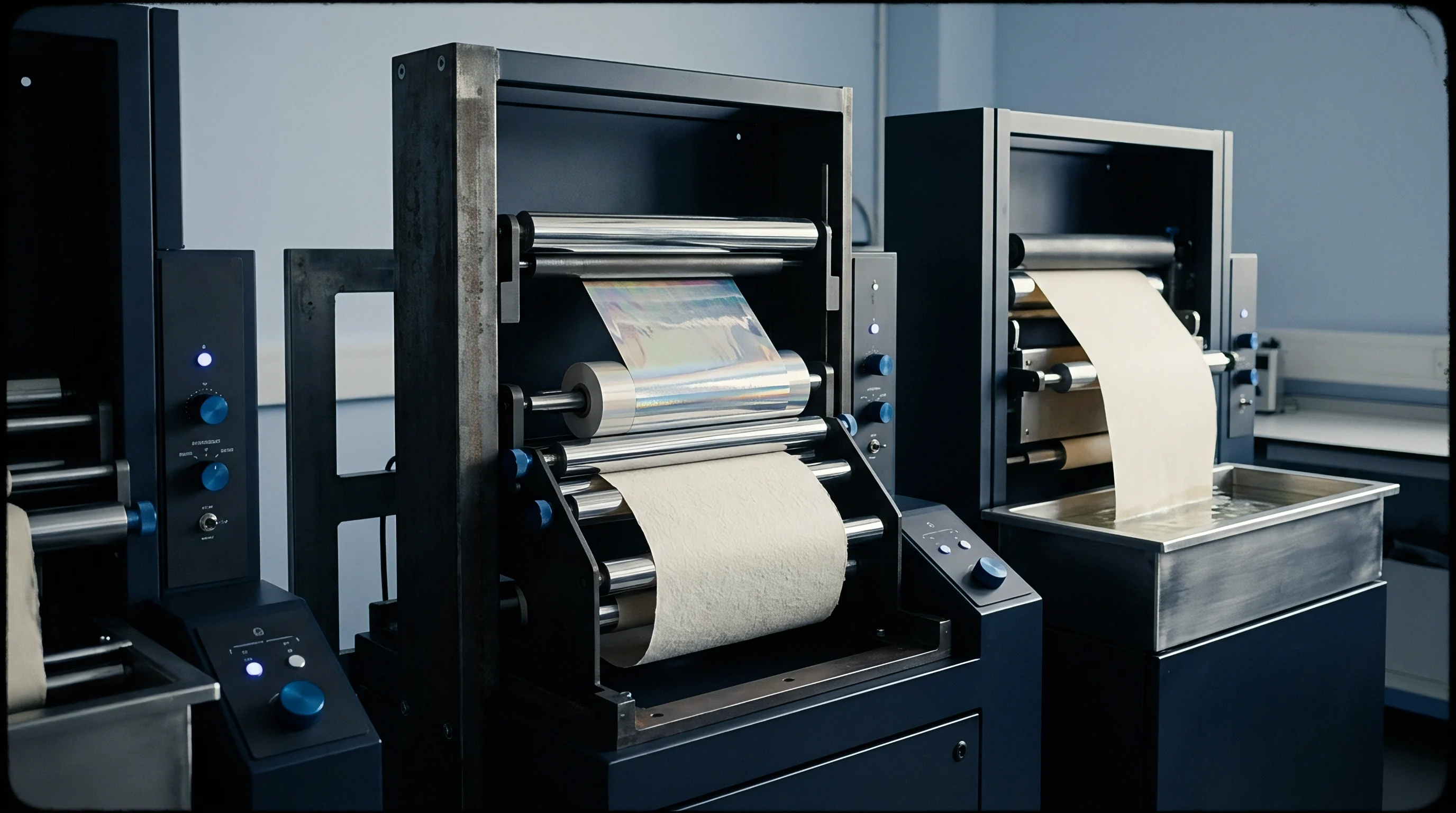
Lamination Nip Dynamics and Boundary Layer Formation
Passing treated polyolefin film through heated rubber rollers forces liquid adhesives into intimate mechanical contact with modified polymer chains. Nip pressure drives the liquid phase into microscopic surface valleys, displacing air and maximizing interfacial contact area. The combination of thermal energy and mechanical pressure lowers liquid viscosity, accelerating wetting kinetics across the moving web interface.
Selecting appropriate processing parameters requires balancing substrate limits against adhesive requirements using a structured decision checklist:
- Verify Corona Generator Output confirming active watt density balances polar group grafting against chain scission damage.
- Audit Film Storage Duration ensuring roll stock age falls within established hydrophobic recovery thresholds.
- Check Roll Impression Uniformity evaluating rubber nip roller hardness and crown profiles under pneumatic loading.
- Confirm Solvent Evaporation Rates matching zone temperature profiles to adhesive drying kinetics without web blistering.
- Inspect Surface Dyne Levels immediately prior to coating head entrance to catch additive migration defects early.
The steel-to-rubber nip roll geometry creates intense shear stresses within the uncured adhesive layer. High shear rates can cause liquid phase separation if surfactant additives are poorly blended within the adhesive matrix. Phase-separated surfactants then accumulate at the polyolefin boundary, creating a weak layer that degrades long-term bond strength under environmental humidity aging.
Standard purchasing contracts incorporating DIN 55660 verification terms reclassify any roll delivered below 38 millinewtons per meter as non-conforming material, shifting transit spoilage costs directly to the film supplier.
Docket
Quality assurance protocols for incoming film stock mandate continuous monitoring of surface activation levels before web converting begins. Dyne measurement methods quantify wetting behavior across manufacturing floor operations and analytical laboratory testing. Verifying surface energy prevents untreated material from entering coating lines, avoiding costly delamination failures across long production runs.
Industrial converting facilities rely heavily on dyne test fluids formulated according to ISO 8296 or ASTM D2578 standards. These liquid mixtures blend ethanol, formamide, ethylene glycol monoethyl ether, and blue dye indicators to yield surface tension steps ranging from 30 to 56 dynes per centimeter. Technicians draw a fluid film across the polyolefin surface using an applicator brush or felt-tip marker, observing whether the liquid remains continuous for two seconds or breaks into isolated beads.
Dyne pens can introduce solvent contamination. Test fluids containing formamide or glycol ethers may dissolve surface-bloomed slip additives or swell thin polyolefin surfaces, producing false positive readings. Felt-tip marker nibs also collect ambient dust and loose surface additives during repeated contact with moving webs, altering fluid surface tension inside the barrel.
Accurate audit procedures demand fresh liquid mixtures applied with clean glass rods or calibrated wire-wound metering bars.
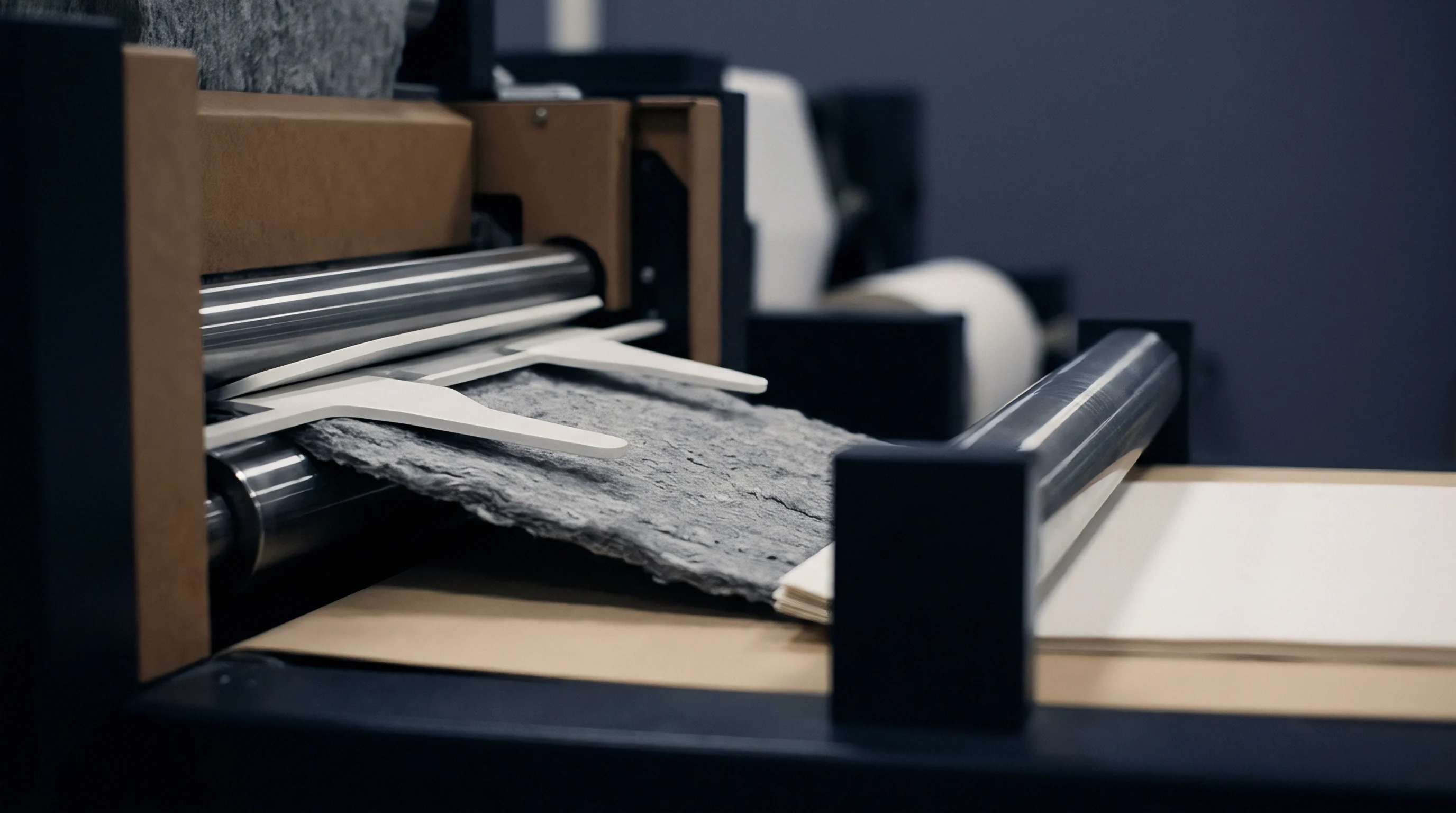
Dyne Pens versus Optical Tensiometry in Mill Audits
Standardized liquid mixtures applied by felt-tip markers offer rapid shop-floor feedback but carry substantial measurement error. Operator subjectivity influences the visual interpretation of the two-second fluid break time, while static charges on polyolefin webs can pull liquid droplets apart prematurely, leading operators to underestimate surface energy levels by 2 to 4 dynes per centimeter.
Optical tensiometers measure advancing and receding contact angles directly, eliminating operator subjectivity inherent in felt-tip dyne pens.
Optical contact angle tensiometry represents the definitive standard for surface energy characterization in laboratory environments. Automated liquid dispensers deposit microliter droplets of pure probe liquids onto the substrate. High-resolution digital cameras record droplet profiles, while software algorithms fit Young-Laplace equations to the liquid geometry to calculate precise contact angles, even as static charges attract fine airborne dust to the surface.
Comparing shop-floor dyne pen results against optical tensiometer data reveals consistent disparities across polyolefin film grades. Dyne pens consistently overestimate surface energy on heavily bloomed films because organic solvents in the test fluid dissolve the thin fatty acid amide layer upon application. By contrast, optical tensiometers using pure water probe droplets detect the hydrophobic nature of the amide layer instantly, recording high contact angles that accurately predict lamination failure.

Standardized Test Method Execution under Controlled Atmospheres
Conditioning film samples at 23 degrees Celsius and 50 percent relative humidity stabilizes surface energy measurements before lab verification. ISO 187 defines the standard atmospheric conditions required for physical and thermodynamic testing of paper, board, and flexible plastic substrates. Temperature fluctuations alter liquid surface tension values, while humidity variations shift water adsorption onto polar surface sites.
Executing an incoming mill audit requires following a sequential test protocol:
- Extract a full-width film strip from the master roll, discarding the outer three outer wraps to eliminate atmospheric contamination.
- Place the film sample inside the ISO 187 conditioning chamber for a minimum of 24 hours prior to surface energy evaluation.
- Mount the conditioned sample on a level glass inspection plate within the optical tensiometer testing field.
- Dispense three microliters of deionized water onto five equidistant locations across the transverse web width.
- Capture droplet profile images at 60 frames per second to calculate baseline static contact angles and polar components.
A converting plant recorded 14200 Euros in scrap and press recalibration costs across a 40000-sheet folding carton run when migrating erucamide bloom lowered surface dyne levels from 42 to 34 dynes per centimeter.

Settlement
Commercial failure in lamination runs traces directly back to unexpected bond decay, leading to scrap, customer rejections, and financial penalties. Converting plants operate under narrow profit margins where unbonded film waste destroys job profitability. Interfacial delamination discovered after pouch forming or cartoning triggers product recalls, line downtime charges, and reputational damage across retail distribution networks.
Secondary converting passes amplify financial risks. Adding decorative cold foils, spot varnishes, or heat-seal coatings over poorly laminated polyolefin structures introduces multi-layer stress fields. High web tension during rewinding can tear weak polyolefin interfaces apart inside the roll core if uncured adhesive splits under load.
Ensuring thermodynamic compliance during the initial lamination pass protects all downstream labor, raw material, and machine investments.
Waste management practices must account for complex multi-layer film scrap generated during line setup. Make-ready waste from lamination lines cannot be fed back into mono-material polyolefin recycling streams once cross-linked polyurethane adhesives enter the structure. Off-spec laminated web rolls incur disposal fees rather than generating scrap resale revenue for the packaging plant.
Waste Rates and Financial Exposure from Interfacial Delamination
Scrapping laminated packaging stock late in the converting sequence multiplies material costs through accumulated process passes. A typical flexible packaging structure involving printed reverse-side BOPP laminated to LLDPE carries costs from film extrusion, rotogravure printing inks, polyurethane adhesive resins, and laminator running time. Interfacial delamination occurring at the pouch-making machine renders the entire accumulated cost structure worthless.
Calculated waste rates on lamination lines range from 2.5 percent on continuous master roll runs up to 12 percent on short-run custom pouch orders. Delamination events caused by surface energy decay increase make-ready waste by forcing line stops, corona generator recalibration, and adhesive ratio adjustments. Line downtime on high-speed wide-web laminators costs between 450 and 850 Euros per hour in direct overhead absorption.
When poor wetting produces delamination channels, microscopic unbonded areas cause localized optical tunneling, where air channels reflect light back through transparent film layers. Tunneling defects force immediate roll rejection during quality inspections, requiring secondary re-printing and re-laminating passes to meet contract delivery volumes.
Recyclability Grading and Producer Responsibility Surcharges
European packaging regulations impose financial levies on multi-material flexible structures that fail mono-material repulping tests. Extended Producer Responsibility schemes score packaging recyclability using standardized protocols such as EN 13430. Polyolefin laminates containing non-polyolefin layers, heavy adhesive coats, or inseparable foil components face maximum financial surcharges under modulated eco-fee systems.
| Format Specification | Make-Ready Waste Sheet Allowance | Delamination Spoilage Risk (%) | Secondary Pass Recalibration Cost (€/k) | EPR Modulation Surcharge (€/tonne) |
|---|---|---|---|---|
| BOPP / Solventless PUR / LLDPE Standard Pouch | 3.0% | 1.2% | 45.00 | 180.00 |
| BOPP / Water-Based Acrylic / LLDPE Clear Packaging | 4.5% | 3.8% | 62.00 | 150.00 |
| Flame Treated CPP / PUR / Paperboard Folding Carton | 2.5% | 0.8% | 85.00 | 420.00 |
| Untreated BOPP / Solvent-Based PUR / Metallized PET | 8.0% | 14.5% | 110.00 | 850.00 |
| Values reflect European converting market quotes calculated across a standard 50,000 m² production run. | ||||
Designing mono-material polyolefin structures using polyethylene-to-polyethylene or polypropylene-to-polypropylene laminations satisfies Class A recyclability criteria under Extended Producer Responsibility frameworks. Mono-material structures reduce financial surcharges from 850 Euros per tonne down to 150 Euros per tonne. However, achieving durable bonds in mono-material polyolefin structures demands rigorous thermodynamic control over surface free energy, corona treatment stability, and slip additive blooming kinetics across every converting pass.
Modulated eco-fees penalize multi-material packaging designs that combine polyolefins with incompatible barrier films or heavy polyurethane adhesive loads. Converters migrating from solvent-based adhesives to ultra-thin solventless formulations lower overall adhesive dry weight below 1.5 grams per square meter, preserving mono-material recyclability classifications. Maintaining surface treatment levels above 40 dynes per centimeter on incoming polyolefin webs remains mandatory to achieve complete wetting and mechanical bond performance at these reduced adhesive coat weights.