Stretching Ratio
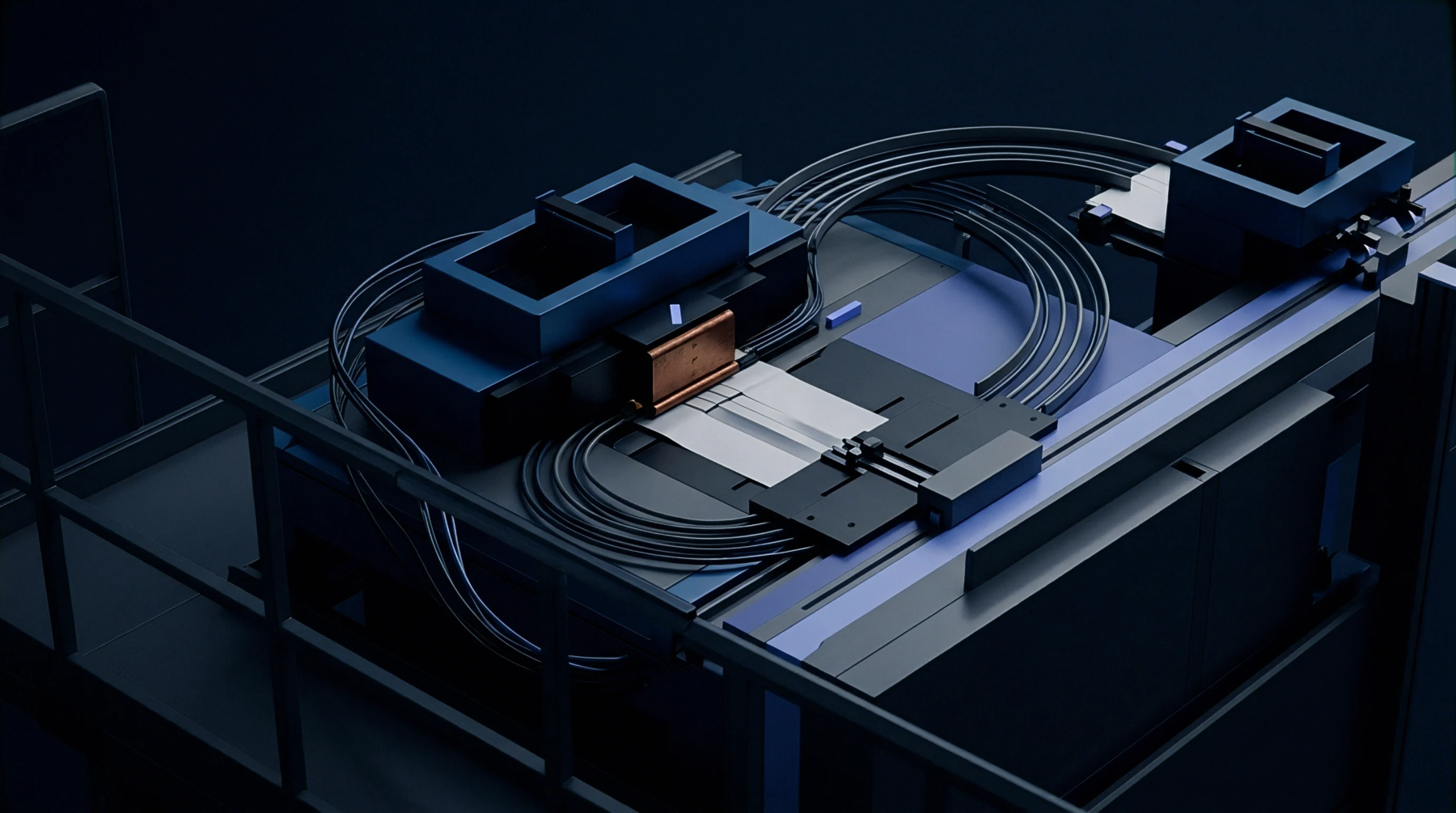
Molecular alignment determines the barrier performance of oriented polypropylene within flexible packaging structures. Film extrusion lines melt resin before mechanical stretching stretches the polymer chains in perpendicular directions simultaneously or sequentially. Biaxial orientation increases tensile strength and reduces gas transmission rates below levels achievable through cast extrusion methods.
Extrusion temperatures and cooling rates dictate the final crystallinity percentage across the web profile. Converters measure film gauge uniformity using beta transmission sensors to verify thickness tolerances before applying solventless laminating adhesives. Barrier coatings require a treated dynne level exceeding forty two units to guarantee ink adhesion during high speed rotogravure printing operations.
Surface energy decay forces packaging converters to apply primer layers immediately after corona discharge treatments on the winding station.
Elongation Tolerance
Temperature fluctuations inside the drying tunnel alter the dimensional stability of the substrate during thermal lamination processes. High line speeds create web tension variations that distort registration marks printed on reverse side barrier layers. Cold seal adhesives applied onto the outer web require precise nip pressure to prevent tunneling defects along pouch seals.
Seal initiation temperatures drop when manufacturers incorporate coextruded sealant layers containing ethylene vinyl acetate copolymers. Pouch forming machines demand consistent coefficient of friction values to maintain reliable feeding rates through vertical form fill seal equipment. Slitting blades operating at high velocities generate thermal friction that softens polymer edges if blade cooling air remains inactive.
Crystallinity Index
Thermal resistance properties depend on crystal lamellae thickness formed during rapid quenching stages following melt extrusion. Density measurements verify whether the polymer morphology maintains optimal amorphous phase proportions for subsequent cold foil stamping procedures. Ultraviolet light exposure degrades polymer chains over extended storage periods unless hindered amine light stabilizers are compounded directly into the base resin formulation.
Seal strength degrades when heat seal jaws exceed maximum temperature thresholds that melt the oriented crystalline structure prematurely. Residual solvent retention levels must remain below regulatory limits to prevent delamination inside retort pouch applications. Packaging engineers specify exact heat seal window parameters to prevent burn through defects during high speed pillow pack production runs.