
Interfacial Shear Strain and Delamination Dynamics in Thermal Plastic Board Lamination
Interfacial shear strain from thermal mismatch drives delamination; controlling cooling gradients and dyne levels prevents bond failure at crease lines.
Interfacial shear strain from thermal mismatch drives delamination; controlling cooling gradients and dyne levels prevents bond failure at crease lines.
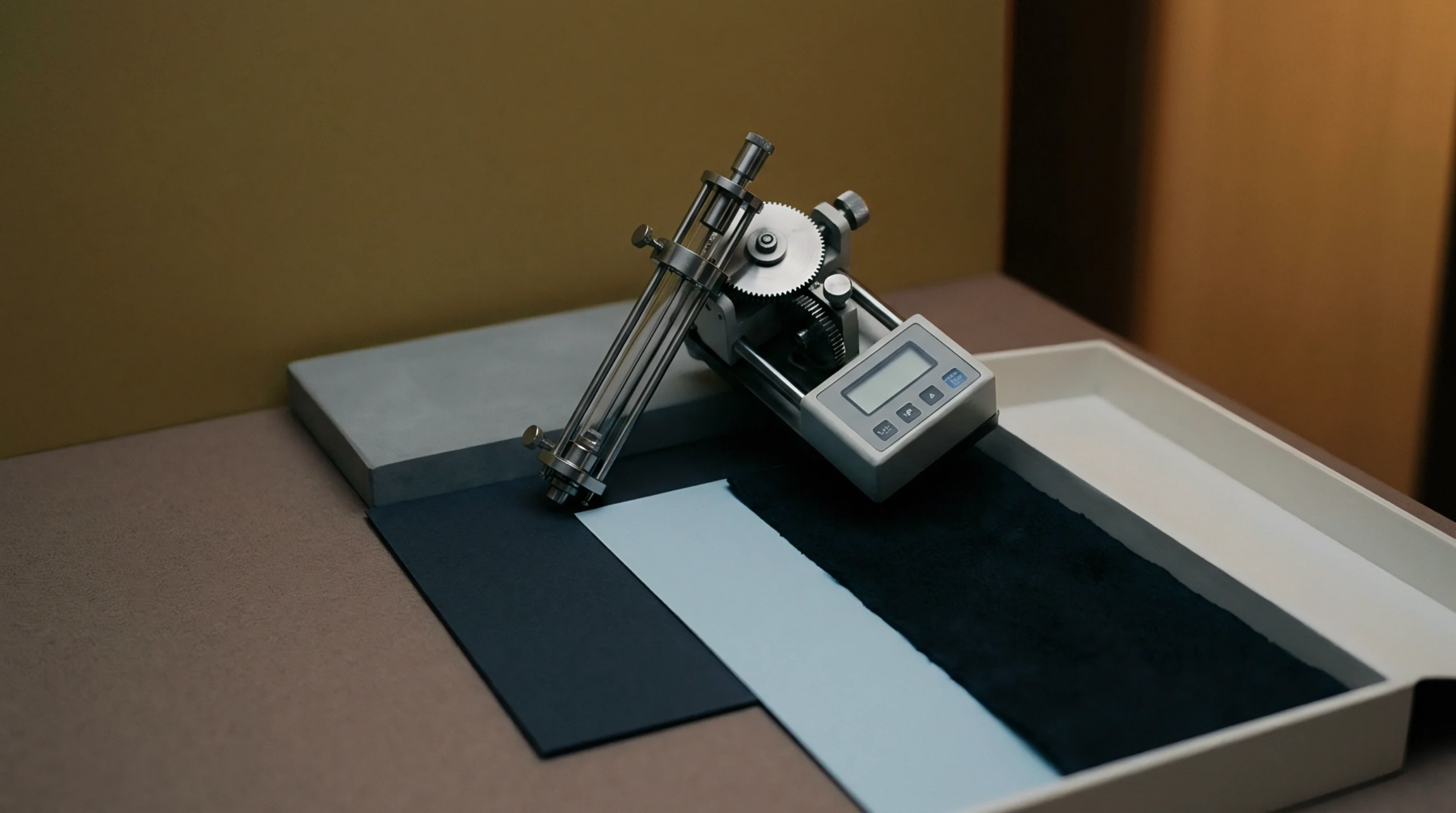
Exceeding polymer viscoelastic shear thresholds under high nip pressure causes molecular chain scission, reducing adhesion and triggering score cracking.
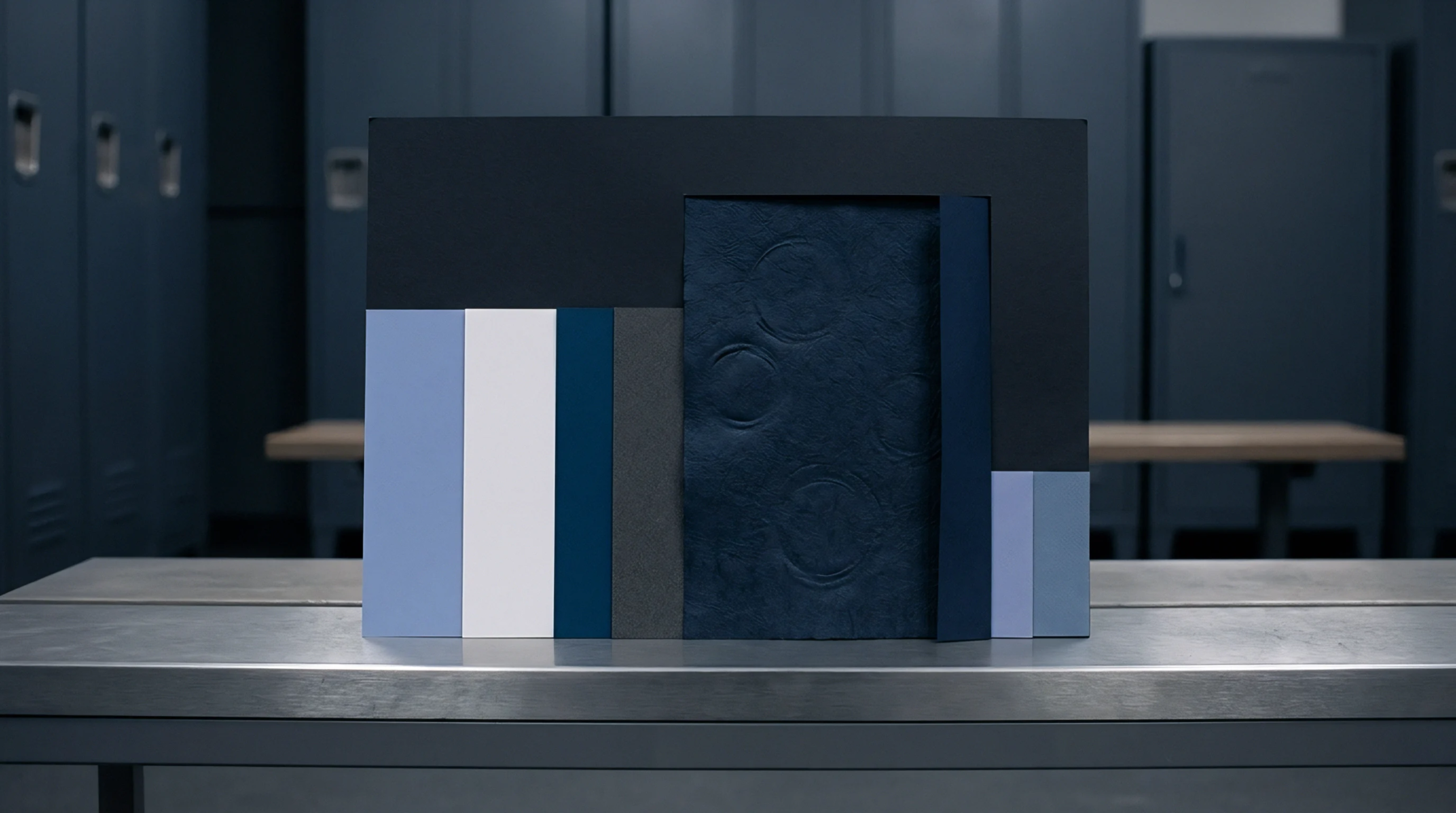
Inline blade coating and soft-nip calendering establish surface uniformity, while targeted finishing passes balance visual embellishment against repulpability.

Converting scrappage from single sided lamination negates small material savings once EU EPR tariffs penalize film coated board above five percent weight.

Evaluating surface energy decay in thermal TPU lamination requires measuring polar force components to ensure bond strength before heat and pressure passes.

Polyurethane tactile films trade high material costs for self-healing elastomeric scuff resistance, requiring precise thermal nip control and high dyne levels.
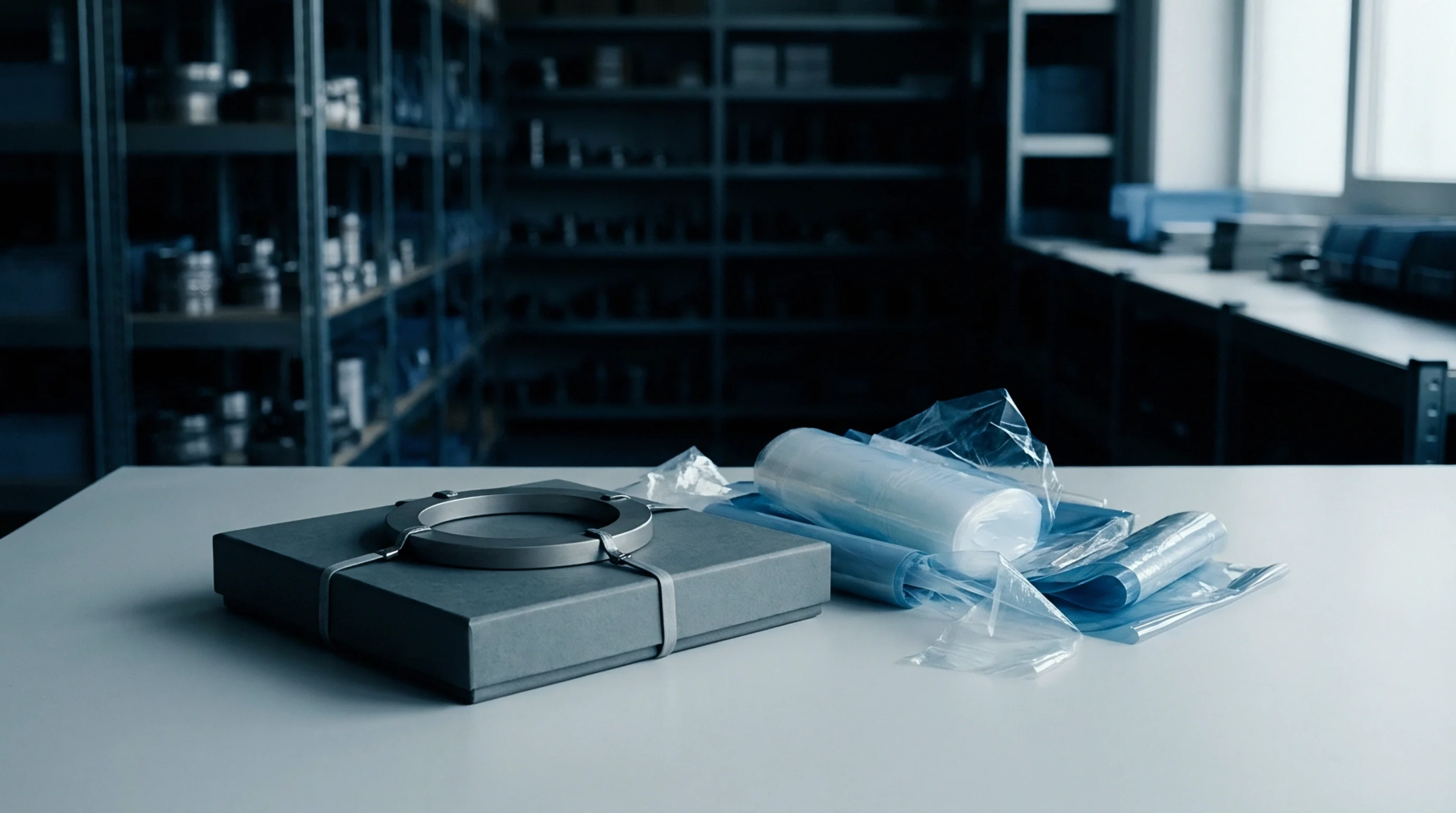
Single-sided plastic lamination causes heavy converting scrap and triggers severe EU EPR eco-modulation tariffs when plastic film mass exceeds 5 percent.

Matt lamination cracks at the crease because silica matting inclusions reduce film elongation capacity, requiring expanded matrix channels to lower folding strain.
Expertise is a utility, not a secret. sentiention™ publishes its working knowledge as open reference: intelligence layer covering the materials it sources, the markets it enters, and the reference that serves both.