How Paper Is Coated Calendered and Finished
Inline blade coating and soft-nip calendering establish surface uniformity, while targeted finishing passes balance visual embellishment against repulpability.
Blade
A Parker Print-Surf roughness target of 1.0 micrometers at 1.0 megapascals clamping pressure dictates liquid coating behavior on the base sheet. Cellulose fibers create an uneven topography of peaks, voids, and fluctuating absorbency across both the machine and cross directions. The primary coating application deposits an aqueous slurry of mineral pigments and synthetic binders onto this web.
Ground calcium carbonate provides high brightness and ink receptivity, kaolin clay improves gloss and flow leveling, and titanium dioxide adds opacity when stock grammage falls below 80 grams per square meter. Styrene-butadiene latex and starch lock these minerals into a matrix, while evaporating water leaves microscopic voids between pigment particles to regulate ink solvent absorption.
Application hardware fixes the initial coatweight distribution before thermal drying stations lock the mineral layer in place. Roll applicators flood excess formulation onto the moving web, driving hydraulic forces directly into the sheet pores before an adjustable steel strip meters off surplus fluid. Bent blades running at low contact angles between 30 and 40 degrees profile the liquid film along surface contours.
Beveled blades set at steep angles near 50 degrees shear the wet mass cleanly across fiber peaks, filling depressions while stripping pigment from high spots. When blade pressure fluctuates across a wide web, coatweight drifts, creating localized variations in ink drying and optical density during offset printing.
| Application System | Solids Content (%) | Viscosity (mPa·s) | Coatweight Range (g/m²) | Final Roughness PPS (µm) |
|---|---|---|---|---|
| Beveled Blade | 58 to 68 | 800 to 1,500 | 8 to 15 | 0.8 to 1.4 |
| Contoured Metering Rod | 45 to 60 | 300 to 800 | 4 to 10 | 1.8 to 2.8 |
| Air Knife | 30 to 45 | 80 to 200 | 12 to 25 | 2.2 to 3.5 |
| Curtain Coater | 55 to 65 | 400 to 1,000 | 6 to 20 | 1.1 to 1.7 |
Alternative metering mechanisms trade mechanical sheer for contouring accuracy. Metering rods wrapped in stainless steel wire or cut with precision grooves lay down uniform films without applying point-stress loads to weak webs. Air knives sweep continuous, high-velocity planar air jets across the wet slurry, skimming off surplus formulation without touching the sheet.
This pneumatic metering follows the underlying fiber contour precisely, preserving caliper at the expense of absolute planarity. Curtain coating drops a liquid film through ambient space onto the sheet, isolating the web from mechanical deflection, though film stability breaks down when line speeds create air boundary disturbances.
Coating pick resistance drops below four meters per second on an IGT test bench when binder migration pulls styrene-butadiene latex toward the top surface under rapid infrared drying.
Drying schedules determine binder distribution through the z-directional thickness of the applied layer. High-velocity hot air hoods and gas-fired infrared emitters drive moisture toward the surface during the early drying phase. Excessive thermal energy input causes dissolved starch and suspended latex particles to migrate toward the outer boundary with evaporating water.
The resulting binder-depleted zone near the fiber interface weakens structural anchorage, promoting picking under high-tack lithographic inks. Controlled air drying preserves uniform binder distribution through the entire coating layer, holding pigment particles against picking forces during multi-unit print runs.
- Blade bleeding occurs when dehydrated pigment deposits cling to the metering edge, scoring distinct streaks along the web direction.
- Mottle formation develops where localized base sheet absorbency differentials pull liquid binder inward at uneven rates before thermal immobilization occurs.
- Orange peel stippling manifests when formulation rheology fails to self-level following split-roll film separation at high machine velocities.
- Pickout blistering happens when trapped internal vapor ruptures the sealed mineral shell during aggressive infrared drying cycles.
Drying-induced binder depletion reflects an unpredictable paperboard sizing imbalance rather than poor line temperature staging.
Nip
Mechanical compression against rotating rolls levels surface topography through controlled heat, moisture, and pressure. Uncalendered paper displays high bulk and low specular gloss, scattering incoming light through random surface facets. Passing the dried web through successive roll junctions compresses protruding fiber bundles, flattens pigment particles, and densifies the underlying sheet structure.
Machine calenders utilize chilled cast iron rolls arranged in vertical stacks, relying on line loads between 20 and 80 kilonewtons per meter to iron out caliper disparities. This rigid iron contact crushes thicker zones, causing density variations across the sheet plane that translate into mottled print gloss after ink absorption.
Soft-nip systems replace cast iron with polymer-covered elastic rolls operating against heated steel cylinders. The elastomeric sleeve deforms under contact pressure, widening the contact zone from several millimeters to several centimeters. Peak hydraulic pressures diminish while dwell time expands, allowing heat to soften moisture-conditioned surface cellulose without compacting the internal sheet core.
Elevated cylinder temperatures up to 200 degrees Celsius reduce the yield point of surface lignin and synthetic latex binders. The web compresses uniformly, preserving bending stiffness while matching the gloss levels of rigid multi-roll stacks.
A paperboard specification citing ISO 8791-4 roughness above 1.5 micrometers permits the converter to reject base stock destined for high-speed gravure print runs.
Supercalenders employ alternating stacks of chilled iron rolls and compliant cotton or synthetic fiber rolls, running up to twelve nips in series. Micro-slippage between hard and soft surfaces generates sliding friction that polishes mineral platelets along the web plane. Kaolin plates align parallel to the sheet face, increasing specular reflectance while reducing air permeability.
Two-sidedness arises when the top and wire sides receive unequal shear exposure throughout the stack sequence. Reversing nips in the lower stack assembly balance optical gloss across both surfaces before final reel-up.
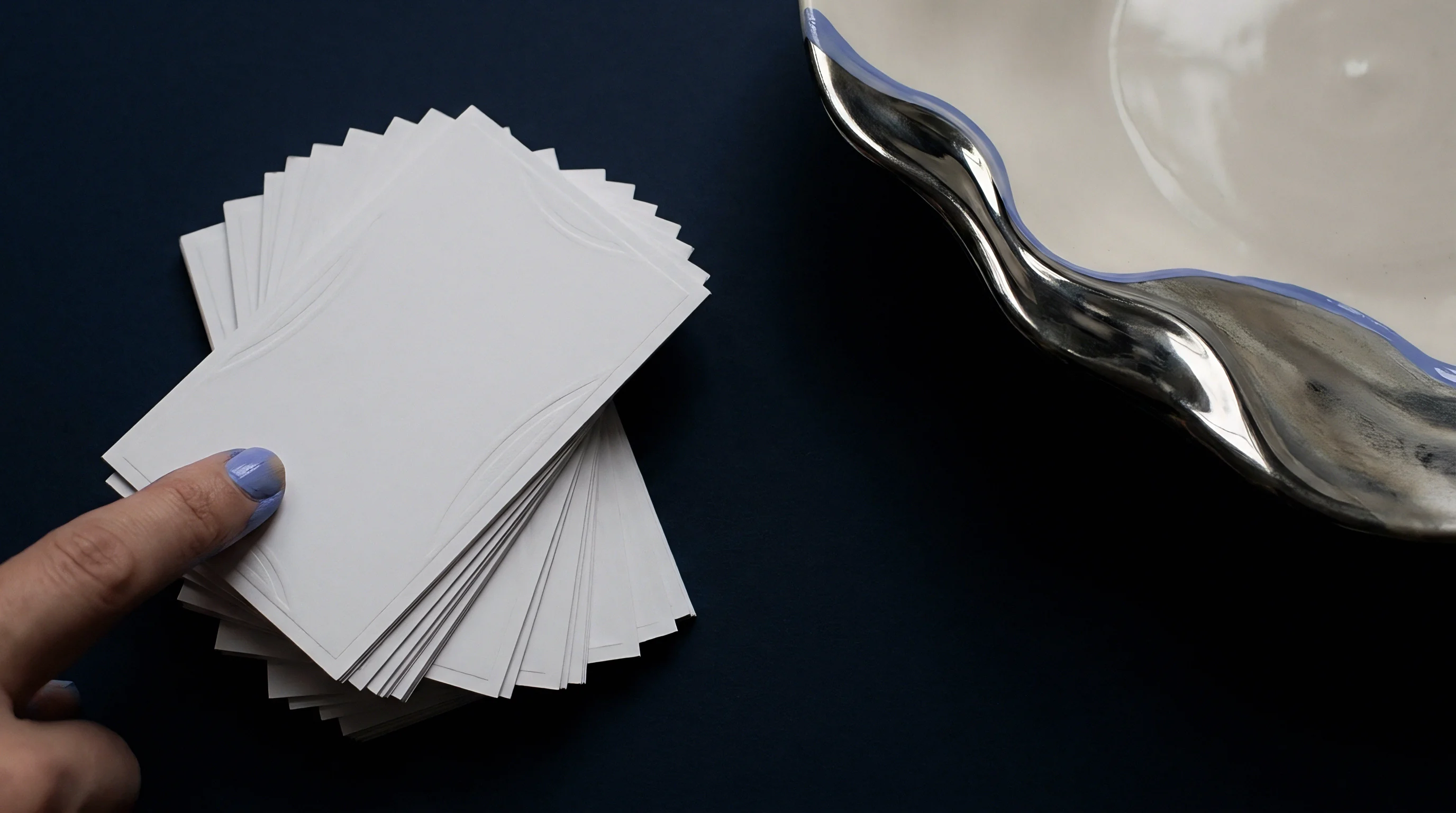
Is Soft-Nip Calendering Superior for Barrier Uniformity?
Coating integrity depends directly on the localized compression ratio achieved across varying web thicknesses. Hard-nip rolls crush structural fibers within thick areas while bridging over valleys, leaving uncompressed pigment zones that absorb dispersion varnishes unevenly. Soft-nip rolls conform to base sheet topography, exerting consistent contact pressure across microscopic peaks and troughs.
The mineral coating densifies uniformly without puncturing the underlying fiber network. Pinholes in thin functional barrier layers decline substantially under soft-nip processing, maintaining grease resistance across converting operations.
High moisture levels accelerate thermal plastification within the calendering contact area. Steam showers mounted immediately ahead of roll entries inject controlled moisture films onto the paper surface. This transient water layer softens surface fibers and coating binders while leaving internal structural cellulose dry.
Subsequent heated roll contact flattens the moist exterior under low nip loads. Bulk retention improves by twenty percent compared to dry calendering methods achieving identical specular gloss targets.
| Calender Setup | Roll Interface | Nip Pressure (kN/m) | Temperature (°C) | Bulk Loss (%) | Target Gloss 75° (%) |
|---|---|---|---|---|---|
| Hard Machine Stack | Cast Iron / Cast Iron | 40 to 100 | 20 to 80 | 25 to 35 | 25 to 40 |
| Offline Supercalender | Chilled Iron / Cotton | 150 to 350 | 80 to 120 | 30 to 45 | 65 to 85 |
| Single Soft-Nip | Polymer / Heated Steel | 80 to 200 | 120 to 180 | 10 to 18 | 45 to 60 |
| Heated Shoe Calender | Concave Shoe / Cylinder | 200 to 600 | 150 to 220 | 5 to 12 | 55 to 70 |
Calendering roll rheology connects to elastohydrodynamic lubrication models observed in heavy industrial bearings and high-speed tire traction surfaces. When a polymer roll cover traverses a heated metal cylinder under mechanical deflection, visco-elastic hysteresis generates substantial internal heat within the elastomer matrix. Roll cooling systems extract this thermal buildup to prevent structural sleeve delamination.
Excessive operating temperatures soften polymer sleeves beyond intended limits, creating uneven pressure profiles that produce longitudinal caliper bands across finished packaging rolls.
Operating parameters require exact balance across converting variables:
- Web moisture equilibrium governs cellulose fiber glass transition temperatures, where incoming moisture levels below six percent induce fiber fracturing under high nip compression.
- Roll surface topography replicates directly onto the heated mineral coating layer, dictating final specular gloss and micro-roughness properties.
- Rotational line velocity regulates thermal dwell time inside the deformation zone, demanding higher roll temperatures as web speeds accelerate.
- Differential drive speed introduces deliberate micro-slip between opposing roll faces to orient pigment platelets along the processing plane.
Incorrect calendering conditions crush the internal cellulose matrix, destroying structural stiffness and generating carton score cracking during high-speed folding operations.
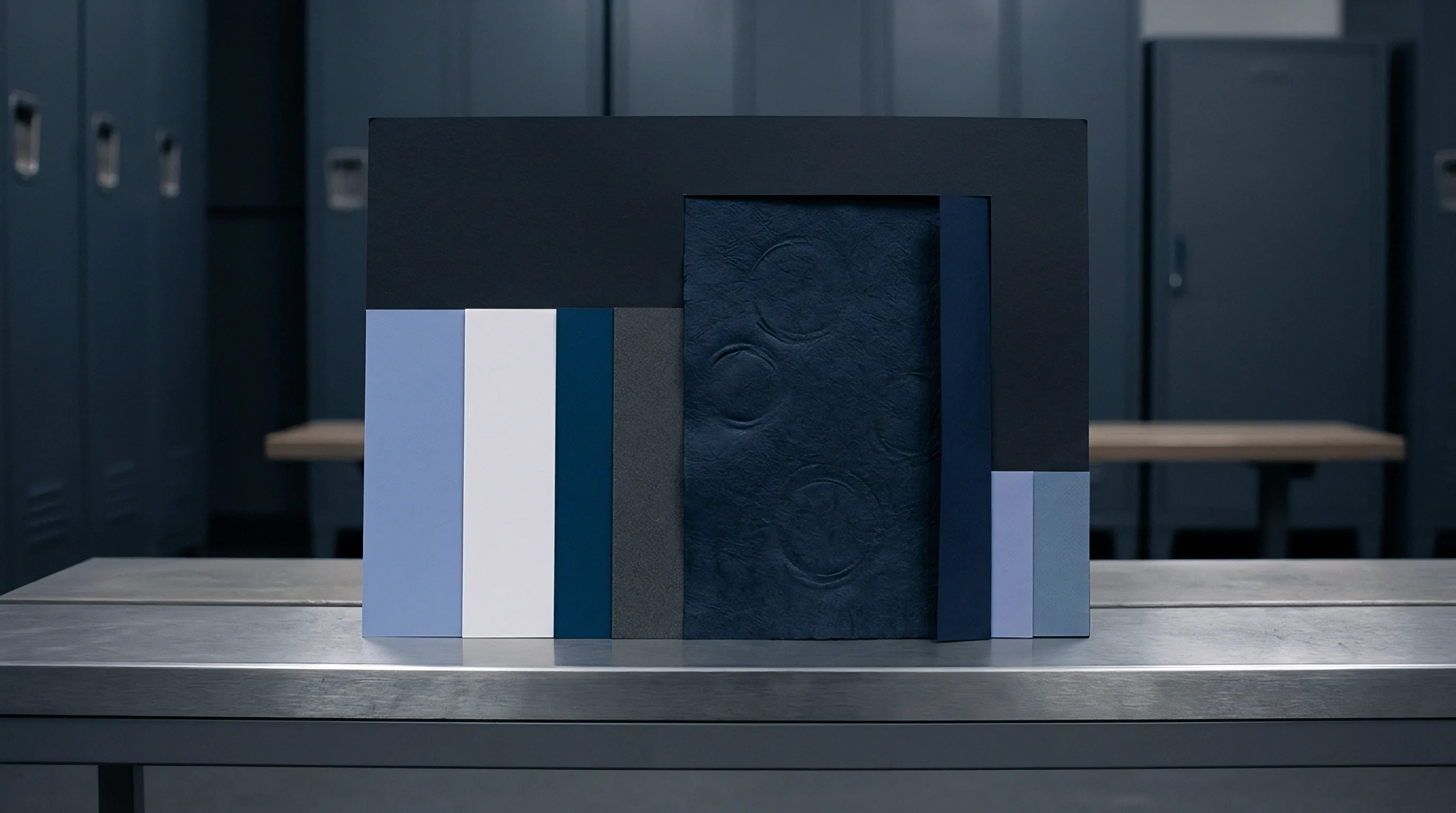
Barrier
Aqueous functional dispersions, biopolymers, and synthetic polyolefins shield the hydrophilic paper core from oil, water, grease, and atmospheric gases. Base paper absorbs polar liquids rapidly through capillary suction within the inter-fiber network. Sizing agents retard liquid penetration temporarily, yet complete barrier integrity requires continuous surface film formation.
Extrusion coating applies molten low-density polyethylene at temperatures near 300 degrees Celsius through a flat die directly into a chilled roll nip. Molten polymer anchors mechanically into open fiber pores, cooling into an impermeable membrane that resists moisture vapor transmission across packaging shelf lives.
Water-based barrier coatings utilize synthetic dispersions including styrene-butadiene, acrylic copolymers, and ethylene acrylic acid. Formulators blend these latex suspensions with high aspect ratio mineral pigments like talc or engineered kaolins. Platelet pigments extend the tortuous diffusion path for penetrating vapor molecules, lowering the water vapor transmission rate across the dry film.
Specialized application coaters deposit two or three thin passes in series, drying each layer separately to eliminate pinhole channels created by escaping vapor bubbles. Total dry coatweights between 6 and 14 grams per square meter provide reliable grease resistance without compromising subsequent repulping operations.
Biodegradable options substitute fossil-derived polymers with polylactic acid, polyhydroxyalkanoates, and thermoplastic starch. Polylactic acid extrudes onto paperboard using modified screw profiles and lower melt temperatures than conventional polyethylene. These aliphatic polyesters exhibit inherent water resistance alongside high clarity and mechanical rigidity.
High processing temperatures degrade bio-polyesters, reducing molecular weight and causing pinhole defects in the finished web. Moisture content inside raw polymer pellets must remain below 100 parts per million before extrusion to prevent hydrolytic degradation inside the heated melt barrel.
Surface tension governs adhesion between extruded barrier polymers and mineral-coated base stocks. Corona discharge stations treat the incoming web with high-frequency electrical arcs, ionizing atmospheric air into ozone and free radicals. These reactive species oxidize surface cellulose and coating binders, introducing polar hydroxyl and carboxyl groups that increase base sheet surface energy above 48 dynes per centimeter.
Extruded polymers wet out thoroughly across the oxidized surface, establishing chemical and mechanical bonds that resist delamination under humid storage conditions.
Substrate porosity dictates barrier film continuity across microscopic paper dimensions. Highly porous paper substrates absorb liquid dispersion binders rapidly, leaving unbonded pigment platelets on the surface that fail oil and grease resistance testing under TAPPI T 559 protocols. Dense, pre-calendered base sheets preserve uniform film thicknesses, allowing thin functional layers to bridge across fiber junctions cleanly.
Double-coated base boards receive lower functional barrier coatweights than uncoated kraft liners, lowering material input costs while maintaining specified barrier ratings.
Pinholes in barrier coatings emerge from air entrainment, foaming, and uneven drying rates during line processing. Antifoaming additives suppress bubbles in aqueous barrier dispersions, preventing pinholes that compromise oil and grease holdout. High oven temperatures vaporize entrained water rapidly, causing skinning across the wet polymer surface that ruptures under escaping steam pressure.
Progressive drying profiles distribute heat gradually across successive oven zones, drying the functional film from the substrate outward.
Whether water-based barrier coatings can maintain moisture vapor transmission rates below five grams per square meter per day across ninety percent relative humidity remains unresolved.
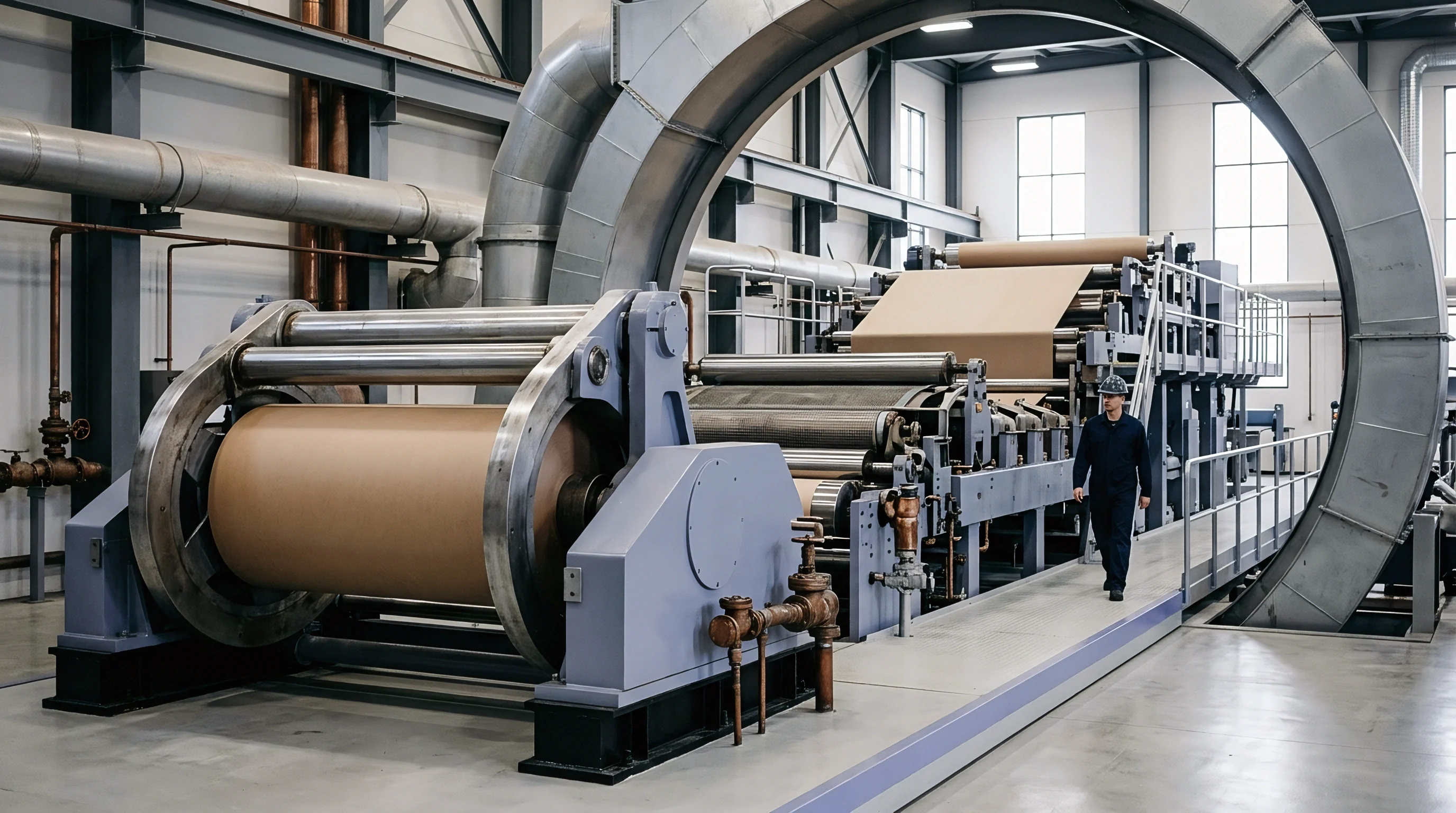

Stamp
Finishing embellishments apply localized mechanical and chemical treatments to printed and coated sheets through separate processing passes. Sheet-fed offset and digital print engines apply base process inks, which undergo oxidative or radiation curing before entering post-press converting units. Hot foil stamping transfers vacuum-deposited aluminum from a carrier film onto the sheet using heated brass dies and hydraulic pressure.
Cold foil systems transfer similar metallic effects inline by printing an ultraviolet adhesive pattern onto the web, pressing foil into the wet adhesive, and curing the bond with ultraviolet radiation before peeling away the polyester carrier.
Embossing modifies the sheet caliper permanently by forcing paperboard fibers between matching male and female dies. Brass tooling machined on multi-axis computer numerical control mills provides sharp edges and intricate relief depth, whereas etched magnesium dies serve shorter production runs. Tooling pressure crushes the internal fiber matrix beyond its elastic deformation limit, stretching surface plies into raised three-dimensional profiles.
When board moisture drops below six percent, surface fibers split along high-relief embossing edges. Controlled steam conditioning restores sheet elasticity prior to heavy mechanical embossing runs.
Thermal lamination applies biaxially oriented polypropylene or polyethylene terephthalate films over printed sheets using heated calender nips. The laminating film carries an ethylene-vinyl acetate thermal adhesive layer that melts at temperatures between 95 and 120 degrees Celsius. Nip pressure forces molten adhesive into ink boundaries and microscopic coating pores, establishing a permanent structural bond upon cooling.
Soft-touch polyurethane films deliver tactile velvet surfaces but introduce high surface friction that disrupts sheet feeding on downstream automatic folder-gluers. Anti-scuff matte films replace soft coatings with hard acrylic topcoats, preventing abrasive scuffing during carton distribution.
Single-sided film lamination introduces asymmetric hygroscopic stress that curls stacks upward as relative humidity falls below forty percent in warehouse environments.
Ultraviolet spot varnishes deposit high-gloss acrylate oligomers over targeted graphic areas using polymer flexographic plates or screen printing meshes. Photoinitiators absorb ultraviolet radiation, generating free radicals that crosslink liquid acrylate monomers into hard polymer networks within fractions of a second. High varnish coatweights between four and eight grams per square meter provide dimensional gloss contrast against matte base papers.
Overcuring induces film embrittlement that cracks when cartons pass through folding and gluing sections. Undercured varnish leaves residual monomers that fail migration limits on food-contact packaging.
Will Additional Converting Passes Compromise Board Creasing?
Converting passes impose cumulative thermal and mechanical stresses that alter cellulose fiber flexibility. Base paperboard endures intense heat during drying tunnels, calendering nips, extrusion dies, and curing lamps. Repeated thermal exposure dehydrates structural cellulose, lowering fiber moisture content below critical conversion thresholds.
Dehydrated paperboard fractures along crease beads during high-speed carton erecting operations. Each added pass stretches surface plies, weakening internal ply-bond strength and increasing carton failure rates along the score lines.
Multi-pass finishing operations require strict procedural sequencing to prevent process interference:
- Process ink application runs first across offset or digital presses, drying thoroughly before receiving subsequent chemical surface treatments.
- Thermal film lamination bonds directly over dry ink films, creating a sealed polymer foundation for subsequent decorative passes.
- Hot foil stamping applies heat and pressure through the laminating film, requiring specialized foil formulations compatible with underlying polymer coatings.
- Mechanical die embossing registers over foil areas, deforming the board structure without fracturing previously applied metallic layers.
- Die cutting and scoring severs individual cartons from master sheets, scoring along structural folds with precision steel rules.
Die-cutting makeready requires exact channel depth calibration matching sheet caliper and grain orientation. Scoring rules push paperboard into compliant creasing matrices, delaminating internal plies cleanly to form uniform rolling hinges without rupturing outer liner surfaces. Running scores parallel to the machine grain reduces cracking risks, whereas cross-grain scores require wider matrix channels to accommodate transverse fiber resistance.
Caliper loss during previous calendering passes narrows the effective creasing window, demanding micrometer adjustments to scoring rule heights.
Spot coating thickness balances visually against surrounding uncoated sheet areas. Heavy screen-applied varnish layers generate sharp tactile borders that catch against carton transport belts during high-speed packing line runs. Flexographic varnishes apply thinner films between two and four micrometers, leveling smoothly across coated paperboard without producing aggressive edge steps.
Surface tension differences between base coatings and spot varnishes govern edge definition, where low surface energy coatings induce reticulation and pinholing along varnish margins.
| Finishing Process | Pass Speed (Sheets/Hour) | Makeready Waste (Sheets) | Direct Tooling Cost (€) | Recyclability Impact |
|---|---|---|---|---|
| Inline Dispersion Varnish | 8,000 to 15,000 | 50 to 100 | 150 to 300 | Neutral repulpability |
| Screen-Printed Spot UV | 3,000 to 6,000 | 150 to 300 | 250 to 500 | Mild deinking penalty |
| Hot Foil Stamping | 2,500 to 5,500 | 200 to 450 | 600 to 1,800 | Acceptable if foil under 1% |
| Thermal Film Lamination | 4,000 to 8,000 | 100 to 250 | 0 | Severe yield deduction |
| Embossing with CNC Brass | 3,000 to 6,000 | 150 to 300 | 800 to 2,200 | Neutral repulpability |
Foil stamping temperatures that run too cool produce pinhole voids, whereas temperatures that run too hot scorch the adhesive layer and cause ragged metallic edges.

Recovery
Post-press finishes dictate the commercial recyclability and repulpability of recovered paper packaging. Standard recycling mills disperse recovered paper products in water using high-consistency hydrapulpers operating at mechanical shear. Cellulose fibers hydrate, swell, and separate from each other across twenty to forty minutes of hydraulic agitation.
Hydrophobic synthetic layers resist water penetration, interfering with fiber wet-out and extending pulping cycles. Insoluble synthetic fragments break down into sticky particles that clog screening baskets, foul forming fabrics, and cause web breaks on paper machines utilizing recycled furnish.
Repulpability assessment protocols evaluate fiber recovery rates and reject fractions under standardized mechanical conditions. Schemes based on European standards subject samples to hydrapulping at designated water temperatures and rotor speeds, screening resulting slurries through slotted plates with 150-micrometer openings. Fiber bundles failing to pass the screen count as coarse reject material.
Plastic laminates and thick ultraviolet coatings tear into large composite sheets that trap structural fibers, carrying reusable pulp directly into the reject waste stream. Fiber yields below eighty percent trigger commercial penalties from recycling authorities.
Extended producer responsibility schemes penalize paper packaging combining plastic films with fiber cores. Modulated fee structures in European jurisdictions assess higher recycling tariffs on non-separable laminates than on mono-material paper products. A folding carton utilizing two-sided polyethylene extrusion pays substantially higher waste management fees than an identical carton utilizing water-based barrier dispersion.
Several recycling schemes classify cartons carrying double-sided plastic lamination as non-recyclable composite packaging, excluding them from paper recovery streams entirely. Designers increasingly substitute film laminations with high-solids dispersion varnishes to preserve circular recovery pathways.
Deinking procedures separate crosslinked inks and varnishes from recovered fibers through froth flotation cells. Alkaline pulping chemicals saponify ink binders, freeing pigment particles into the aqueous suspension. Air bubbles rising through flotation tanks collect hydrophobic ink particles, carrying them into an overflow froth that skims cleanly away from clean cellulose fibers.
Ultraviolet-cured inks and varnishes resist chemical breakdown under alkaline conditions, fragmenting into large, rigid particles that resist air bubble attachment. These specks remain suspended within the pulp slurry, causing visible optical dirt counts in recycled graphic paper grades.
Food-contact declarations impose stringent migration limits on functional coatings and finishing layers. Regulation 1935/2004 in the European Union mandates that packaging components must not transfer chemical constituents into foodstuffs in quantities that endanger human health. Mineral oils, plasticizers, and residual photoinitiators migrate through paperboard substrates via vapor phase diffusion.
Barrier coatings applied over recycled fiberboards must demonstrate functional barrier efficacy against mineral oil saturated hydrocarbons and mineral oil aromatic hydrocarbons under designated time and temperature testing protocols. Failure to block migration invalidates compliance certificates for dry food packaging.
Packaging specifications incorporating non-repulpable finishes fall under contractual rejection clauses when incoming lots fail mill repulping certification thresholds under EN 13430 testing procedures.