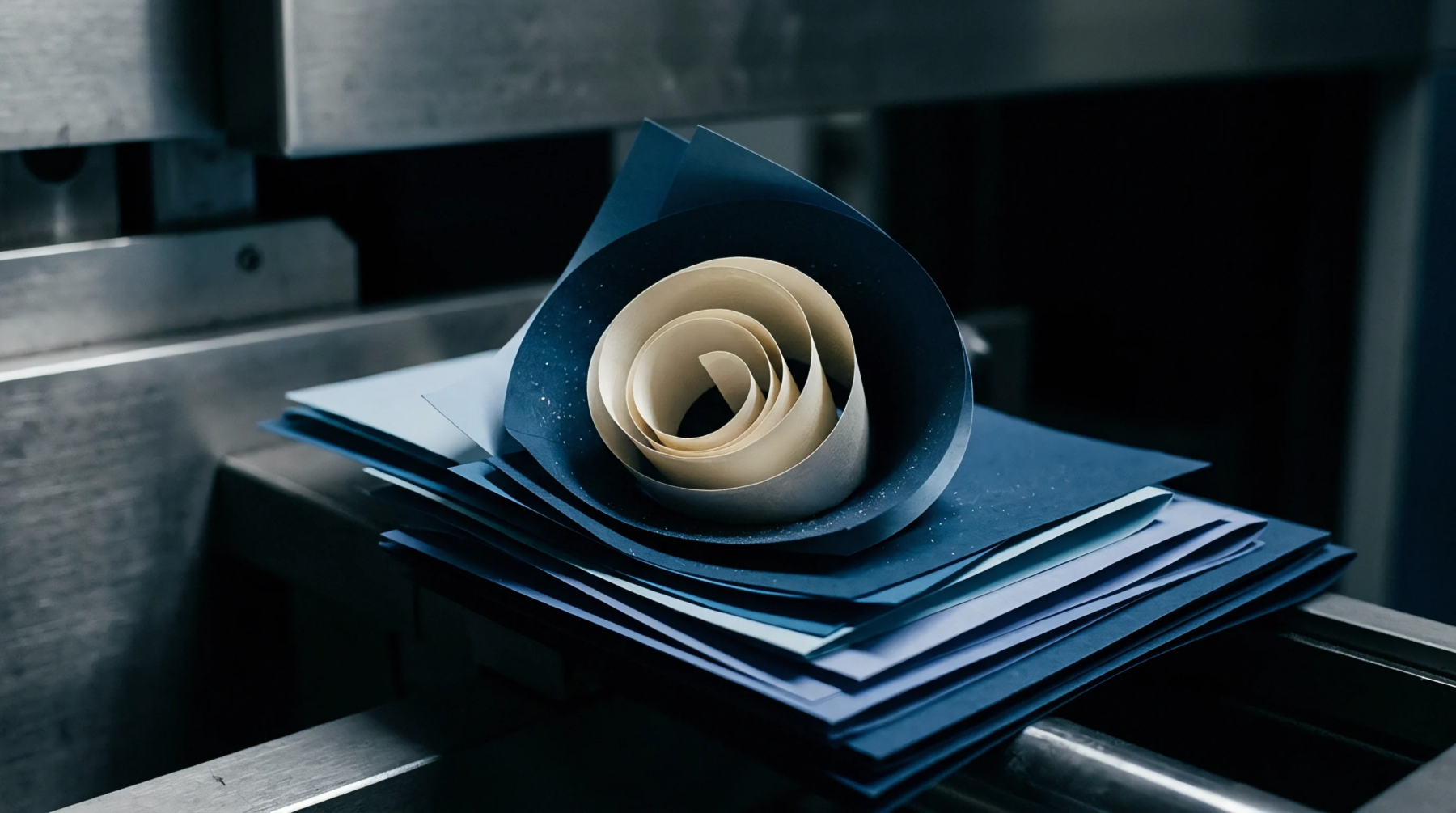
Optimizing Die Cutting Matrix Dimensions for Heavyweight Folding Boxboard Grades
Heavyweight folding boxboard requires matrix depth matching board caliper and channel width calculated at one point seven times caliper plus rule thickness.
Heavyweight folding boxboard requires matrix depth matching board caliper and channel width calculated at one point seven times caliper plus rule thickness.
Acoustic velocity profiling provides non-destructive dynamic stiffness metrics that predict score cracking and lamination curl in converting passes.
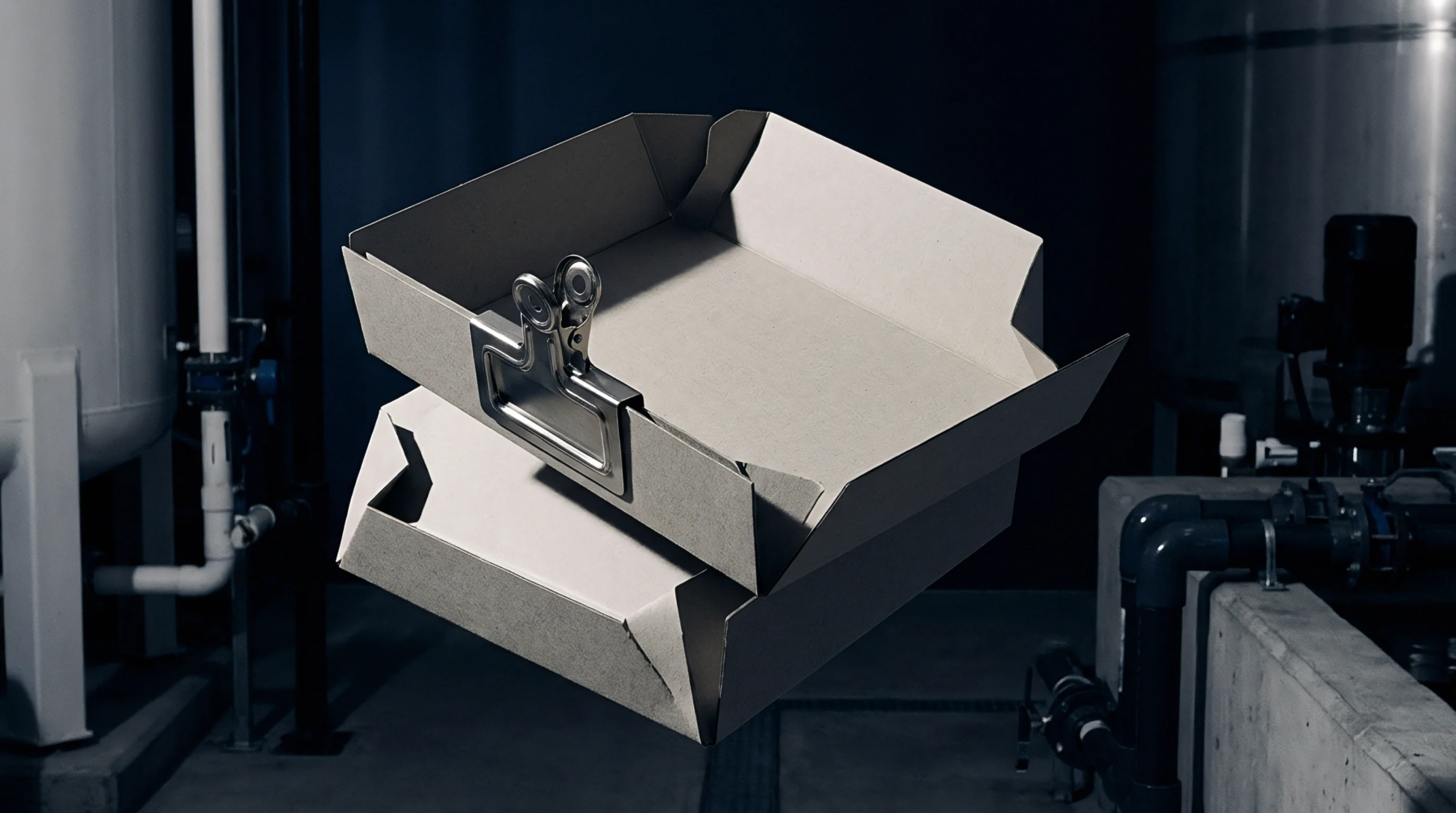
Dynamic strain rate hardening increases Z-direction stiffness during high-speed die cutting, demanding wider matrix channels to prevent crease cracking.

Counter die relief profiles for film laminated folding boxboard require expanding channel widths by twenty percent to prevent outer film shear tearing.
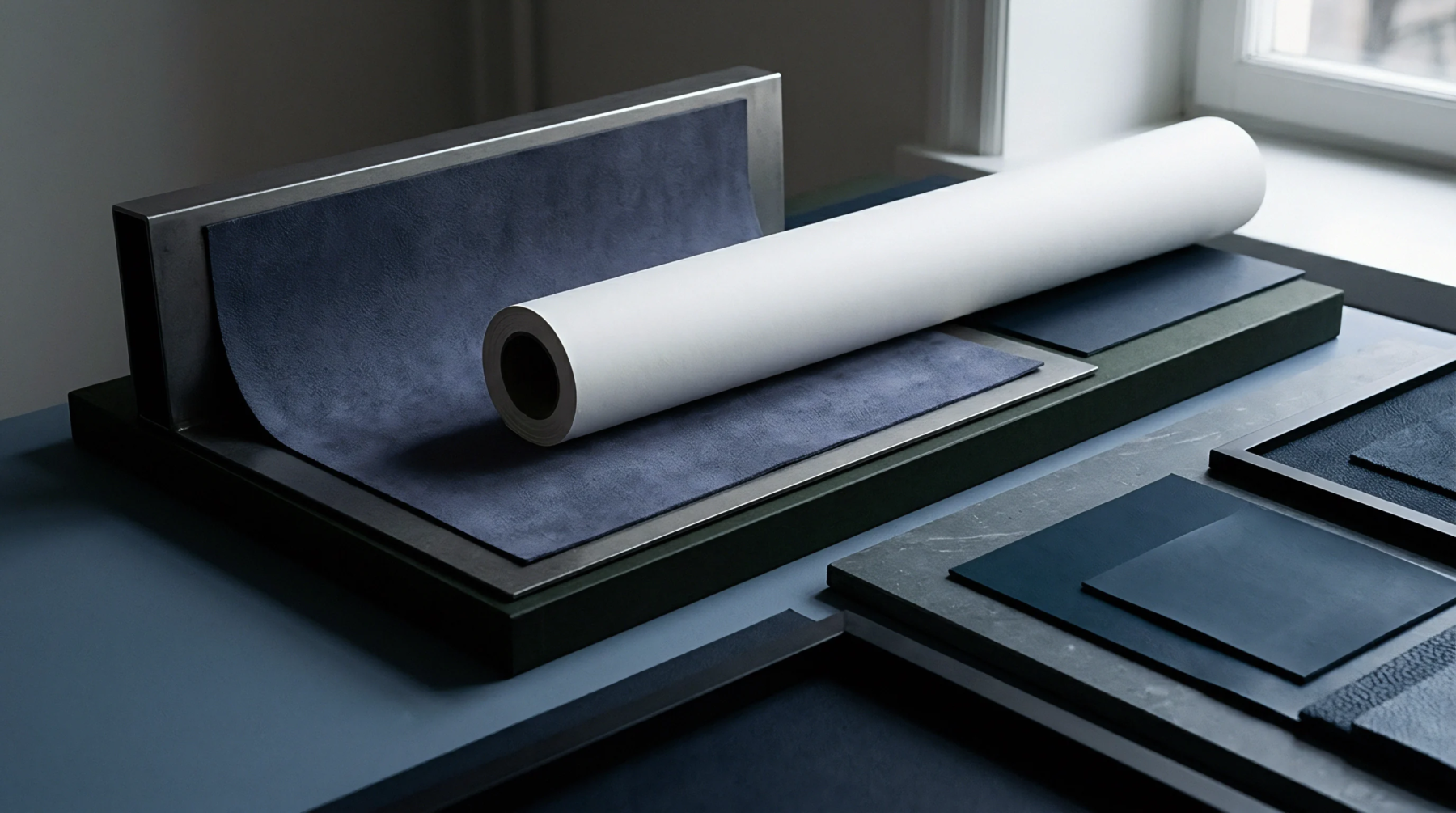
Polyurethane soft-touch films provide superior scratch resistance and score fold integrity compared to BOPP but require higher temperature control and lower web yields.
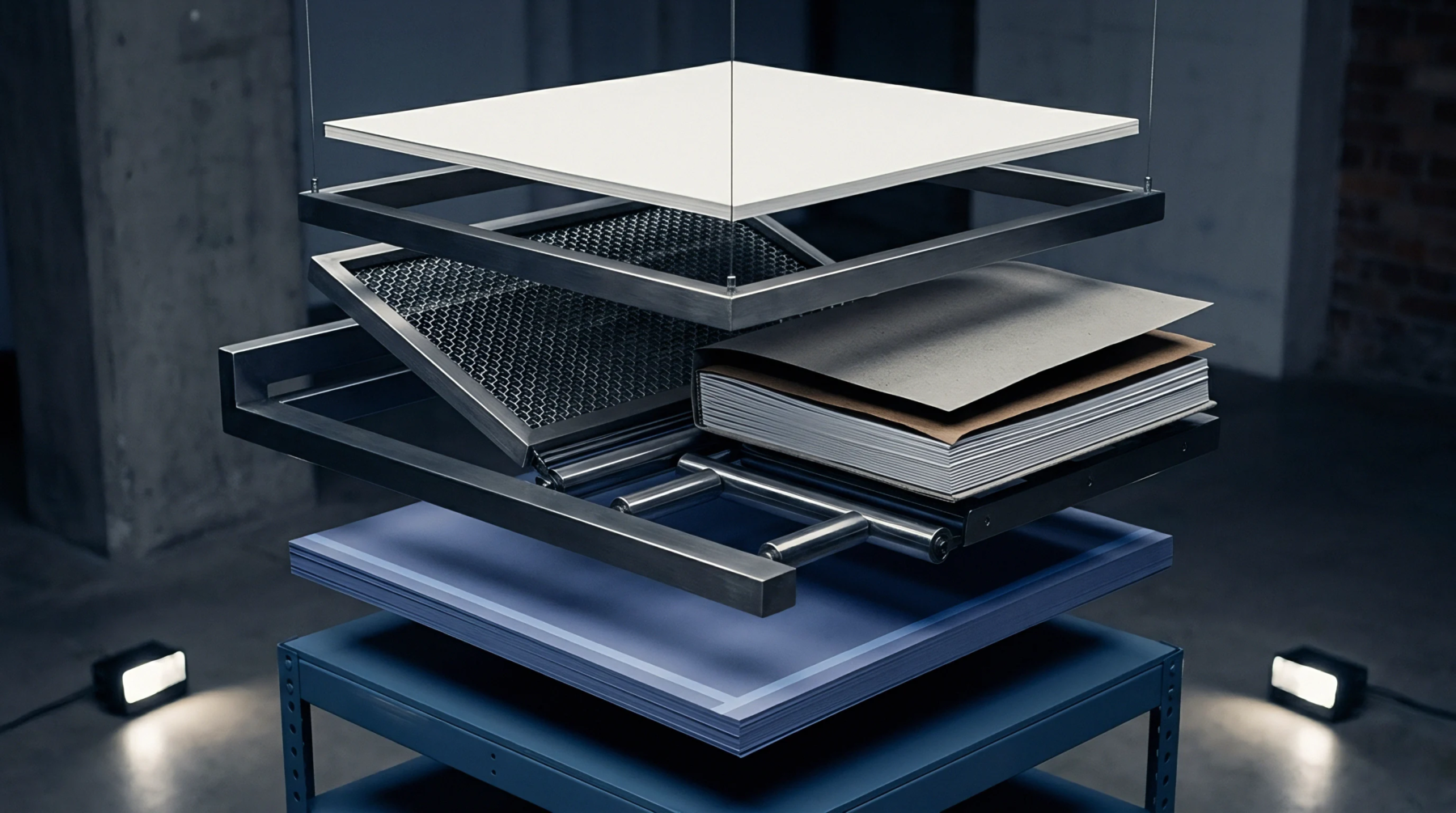
Predicting paperboard delamination requires balancing Z-direction shear strength to permit core separation while preventing outer liner tensile fracture.
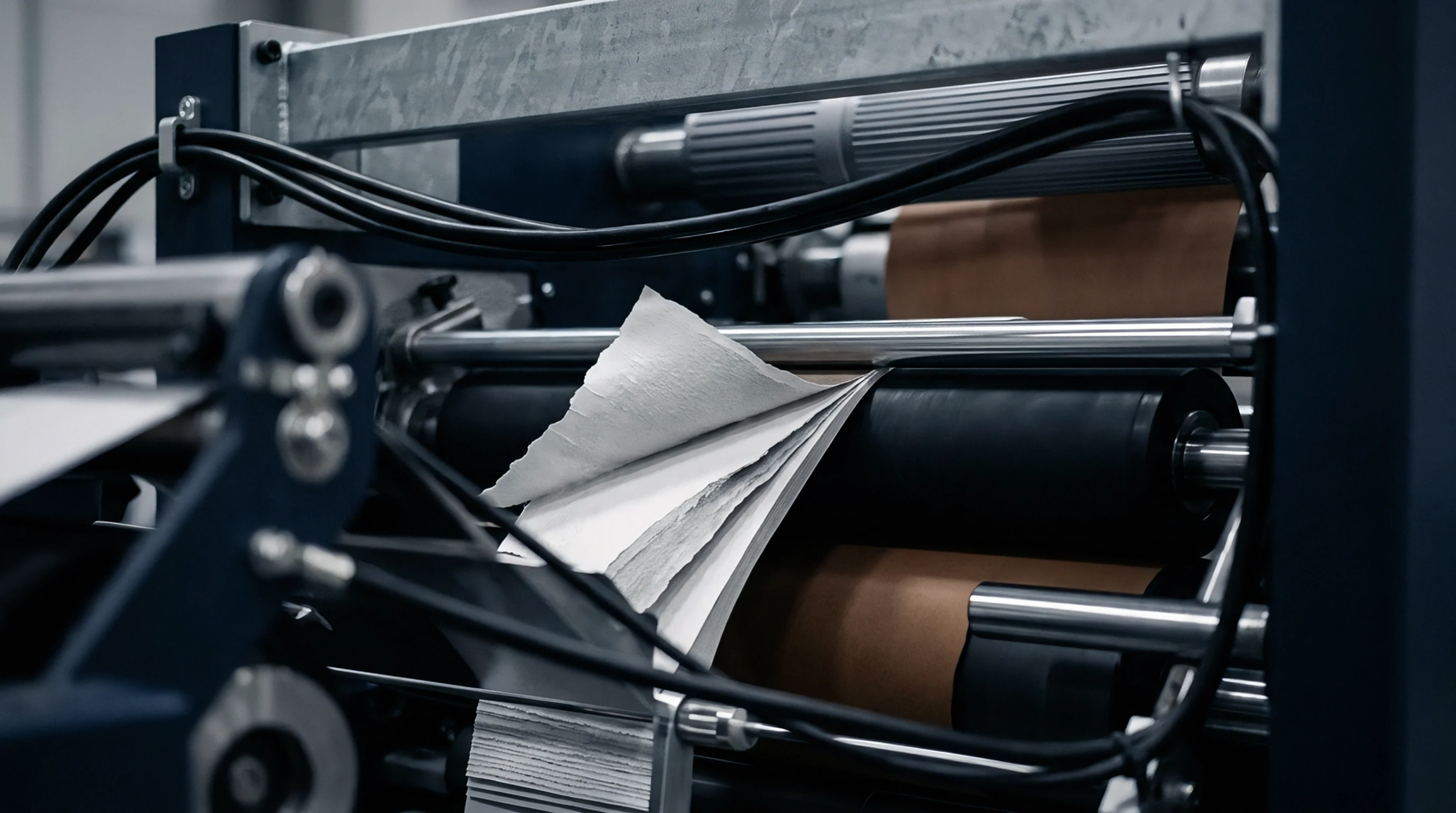
Dynamic mechanical analysis identifies hemicellulose moisture thresholds that prevent score cracking during high speed converting of mechanical pulp middle plies.
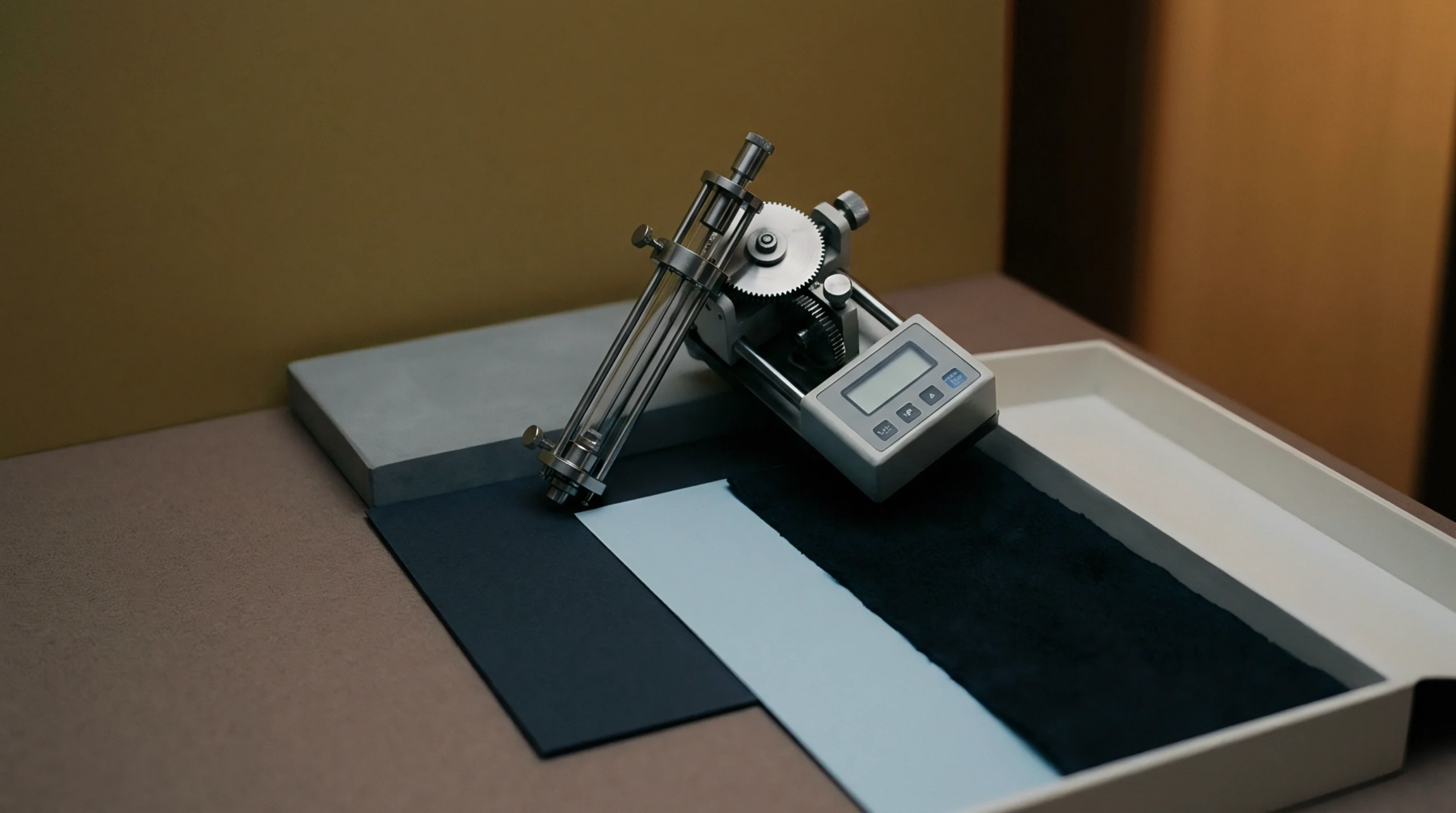
Exceeding polymer viscoelastic shear thresholds under high nip pressure causes molecular chain scission, reducing adhesion and triggering score cracking.
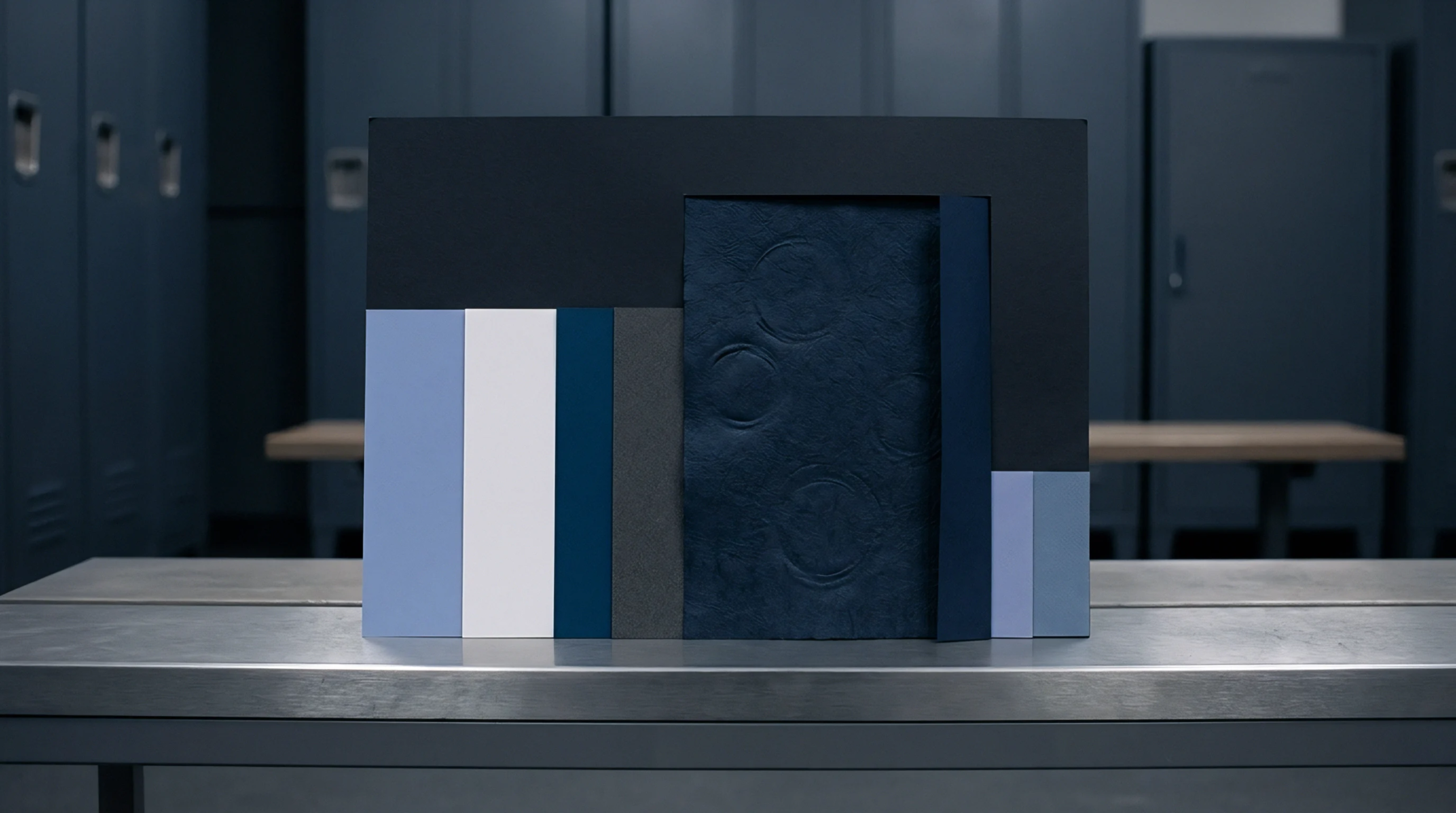
Inline blade coating and soft-nip calendering establish surface uniformity, while targeted finishing passes balance visual embellishment against repulpability.
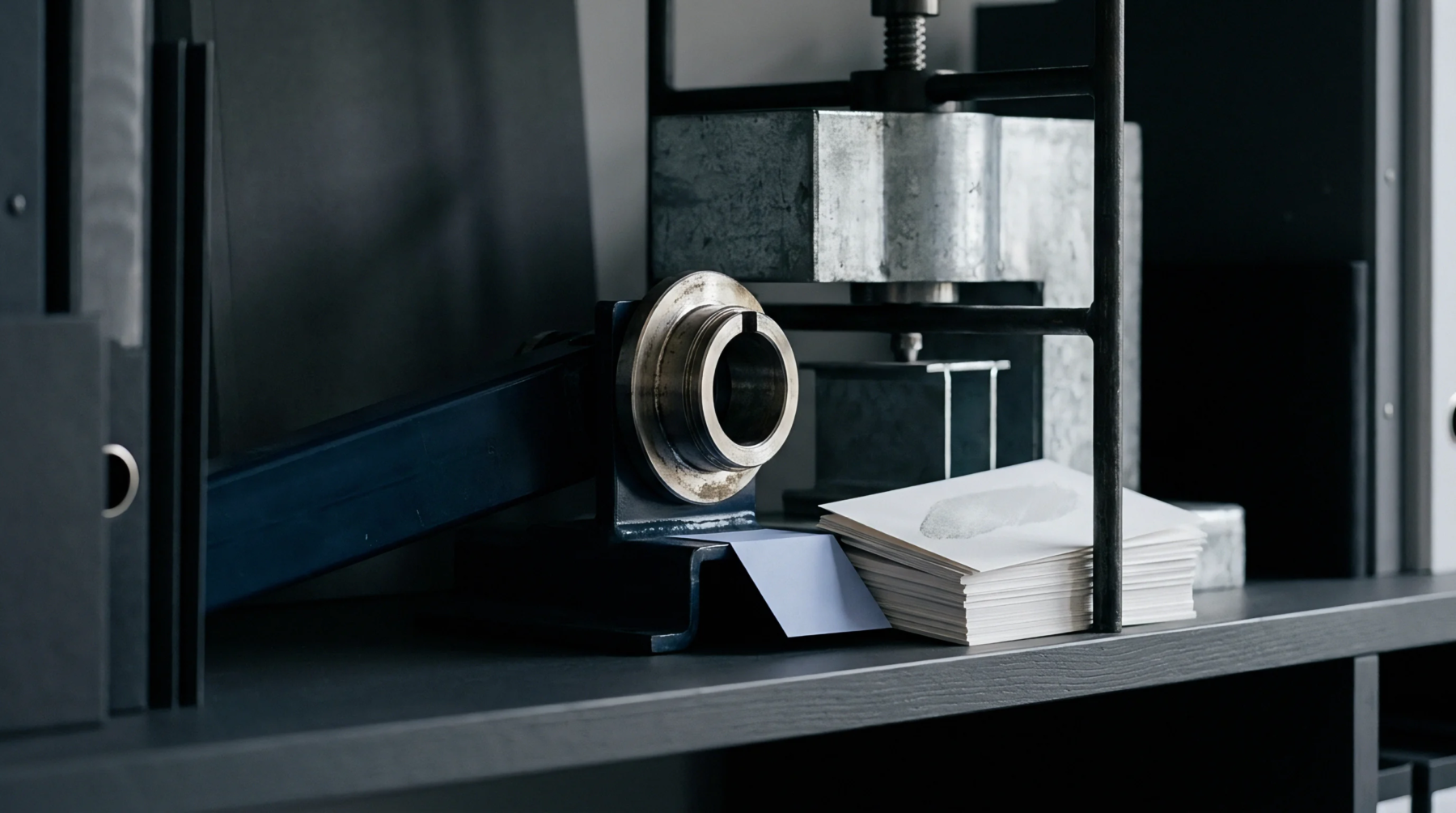
Widening matrix channel width to 1.7 times board caliper mitigates score cracking on recycled board by promoting controlled internal ply delamination.

Pass order determines surface energy, registration accuracy, recyclability, and unit scrap rates across multi-step print converting runs.

Evaluating surface energy decay in thermal TPU lamination requires measuring polar force components to ensure bond strength before heat and pressure passes.
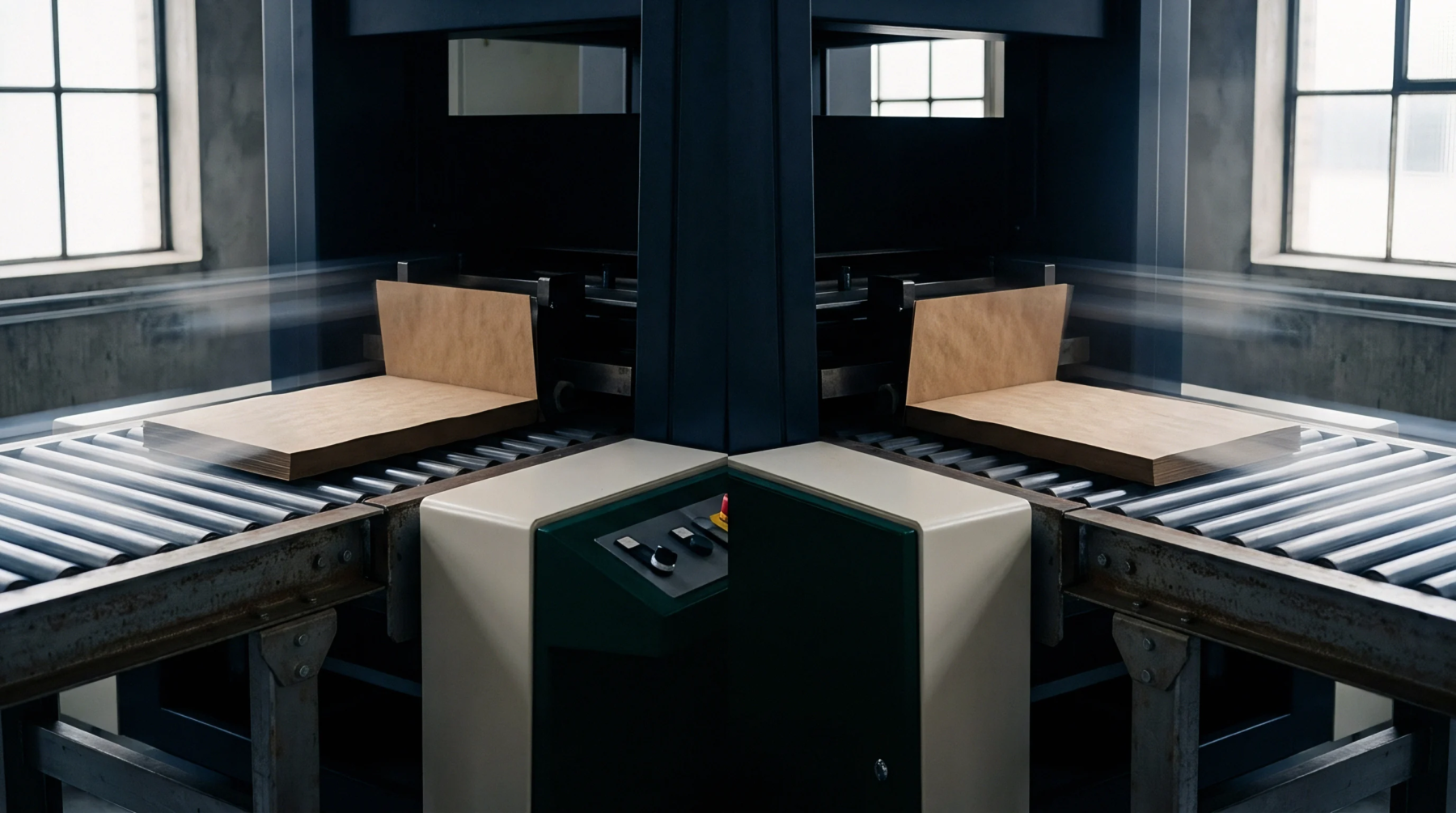
Selective z-directional moisture and thermal calendering plasticizes outer chemical plies to optimize surface smoothness while preserving mechanical core bulk and stiffness.
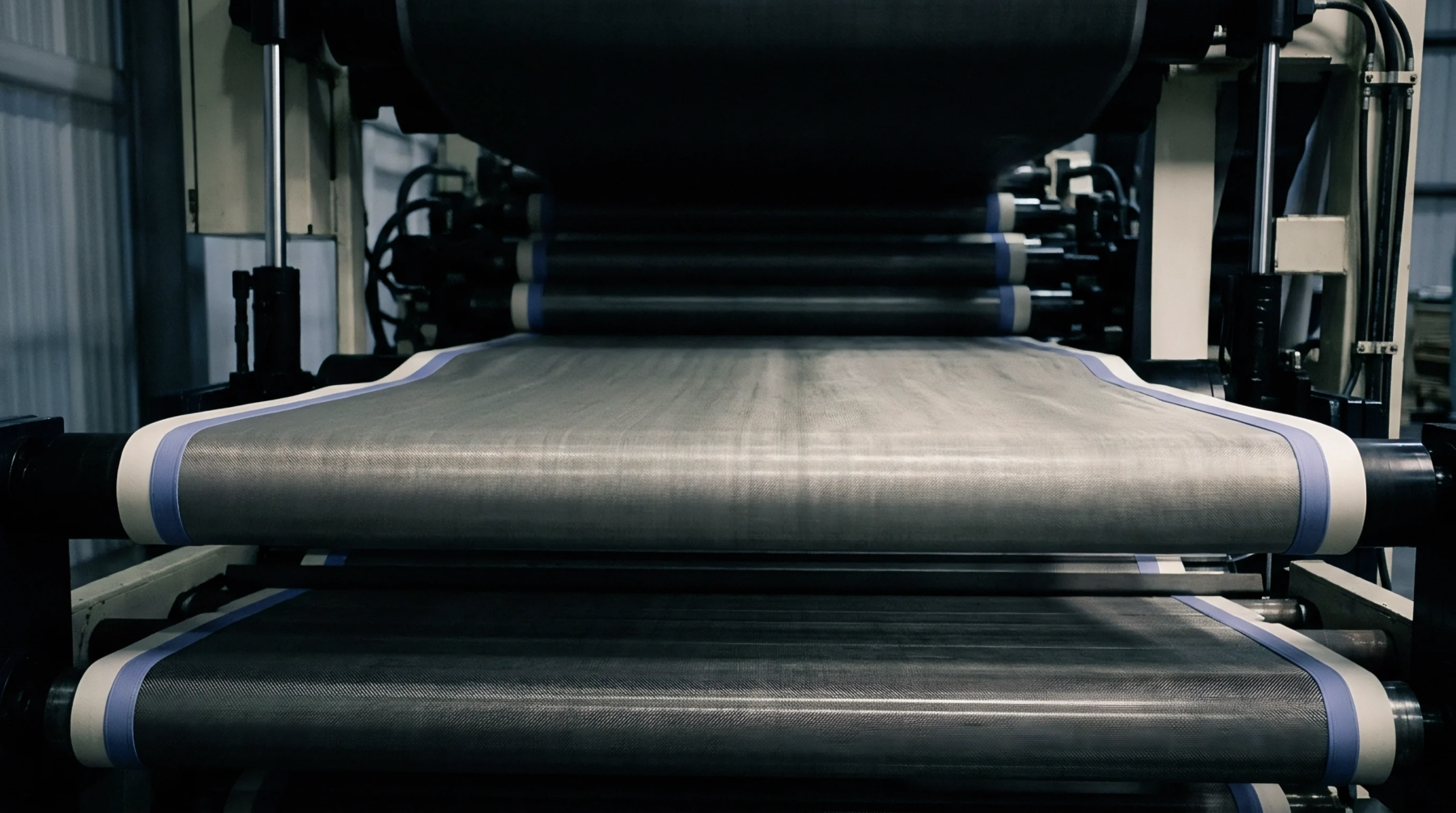
Moisture-gradient calendering plasticizes outer chemical skins while keeping mechanical cores dry, maximizing FBB bending stiffness and yield.
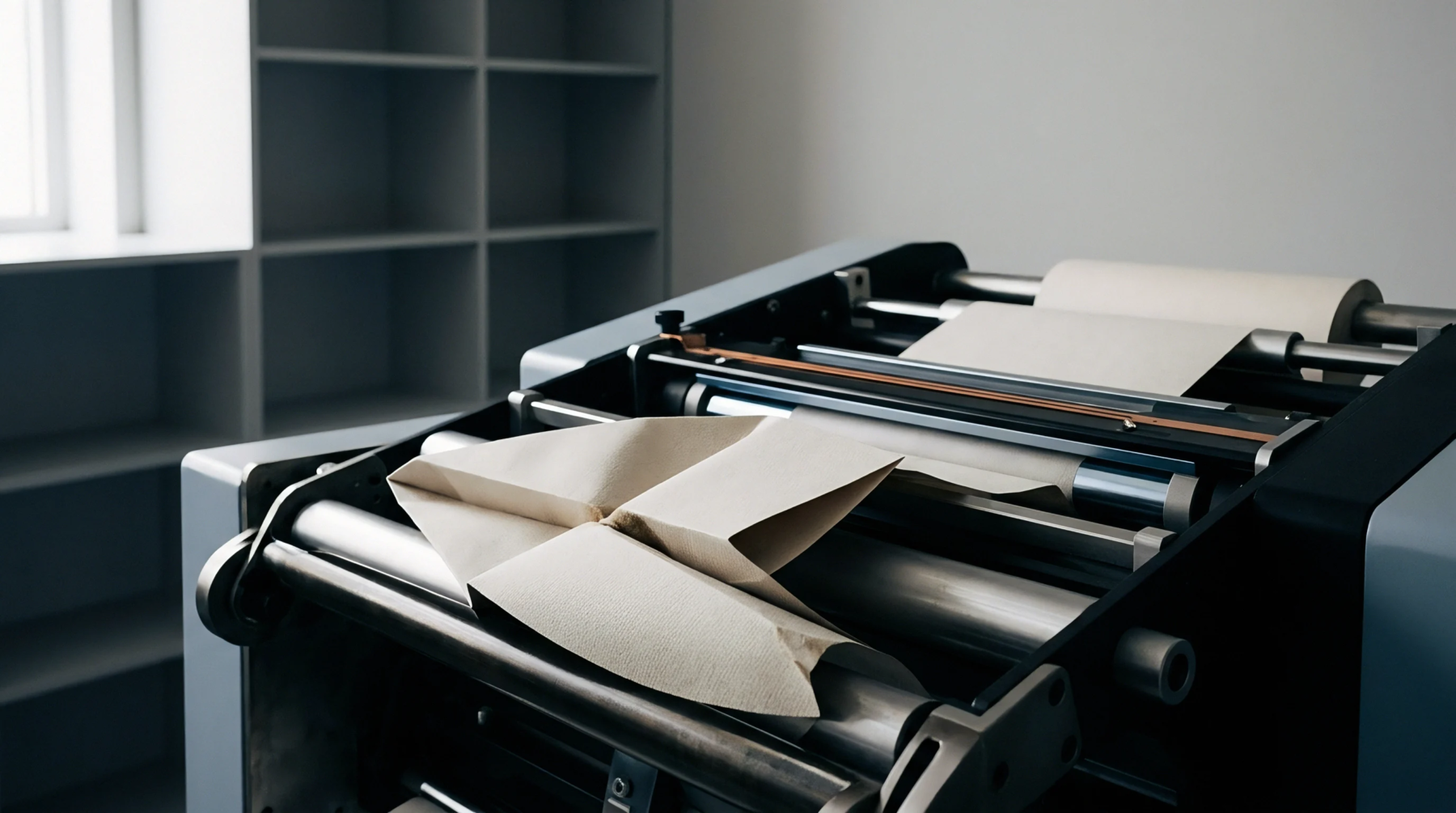
Selecting steel creasing rules and matrix channels for coated FBB requires matching board caliper and CTMP core shear limits to prevent surface cracking.

Water-based dispersion coatings achieve food barrier requirements while maintaining full fiber repulpability and standard mill recovery yields.
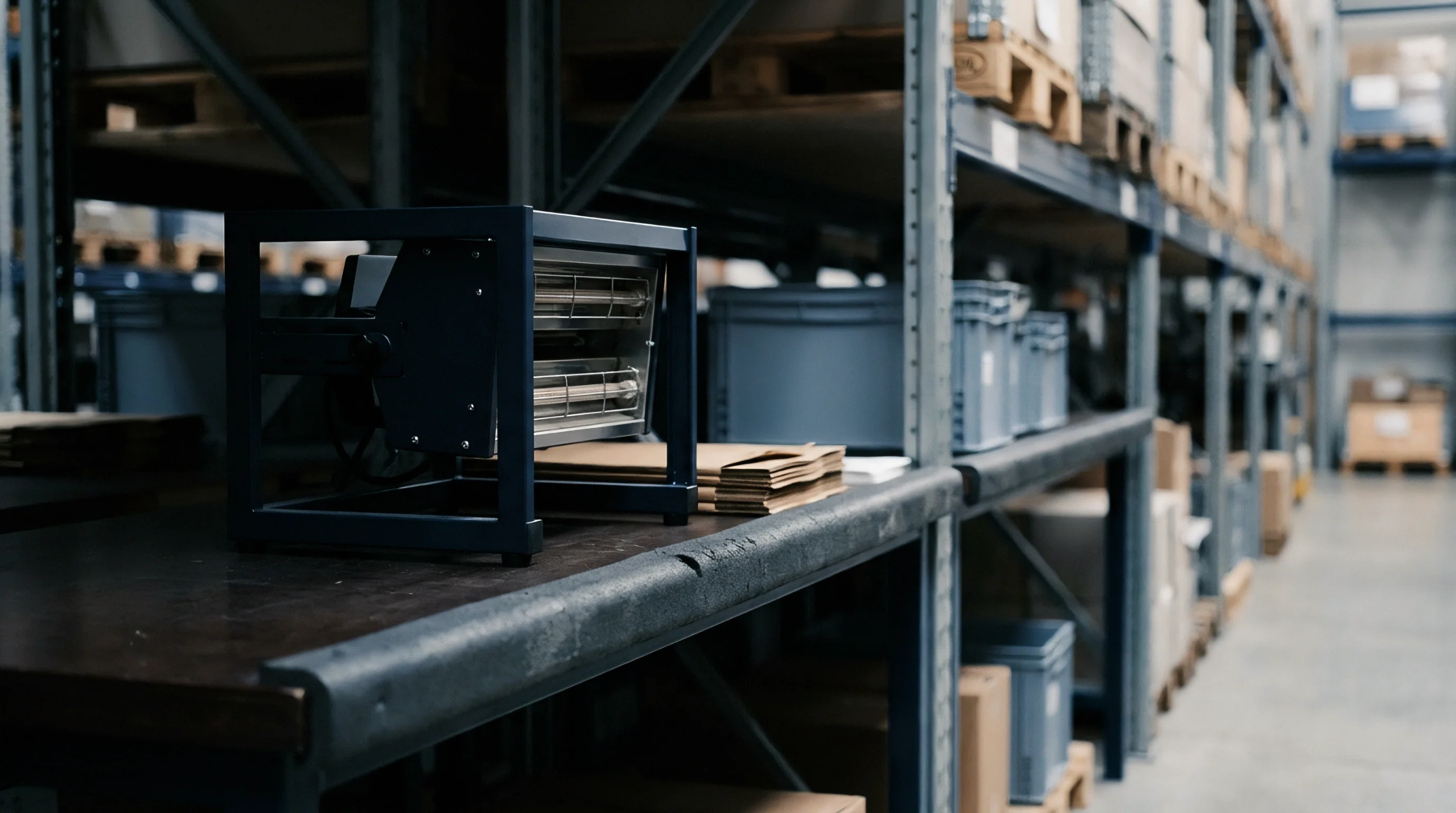
Unheated warehouse storage alters boxboard moisture equilibrium, inducing wavy edges and core bond loss; thermal acclimation before press release prevents spoilage.

Landed sheet cost calculations require combining imposition trim, setup spoilage, moisture-adjusted mass, tare deductions, and scrap credits per unit.
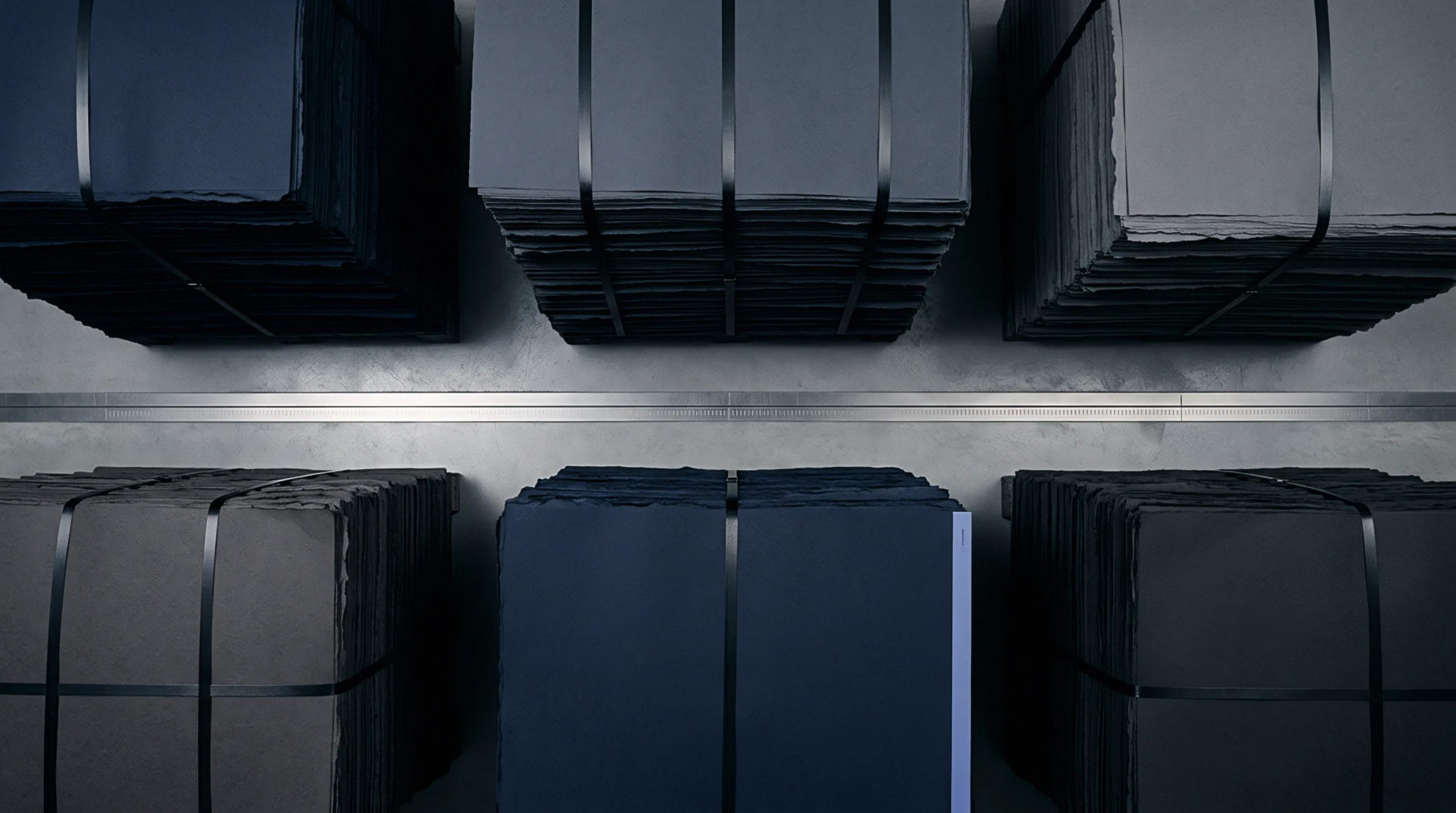
Fractionating recycled furnish prior to low-consistency refining preserves boxboard caliper while meeting internal bond targets at reduced energy consumption.
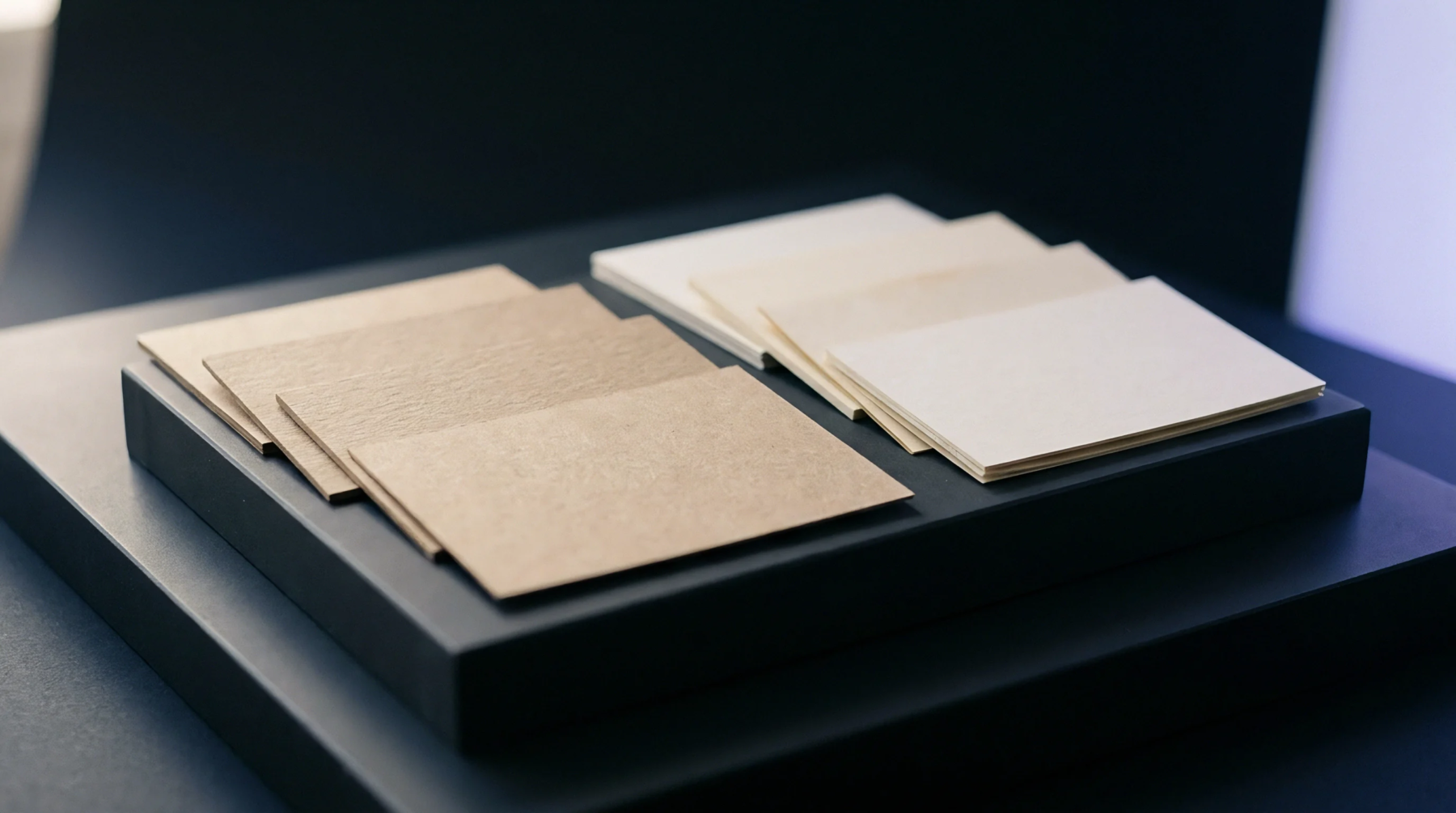
Virgin SBS provides superior print brightness, stiffness consistency, and crack-free scoring, whereas recycled board lowers initial cost but adds waste.

Single-sided plastic lamination causes heavy converting scrap and triggers severe EU EPR eco-modulation tariffs when plastic film mass exceeds 5 percent.
Optimize matrix channel clearance using board caliper and rule thickness formulas to guarantee internal ply delamination while preventing outer liner score cracking.

Grammage and caliper specifications require ISO test method conditioning standards and tight bulk tolerance clauses to prevent converting line failures and yield losses.

Commercial landed cost variance depends on sheet yield, press spoilage, and EPR de-inkability fee surcharges triggered by grade substitution.
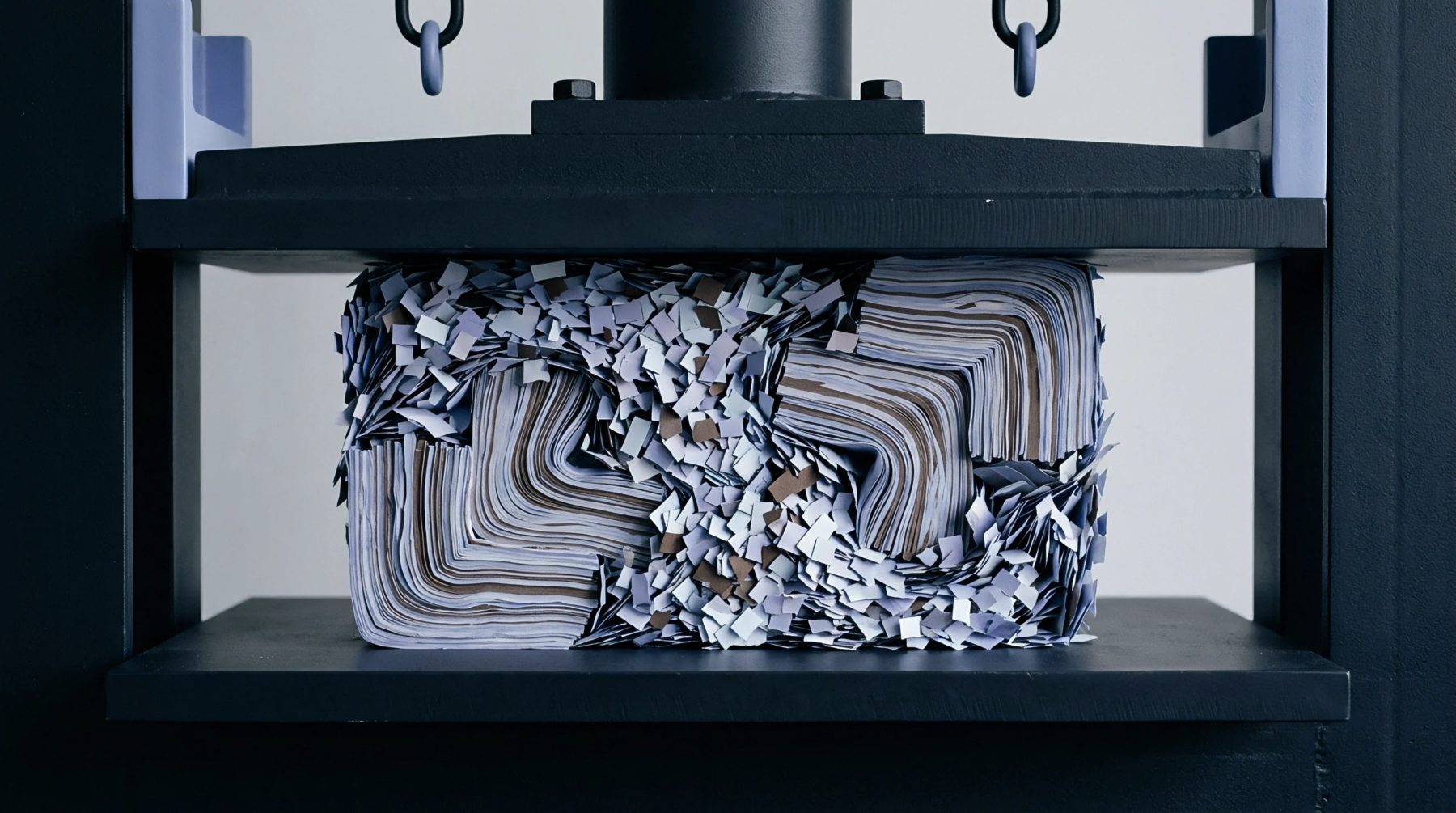
Recycled fibre shortening and hornification limit bending strain, requiring wider matrix channels and virgin top layers to prevent score cracking.

Matching substrate furnish and bulk to press stress secures structural integrity, optimizes print quality, and minimizes total landed packaging cost.
Expertise is a utility, not a secret. sentiention™ publishes its working knowledge as open reference: intelligence layer covering the materials it sources, the markets it enters, and the reference that serves both.