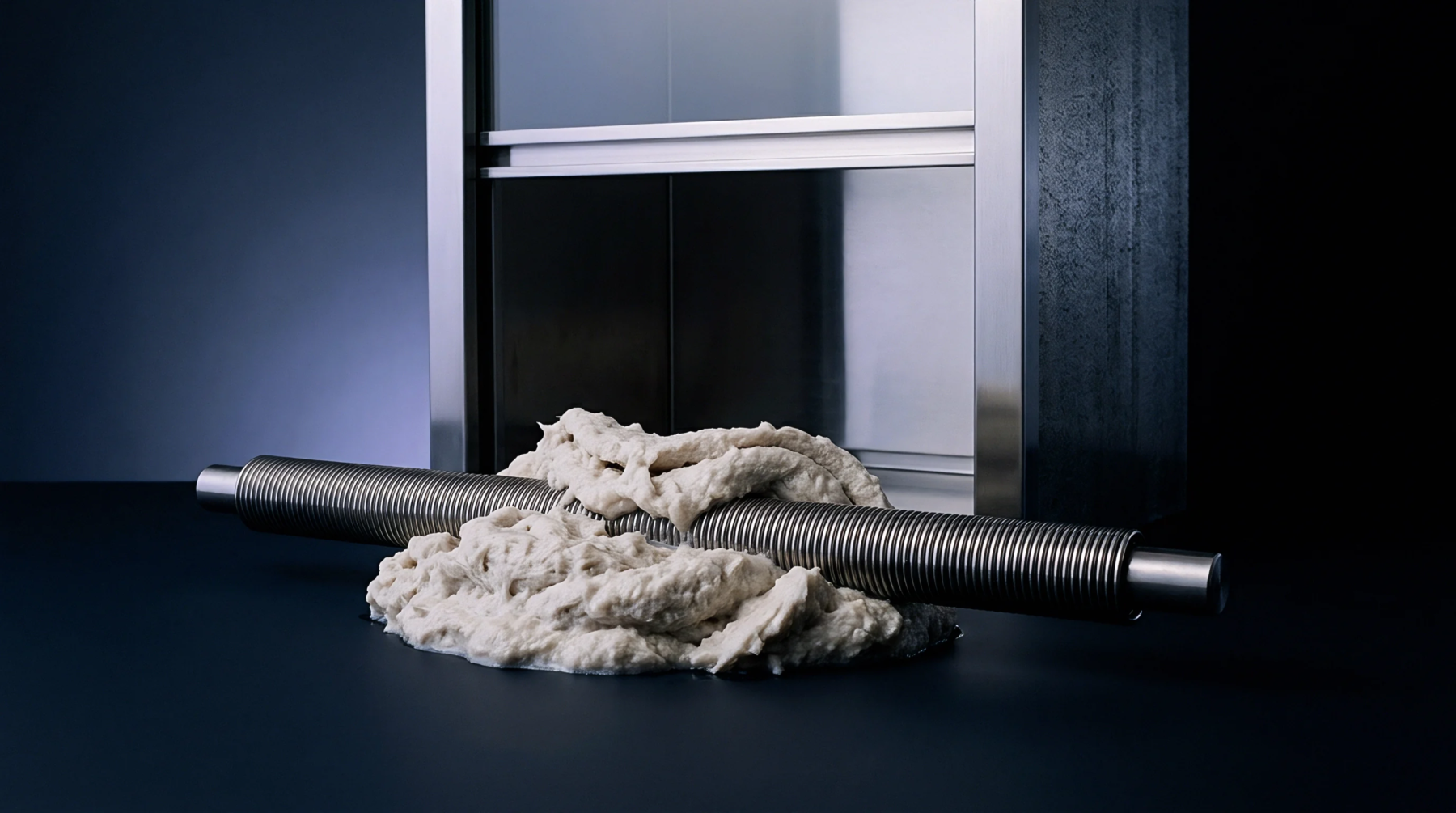
Coalescence Threshold
The specific temperature at which polymer particles in a waterborne coating join to form a continuous film defines the processing limits of the material. A minimum film formation temperature dictates the ambient and substrate conditions required during the drying phase. If the environment is cooler than this value, the coating will dry as a brittle powder.
It is a fundamental property of acrylic and vinyl dispersions used in paper converting.
Formulation Impact
Chemists adjust the hardness of the resin to move the limit higher or lower depending on the intended use. A low minimum film formation temperature allows for easier drying but may result in a softer coating that is prone to scuffing. Adding plasticizers can lower this threshold to improve performance in unheated production facilities.
Production Control
Monitoring the temperature of the drying tunnel and the board surface ensures that the coating reaches its full functional potential. When the minimum film formation temperature is not met, the barrier properties of the film are compromised. This leads to issues such as poor water resistance or reduced gloss.
Sophisticated infrared sensors often track the web temperature to maintain the process within the safe operating window for the specific chemistry being applied. Failure to reach the necessary threshold results in a fractured film that cannot prevent the migration of oils or moisture.