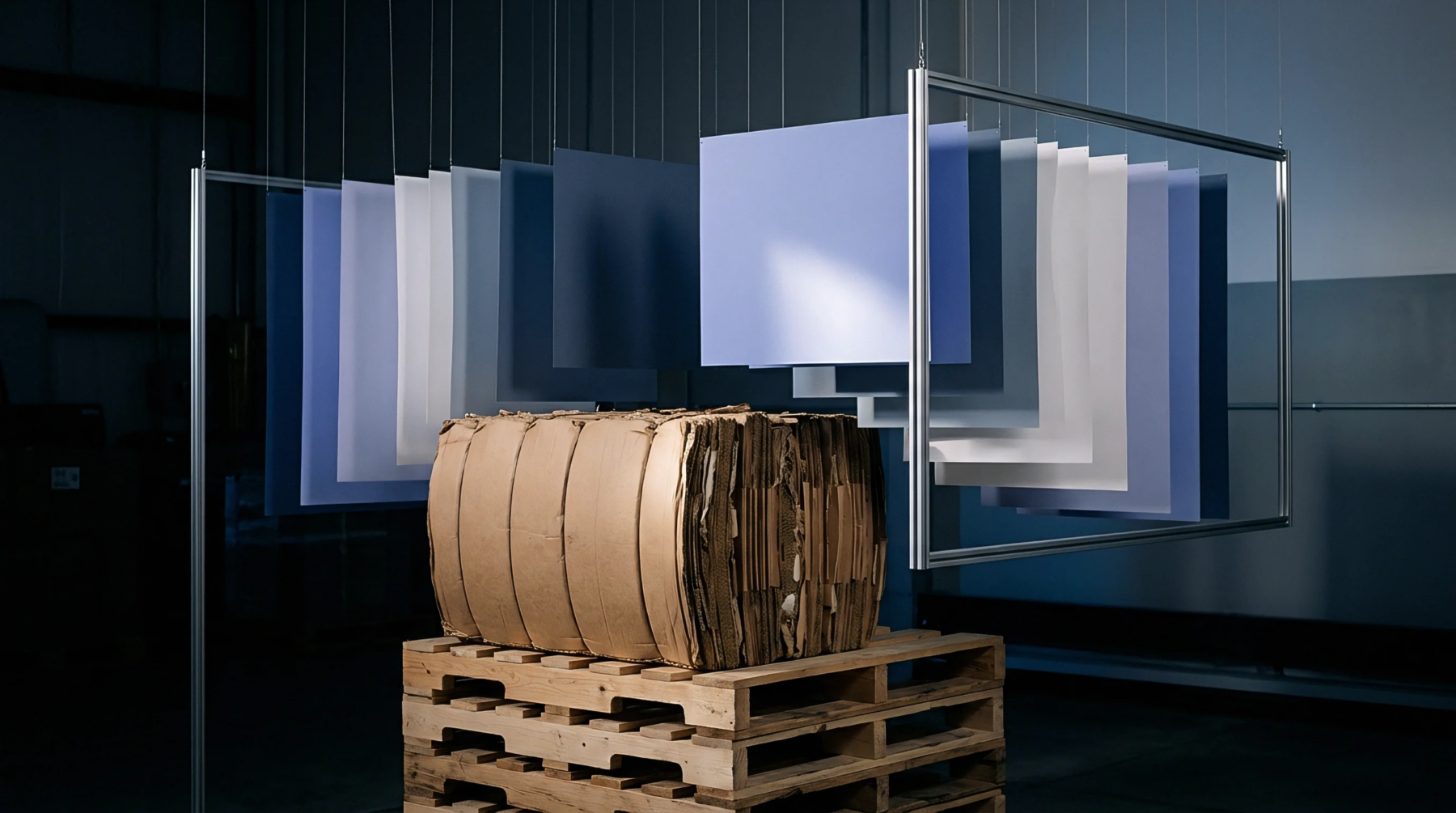
Selecting Food Simulants for Recycled Paperboard Specific Migration Limit Compliance
Recycled paperboard specific migration testing demands solid simulant Tenax or validated substitute media to prevent fiber breakdown and false analytical results.
Recycled paperboard specific migration testing demands solid simulant Tenax or validated substitute media to prevent fiber breakdown and false analytical results.

Interfibrillar swelling in recycled board plies generates interface shear stresses that fracture coatings and degrade stacking strength under cyclic humidity.
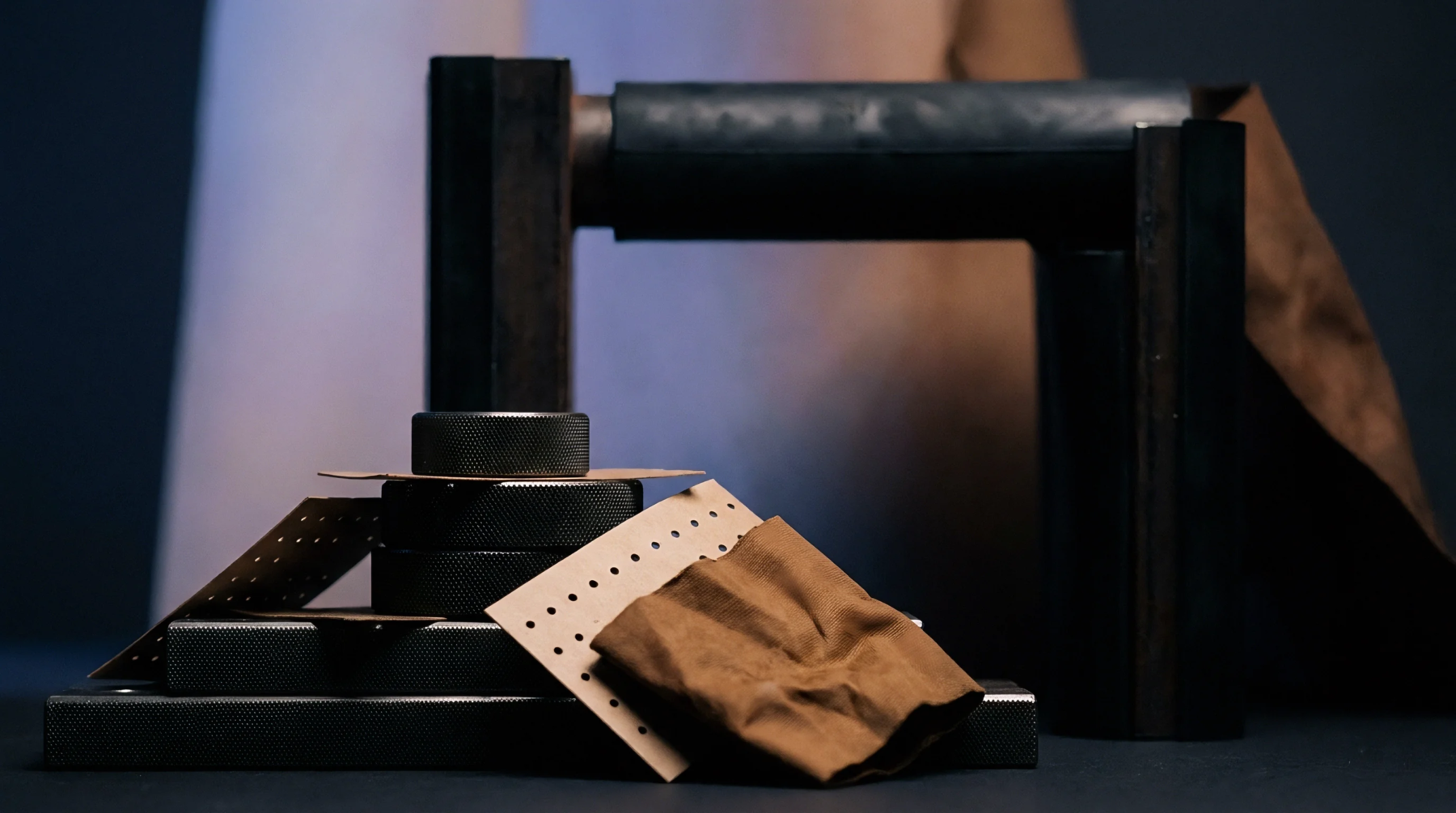
Validating paperboard claims requires cross-checking certificate scope codes on public databases and securing batch migration test reports.

Evaluating paperboard barrier food contact declarations requires verifying specific migration limits, functional barrier continuity, and total NIAS disclosures.

Predicting set-off migration requires calculating local pressure peaks across board caliper variations to set safe pile heights and barrier coat weights.

Virgin solid bleached sulfate delivers superior score integrity and brightness, while recycled board reduces raw material expenditure when stiffness targets allow.
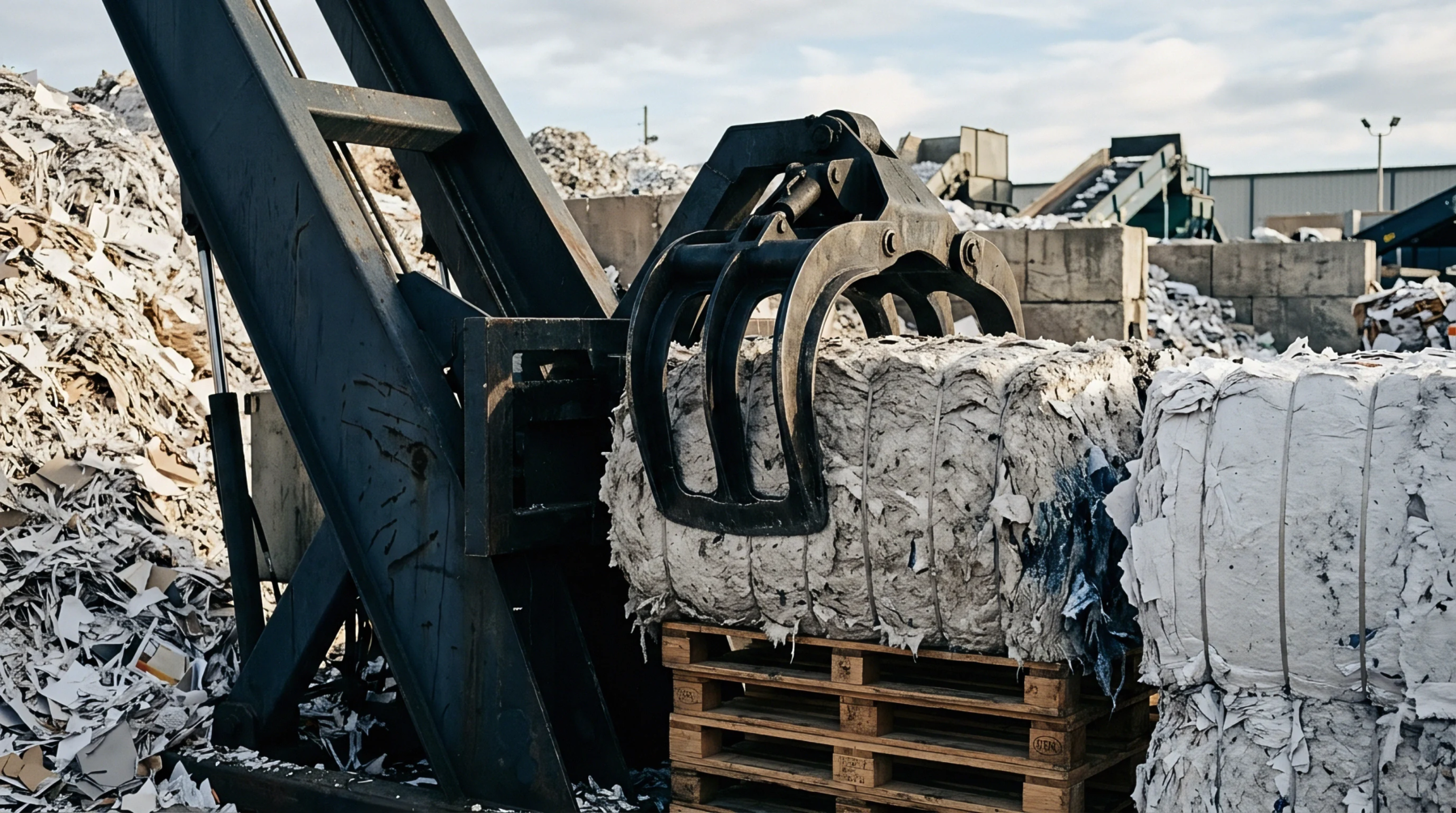
Auditing fiber ratios combines ISO 9184 furnish microscopy and ash testing with strict FSC and PEFC invoice-level mass balance chain of custody reconciliation.
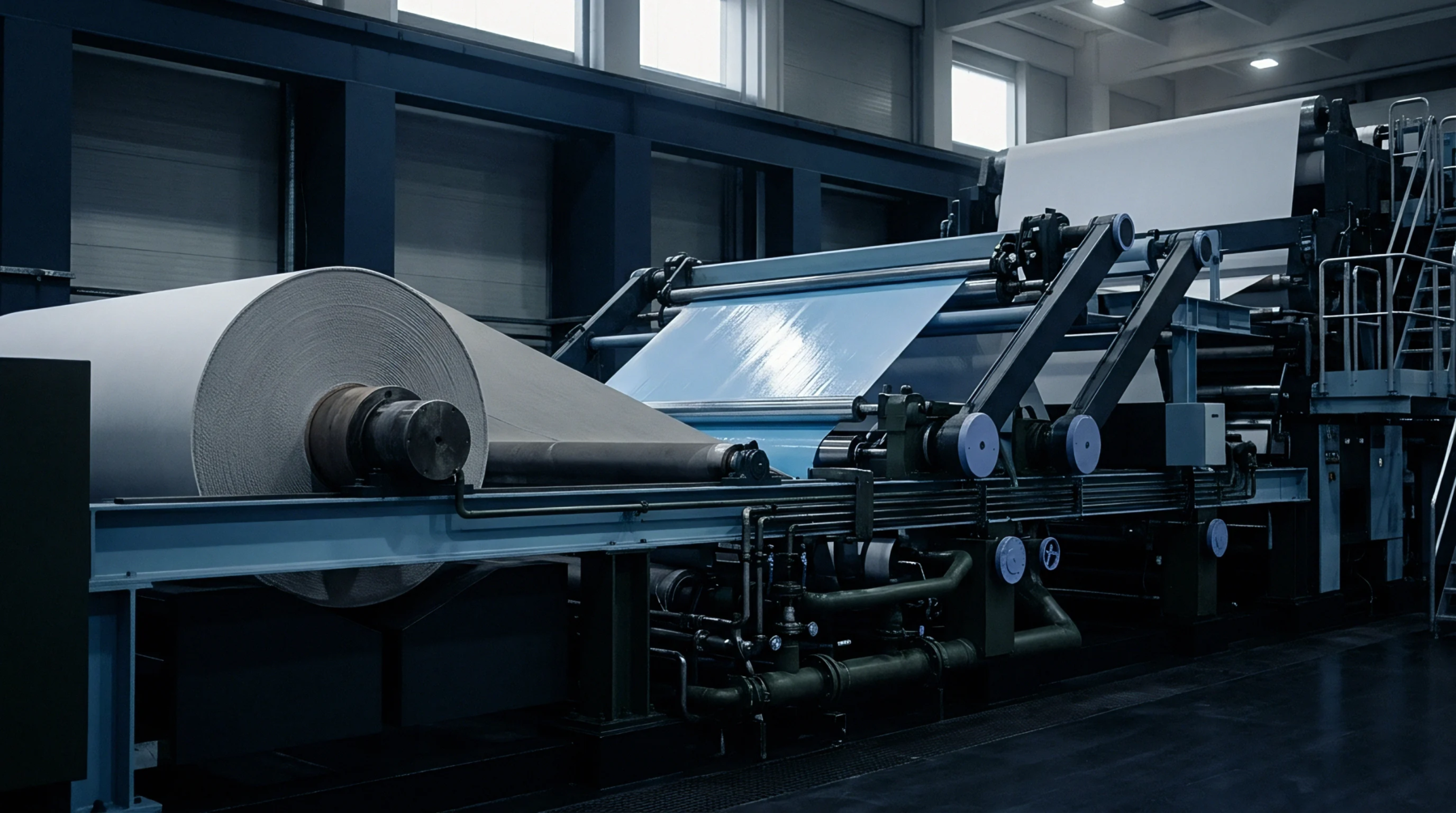
Dynamic climate chamber testing under cyclic relative humidity isolates mechanosorptive creep failure modes that standard static equilibrium conditioning miss.

Recycled paperboard verification requires valid chain of custody certificates, mass balance ledgers, and lab migration test reports to clear retail compliance.

Polymeric paperboard barrier integrity depends on kinetic diffusion rates and mechanical crease limits verified through certified mass transfer modeling.
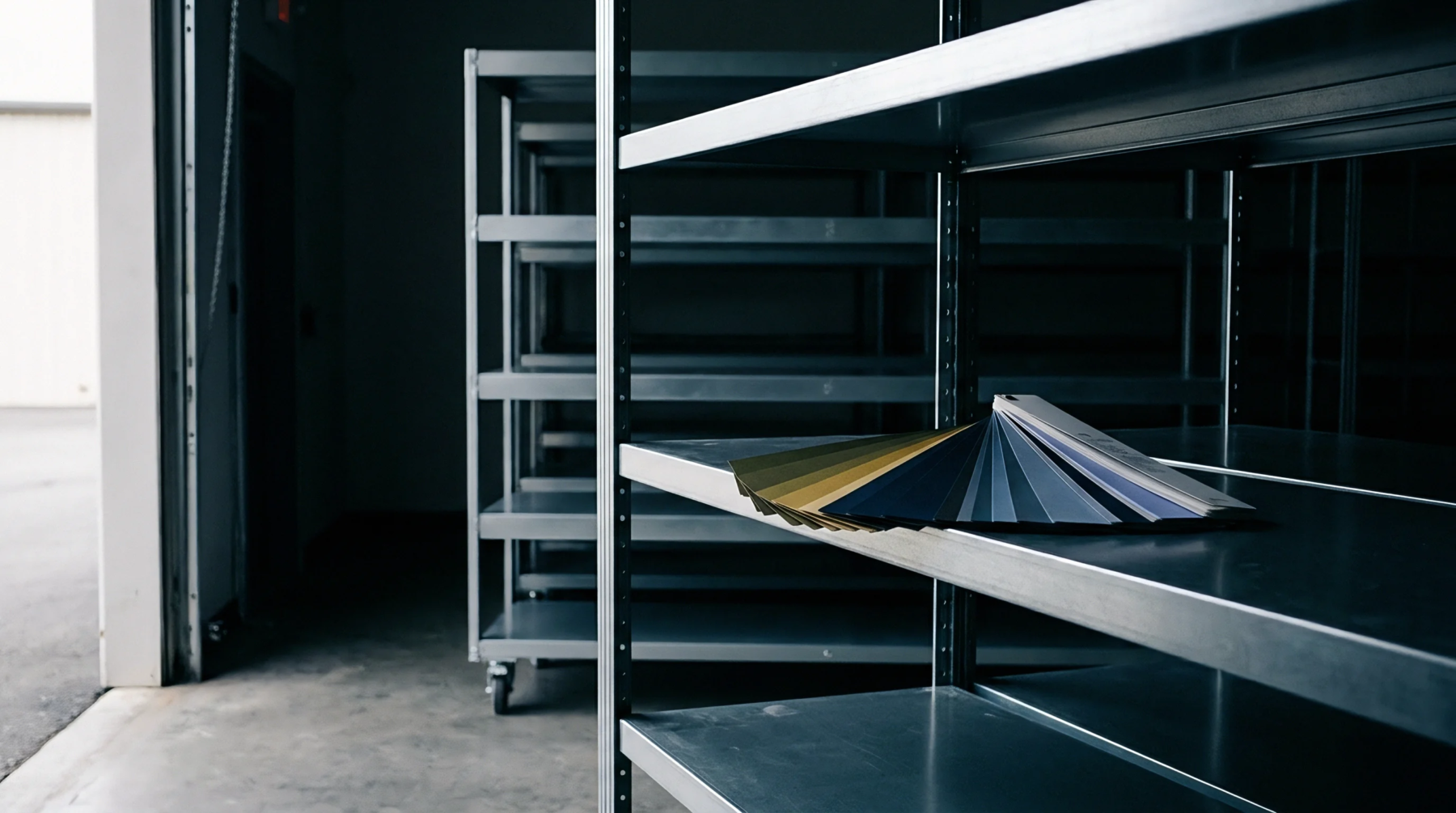
Volatile hydrocarbon qualification in recycled paperboard requires Tenax gas phase migration testing and LC-GC-FID analysis to verify MOAH levels below 0.15 mg/kg.
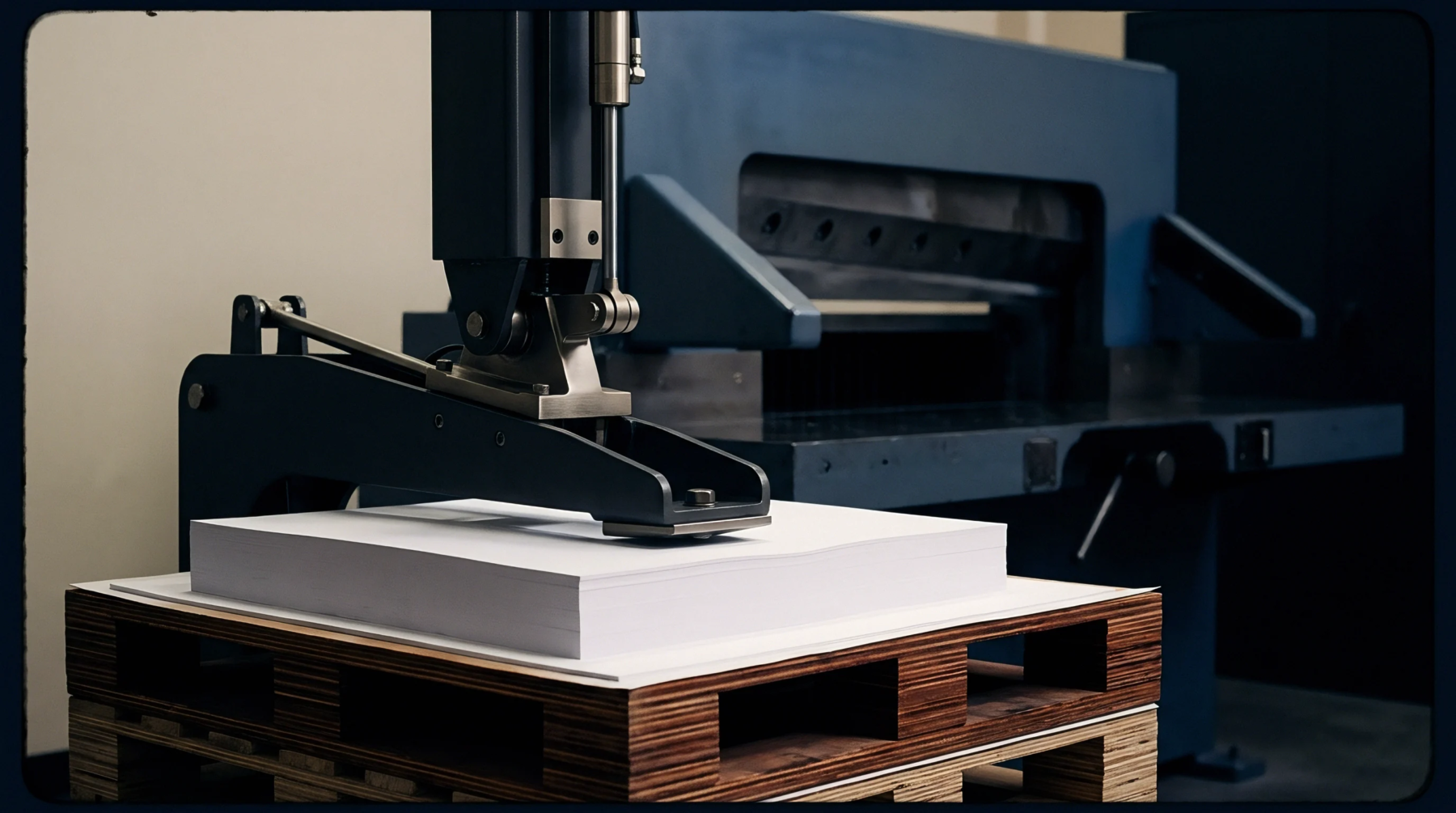
Verify mill test certificates against ISO 2859 sampling on arrival; static swatches omit deckle variance, transit moisture creep, and food migration risks.
Expertise is a utility, not a secret. sentiention™ publishes its working knowledge as open reference: intelligence layer covering the materials it sources, the markets it enters, and the reference that serves both.