Aqueous Dispersion Coating Barrier Equivalency and Repulpability Thresholds under EU Recyclability Schemes
Aqueous dispersion coatings replace extruded polyolefins by trading higher drying energy for mono-material EPR fee rebates when repulpable under CEPI rules.
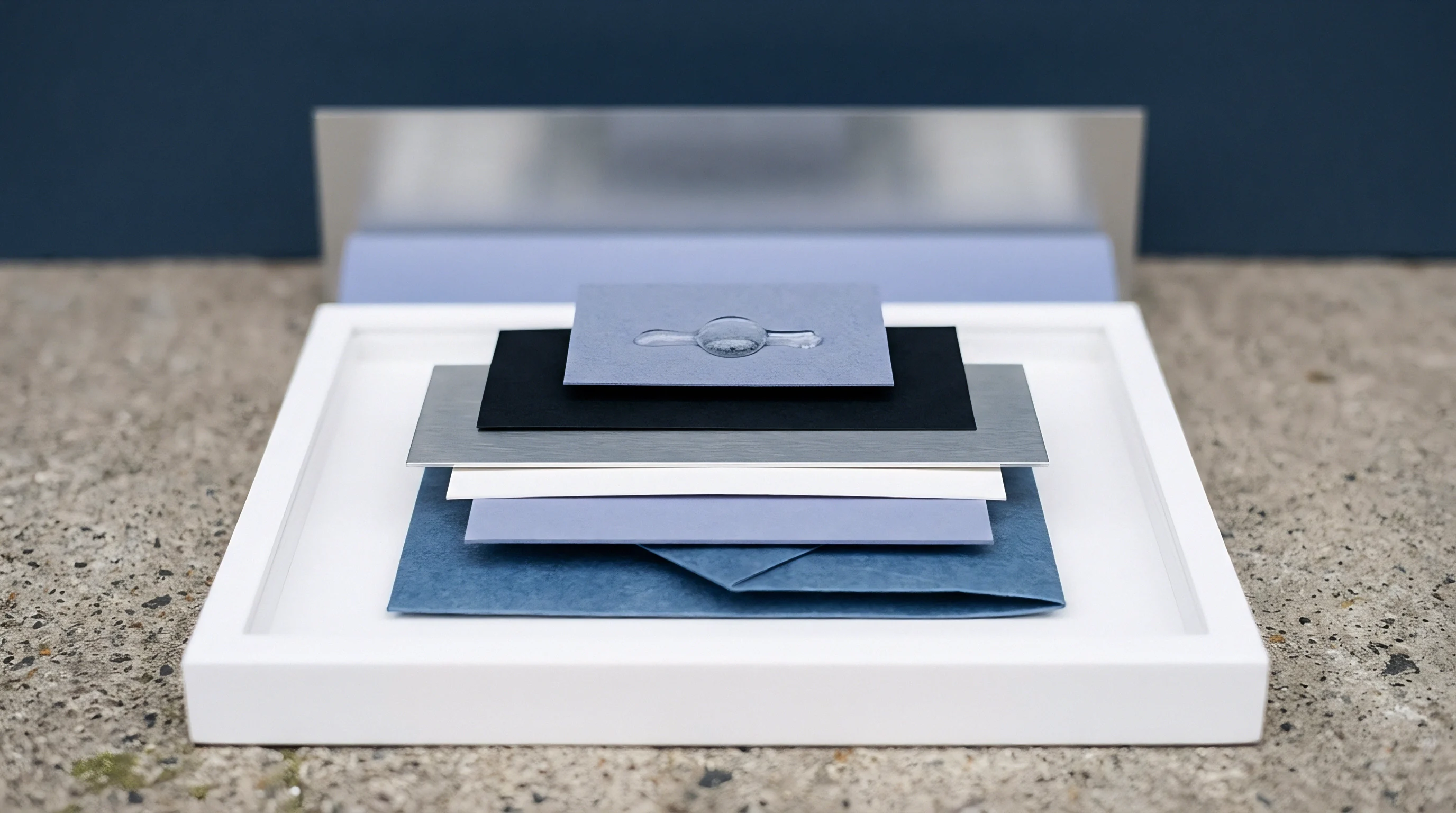

Resin
Waterborne polymer emulsions deposited on paperboard alter surface thermodynamics through capillary absorption and subsequent film formation. A solid bleached sulfate cartonboard base of 250 g/m² accepts a dried aqueous polymer weight between 4 and 12 g/m² depending on coater configuration. Polyethylene film extrusion places a continuous 15 to 20 g/m² low-density polymer blanket across the board in a single pass.
The resulting interfaces differ in morphology. Extruded polyethylene creates a mechanically anchored, pinhole-free film across high fiber peaks. Waterborne acrylic or styrene-butadiene dispersions rely on droplet deformation, particle coalescence, and capillary consolidation inside the inter-fiber valleys.
High fiber peaks remain exposed unless a preliminary mineral pre-coat fills the surface topography.
Water vapor transmission rate defines the primary barrier divergence between these chemistries. Measurements conducted under tropical conditions of 38 degrees Celsius and 90 percent relative humidity expose acute performance boundaries. Extruded low-density polyethylene delivers water vapor transmission rates between 12 and 18 g/(m²·day).
A single-pass aqueous dispersion coating of 6 g/m² dry weight typically logs transmission rates exceeding 80 g/(m²·day) under identical conditioning. Closing this gap demands a formulated dual-pass architecture: an initial 5 g/m² high-pigment leveling layer followed by a 6 g/m² hydrophobic topcoat. That combination lowers the value to 22 g/(m²·day).
| Coating Architecture | Dry Coat Weight (g/m²) | Cobb 60 (g/m²) | Kit Value (1 to 12) | WVTR Tropical 38°C / 90% RH (g/m²·day) | MOSH Migration 30-Day Limit (mg/kg) |
|---|---|---|---|---|---|
| Extruded Low-Density Polyethylene | 15 | 0.4 | 12 | 14 | < 0.1 |
| Single-Pass Styrene-Acrylate Dispersion | 6 | 4.2 | 8 | 88 | 2.4 |
| Double-Pass Styrene-Acrylate with Talc | 11 | 1.8 | 11 | 24 | < 0.5 |
| Pure Acrylic Dispersion with Crosslinker | 8 | 2.1 | 12 | 45 | 0.8 |
| Paraffin-Vegetable Wax Lamination | 18 | 1.1 | 9 | 19 | 1.2 |
Liquid water holdout measured by the Cobb method reveals closer parity. An uncoated folding boxboard records a Cobb 60 absorption value near 45 g/m². Applying 6 g/m² of carboxylated styrene-butadiene dispersion drives this value below 3 g/m².
Extended contact across 1800 seconds tests film continuity. Pinholes caused by entrained micro-foam during applicator nip transfer allow capillary liquid draw into the substrate core. A single air bubble creates an localized entry point.
Liquid spreads through the base board within minutes.
Pinholes inside dried waterborne layers increase 1800-second water penetration by four hundred percent relative to solid extruded films.
Oil and grease resistance introduces distinct chemical demands. The standard Kit test measures surface wetting against hydrocarbon mixtures containing varying ratios of castor oil, toluene, and heptane. Pure acrylic dispersions formulated with polar functional groups achieve Kit 12 with a dry coat weight of 7 g/m².
Polyethylene extrusion reaches Kit 12 solely through film thickness, though hot fats extract low-molecular-weight oligomers at elevated filling temperatures. Mineral oil saturated hydrocarbons and aromatic hydrocarbons require tortuous path resistance. Dispersions formulated with platelet talc align laminar mineral barriers parallel to the paperboard plane.
This orientation delays hydrocarbon breakthrough past thirty days at 40 degrees Celsius.
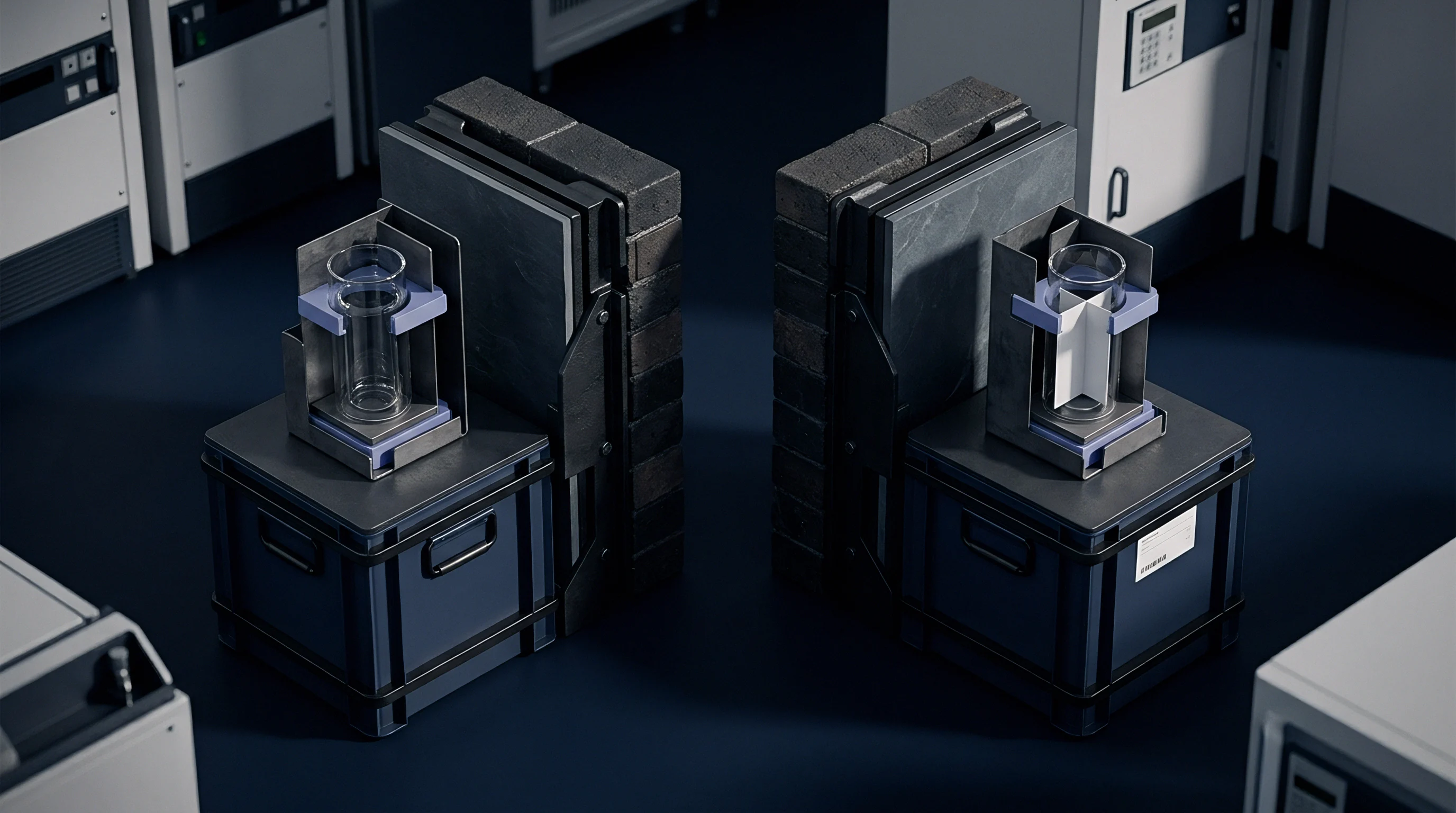
Functional Deposition Modes
Gravure cylinders, reverse roll coaters, and metering size presses generate distinct film uniformities across identical base sheets. Blade coaters shear the fluid, packing dispersion particles into surface voids while leaving raised fibers thinly covered. Rod coaters lay an even contour over paper peaks, preserving a uniform polymer skin across the sheet profile.
Double-pass deposition remains necessary for food packages requiring both high moisture defense and oil retention. Converting lines running two successive drying tunnels split the deposition between a functional pre-coat and a hydrophobic topcoat. The first pass plugs porosity; the second pass builds continuity.
Polymer selection determines boundary mechanics:
- Carboxylated styrene-butadiene emulsions provide flexible matrices at low cost but suffer aromatic taint risks under direct food contact.
- Styrene-acrylate copolymers deliver balanced grease defense and moderate water vapor resistance across high-speed rod coaters.
- Polyhydroxyalkanoate waterborne suspensions offer bio-based carbon sourcing while presenting narrow drying windows during processing.
- Ethylene acrylic acid dispersions generate high grease barrier properties accompanied by aggressive platen heat sealing performance.
Specifying a single coat pass for a tropical moisture barrier causes package wall softening, pallet stack collapse, and product clumping on retail shelves.
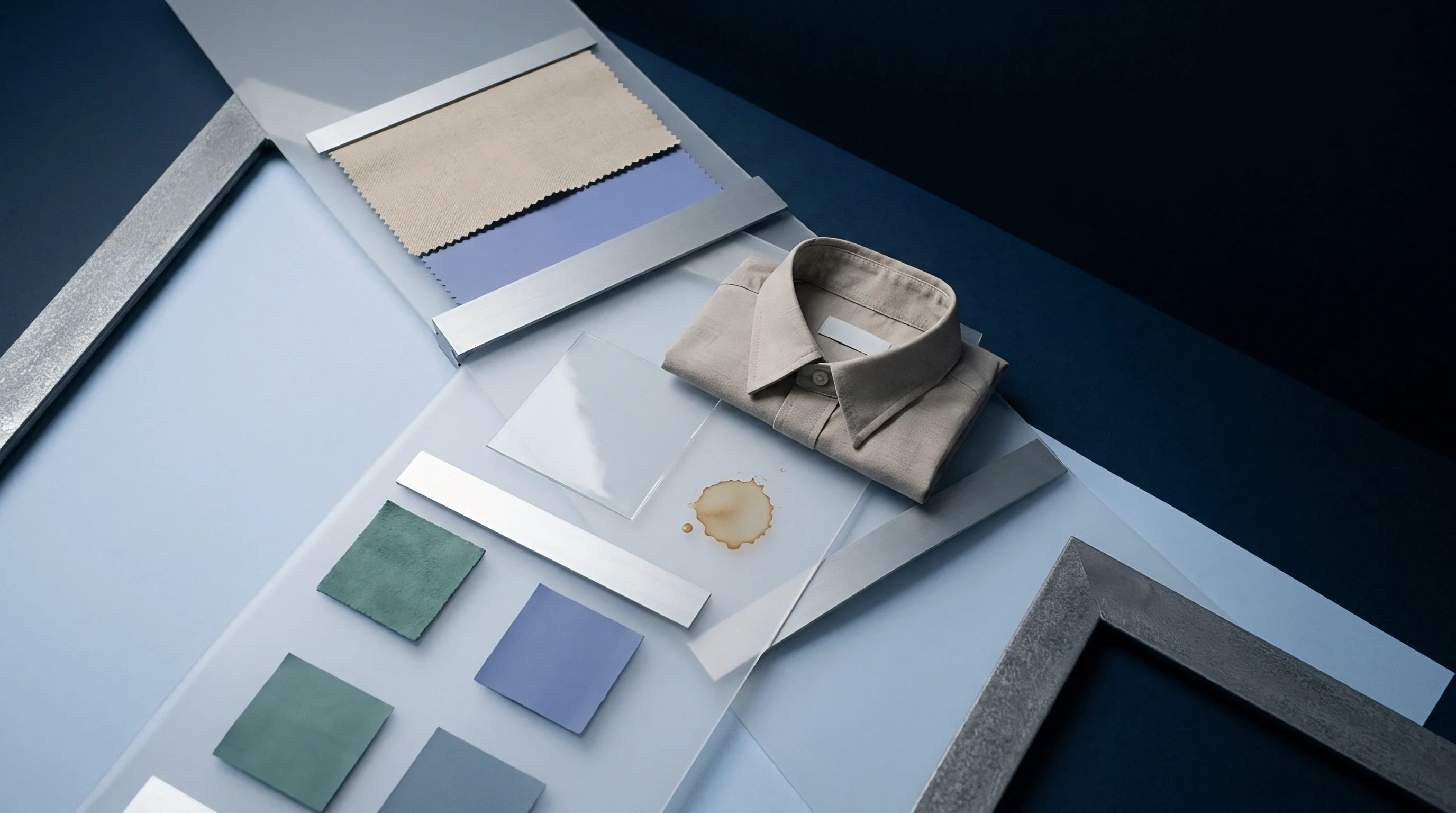
Heat
Thermal energy transfer inside the dryer tunnel dictates whether a wet emulsion forms a contiguous barrier or a fractured array of uncoalesced latex spheres. Water evaporation demands 2260 kilojoules per kilogram of liquid removed, vastly exceeding the thermal energy required to solidify molten polyethylene from an extrusion die. High-velocity hot air hoods run at air temperatures between 130 and 170 degrees Celsius alongside infrared boosters.
When line speeds accelerate to 400 meters per minute, drying residence time falls below two seconds. Rapid surface skinning traps residual moisture beneath an elastic surface skin. Trapped vapor boils through the polymer membrane, generating micro-craters that destroy water vapor resistance.
Drying profiles dictate minimum film formation temperature. Polymer particles suspended in water possess specific glass transition values ranging from minus 15 to plus 45 degrees Celsius. Formulations with low transition points coalesce without excessive oven thermal input.
Low transition points introduce severe downstream consequences on rewound master rolls. Master reels wound under tensions above 220 Newtons per linear meter fuse when stack temperatures remain above the polymer softening point. The dispersion on the coated face sticks to the uncoated reverse side of the board.
Web tear results upon unwinding.
Seal Initiation Windows
Thermal sealing stations on cartoning lines apply concentrated platen heat through the outer board to initiate inner polymer fusion. Extruded low-density polyethylene softens across a predictable melting plateau between 105 and 115 degrees Celsius. Dispersion formulations containing hard acrylics possess broad softening bands.
A platen temperature setting of 130 degrees Celsius may yield fiber-tearing seals under 0.3 seconds of dwell, yet an increase in board caliper from 300 to 450 microns delays interface heating. Operators increase platen temperatures to compensate. Excessive exterior platen heat blisters the outer varnish coat while scorching surface printing.
Creasing rule mechanics expose the balance between flexibility and hardness. Scoring a carton blank forces the board downward between steel female counter-dies. Extruded polyethylene stretches across the crease hinge without rupture.
Dispersion films with high glass transition temperatures crack under this localized tensile deformation. A microscopic fissure running the length of a carton edge drops water vapor defense immediately. Creased specimens of single-coat dispersion board demonstrate moisture vapor transmission increases exceeding 500 percent compared to flat swatches.
Formulators add plasticizers to improve flexibility at the fold, though these additives simultaneously depress the blocking threshold inside the rewound reel.
Suppliers frequently defend creasing cracks by claiming the converting line used improper rule profiles and incorrect matrix channel widths.
Slurry
Hydropulper actions tear printed packaging into suspended individual fibers through mechanical shear and hydraulic turbulence. Conventional paper mills process recovered fiber in low-consistency hydropulping vessels at pulp densities between 4 and 6 percent dry solids. Thermal input maintains water temperatures at 40 degrees Celsius across residence times between 10 and 20 minutes.
Chemical additives remain absent during standard mechanical pulping of packaging board. Extruded polyethylene films resist fiber separation initially, forming large plastic sheets that delaminate cleanly from the cellulose base. These broad plastic remnants discharge over hydropulper ragger ropes or coarse detrasher plates.
Waterborne dispersion coatings break apart through an entirely distinct physical path. Mechanical shear fractures the coalesced polymer film into thousands of discrete flakes. The chemical structure of the synthetic binder determines the size distribution of these particles.
Crosslinked, water-insoluble polymers shear into brittle fragments ranging from 50 to 500 microns in diameter. Alkali-soluble coatings containing acrylic acid functional groups dissolve or disperse into sub-micron colloidal particles when exposed to alkaline pulper chemistries at pH 9. Standard European packaging recycling mills operate strictly at neutral pH values between 6.8 and 7.4.
Unneutralized dispersion coatings remain insoluble fragments suspended inside the pulp stream.
- Disintegrate fifty dry grams of sample board in the standard laboratory vessel at 40 degrees Celsius for twenty minutes under standard consistency.
- Dilute the resulting stock suspension to zero point five percent consistency with ambient process water.
- Extract a pulp aliquot to calculate dry mass input for initial fiber balance verification.
- Pass the suspension through a laboratory Somerville screen fitted with zero point one five millimeter calibrated slots.
- Collect coarse rejects retained by the plate for oven-dry gravimetric weighing.
- Form handsheets from the accepts pulp according to DIN EN ISO 5269-2 to evaluate formation uniformity and surface defects.
Fiber yield calculations record the mass fraction of original cellulose recovered from the process. Low-consistency processing of high-yield virgin fiberboard coated with 8 g/m² of dispersion achieves fiber recovery rates near 96 percent. Processing boards with heavy mineral pre-coats and synthetic binders reduces recovered fiber fractions.
Pigment particles and latex fragments pass through accept channels or escape with wastewater clarifier sludge. Modern mill clarifiers capture suspended organic solids, yet fine polymer colloids increase the chemical oxygen demand of process water circuits.
Dispersions must break into clean particles without generating gelatinous colloidal matter that fouls mill white-water loops.
Fibers swollen with moisture separate cleanly from flexible coatings under adequate shear. Hard binders cling to individual fibers. The bound cellulose remains trapped within polymer flakes and discharges into reject chutes alongside non-recyclable debris.
Screen
Pressure screens loaded with slotted baskets extract solid non-fibrous foreign material from the disintegrated pulp stream. Mill primary screening systems utilize screen baskets with slot widths between 0.15 and 0.20 millimeters. Particles larger than the slot dimensions cannot pass into the accept flow, traveling instead to reject concentrators.
Extruded polyethylene coatings present mechanical advantages at this production phase. Large plastic flakes cannot bend through narrow slots. Slotted screens capture more than 98 percent of extruded polyethylene films, preventing polymer carryover into the papermaking headbox.
Dispersion coatings generate fragments that match slot dimensions closely. Mechanical pulping actions shear the brittle coating into flakes measuring 0.10 to 0.30 millimeters across. A substantial fraction of these synthetic flakes orients perpendicularly to screen apertures and passes directly through into accepted pulp.
These fragments constitute micro-stickies and macro-stickies. Macro-stickies measure above 100 microns in equivalent diameter. Micro-stickies measure below that threshold.
Both contaminant types circulate indefinitely within the recycled fiber loop unless captured by auxiliary flotation units or fine forward cleaners.

Should Macroparticle Agglomeration Trigger Mill Reject Penalties?
Contaminant particles carrying residual tack agglomerate under the mechanical pressure and thermal conditions of downstream papermaking equipment. Temperature profiles inside paper machine press sections reach 50 degrees Celsius, while drying cylinders exceed 100 degrees Celsius. Tacky latex particles transfer onto forming wires, press felts, and drying cylinder surfaces.
Deposits on dryer cylinders form localized high spots, tearing running paper webs at 900 meters per minute. A single web break halts paper production for forty minutes. Mill superintendents maintain zero tolerance for adhesive build-up on press clothing.
Laboratory assessment frameworks differentiate macro-stickies from neutral mineral dirt through image analysis and tactile adhesion checks:
- Somerville slotted plate rejection isolates particles larger than 0.15 millimeters for gravimetric calculation.
- Black-sheet contrast optical scanning counts contrasting macro-particles across pressed pulp handsheets.
- Thermal press transfer testing presses dried laboratory handsheets against aluminum foil at 120 degrees Celsius to confirm tacky deposit release.
- Micro-sticky extraction profiling utilizes organic solvents to quantify sub-screen polymer masses remaining inside the process filtrate.
| Evaluation Framework | Pulper Consistency and Temperature | Screening Slot Geometry | Coarse Reject Mass Limit | Macro-Stickies Threshold | Minimum Fiber Yield Threshold |
|---|---|---|---|---|---|
| CEPI Recyclability Test Method v2 | 4.5% at 40°C | 0.15 mm Somerville | < 5.0% dry mass | Visual reporting | >= 90.0% standard |
| PTS-RH 021/97 Category II | 4.0% at 40°C | 0.15 mm Haindl | < 2.0% dry mass | < 100 mm²/kg pulp | >= 80.0% clean |
| Aticelca 501 / UNI 11743 Level A | 1.5% at 40°C | 0.15 mm Somerville | < 1.5% dry mass | < 100 mm²/kg pulp | >= 85.0% accepts |
| 4evergreen Protocol Non-Specialized | 5.0% at 40°C | 0.15 mm Somerville | < 5.0% dry mass | Area < 2000 mm²/m² | >= 90.0% virgin |
| Data consolidated from published laboratory methods. Standard testing conducted at neutral pH without chemical reagents. | |||||
Laboratories quantify visual defect counts on paper handsheets formed from accepted pulp. When synthetic binder particles pass the 0.15 millimeter screen, they flatten against hot drying plates. The result appears as translucent grease spots, speck dirt, and mottling across the test sheet.
If the total defect surface area on handsheets exceeds 2000 square millimeters per square meter of sheet area, standard recycling schemes fail the packaging material. Mills producing graphic paper or white packaging liners cannot accept raw stock that discolors the finished web.
UNI 11743 test protocols enforce failure whenever adhesive particles bond permanently to drying plates during handsheet consolidation.
Polymer chemists continue to debate whether post-pulper particle agglomeration can be mitigated entirely through chemical fixation additives in standard recycling mills.
Score
European packaging circularity frameworks define quantitative scorecards that dictate whether a barrier-coated paperboard enters standard recycling systems. The CEPI Harmonised Recyclability Test Method provides the foundational laboratory laboratory procedure for fiber separation, screening, and visual assessment. Building upon that foundation, the 4evergreen alliance developed an assessment protocol that assigns numerical scores between minus 100 and plus 100 to packaging items.
Packaging achieving a score of 16 points or higher qualifies as compatible with standard recycling mills. Scores below zero point indicate that the product requires specialized re-pulping infrastructure or faces outright disposal.
Extruded polyethylene-coated packaging consistently struggles within standard paper mill grading. A paperboard cup containing 5 percent extruded low-density polyethylene releases its film during laboratory pulping, yet the film carries away trapped cellulose fibers. The large plastic rejects exceed coarse rejection thresholds or trap excessive moisture inside the reject stream.
Unless processed in specialized de-inking or liquid packaging board mills capable of handling wet plastic films, poly-laminated cartons receive non-recyclable ratings in standard collection streams.
Do Recyclability Scorecards Harmonize across National Borders?
National certification schemes interpret laboratory results through divergent local mandates. In Italy, the Aticelca 501 system evaluates materials under UNI 11743 standards, grouping packaging into five distinct recyclability tiers. Level A plus requires coarse rejects under 1.5 percent and total macro-sticky areas below 50 square millimeters per kilogram of pulp.
Dispersion-coated cartonboards with high coat weights frequently slip from Level A down to Level B or Level C due to coarse screen residues. Level C requires an eco-fee surcharge from converters, penalizing the material at retail.
In Germany, the Minimum Standard published by the Central Packaging Registry evaluates packaging items against designated sorting and processing capacities. Paper packages containing more than 5 percent non-paper components face strict proof requirements regarding actual fiber yield and processing compatibility. Under upcoming EU Packaging and Packaging Waste Regulation provisions, all packaging placed on the market must achieve verified recyclability grades.
Grade A requires 95 percent recyclability by weight, Grade B requires 85 percent, and Grade C requires 70 percent. Packaging falling below 70 percent will be barred from EU markets after 2030.
Qualification requires rigorous technical documentation:
- Accredited laboratory test reports detailing fiber yield and reject mass fractions under CEPI Version 2 rules.
- Micro-sticky quantification summaries confirming absence of tacky deposits on forming wires.
- Detailed bill of materials declarations documenting the exact dry mass percentages of mineral pigments, synthetic binders, and base cellulose.
- Finished carton crease integrity certifications proving barrier retention along machine-creased edges.
Contractual agreements between brand owners and converting plants enforce technical performance thresholds through strict warranty lines:
The finished folding carton must achieve Level A compliance under Aticelca 501 testing, certified by an accredited third-party laboratory, as an explicit condition of commercial lot acceptance.
Failure to hit that certified threshold triggers immediate lot rejection and transfers extended producer responsibility fines directly onto the converting supplier.

Settlement
Financial calculations dictate the transition from extruded polyolefin laminations to aqueous dispersion barrier coatings. A 300 g/m² virgin folding boxboard specified with a 15 g/m² single-sided low-density polyethylene extrusion carries predictable raw material pricing. Polyethylene extrusion resin costs between 1.30 and 1.60 Euros per kilogram.
Applying that film on an industrial extrusion coater adds 0.025 Euros per square meter in processing expense. The total added barrier cost sits at 0.048 Euros per square meter of board. Waste rates across make-ready and steady-state extrusion running remain low, rarely surpassing three percent of gross reel volume.
Aqueous dispersions demand fundamentally higher raw material outlays. Waterborne barrier emulsions sell at commercial prices between 3.50 and 5.50 Euros per dry kilogram. Delivering an equivalent grease and moisture barrier requires an 8 g/m² dual-pass dry coat weight.
The raw material chemistry alone costs 0.036 Euros per square meter. Drying that waterborne layer requires high gas or electrical energy inputs, adding 0.018 Euros per square meter in thermal utility expenditure. Total applied barrier manufacturing costs reach 0.054 Euros per square meter.
The production process costs 12 percent more at the converting press door.
| Commercial Cost Factor | Extruded LDPE (15 g/m²) | Single-Pass ADC (6 g/m²) | Double-Pass ADC (11 g/m²) |
|---|---|---|---|
| Polymer Material Cost (€) | 225.00 | 240.00 | 440.00 |
| Application and Drying Energy Cost (€) | 250.00 | 180.00 | 360.00 |
| Production Waste at 4% Average (€) | 140.00 | 190.00 | 280.00 |
| Producer Responsibility Fee Germany (€) | 780.00 | 210.00 | 210.00 |
| Net Landed Finishing Cost (€) | 1395.00 | 820.00 | 1290.00 |
Extended Producer Responsibility fee modulation overturns that production cost disadvantage across Western European markets. National collection schemes impose steep financial penalties on paper packaging carrying plastic coatings. In Germany, composite paper packaging containing extruded plastic films pays dual-system participation fees exceeding 780 Euros per metric tonne.
Pure mono-material paper packaging certified as fully recyclable pays approximately 210 Euros per metric tonne. A single-sided polyethylene carton often falls into the composite category, triggering the punitive fee structure.
Consider a run of ten thousand square meters of 300 g/m² folding boxboard converted into frozen food folding cartons. The base substrate weighs 3.0 metric tonnes. Extruded polyethylene adds 150 kilograms of plastic, pushing the material into composite classification across multiple municipal collection schemes.
The brand owner pays 2457 Euros in German packaging waste compliance fees on that production batch. The dispersion-coated cartonboard achieves mono-material certification under the five percent synthetic polymer limit. The brand owner pays 661 Euros in compliance fees for the identical volume.
The fee savings reach 1796 Euros per production run. This administrative saving surpasses the higher chemical and drying costs incurred on the converting floor. Sourcing managers examine total packaging lifecycle balance sheets rather than bare converting invoices.
The unit economics turn decisively in favor of aqueous dispersions wherever statutory fee modulation penalizes traditional polymer films.