Dynamic Crease Stiffness Analysis in Water Based Dispersion Barrier Coated Cartonboard
Dynamic crease stiffness analysis measures real-time polymer film relaxation during high-speed board folding to prevent barrier fracturing and line jams.
Dynamic crease stiffness analysis measures real-time polymer film relaxation during high-speed board folding to prevent barrier fracturing and line jams.
Monomer ratios with glass transition temperatures between 10 °C and 25 °C balance shear stability, film formation, and Cobb water resistance on high-yield pulp.
Paperboard expands five to seven times more across the grain than along it, requiring precise humidity control and pass timing to maintain converting register.
Waterborne dispersion application on folding boxboard requires precise coat weight control, shear-matched viscosity, and staged drying to prevent pinholing.
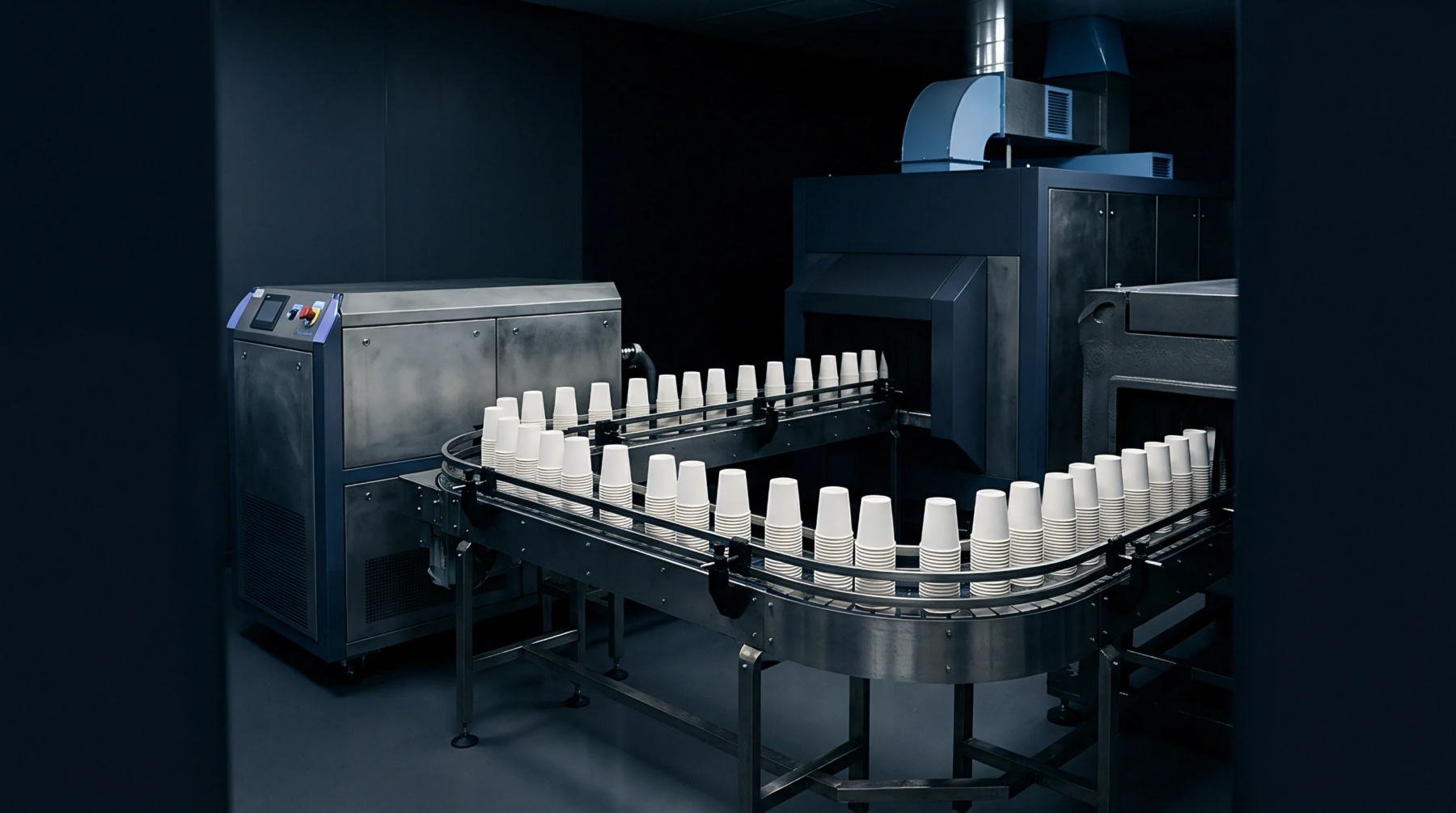
Targeting 5.5 to 6.5 percent board moisture and maintaining 50 percent relative humidity prevents hygroexpansion fan-out, registration drift, and score cracking.

Polypropylene film lamination delivers absolute water vapor barrier and fold integrity, whereas aqueous dispersions eliminate secondary passes but crack at creases.
Aqueous barrier coatings on food contact paperboard require accredited migration, extraction, and permeation testing matching real food simulants and shelf temperatures.
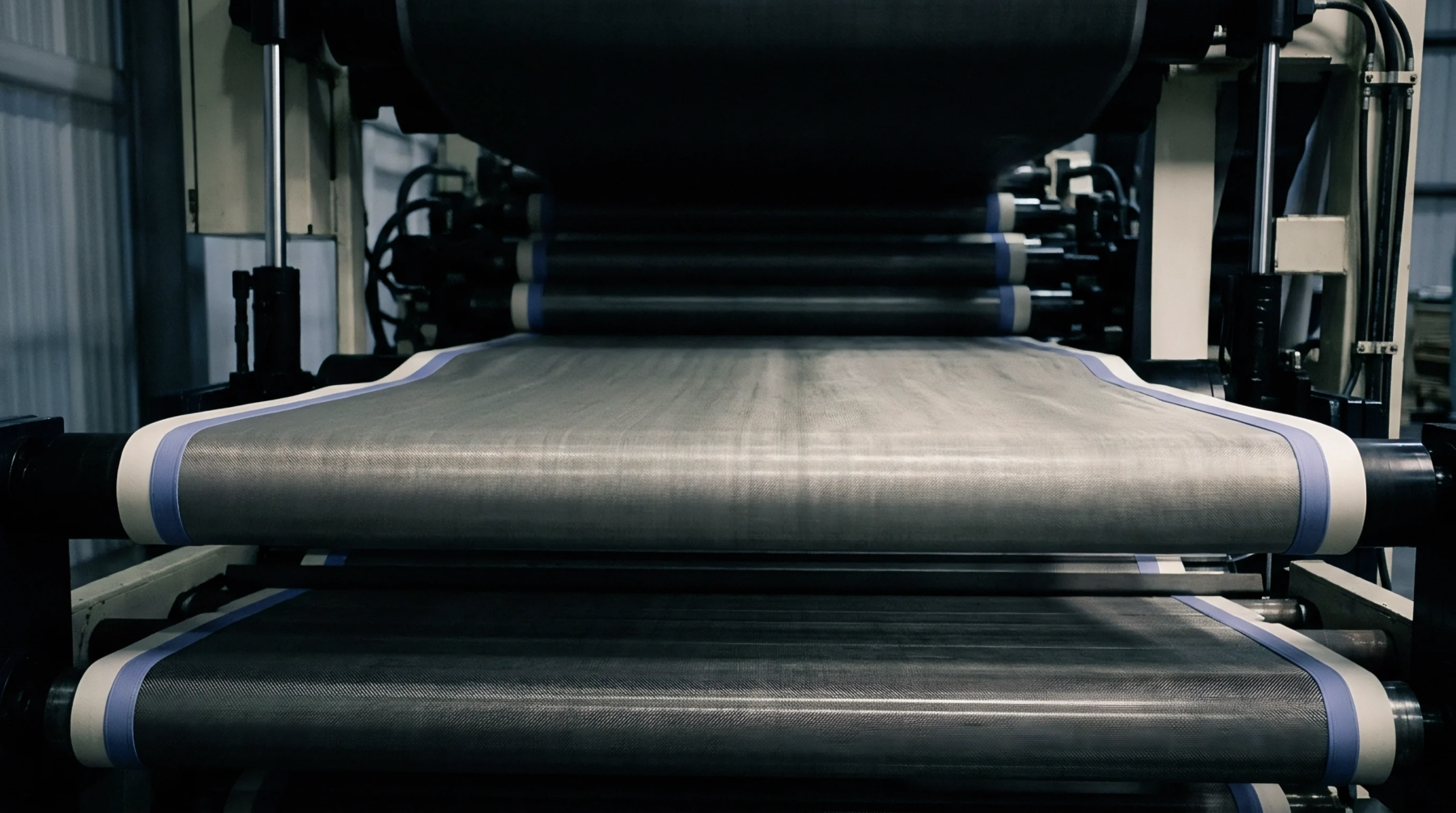
Moisture-gradient calendering plasticizes outer chemical skins while keeping mechanical cores dry, maximizing FBB bending stiffness and yield.
Standardized TVI calibration requires substrate-relative spectral curves, M1 spectrophotometry, and dynamic CTP curve adjustments matched to sheet porosity.
Changing stock grades alters micro-porosity and light scattering, shifting ink holdout and dot gain, requiring immediate press curve and ink film adjustments.
Expertise is a utility, not a secret. sentiention™ publishes its working knowledge as open reference: intelligence layer covering the materials it sources, the markets it enters, and the reference that serves both.