
Mathematical Modeling of Mechanical Tone Value Increase across Recycled Testliner
Dynamic impression squeeze on porous recycled testliner forces lateral ink spread, requiring prepress Yule-Nielsen n-factor recalibration to prevent gain.
Dynamic impression squeeze on porous recycled testliner forces lateral ink spread, requiring prepress Yule-Nielsen n-factor recalibration to prevent gain.
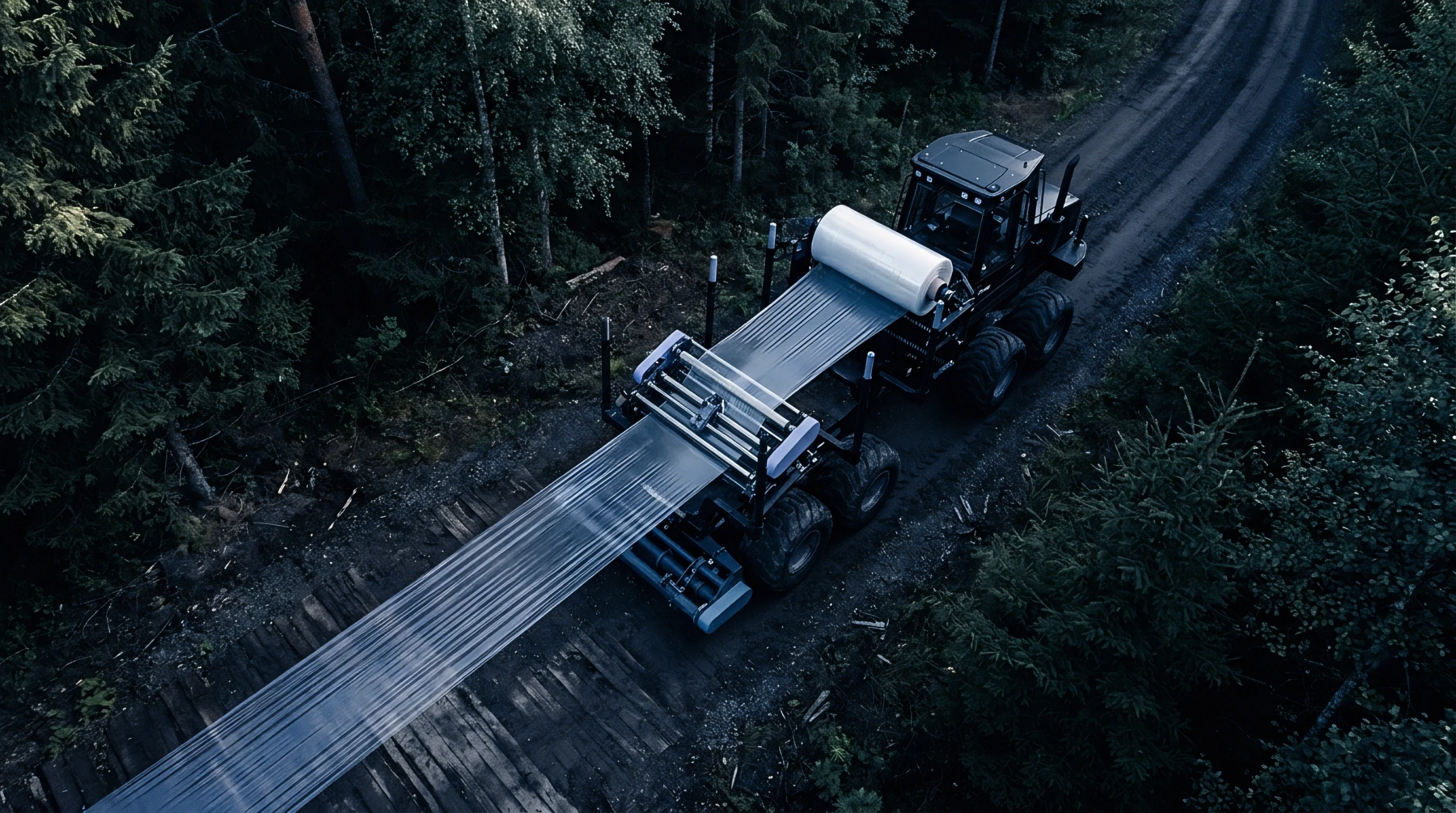
Waterborne dispersion application on folding boxboard requires precise coat weight control, shear-matched viscosity, and staged drying to prevent pinholing.
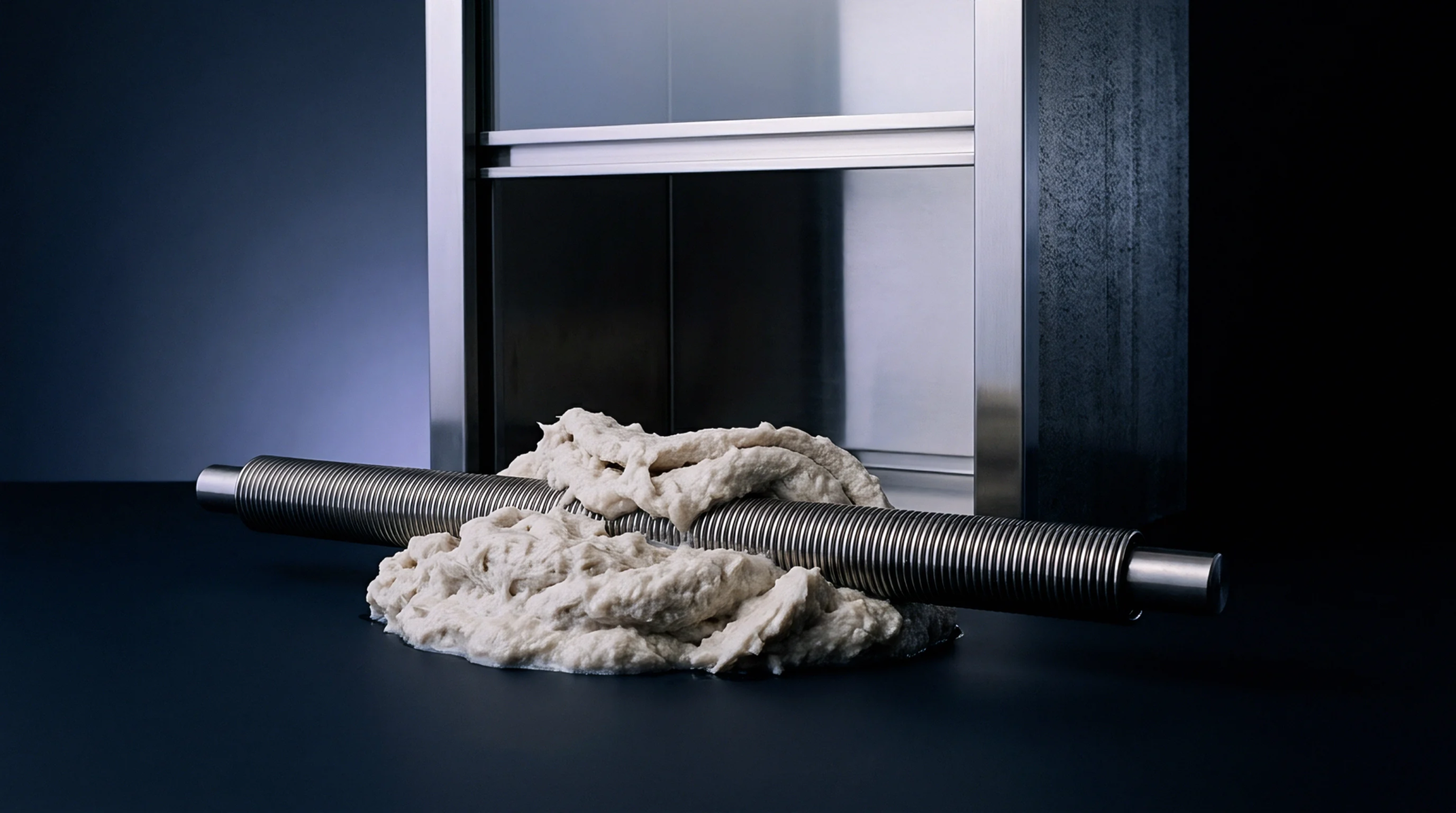
Liquid release from anilox cells under high shear depends on dynamic viscosity below forty centipoise and cell depth ratios under thirty percent.

Fluorine-free lipid barriers rely on high polymer crosslinking and pore-free film formation to maintain diffusion resistance above lipid melting points.

Poly-coated vapor transport follows Fickian diffusion governed by polymer density and coat weight until score line fractures shift mechanism to pore flow.
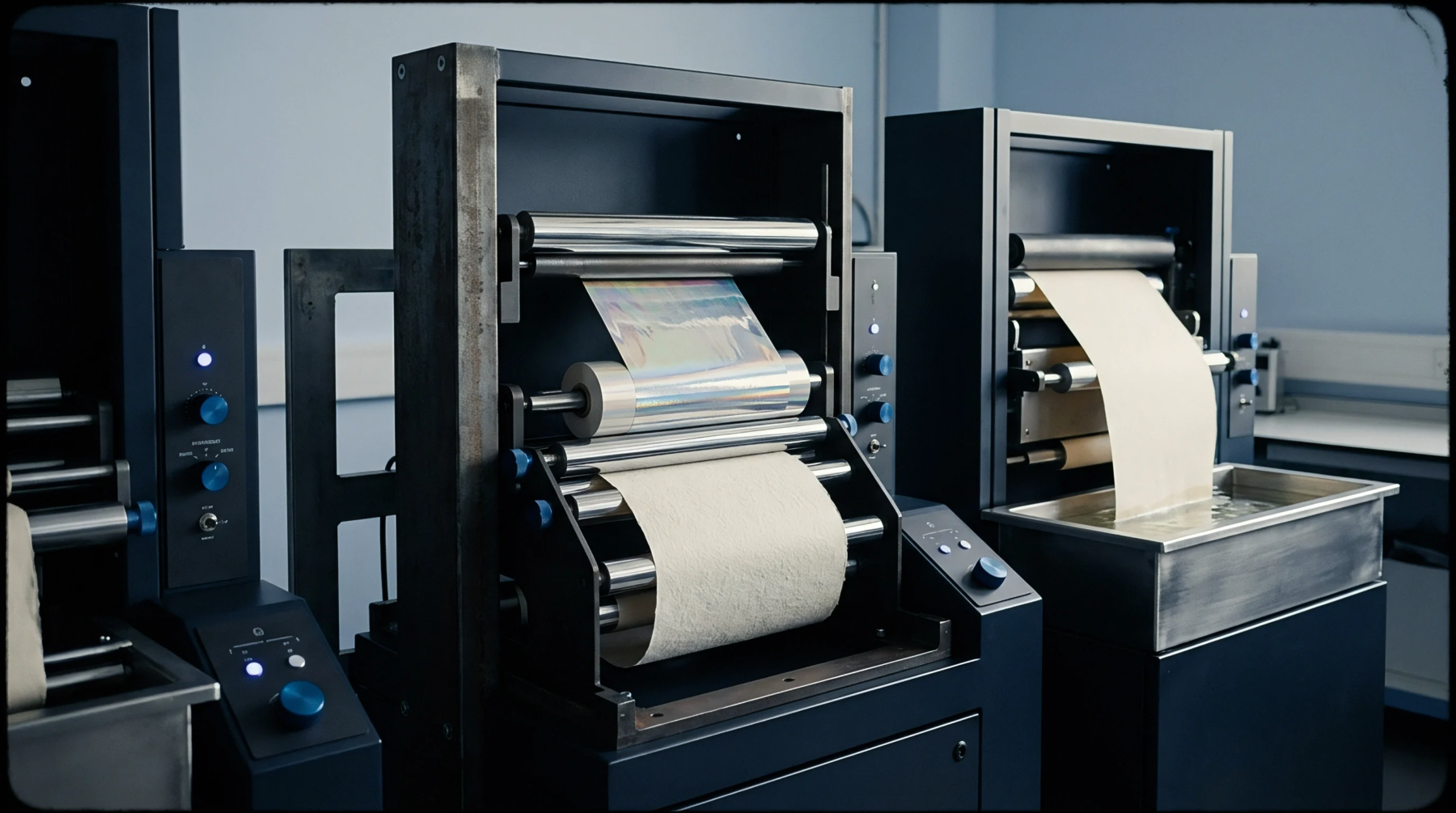
Dynamic surface tension at millisecond surface ages dictates liquid curtain stability and dynamic wetting limits in paperboard coating operations.
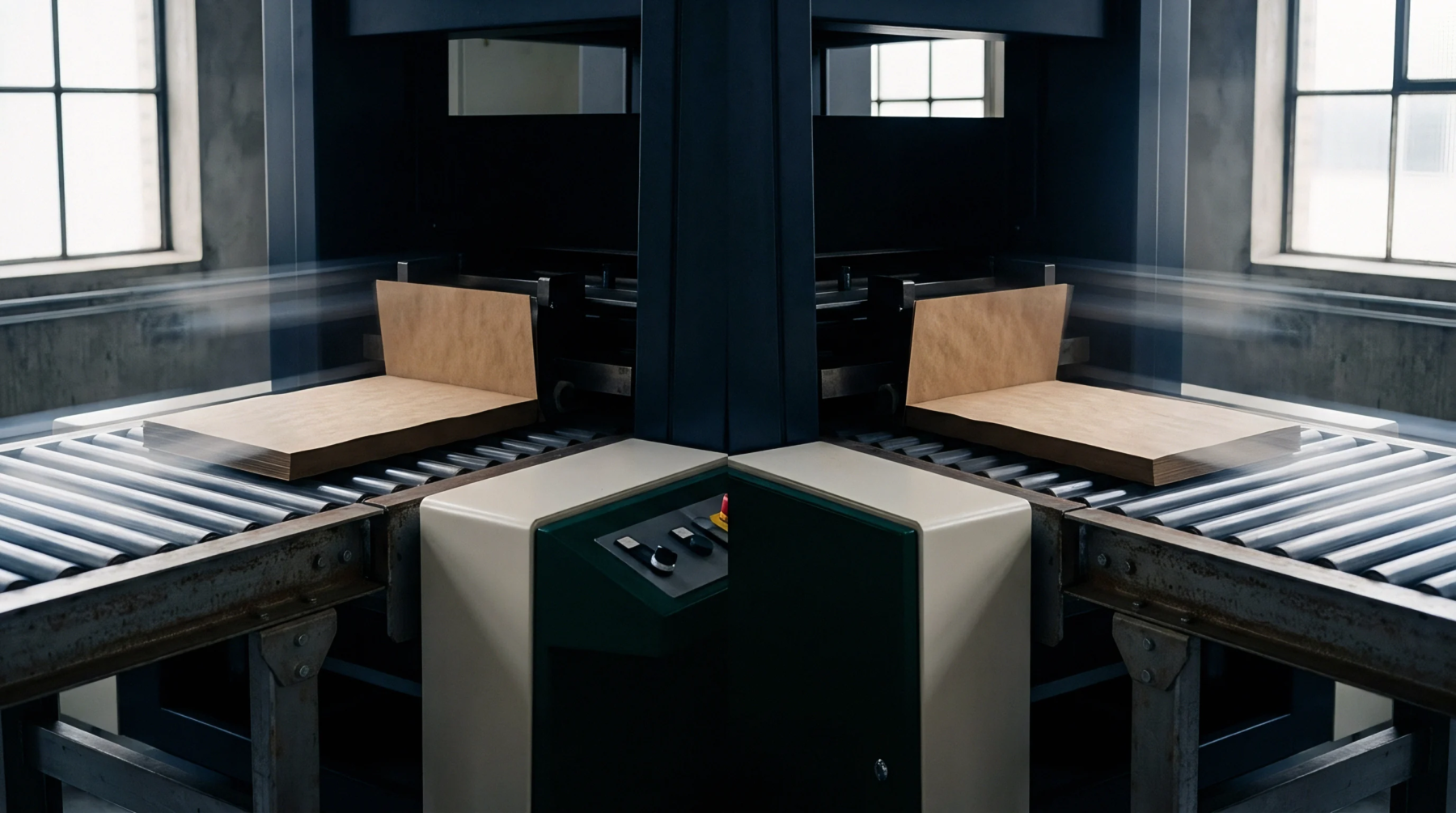
Selective z-directional moisture and thermal calendering plasticizes outer chemical plies to optimize surface smoothness while preserving mechanical core bulk and stiffness.

Moisture and thermal stress during converting plasticize aqueous latex coatings, reducing storage modulus and causing fold delamination unless web tension is optimized.
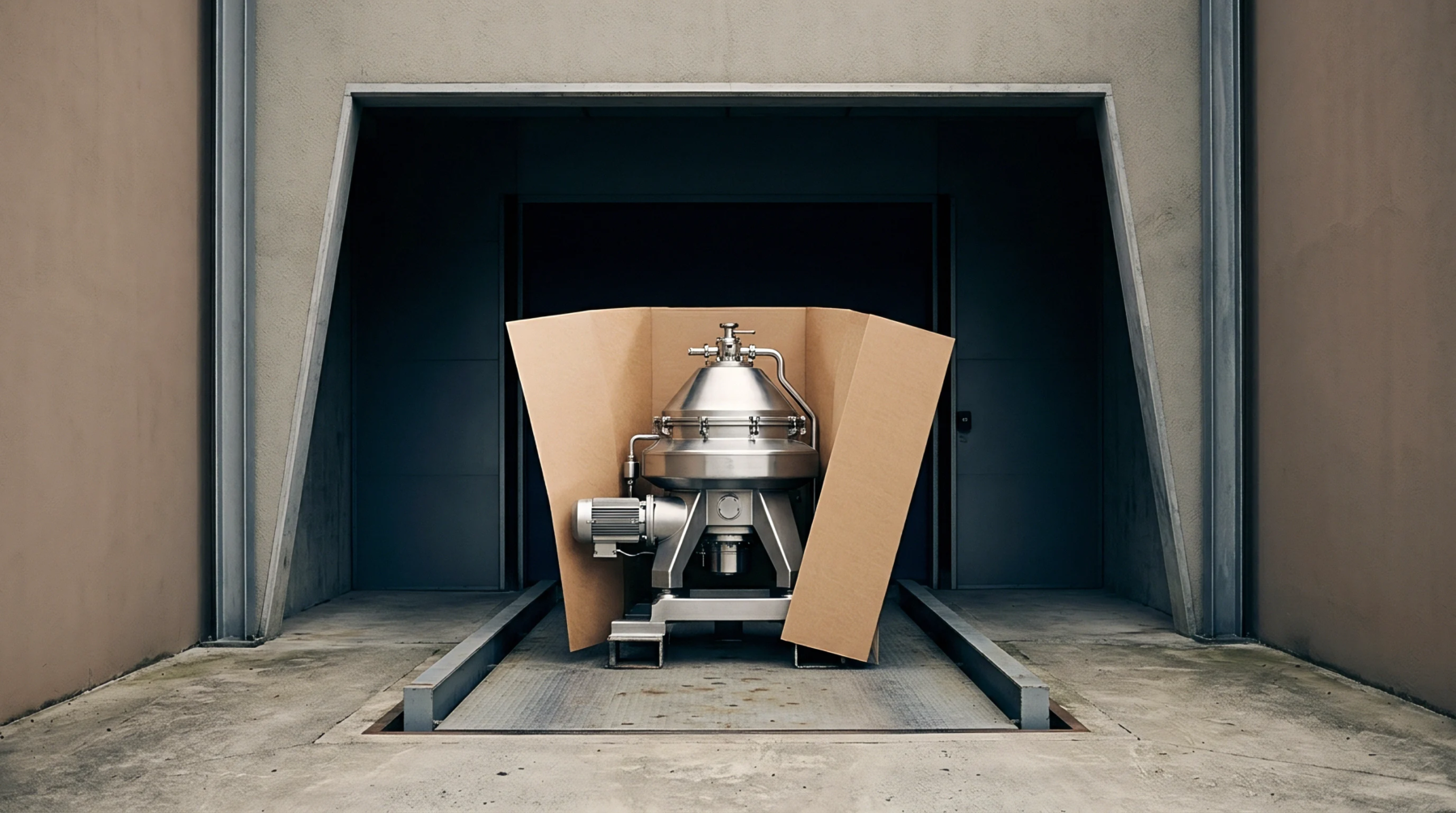
Deriving uncoated paper TVI targets demands separating optical light scattering from capillary ink absorption using M1 spectral data to set inverse RIP curves.
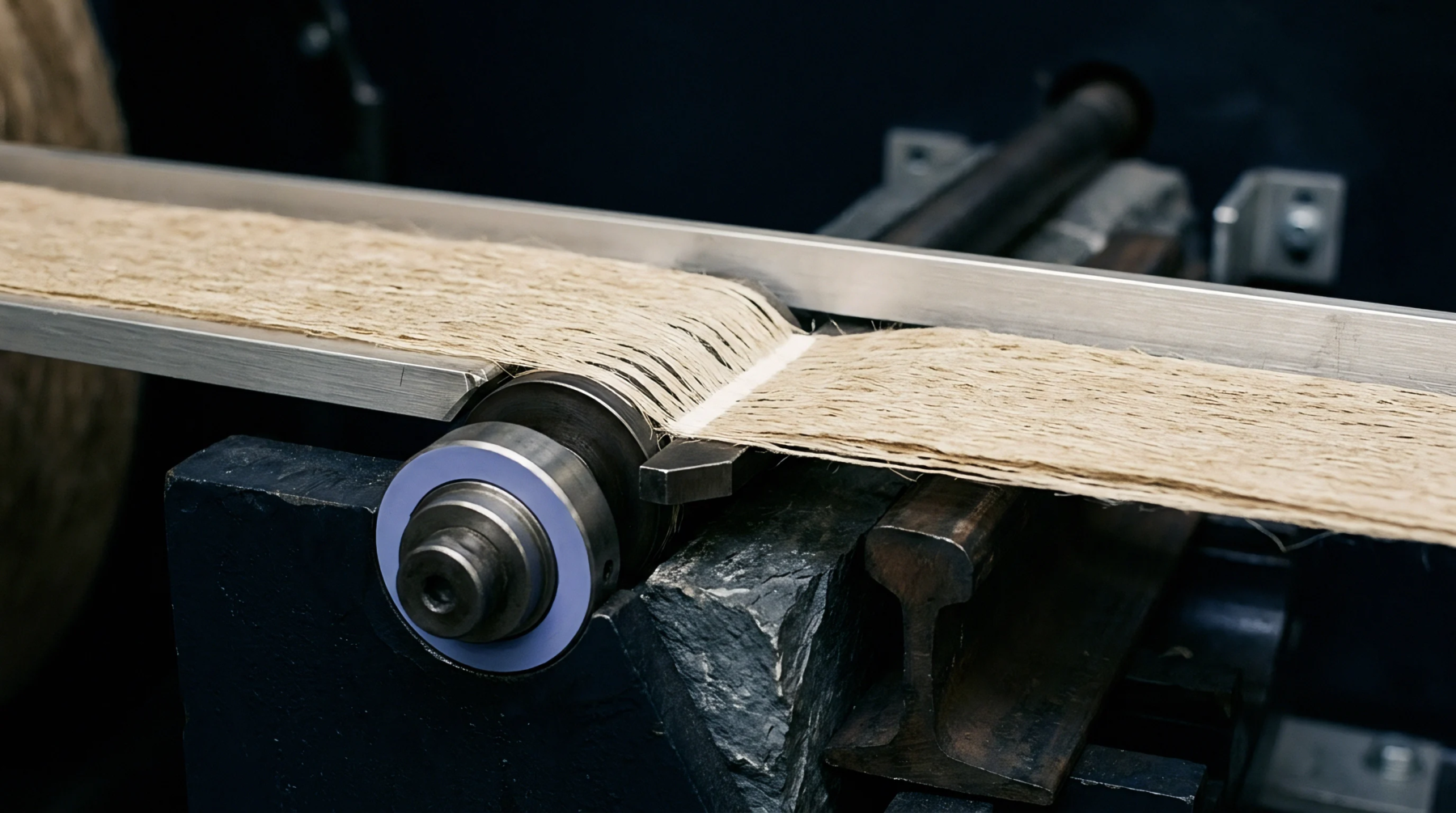
Inline blue laser triangulation measures paperboard surface topography at high speeds by overcoming fiber light penetration and isolating mechanical flutter.
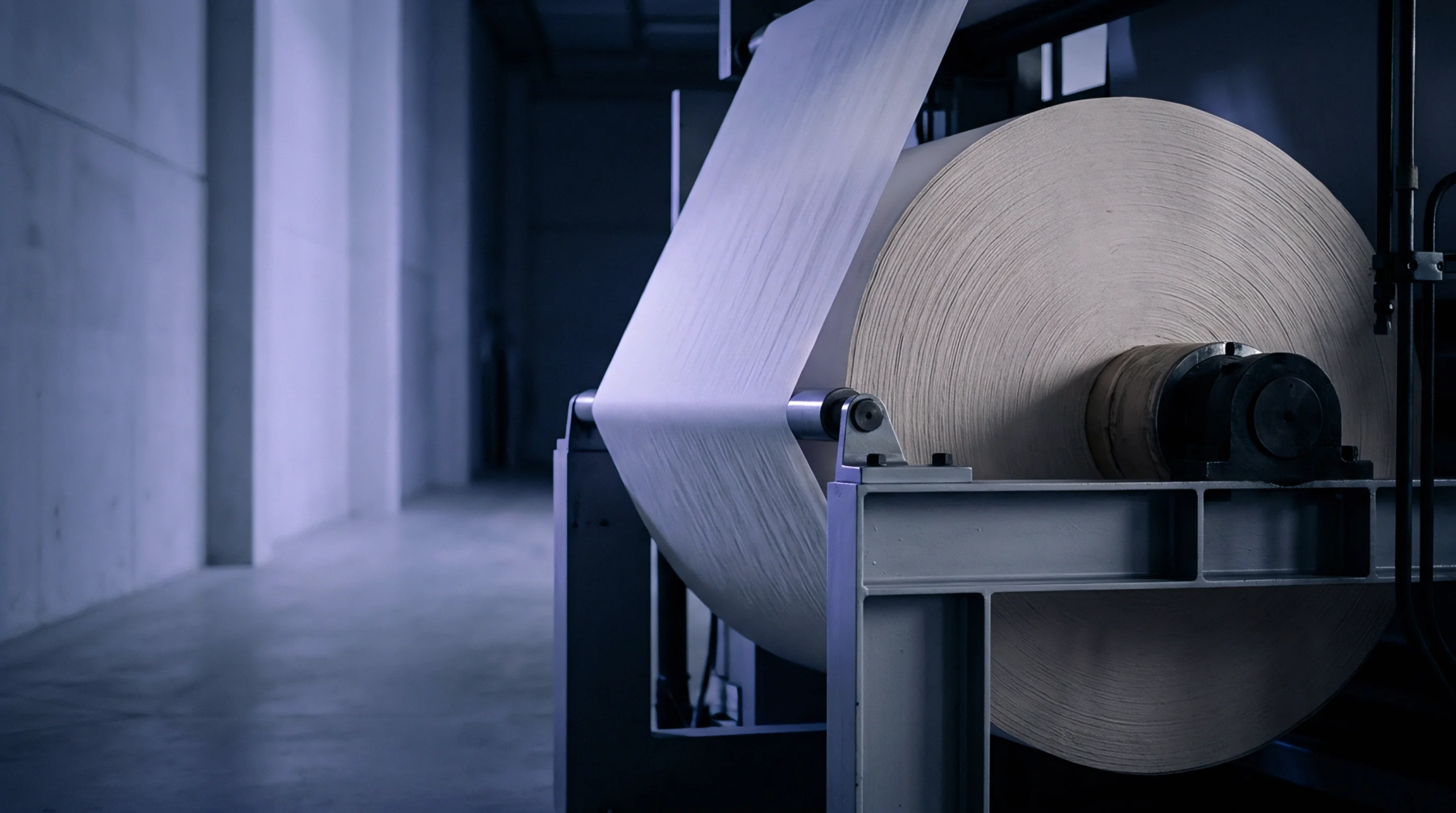
Matching dynamic roll order combinations to multi-machine paper deckle profiles minimizes fiber edge waste and slitter setup downtime across paper mills.
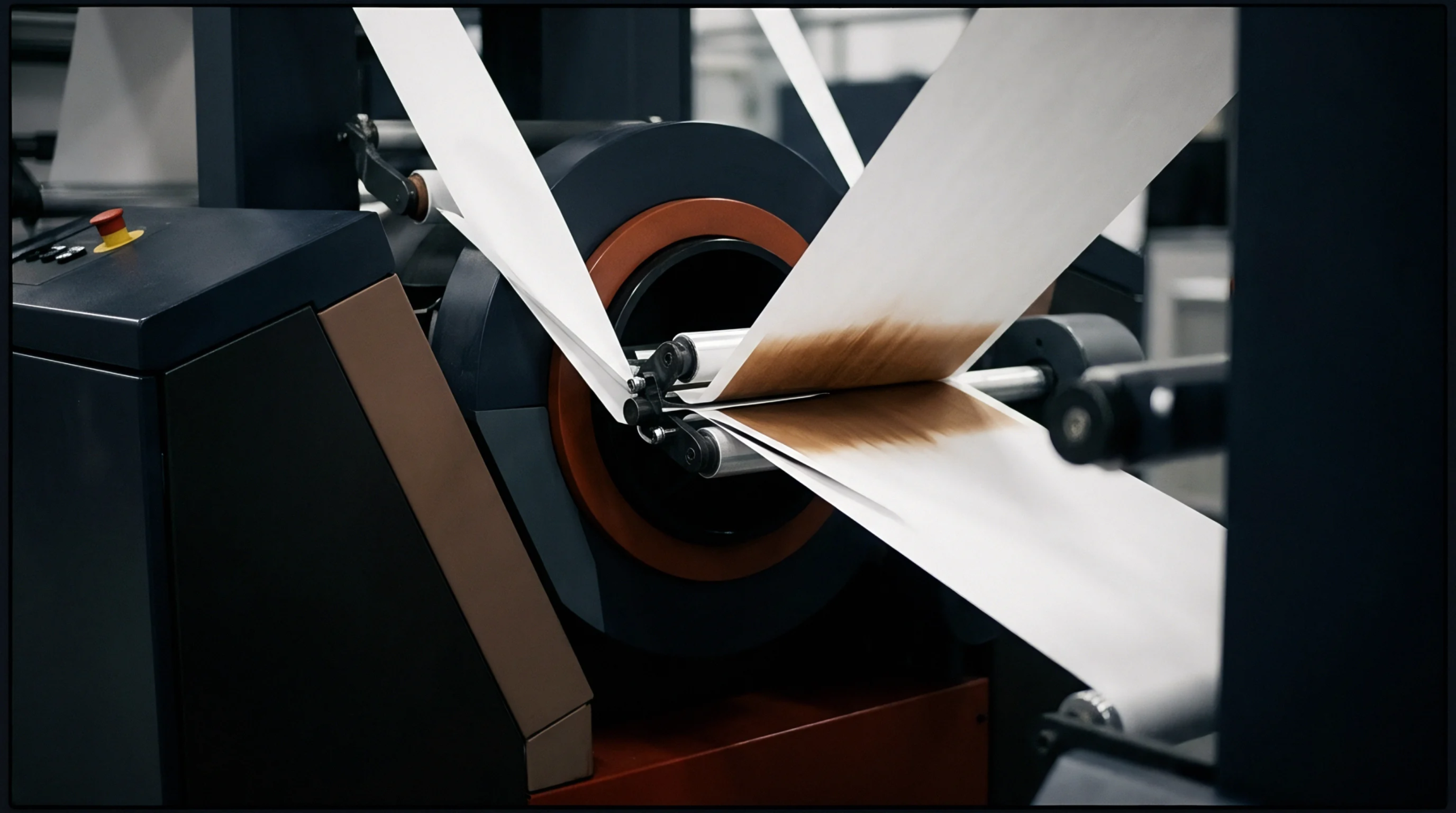
Active dual-beam telecentric triangulation eliminates web flutter noise by maintaining constant optical magnification and canceling out-of-plane displacement in real time.
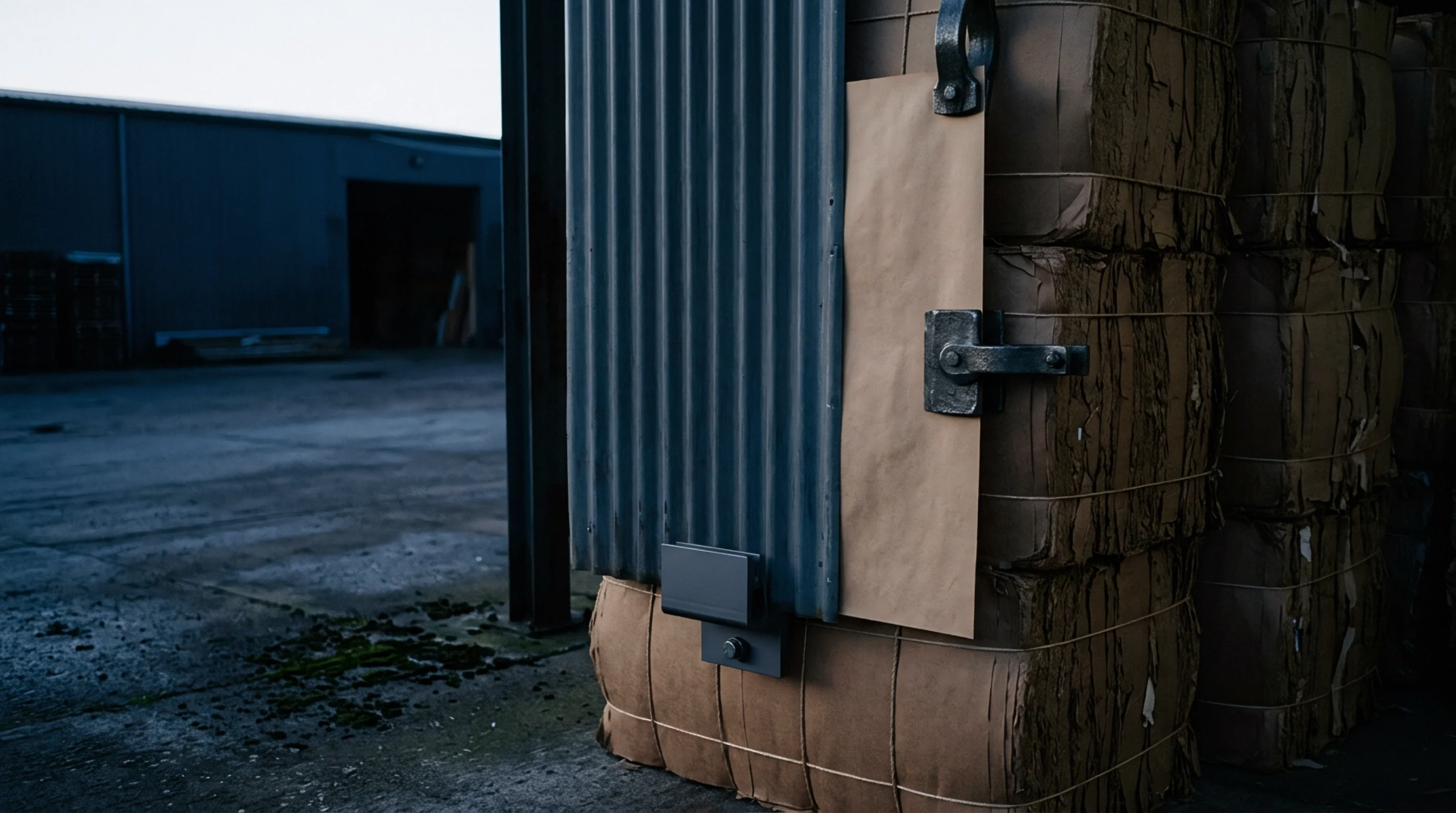
Dynamic tone expansion modeling across recycled fiber matrices requires coupling transient capillary suction with viscoelastic nip deformation metrics.
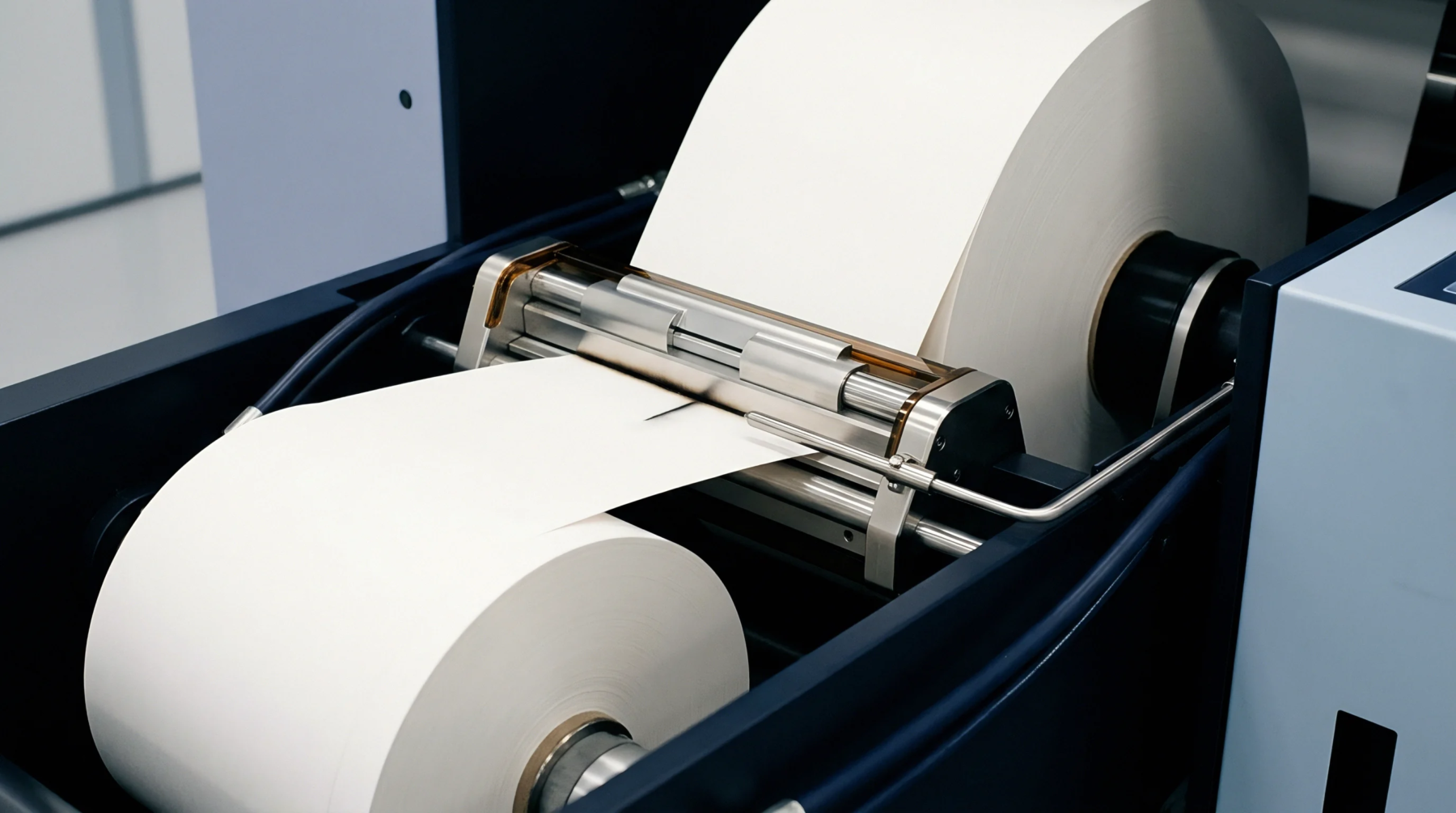
Furnish substitutions at the machine gate require wet end NIR tracking and ISO 1924 tensile verification to prevent runnability failures and yield losses
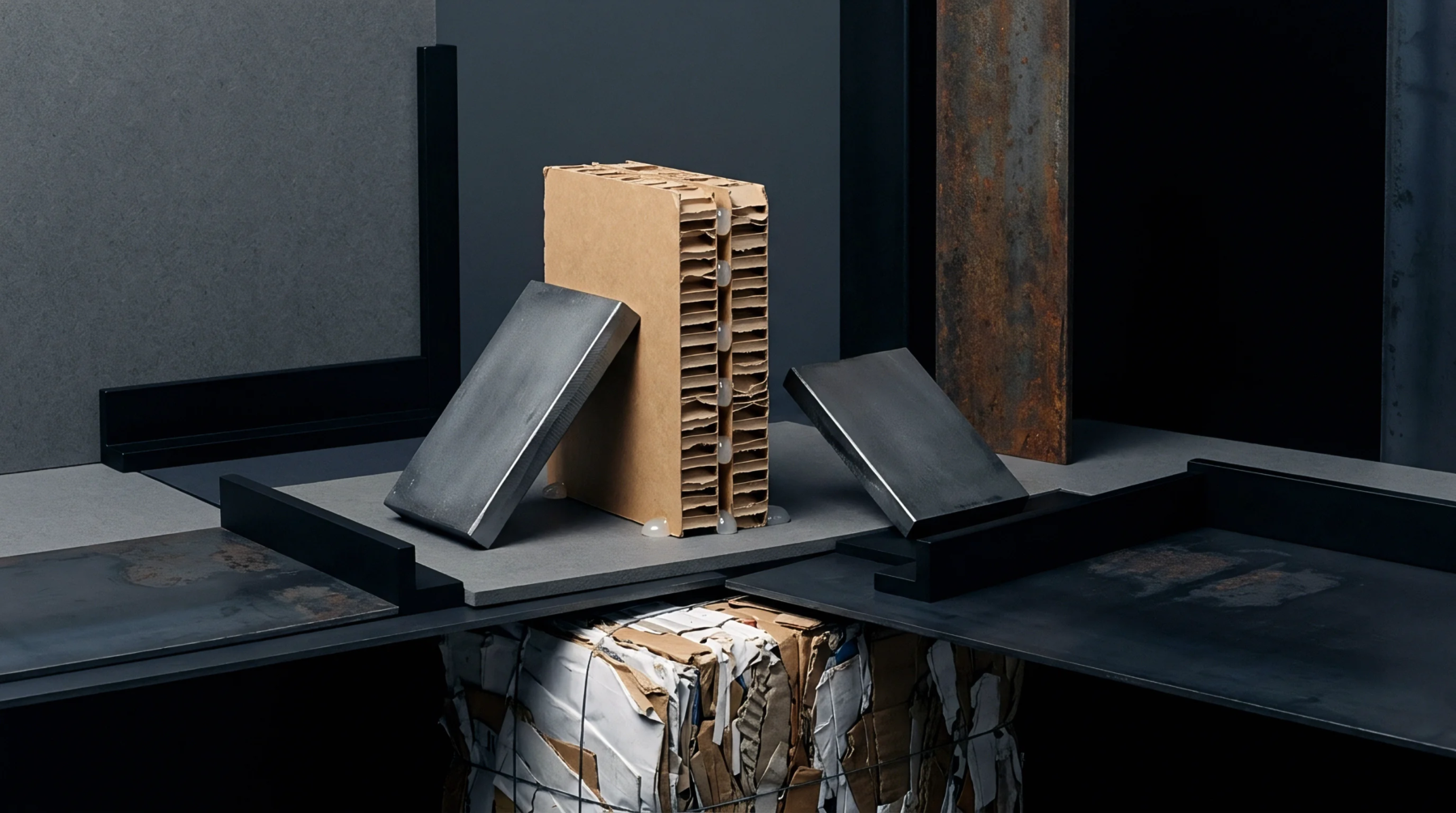
Parent sheet yield and trim waste govern grade selection when high-bulk downgauging balances mill deckle fit, layout imposition, and net landed cost per unit.
Expertise is a utility, not a secret. sentiention™ publishes its working knowledge as open reference: intelligence layer covering the materials it sources, the markets it enters, and the reference that serves both.