Bubble Inclusion
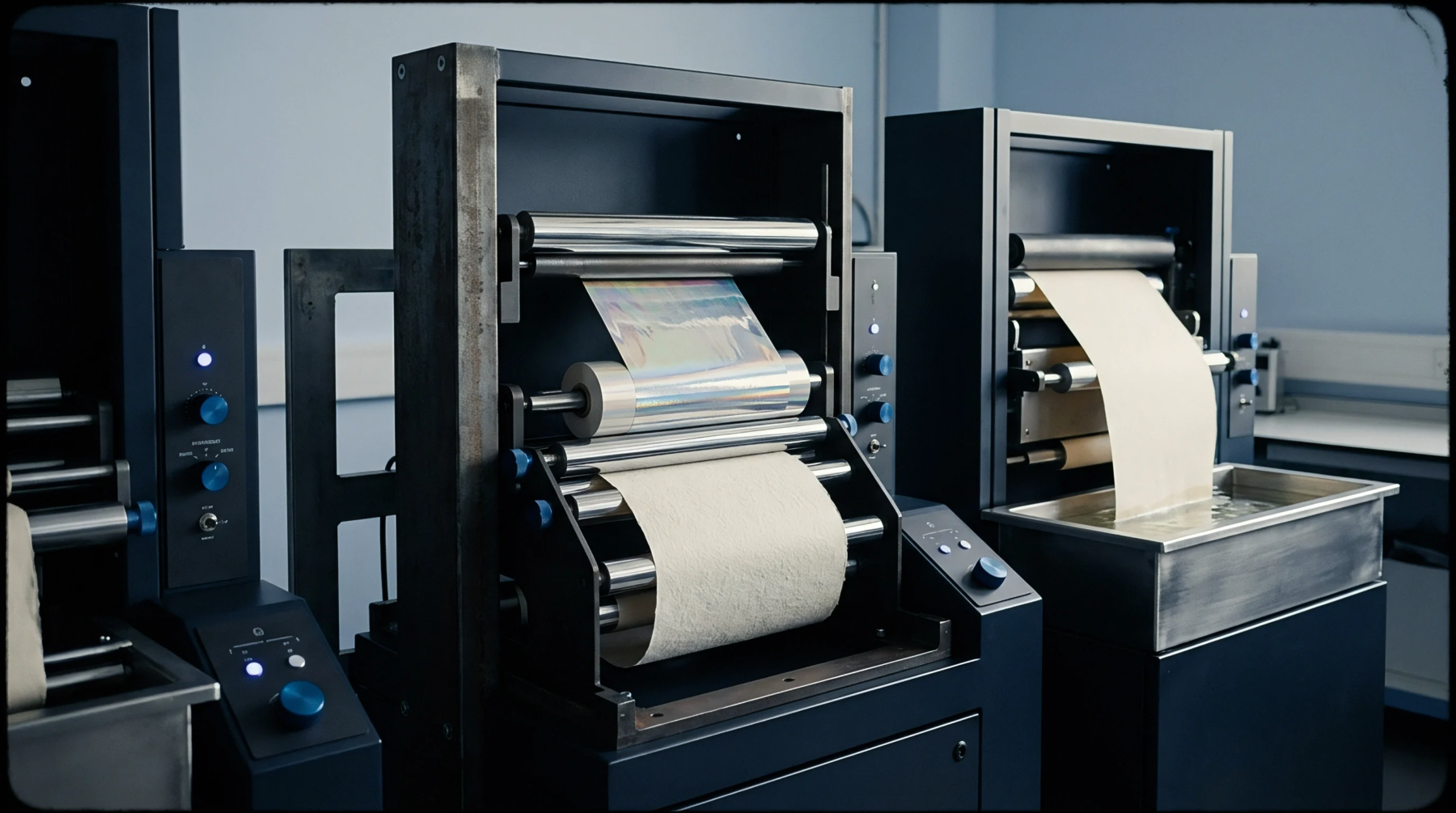
Fluid dynamics within a liquid coating mixture determines the quantity of gas trapped during the high speed application of binders or pigments onto a moving substrate. Air entrainment happens when the agitation of a liquid dispersion introduces pockets of gas that fail to escape before the film reaches the blade or the roller. This phenomenon alters the local density of the formulation and creates voids that disrupt the physical uniformity of the deposited layer.
Such imperfections reduce the optical clarity of the finish and weaken the structural integrity of the dried coating under tension. Precise control of the pump speed and the design of the recirculation loop prevents the accumulation of these gaseous pockets in the supply lines.
Coating Stability
Viscosity remains the primary physical property regulating how easily gas bubbles migrate through a liquid medium. Low viscosity fluids allow buoyant bubbles to rise and burst at the surface before the liquid enters the applicator head. High viscosity formulations trap these bubbles indefinitely until the drying process freezes them inside the final product.
A doctor blade or a metering rod spreads these defects across the sheet surface, resulting in pinholes that mar the print surface and break the continuity of the barrier. Manufacturers address these issues by installing deaeration tanks or vacuum chambers that extract gas from the supply stream before it hits the delivery nozzle. Constant monitoring of the feed pressure warns technicians when the levels of trapped gas reach a point that threatens the quality of the production run.
The inclusion of surfactants often changes the surface tension of the liquid, which further influences whether bubbles persist or collapse upon contact with the substrate. Proper equipment calibration maintains the flow at rates that minimize turbulence at the liquid interface.
Substrate Impact
Paper porosity affects how air bubbles settle into the base stock during the initial stages of wet end contact. High porosity sheets pull the fluid deeper into the structure, which sometimes clears the bubbles from the surface but risks uneven penetration of the binder. Dense sheets force the bubbles to remain trapped at the interface, where they create soft spots that compress unevenly during the final calendering stage.
These tiny defects appear as voids that show up when the printed ink fails to fill the gaps left by the original bubbles. Consistent surface finish requires the management of both the fluid mechanics of the coating and the pore structure of the base sheet. Residual air causes uneven drying that results in tension fluctuations across the width of the web.
Successful coating operations rely on the maintenance of a bubble free mixture to ensure the predictable performance of the final coated paper.