Air Dry Tonnage Conversions in Recycled Mill Chain of Custody Audits
Air dry conversions in recycled paper audits convert wet scale weights into dry fiber mass, preventing false claim credits from unadjusted moisture and rejects.

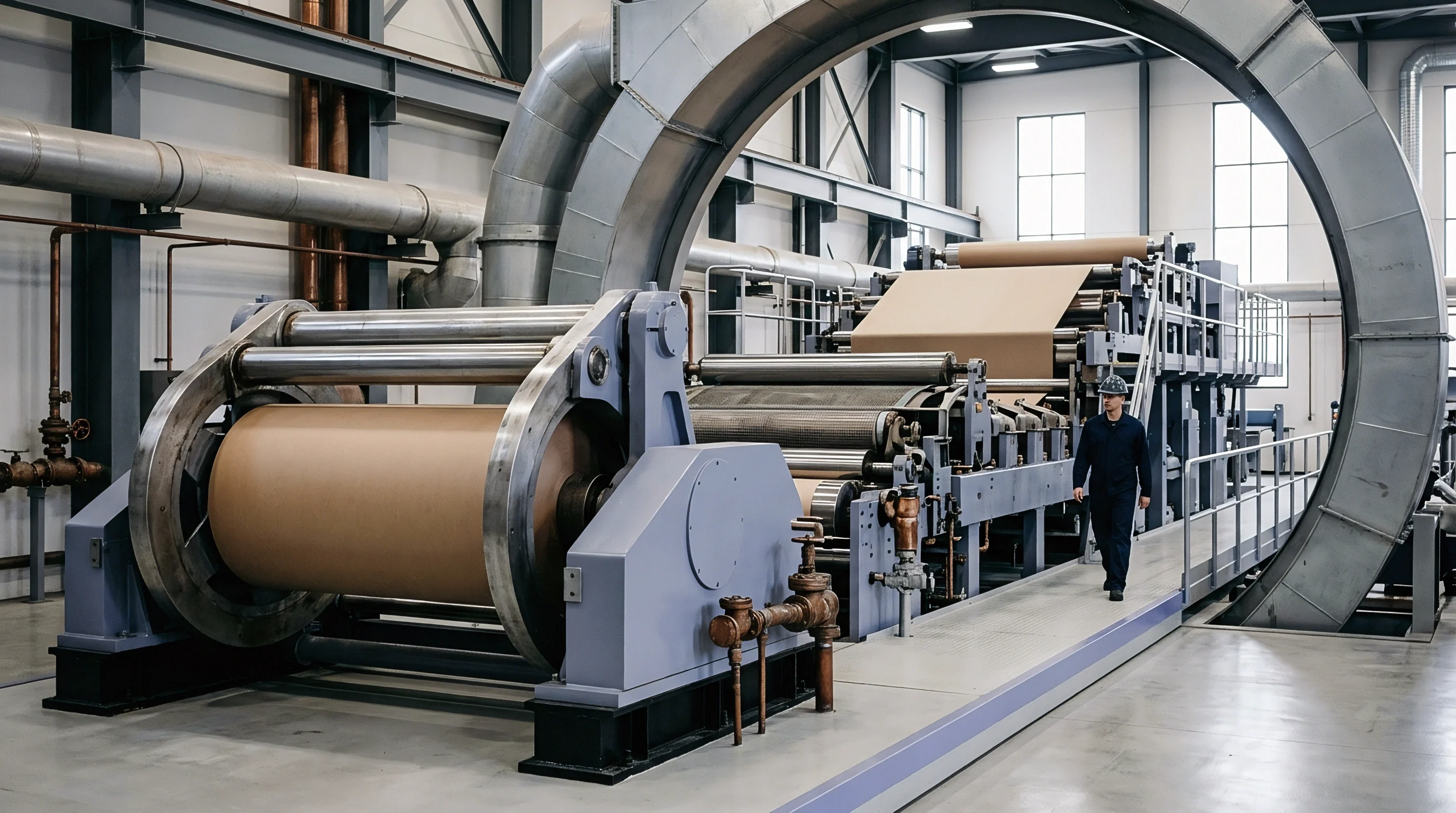
Furnish
Bale receiving docks handle gross scale tonnage while certification ledgers track dry cellulosic substance. Incoming flatbed trailers deliver baled recovered paper with wet weights registered directly at the weighbridge. Billed weights on commercial delivery receipts include free water, ambient relative humidity picked up during depot storage, non-fiber contaminants, strapping wire, and dirt.
A chain of custody accountant entering these gross delivery figures straight into an FSC or PEFC credit bank produces an unearned surplus of certified fiber credits before processing begins.

Raw Material Intake Accounting
Paper mills buying recovered paper under EN 643 or ISRI specifications receive deliveries graded by trade designation rather than certified purity. A delivery receipt states forty gross metric tons of grade 1.05 corrugated scrap. Water occupies four to six tons of that gross receipt.
Metal wires, plastic shipping tape, hot melt adhesives, wax coatings, and insoluble contraries consume another two tons. Clean, usable secondary fiber constitutes thirty-two tons of the forty-ton delivery. Certification auditors cross-checking bills of lading against the physical mass balance encounter inflated claims whenever receivers treat the weighbridge gross tonnage as input volume.
The scale ticket records gross mass. Accounting personnel transcribe that single line item into the enterprise resource system. The credit account grows by forty tons of recycled material.
Subsequent manufacturing runs yield thirty metric tons of saleable finished containerboard. The mill ledger preserves ten unearned tons of certified claim volume. This unearned surplus gets applied to subsequent uncertified production lots.
The accounting ledger divorces itself from physical reality at the factory gate.

Invoiced Wet Weight versus Fiber Substance
Commercial invoices reflect the negotiated price per ton of delivered goods under specific trade terms. Recycled paper merchants invoice buyers based on gross scale weights unless contract terms specify moisture deductions above a commercial baseline. European paper industry practice under CEPI guidelines permits moisture deductions only when water content exceeds twelve percent.
Deliveries arriving at eleven percent moisture incur zero financial invoice deductions. The buyer pays for eleven percent water at full paper grade prices.
Fibre accounting systems require bone dry or standardized air dry quantities to establish legitimate mass balance ledgers. An auditor inspecting the chain of custody registers must isolate water mass from fiber mass. Recording commercial invoiced tons directly into certified volume accounts introduces immediate systemic distortion.
Clause 5.1 of FSC-STD-40-004 establishes that input quantities entered into credit systems correspond strictly to the usable raw material volume entering the manufacturing process.
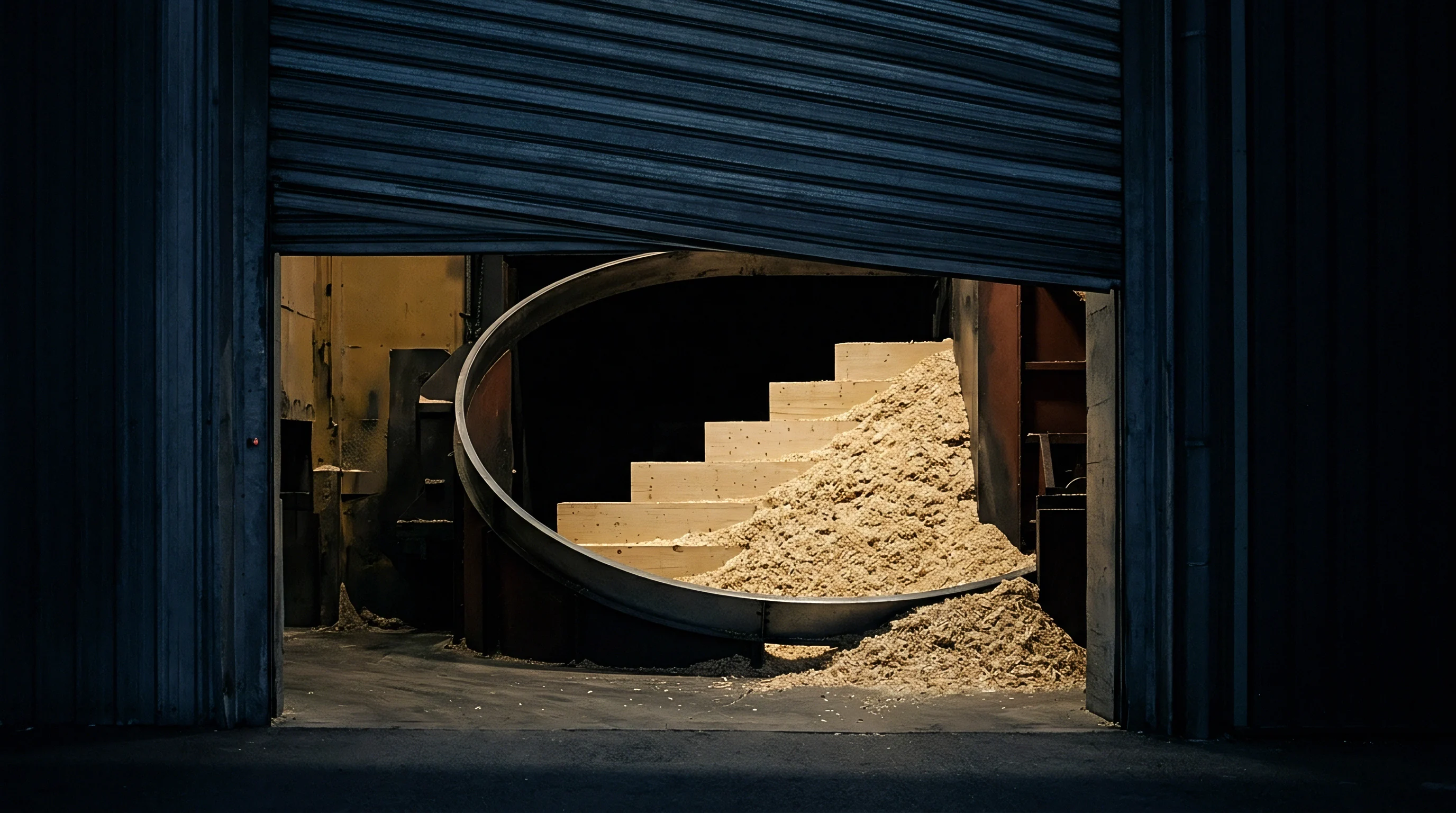
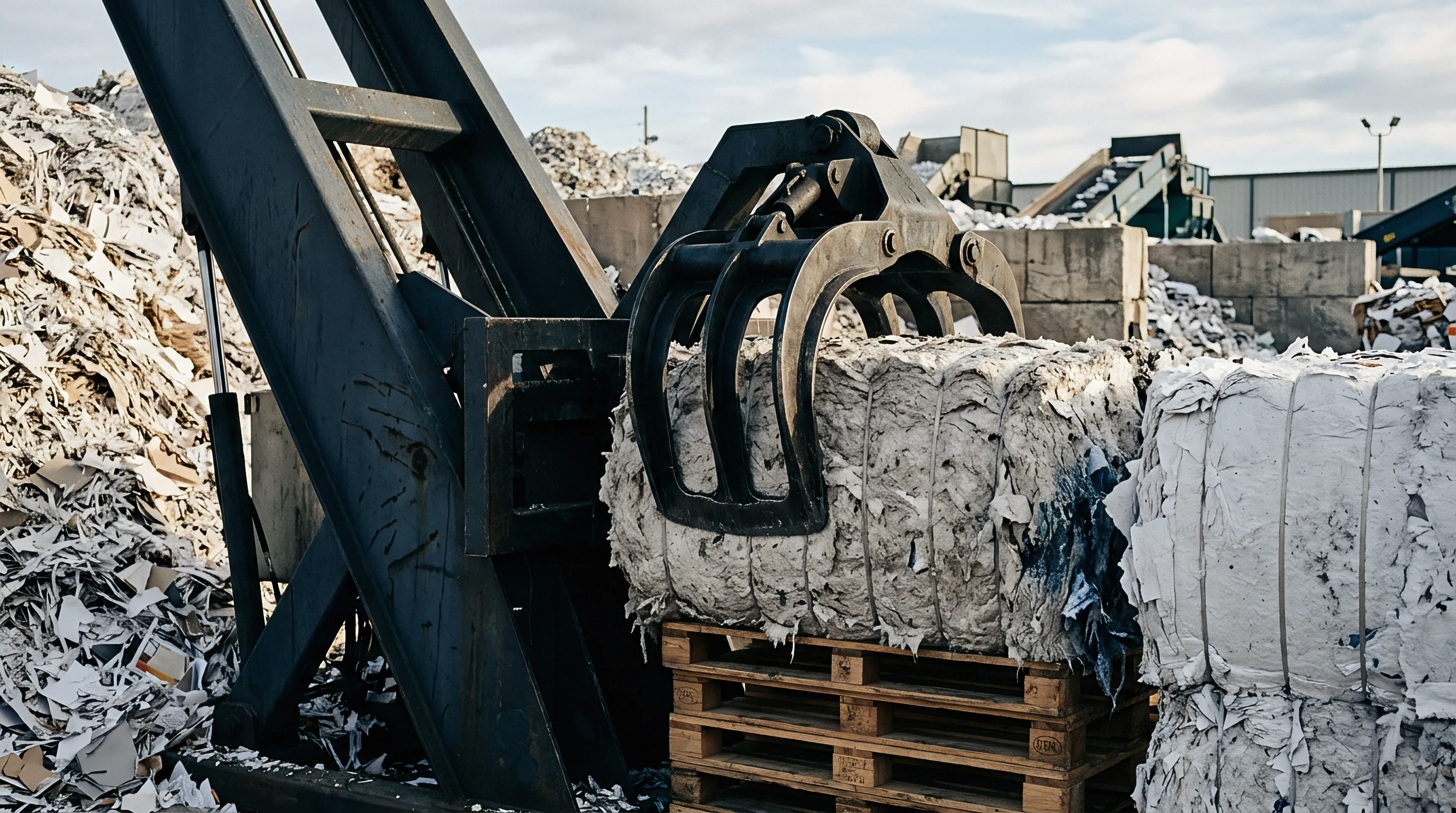
Moisture
Secondary cellulosic material absorbs and desorbs water continuously based on atmospheric vapor pressure. A compressed bale of mixed office waste stored outdoors in maritime humidity gains two percentage points of water within seventy-two hours. The cellulosic fiber matrix swells while the total scale mass increases without any addition of fiber substance.
Mass balances demand dry measurements. An auditor failing to verify moisture testing apparatus leaves open large accounting discrepancies.
Recovered paper furnish conditioned at twenty-three degrees Celsius and fifty percent relative humidity stabilizes at eight percent equilibrium moisture content.

Is Standard Pulp Accounting Applicable to Recovered Paper?
Virgin market pulp trades on the standardized Air Dry Metric Ton convention established by ISO 638 and TAPPI T 412. One air dry ton equates to nine hundred kilograms of absolute bone dry fiber and one hundred kilograms of water. Market pulp leaves flash dryers or sheet dryers calibrated to ninety percent dry substance.
Secondary fiber never arrives at this uniform state. Recovered paper bales present erratic internal water distributions, wet cores, weathered exteriors, and variable non-fibrous contents.
Applying the virgin pulp ten percent moisture convention to secondary raw materials without empirical testing produces false credit conversions. Mill personnel sometimes divide gross bale receipts by 0.9 under the mistaken assumption that secondary furnish mimics virgin market pulp standards. This division inflates a forty-ton wet delivery to 44.4 air dry tons on paper.
The true fiber substance inside the bales remains under thirty-five tons. Unverified dry weight assumptions generate fictional certified inventory.

Oven Dry Calculations across Secondary Furnish
Testing secondary raw materials demands representative core drill sampling followed by thermal gravimetric analysis. Core drills extract plugs across bale layers to sample both the outer perimeter and the compressed core. Laboratory technicians weigh the wet core sample, desiccate the fibers inside a circulating air oven at one hundred and five degrees Celsius until constant weight is reached, and weigh the dry residue.
The percentage calculation divides the final dry weight by the initial wet weight.
Discrepancies between billed scale mass and dry fiber yield transfer unearned certified volume onto commercial trade documents.
The resulting Bone Dry Metric Ton figure forms the sole defensible foundation for chain of custody calculations. Converting bone dry fiber mass back into standardized Air Dry Metric Tons requires dividing the bone dry mass by 0.90. This standardized ADT reflects nine-tenths dry substance and one-tenth theoretical moisture.
When an incoming shipment exhibits fourteen percent actual moisture, calculating air dry tonnage from true bone dry mass reduces the recognized volume below the physical weighbridge scale ticket.
| Grade Designation | Average Received Moisture (%) | Gross Billed Mass (t) | Bone Dry Mass (t) | Standard Air Dry Mass (t) | Ledger Variance (t) |
|---|---|---|---|---|---|
| EN 643 1.02 (Mixed Paper) | 13.8 | 100.0 | 86.2 | 95.78 | -4.22 |
| EN 643 1.05 (Old Corrugated Containers) | 11.4 | 100.0 | 88.6 | 98.44 | -1.56 |
| EN 643 2.05 (Sorted Office Waste) | 9.2 | 100.0 | 90.8 | 100.89 | +0.89 |
| EN 643 3.14 (Newsprint for Deinking) | 12.5 | 100.0 | 87.5 | 97.22 | -2.78 |
| EN 643 4.02 (White Unprinted Shavings) | 7.8 | 100.0 | 92.2 | 102.44 | +2.44 |
The commercial reality exposes significant ledger deviations when incoming moisture drifts upward. Wet paper furnish carries water that accountants treat as raw material. When a mill ignores moisture deductions across seventy thousand annual tons of OCC furnish, the certified credit ledger accumulates hundreds of tons of phantom output volume, triggering non-compliance citations during third-party chain of custody audits and invalidating downstream consumer packaging claims.

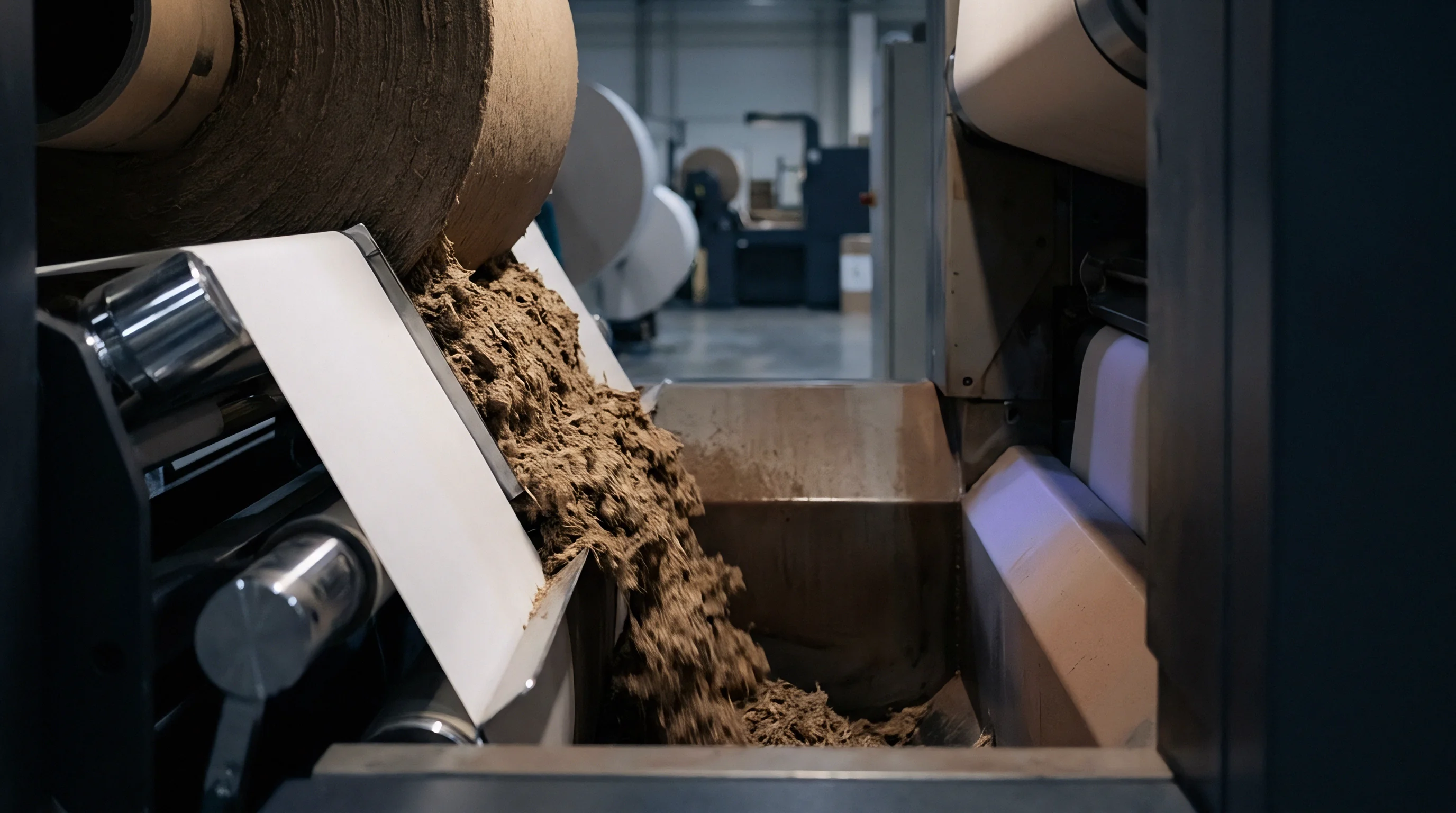
Pulper
Bales drop into hydrapulpers where high-energy rotors submerge compressed paper into recycled white water. Physical disintegration breaks fiber bonds while leaving insoluble contraries largely intact. Non-paper components exit the system through continuous ragger ropes, junk boxes, and coarse screening stages.
Water carries no certification status. Contraries yield zero usable fiber.
Contaminant Extraction and Shrinkage Fractions
Hydrapulper extraction plates capture gross mechanical contaminants before stock reaches fine cleaners. Baling wire winds onto mechanical raggers alongside packing tape and polyethylene film. Plastic film wraps around pulper rotors.
These extracted rejects drop into disposal skips as wet waste. A skip containing steel wire, film plastic, and trapped water represents gross weight paid for on delivery tickets that never enters the papermaking fiber stream.
Auditors evaluate whether a facility subtracts these pulper contraries from its raw material input accounts. When a mill dumps ten tons of wet plastic scrap per week from incoming packaging bales, that mass cannot remain inside the certified recycled calculation. Chain of custody standards require conversion factors that account for mechanical reject extraction.
Failure to remove ragger and detrashing waste from input tallies creates an unsupportable credit surplus.

Deinking Sludge and Mineral Filler Losses
Deinking grades such as sorted office waste and newsprint encounter aggressive flotation and washing steps. Flotation deinking injects micro air bubbles that attach to hydrophobic ink particles, lifting them into an ink foam scraped off the surface. Wash deinking removes microscopic ink particles, dispersed adhesives, and mineral coatings through fine mesh screens.
This process extracts large quantities of calcium carbonate, kaolin clay, and broken fiber fragments.
Clause 5.4 of FSC-STD-40-004 cancels credit entries when conversion factors deviate from measured historical mill conversion ratios.
Ash content in graphic papers routinely reaches thirty percent of total sheet mass. During recycling, mineral fillers pass through wire meshes into effluent clarification plants. Sludge presses dewater this material into cake containing thirty-five to fifty percent solids.
Dewatered sludge exits to composting facilities, brickworks, or landfills. The fiber ledger shrinks during these cleaning steps. A mill consuming office waste with twenty-five percent ash experiences total process shrinkage exceeding thirty-five percent of dry input mass.
| Furnish Stream | Gross Contraries (%) | Mineral Filler Ash (%) | Screening Rejects (%) | Process Shrinkage (%) | Net Fiber Yield (%) |
|---|---|---|---|---|---|
| Selected OCC Bales | 2.5 | 3.0 | 2.2 | 4.1 | 88.2 |
| Industrial Brown Kraft | 0.8 | 1.2 | 1.5 | 2.5 | 94.0 |
| Mixed Domestic Paper | 6.2 | 14.0 | 5.8 | 8.5 | 65.5 |
| Sorted Office Archive | 1.8 | 22.5 | 3.4 | 7.8 | 64.5 |
| Coated Magazine Scrap | 3.1 | 32.0 | 4.2 | 6.7 | 54.0 |
| Data measured across continuous hydrapulper runs with dry solid verification via standard oven tests at one hundred and five degrees Celsius. | |||||
Certification audits reveal severe exposure when facilities apply uniform virgin pulping yield formulas to heterogeneous secondary furnish. Common audit breakdown paths include:
- Unadjusted weighbridge entries transfer water weight into certified output ledgers without applying baseline moisture tests.
- Contrary reject omissions keep mechanical trash and baling wire mass recorded inside the net usable fiber account.
- Mineral ash overcounting counts non-retained filler particles washed into wastewater plants as recycled cellulosic product.
- Static conversion factors fail to reflect seasonal moisture swings and grade substitutions across supply contracts.
Mill technical directors defend these accounting gaps by explaining that pulper reject volumes fluctuate daily and weighbridge receipts represent the sole legal purchase documents audited by tax authorities.


Factor
Mass balance accounting across chain of custody frameworks converts certified raw material inputs into finished product claims through a numerical multiplier. The conversion factor quantifies the ratio between the net mass of certified input and the net mass of output outputted by the machine. Yield figures reflect actual factory efficiency.
Auditors scrutinize whether the conversion factor reflects physical reality or convenient mathematical fiction.
Are Bale Moisture Variances Creating Unearned Claim Credits?
A mill operating without continuous moisture correction applies an idealized yield factor derived from annual trial runs. The engineering department sets a flat conversion factor of 0.88 for old corrugated container processing. This factor implies that one metric ton of purchased bale furnish produces eight hundred and eighty kilograms of finished testliner.
The physical warehouse holds wet tons. Winter weather drives delivered bale moisture to sixteen percent.
Incoming shipments at sixteen percent moisture contain eight hundred and forty kilograms of bone dry fiber per gross wet ton. Applying the 0.88 conversion factor assumes seven hundred and thirty-nine kilograms of finished product per delivered ton. The true operational yield after subtracting three percent pulper contraries and two percent machine sewer losses drops to seven hundred and ninety-eight kilograms of bone dry substance.
When converted to finished board at eight percent commercial sheet moisture, the output equals eight hundred and sixty-seven kilograms.
Inbound water weight converts into paper mill effluent rather than certified packaging credits.
Discrepancies compound when the mill calculates credit additions from unadjusted wet scale receipts. The mathematical distortion surfaces in the credit account. When a buyer orders FSC Recycled corrugated packaging based on credits accrued through unadjusted wet deliveries, the physical board contains fiber that lacks legal certification backing.
Chain of Custody Volume Credit Mechanics
Certification schemes permit facilities to operate credit systems where eligible inputs create credit volume available for deduction against manufactured output. PEFC ST 2002 Clause 6.3 and FSC-STD-40-004 Clause 5 govern the calculation of these credit ledgers. Credit accounts expire after twelve months.
The life cycle of a volume credit demands rigorous mass reconciliation across stock chests, drying sections, and finishing winders.
The conversion calculation requires sequential stages of mathematical reconciliation:
- Gross delivered bale mass registered on weighbridge scales undergoes adjustment for measured delivery moisture content.
- Standardized Air Dry Metric Tons or Bone Dry Metric Tons replace wet invoice weights in raw material inventory logs.
- Mechanical contraries, ragger trash, junk box collections, and sand trap sediments are weighed and subtracted from usable intake mass.
- Deinking sludge cake and chemical flotation wastes exit the fiber account based on oven-dried solids tests of dewatered press output.
- The net usable dry cellulosic intake is divided by the dry mass of saleable paper rolled onto machine reels to generate the valid conversion factor.
Consider a packaging board machine producing recycled fluting. Take a 1,000-tonne delivery of recovered OCC at 13.5 percent moisture. The absolute bone dry fiber entering the yard equals eight hundred and sixty-five metric tons.
Expressed in standardized Air Dry Metric Tons containing ten percent moisture, the true input volume stands at 961.1 ADT. Pulper detrashers extract twenty-two tons of wet plastic and metal strapping containing twelve tons of dry contraries. The net bone dry fiber feeding stock chests drops to eight hundred and fifty-three tons.
| Accounting Method | Recorded Input (t) | Applied Factor | Generated Output Credit (t) | Physical Production (t) | Unearned Credit Surplus (t) |
|---|---|---|---|---|---|
| Uncorrected Gross Wet Mass | 1000.0 | 0.88 | 880.0 | 812.5 | +67.5 |
| Standard Virgin ADT (90/10) | 961.1 | 0.88 | 845.8 | 812.5 | +33.3 |
| Empirical Oven Dry Corrected | 853.0 | 0.95 | 810.3 | 812.5 | -2.2 |
| Audited Mass Balance | 853.0 | 0.9525 | 812.5 | 812.5 | 0.0 |
The paper machine consumes this furnish, running through fourdrinier wires, wet press felts, steam heated drying cylinders, and size presses. Fiber fines lost through wire pits into saveall clarifiers total eleven bone dry tons. The reel winder rolls out finished fluting with eight hundred and forty-two tons of bone dry fiber substance.
The finishing winder adds moisture to achieve a final commercial equilibrium of 7.5 percent water content. The saleable physical paper produced equals 910.3 gross metric tons. Converting gross paper tons to standard air dry equivalents yields 935.5 ADT of finished product.
Failing to ground credit accounting in physical dry mass conversions inflates credit balances, generating unearned volume that contaminates downstream sales claims across commercial supply lines.

Inventory
Physical paper storage sheds hold parent reels and finished converted packaging alongside scrap repulping bales. Chain of custody surveillance auditors demand physical stock tallies that reconcile precisely with credit account balances. The paper machine evaporates water.
Invoices carry legal liability. When physical warehouse inventories diverge from recorded book inventory, the integrity of the chain of custody certificate collapses.

Physical Stock Reconciliations in Chain Audits
Third-party auditors check whether credit banks carry balances unsupported by physical stock or historical manufacturing runs. Clause 5.9 of FSC-STD-40-004 establishes that credit balances cannot exceed the total capacity of the manufacturing facility across a twelve-month surveillance cycle. Auditing teams cross-reference energy consumption figures, pulper operating hours, wastewater discharge volumes, and landfill tickets against reported output tonnages.
Bale probes provide immediate moisture readouts. Auditors thrust electronic microwave or resistance probes into stacked bale storage rows to measure internal water gradients. Discovering average bale moistures of fourteen percent when raw material ledgers register a static eight percent triggers immediate corrective action requests.
Surveillance auditors inspect the reconciliation. The auditor cross-examines the conversion factor spreadsheets, comparing machine line yield logs against credit allocations.
Documentation Traces for Border Declarations
Customs officials and market surveillance authorities under European packaging regulations examine imported packaging for unsubstantiated environmental claims. Under the European Union Packaging and Packaging Waste Regulation, packaging carrying recycled content claims must trace every percentage point back to defensible chain of custody ledgers. Declarations of conformity submitted by importers depend entirely on upstream mill calculations.
A shipping container arriving at a destination port with corrugated cartons labeled as one hundred percent recycled faces detention when third-party audit reports reveal flawed raw material conversion arithmetic at the paper mill. Importers of record carry legal liability for false customs declarations. When mill credit ledgers rely on unadjusted wet weighbridge tickets, the certified claim fails technical audit scrutiny.
National enforcement bodies impose financial penalties and demand packaging destocking when documentation collapses.
Whether paper mills will abandon commercial scale weight shortcuts in favor of calibrated continuous microwave moisture sensing across all intake conveyors remains contested across international trade bodies.