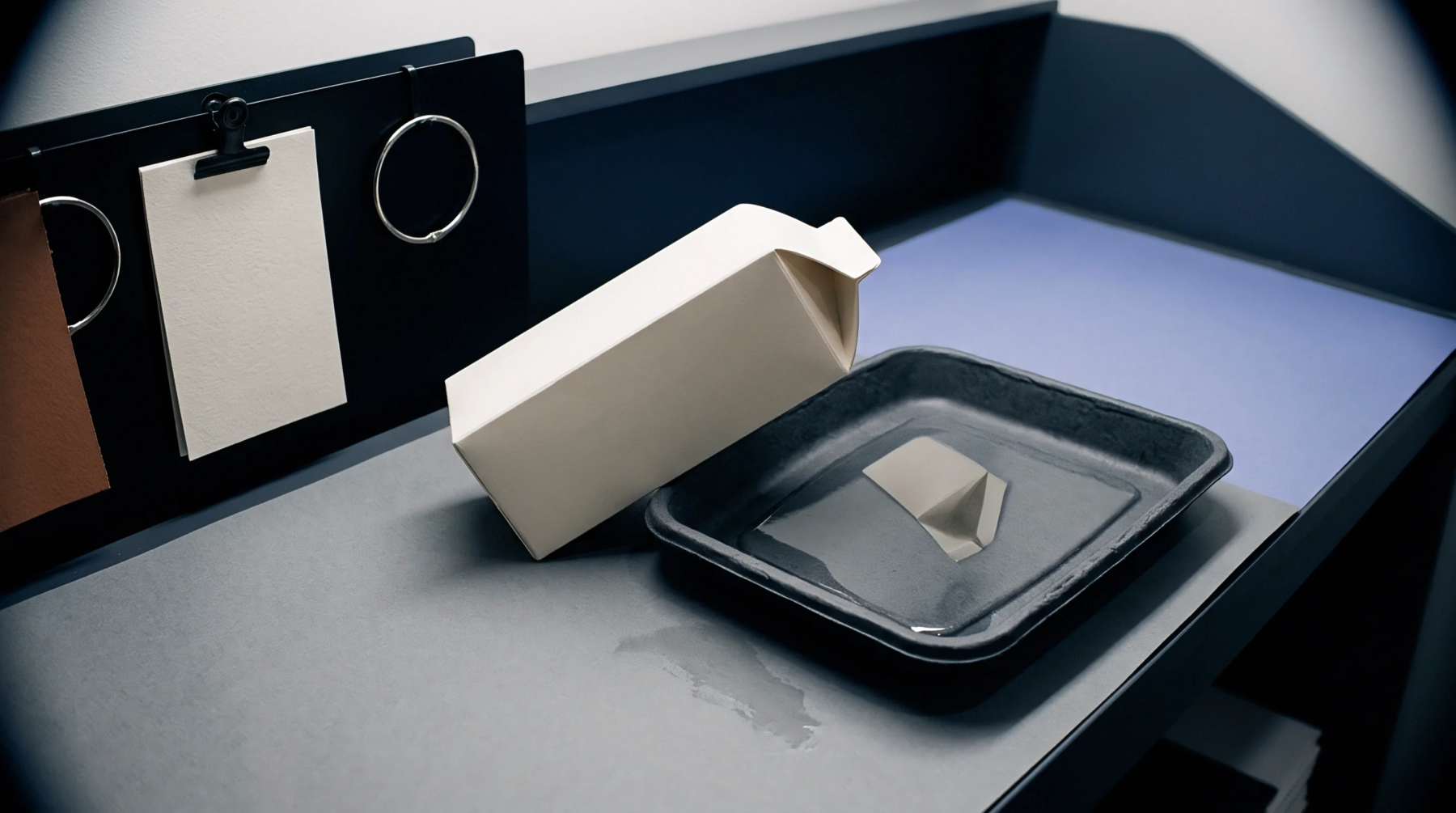
Correlating ISO 15901 Pore Distributions with Press Liquid Absorption
Static ISO 15901 intrusion maps structural pore volume, but press liquid uptake depends on dynamic permeability and capillary draw under microsecond nips.
Static ISO 15901 intrusion maps structural pore volume, but press liquid uptake depends on dynamic permeability and capillary draw under microsecond nips.

Dynamic contact angle testing under TAPPI T 558 exposes sub-second wetting and capillary absorption failures that traditional sixty-second Cobb tests completely miss.

Surfactant diffusion kinetics govern short-time surface tension during blade metering, preventing pinholing and ensuring carton converting adhesion.

Standardized liquid penetration testing requires matching dynamic bench exposure times to press dwell durations to accurately predict coating performance.
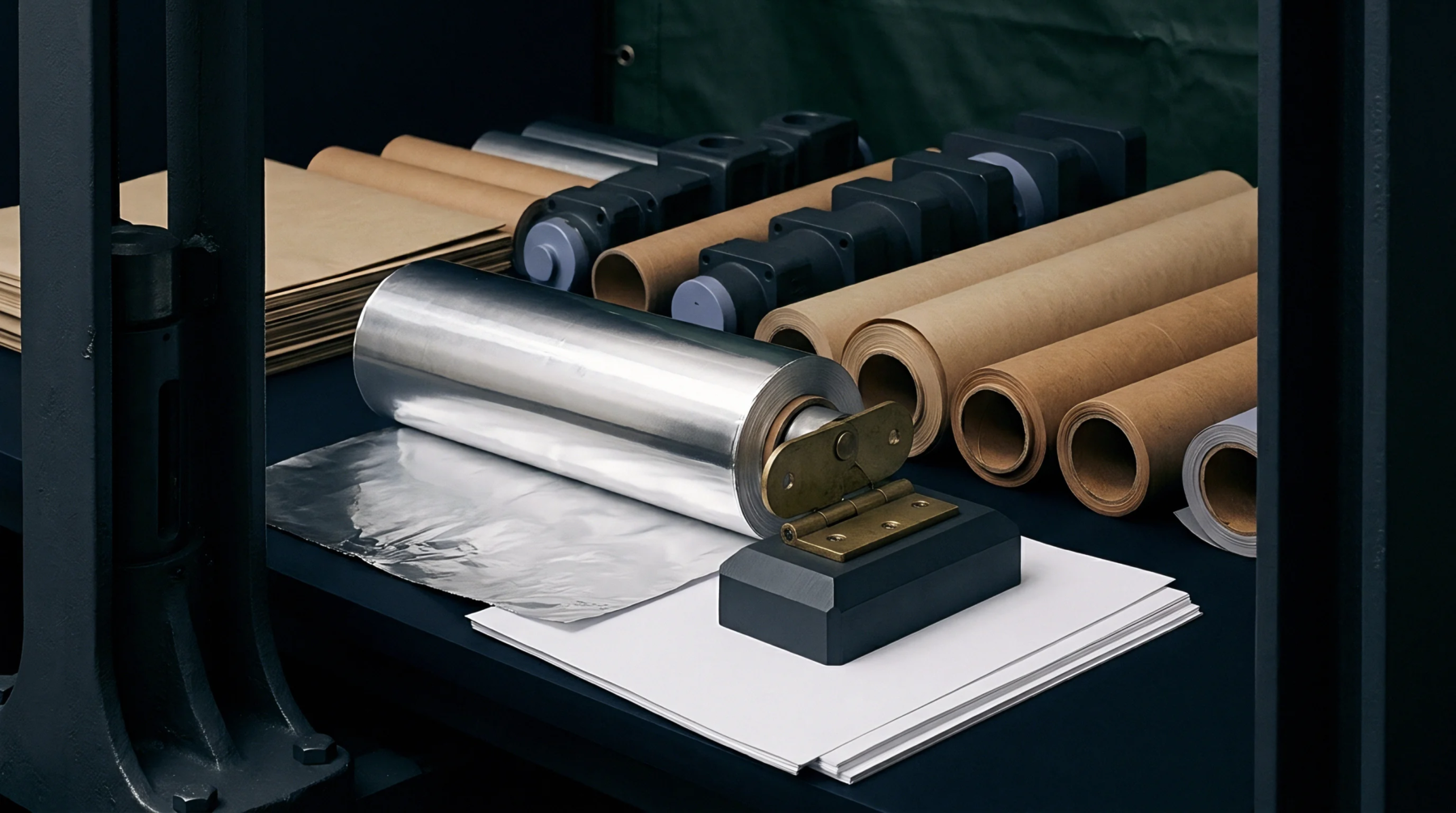
Dynamic microscale penetration testing resolves sub-second liquid absorption kinetics in recycled kraft linerboard to prevent converting failure.

Uncoated paper porosity metrics govern liquid absorption and optical light scattering, requiring customized Yule-Nielsen spectral curves for print tone accuracy.

Substrate capillary absorption speeds govern ink setting rate, dryer energy consumption, and cross-web print defect thresholds across high-speed converting runs.

Characterizing porous absorption in recycled paper requires measuring dynamic capillary wicking and pore size distribution to control ink set times and glue bonds.
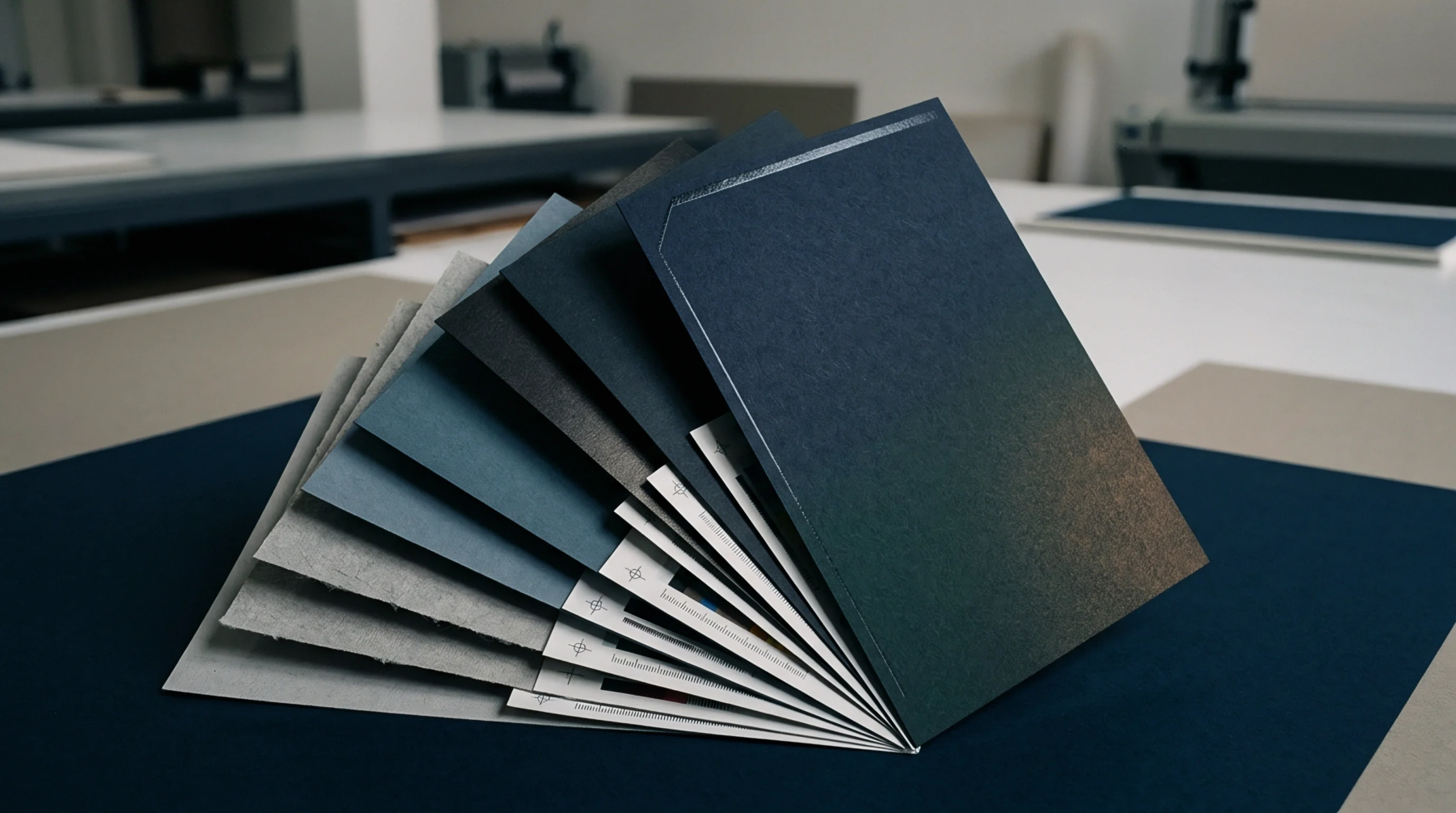
ISO 15901-1 porosimetry paired with dynamic sorption testing qualifies coating pore structures to prevent back-trap mottle and ink setting failures on press.
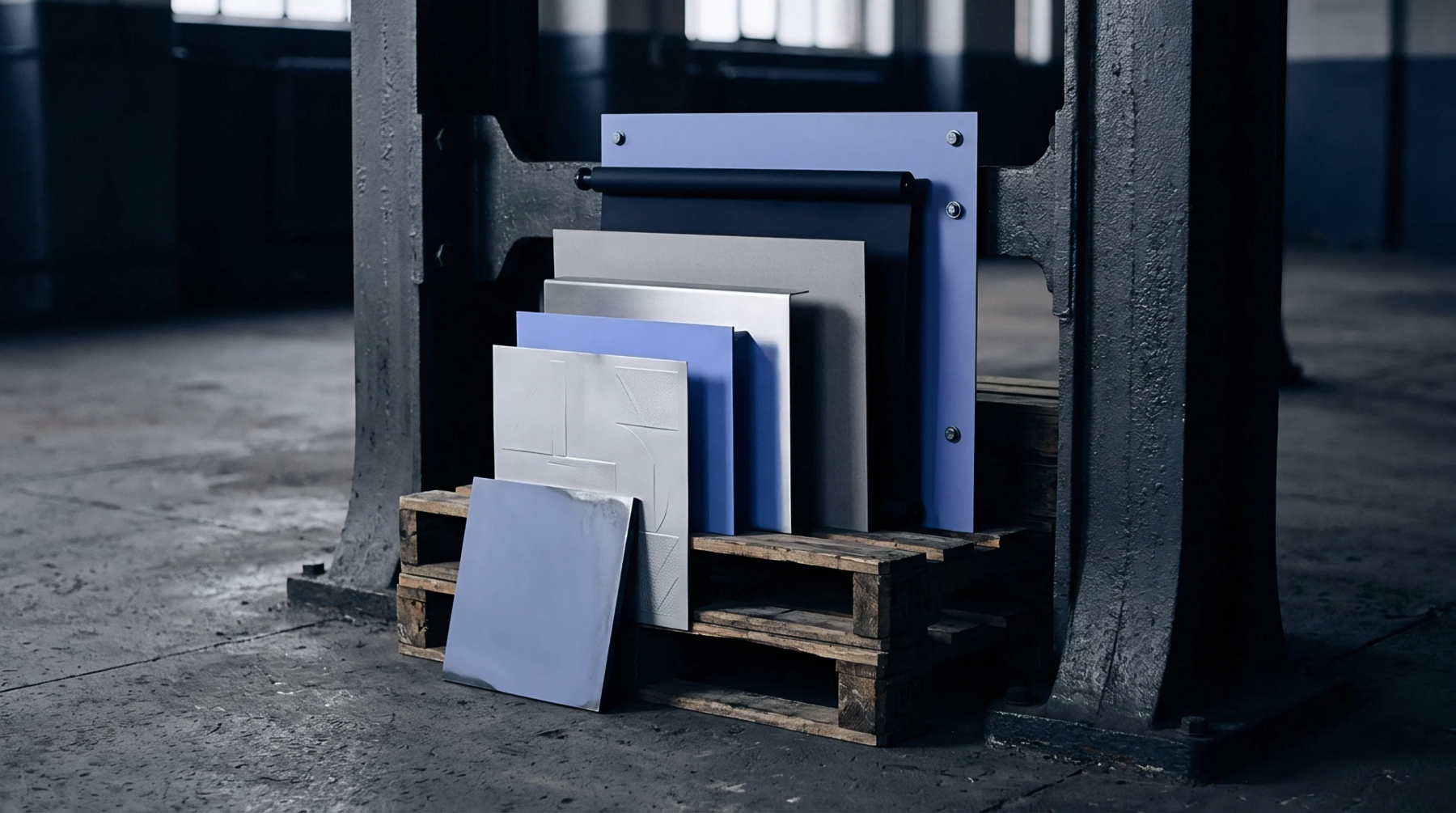
Capillary absorption kinetics in lightweight coated virgin papers depend on pigment packing geometry, binder distribution, and sub-micron pore radii.
Expertise is a utility, not a secret. sentiention™ publishes its working knowledge as open reference: intelligence layer covering the materials it sources, the markets it enters, and the reference that serves both.