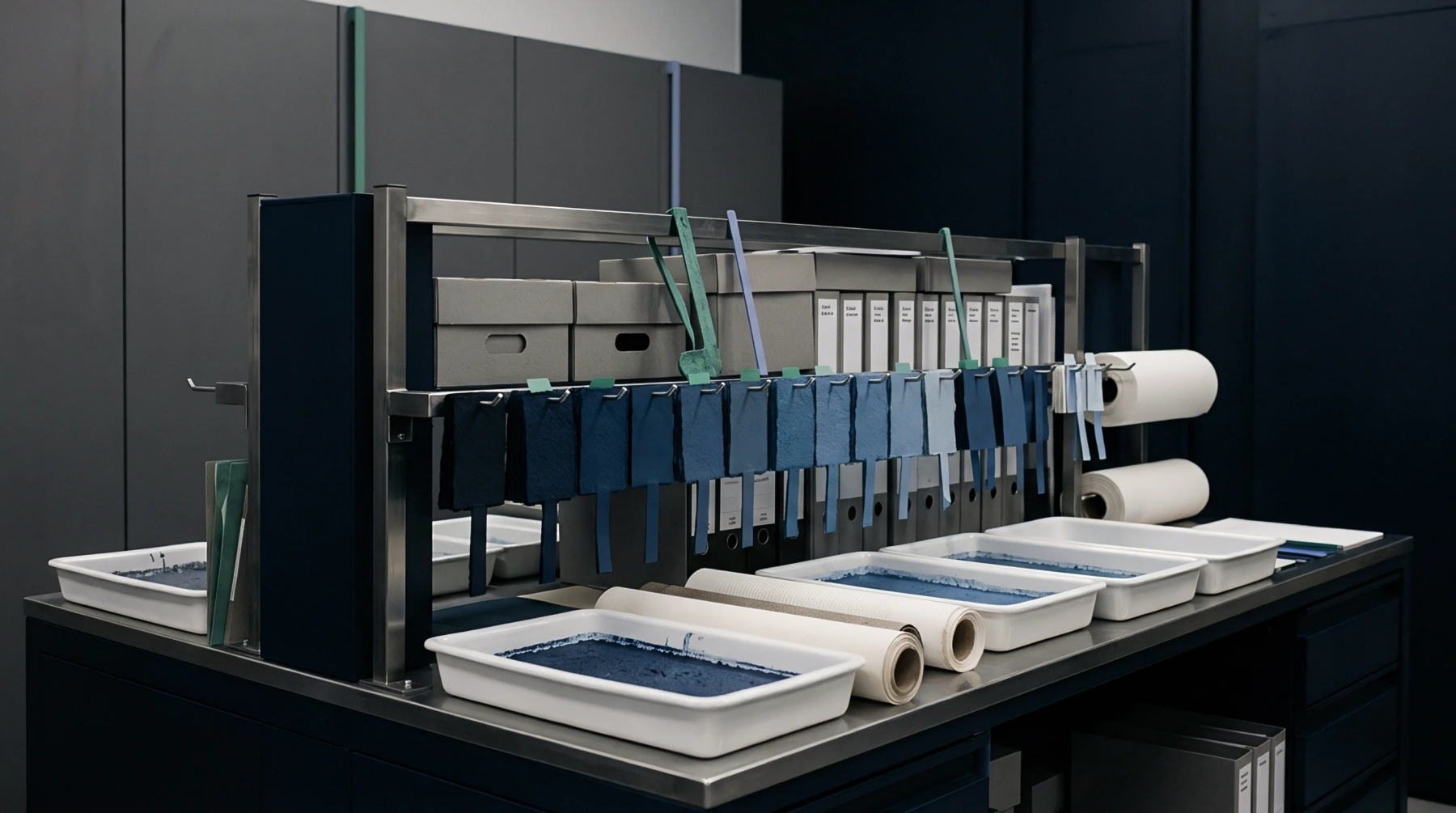
CIELAB Color Difference Thresholds for Ink Bleed Quantification
Specifying CIEDE2000 thresholds between 0.8 and 1.2 across micro-aperture line scans isolates ink bleed without triggering false inline vision rejects.
Specifying CIEDE2000 thresholds between 0.8 and 1.2 across micro-aperture line scans isolates ink bleed without triggering false inline vision rejects.

Recycled corrugated mediums lose compressive strength rapidly under humid transit due to fiber hornification and capillary vapor sorption; standard Cobb tests fail to predict vapor creep.
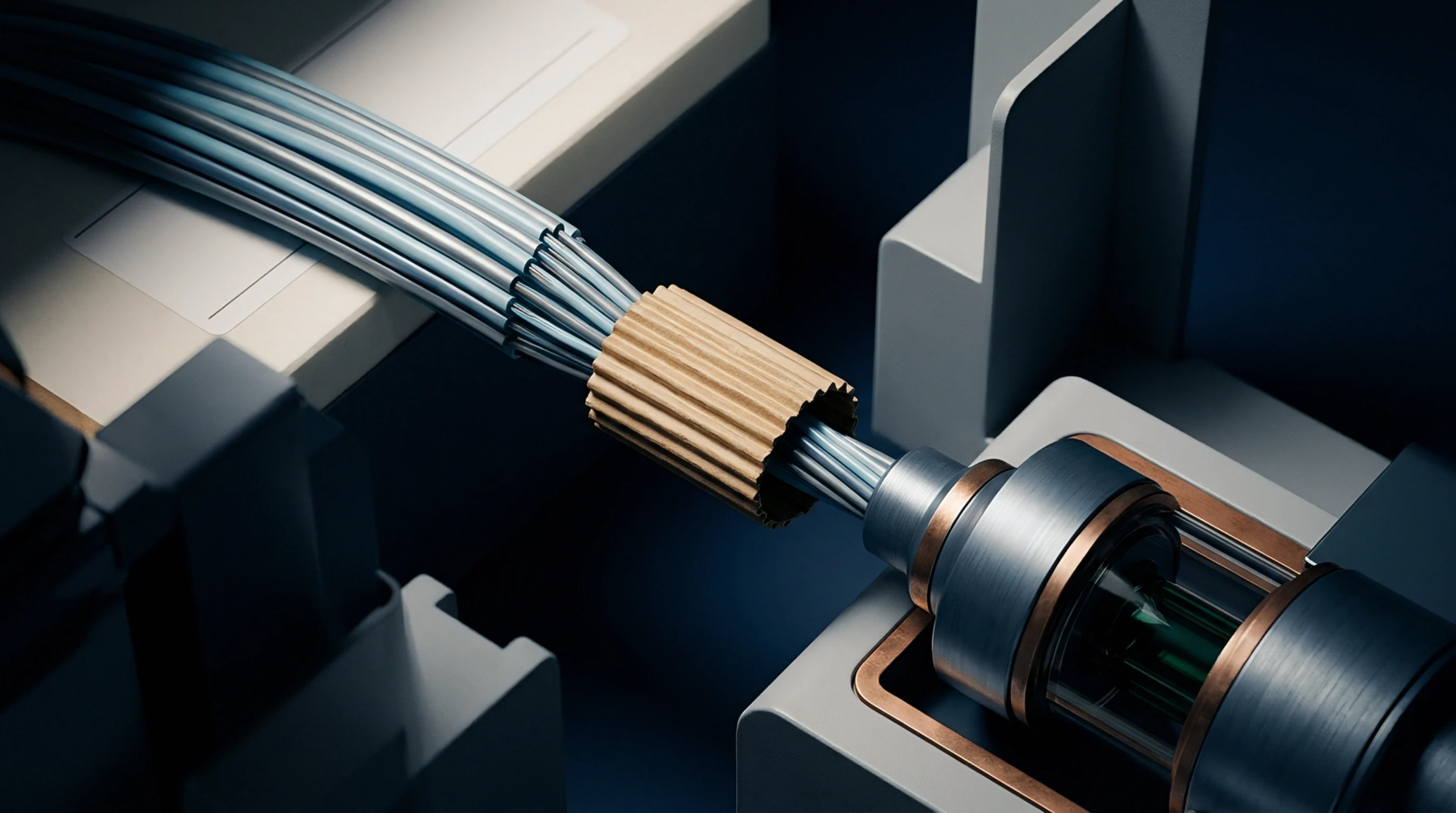
High line speeds stretch ink filaments beyond extensional stability limits, generating daughter droplets unless substrate porosity and resin relaxation match nip exit shear.
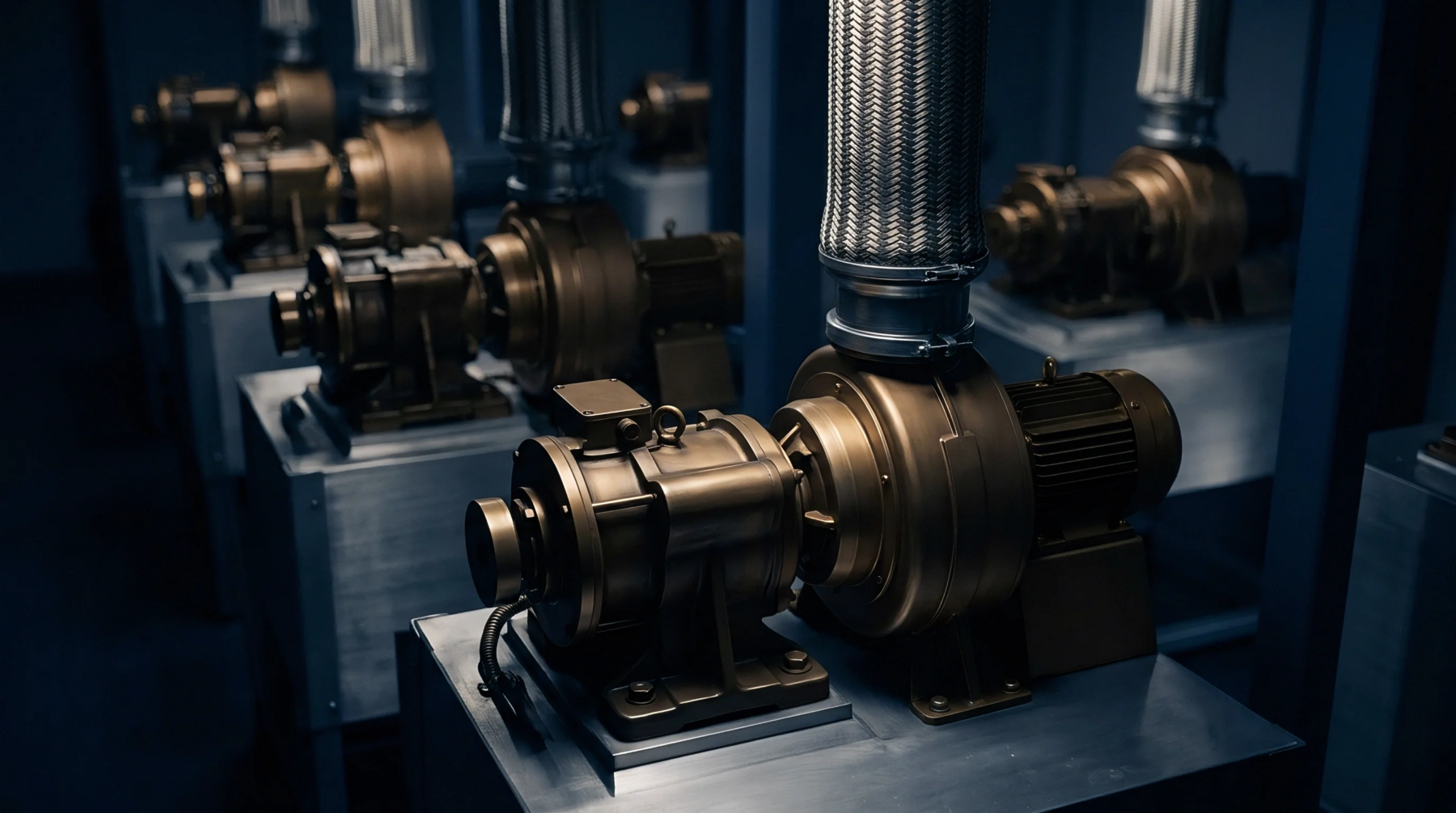
Equilibrium mercury porosimetry misreads millisecond print absorption because static high-pressure intrusion ignores inertial drag and dynamic contact wetting.

Characterizing porous absorption in recycled paper requires measuring dynamic capillary wicking and pore size distribution to control ink set times and glue bonds.
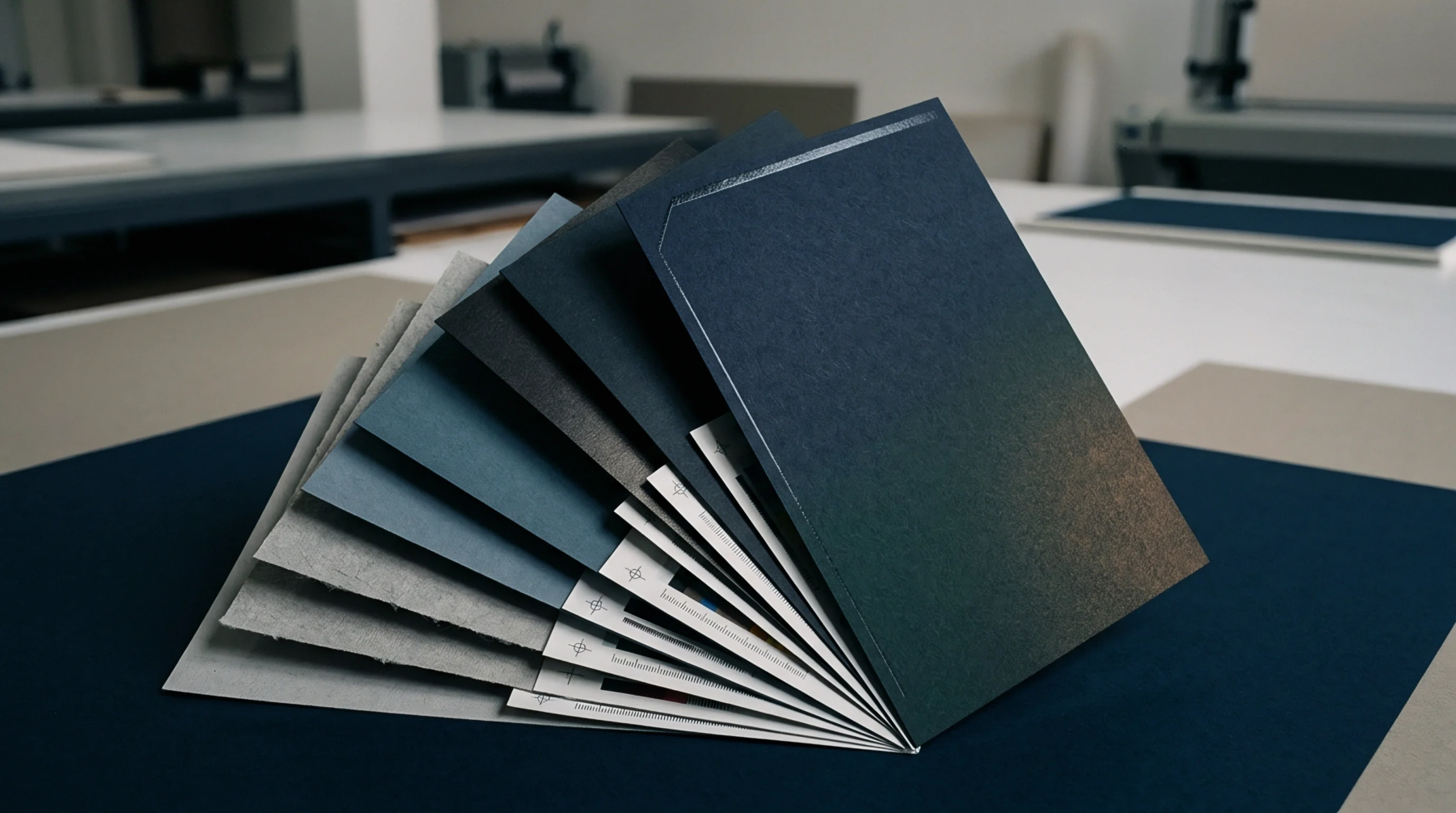
ISO 15901-1 porosimetry paired with dynamic sorption testing qualifies coating pore structures to prevent back-trap mottle and ink setting failures on press.

Dynamic surface tension decay in lightweight virgin hardwood papers dictates fountain solution uptake and ink setting, requiring strict dynamic contact angle limits in mill purchase specs.
Expertise is a utility, not a secret. sentiention™ publishes its working knowledge as open reference: intelligence layer covering the materials it sources, the markets it enters, and the reference that serves both.