Compression Measurement
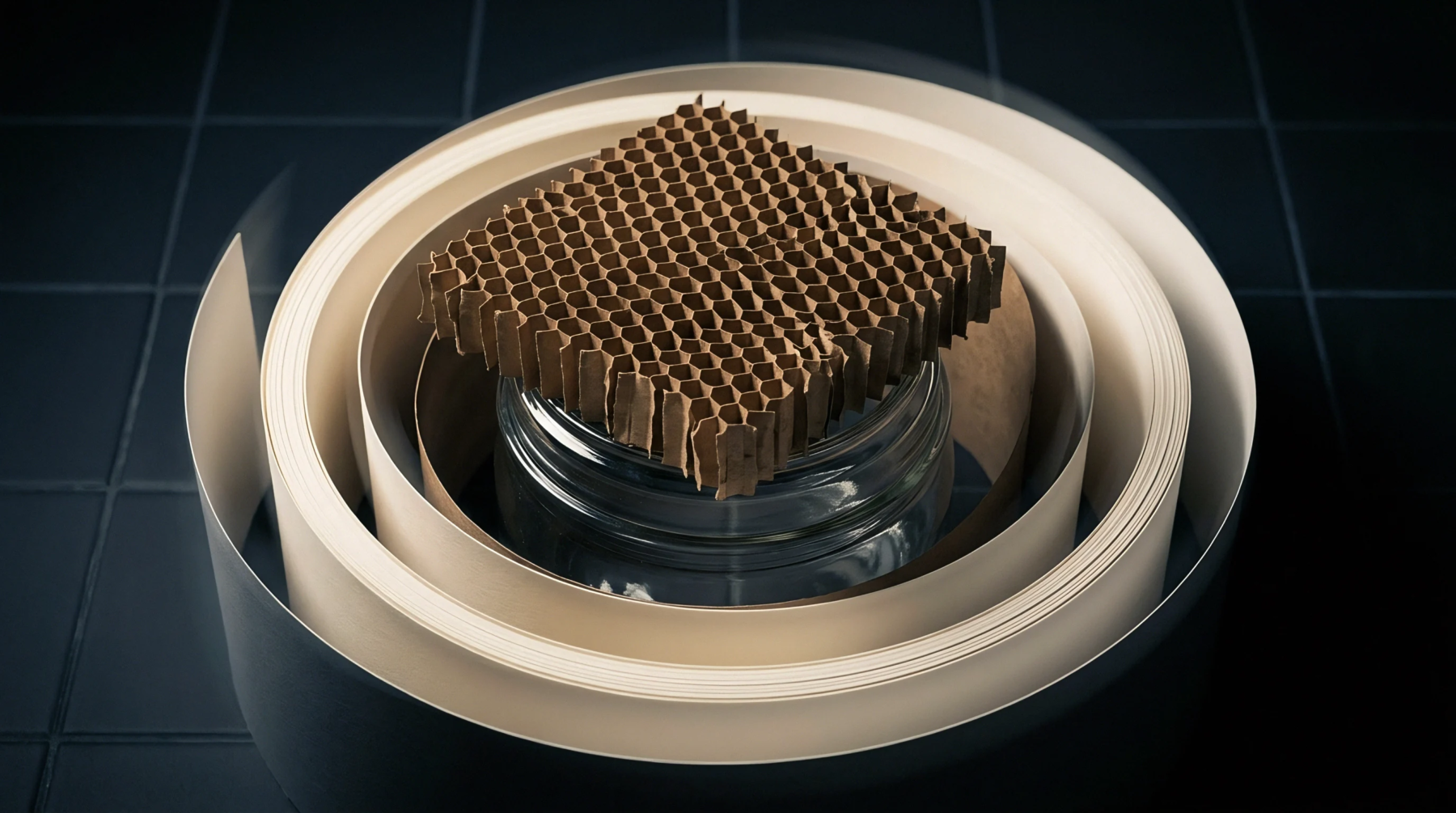
Physical assessment determines the edgewise compression strength of a thin strip of paper or paperboard formed into a cylinder. The ring crush test provides data on how well a material will resist buckling when used in the walls of a corrugated box. It is a standard quality control metric used by paper mills to predict the performance of their liners and fluting.
This test is specifically designed for materials that are too thin to be tested by other compression methods.
Laboratory Procedure
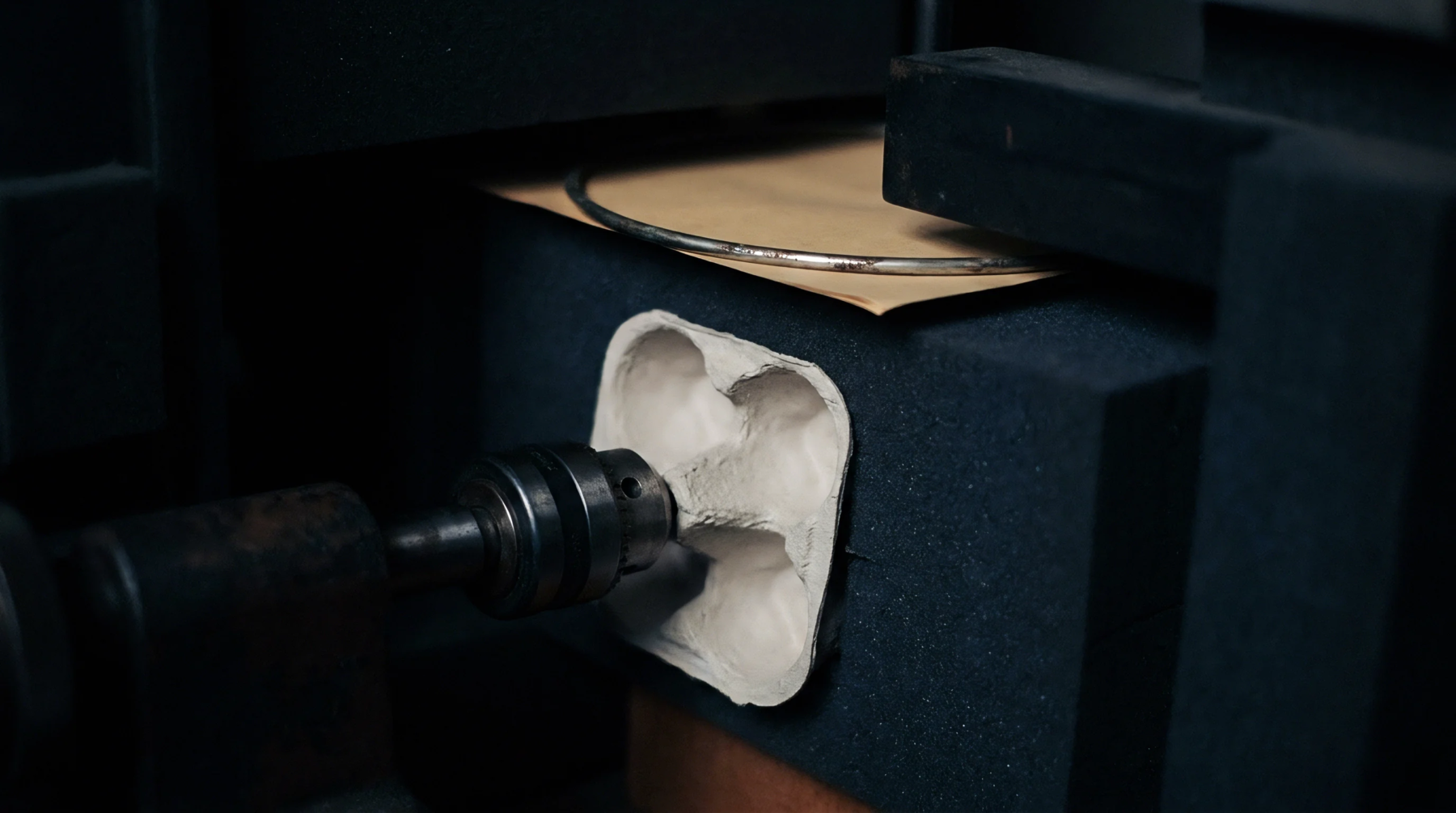
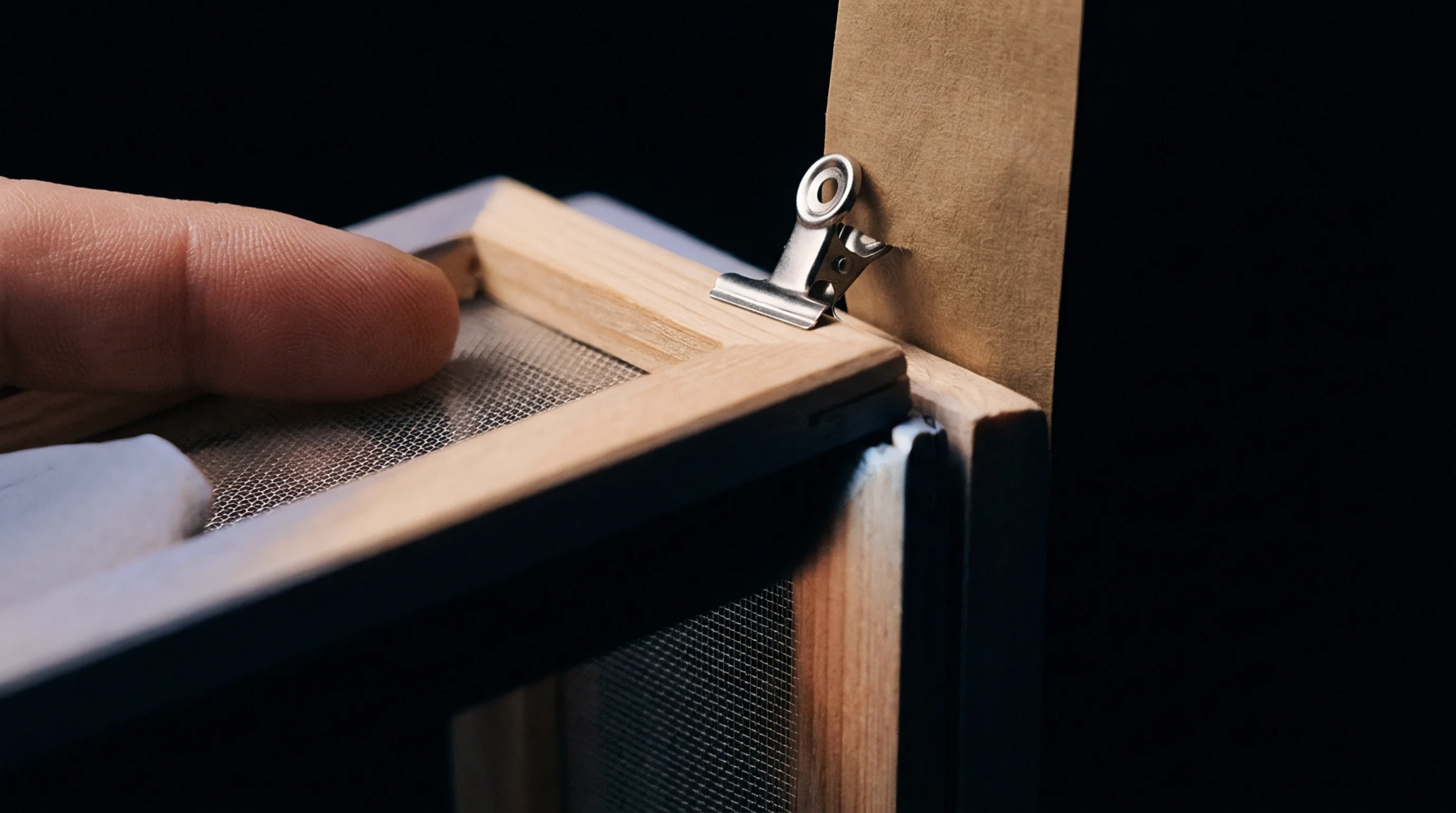
A strip of paper exactly six inches long and half an inch wide is inserted into a circular groove in a specimen holder. This holder is then placed between the platens of a compression tester which applies force at a constant rate until the ring collapses. The maximum load recorded before failure is the ring crush value.
Because the test is sensitive to the moisture content of the fibers, it must be conducted in a laboratory conditioned to standard temperature and humidity. Small errors in the cutting of the strip or the alignment of the holder can lead to noticeable variations in the results.
Structural Correlation
Engineers use these values to calculate the overall stacking strength of a finished carton. This allows them to choose the most cost effective board grade that can still survive the weight of a full pallet.