
Spectroscopic Online Detection of Fiber Length and Ash in Recycled Pulpers
Spectroscopic online pulper sensors decouple mineral filler spikes from fiber shortening, automating chemical dosing and defending mill yield against bad bales.
Spectroscopic online pulper sensors decouple mineral filler spikes from fiber shortening, automating chemical dosing and defending mill yield against bad bales.

Dynamic refining control balances specific energy across fractionated recycled stock streams to stabilize pulp freeness and sheet strength during feed surges.

Determining softwood and hardwood fiber ratios across plies ensures bending stiffness and score integrity in recycled folding boxboard specifications.
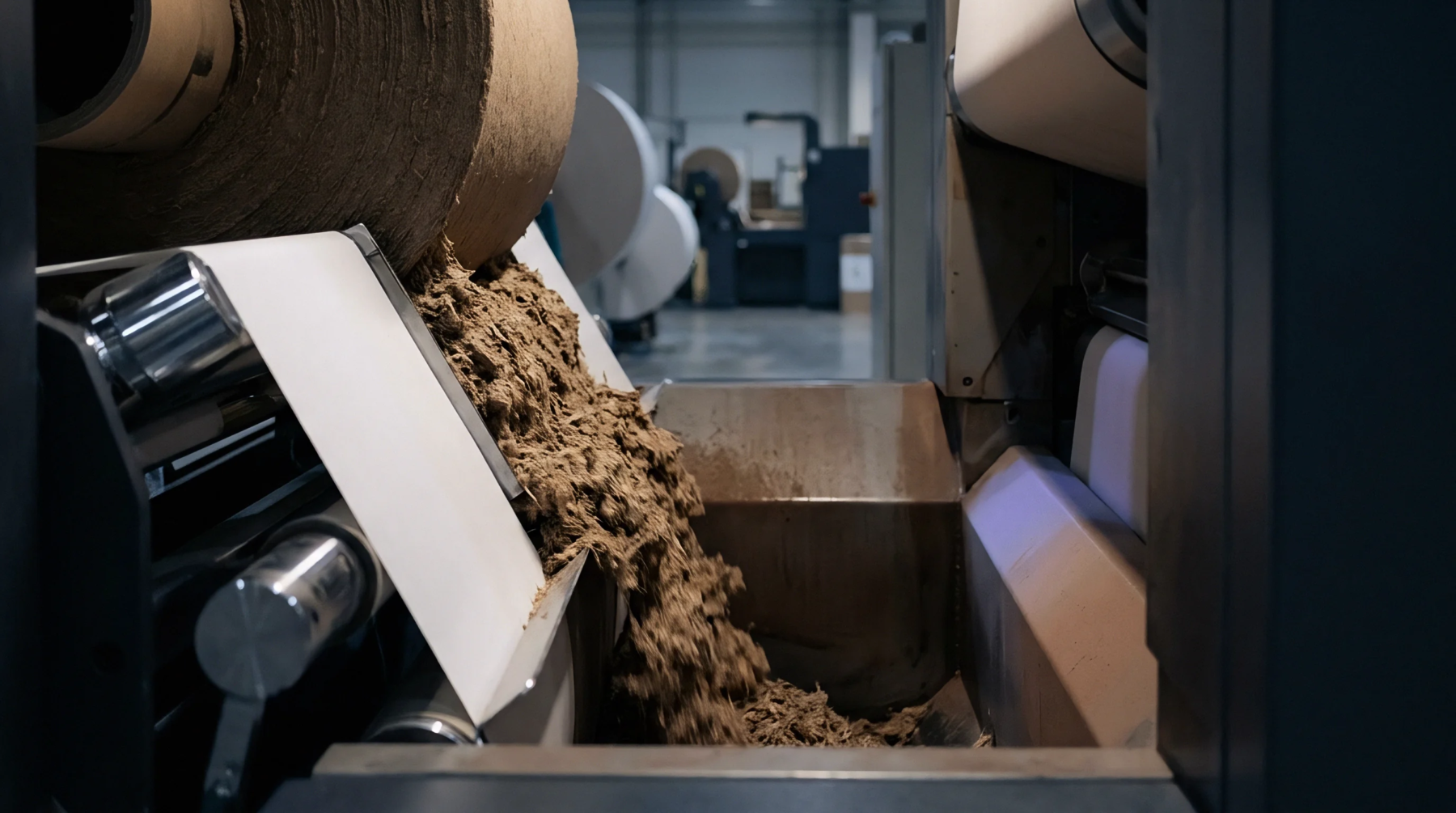
Laboratory pulp fractionation isolates fiber length and contaminant fractions to substantiate yield declarations, chain of custody records, and border taxes.

Dynamic delamination in recycled board stems from hornified short fibers in middle plies, requiring balanced starch and scoring geometry to prevent conversion splits.

Analytical paperboard testing combines optical fiber morphology, MOSH MOAH chromatography, and ash calcination to verify chain of custody recycled content claims.

Real-time NIR spectroscopy coupled with automated divert gate algorithms stabilizes furnish quality, rejecting off-spec recycled stock before pulper entry.

Hardwood pulp substitution increases sheet density but reduces caliper, dropping bending stiffness cubically and eroding high-speed converting line speed headroom.

Verifying virgin softwood content in packaging paper relies on fiber morphology analysis, ISO chemical pulp identification, and trace chemical markers

Recycled fiber networks lose up to forty percent of tensile strength under cyclic transport humidity swings due to bond dislocation and localized hygroexpansion.

Fractionating recycled furnish prior to low-consistency refining preserves boxboard caliper while meeting internal bond targets at reduced energy consumption.
Expertise is a utility, not a secret. sentiention™ publishes its working knowledge as open reference: intelligence layer covering the materials it sources, the markets it enters, and the reference that serves both.