Fiber Fragment
Cellulosic material fractions consisting of highly fibrillated cell wall fragments increase web density and internal hydrogen bonding in paper structures. During intensive mechanical refining, microfibrillated fines form from the outer primary and secondary layers of wood fibers, exhibiting surface areas exceeding fifty square meters per gram. The classification stops at non-fibrillated parenchymal cells and inorganic fillers, which do not contribute to inter-fiber bond formation.
Structural Impact
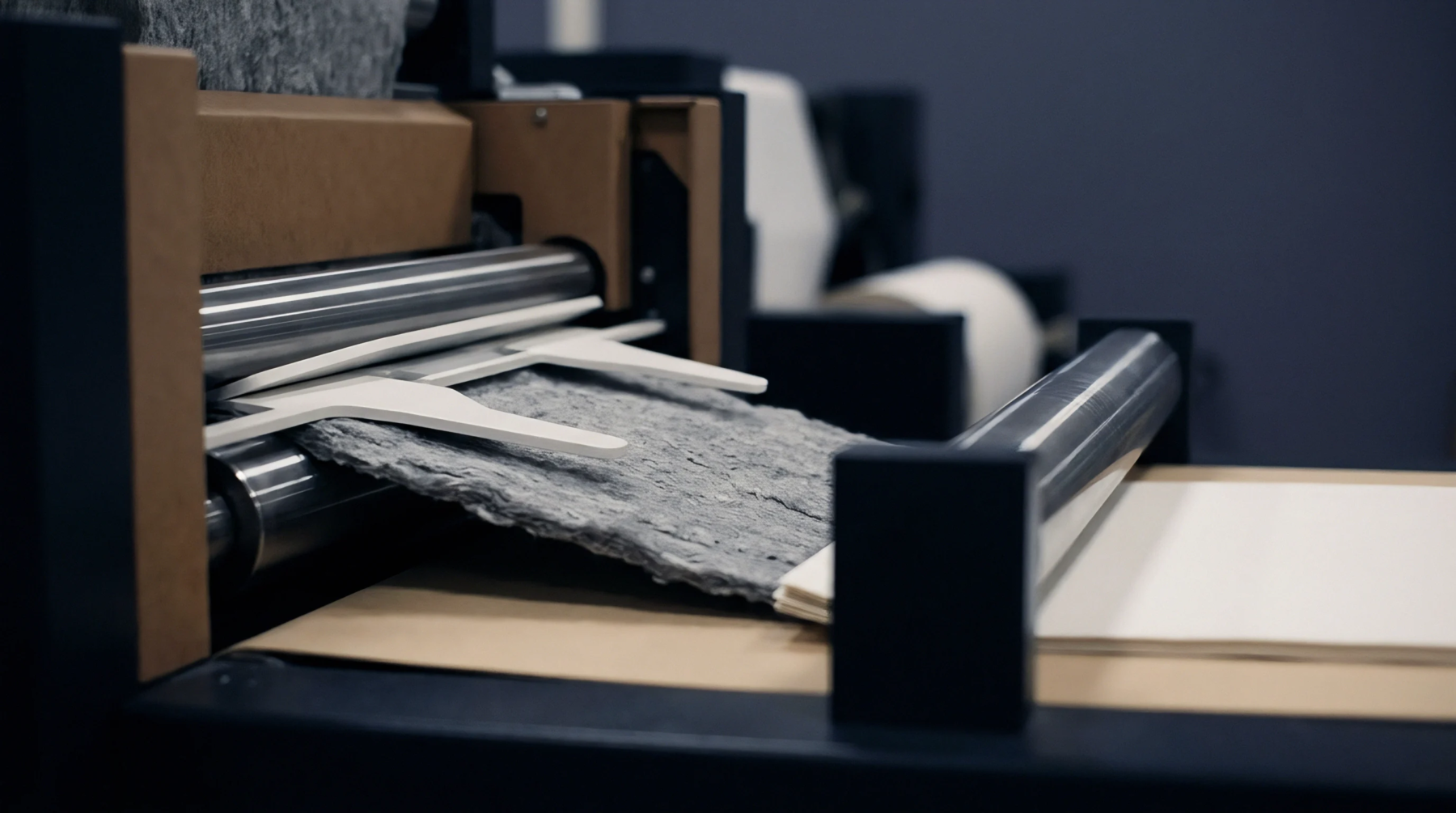
Refining energy alters fiber morphology by peeling the outer layer and exposing sub-micron fibrils. When introduced into paper furnish, these high surface area fragments bridge gaps between structural wood fibers, increasing tensile index and burst strength. Excess fraction content reduces web dewatering rates on the Fourdrinier wire, slowing paper machine operation.
Drainage aids and retention polymers form ionic flocs with negatively charged cellulose surfaces, preventing fine loss through machine forming fabrics. Wet web consolidation improves under pressing due to increased capillary forces within the dense fibril network. Air permeability drops sharply as microscopic pores seal under heat and pressure in the drying section.
Dewatering Constraint
Machine speed limitations emerge when high fines content increases vacuum box retention force and sheet moisture. Water removal efficiency decreases because refined fragments bind free water within hydration shells. Vacuum pressure adjustments offset drainage drag, though excessive suction causes sheet compaction before the press nip.
Reduced sheet dryness entering the dryer section elevates steam consumption per ton of paper produced.