Internal Adhesion
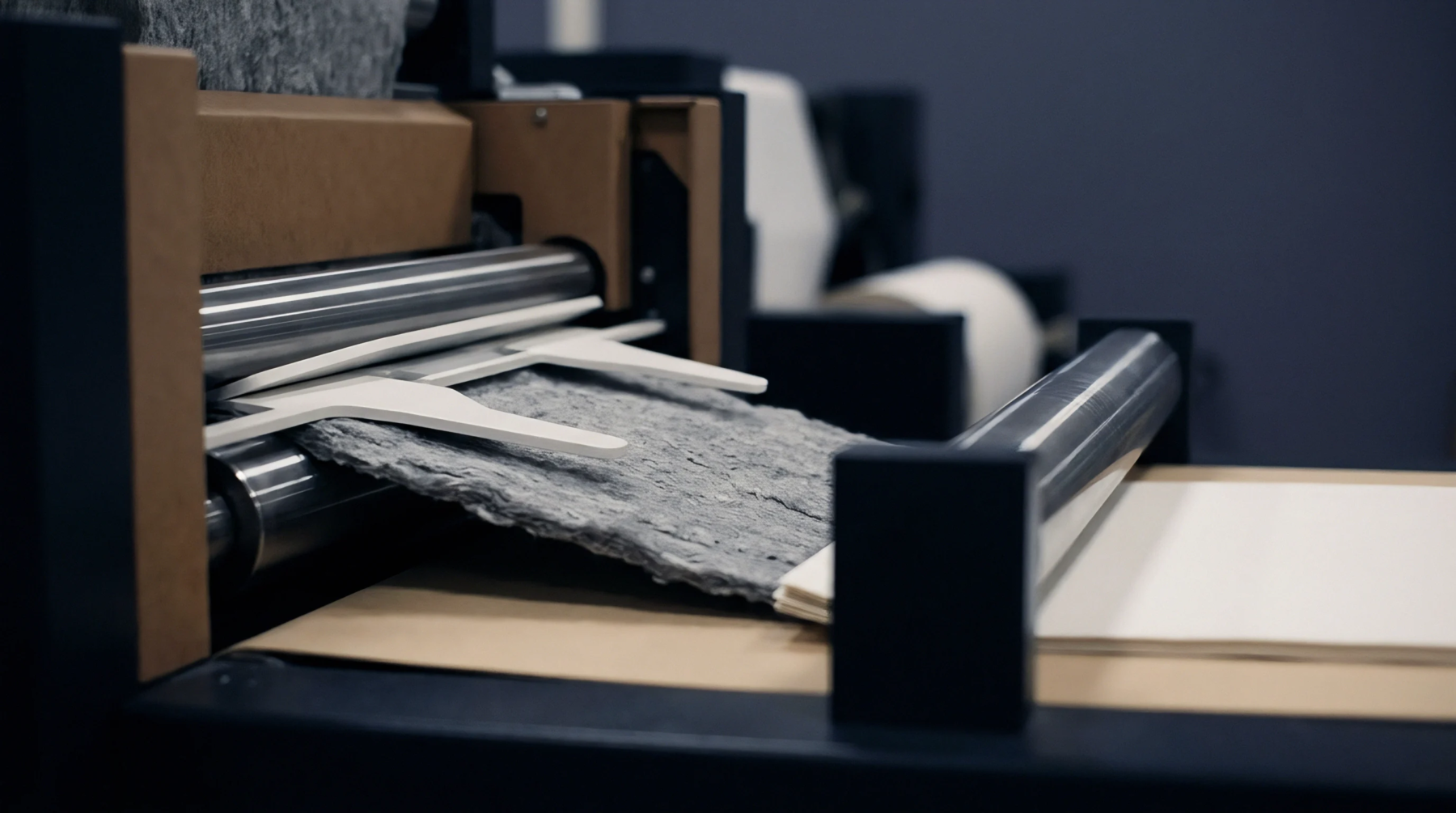
Internal ply bonding measures the internal resistance of multi-layered paperboard substrates to out-of-plane delamination, quantifying the force required to separate constituent fiber layers along their z-axis. High-speed carton converting machinery and automated packaging lines exert substantial mechanical stress on paperboard stocks during creasing, folding, and gluing operations. Substrates lacking adequate internal fiber cohesion fail prematurely, resulting in structural delamination where the outer liners shear away from the inner filler plies under tension.
Laboratory testing determines this resistance through Scott-type internal bond instruments, which apply a high-velocity pendulum impact perpendicular to the board surface and record the energy absorbed during layer separation. Production specifications require precise control over refining levels and wet-end starch addition during papermaking to optimize inter-fiber entanglement across all layered boundaries.
Caliper Stress
Heavyweight packaging substrates demand exceptional internal bond strength to withstand the severe geometric deformation imposed by high-speed rotary die-cutting and aggressive carton erection. Low internal bond values cause blisters and liner lifting when folding cartons negotiate tight 180-degree creases on high-speed gluer-folders, compromising container compression strength and package seal integrity. Folding carton manufacturers monitor z-directional tensile strength to prevent structural failure during automated pharmaceutical and food packaging operations where high carton rigidity meets rapid mechanical handling.
Converting lines running recycled paperboard stocks face elevated delamination risks due to shorter recycled fiber lengths, necessitating increased chemical bonding agents to maintain interlayer strength.
Substrate Limits
Excessive internal fiber bonding degrades paperboard printability and carton foldability by increasing sheet rigidity beyond optimal converting parameters. Over-refined pulps create dense, brittle board structures that fracture along crease lines rather than forming clean, rounded hinges during box formation. Papermakers balance z-directional strength against bending stiffness targets, ensuring the multi-layer sheet retains sufficient internal flexibility to absorb dynamic filling loads without delaminating under stress.