Reconciling Deinking Mass Loss and Credit Ledgers for Multi-Ply Folding Boxboard Recycled Claims
Unadjusted deinking mass loss in credit ledgers inflates recycled board claims, creating severe compliance exposure during border customs inspections.


Flotation
Chemical washing and mechanical screening steps remove non-cellulosic contaminants from recovered paper stock during pulping operations. Printed recovered paper streams processed for high-brightness paperboard grades undergo intensive mechanical aeration, air injection, and surfactant additions inside froth flotation cells. Hydrophobic ink particles attach to rising air bubbles, forming an ink-rich surface foam skimming off the stock slurry.
Cellulose fibers, inorganic mineral coatings, latex adhesives, and fine contaminants separate continuously throughout this process. The resulting mass reject stream carries significant dry solids weight away from the usable fiber stream.
Mass loss across deinking operations varies directly with input furnish composition, printing ink density, and target pulp brightness. Standard sorted office paper contains twelve to twenty-five percent inorganic fillers by weight, comprising calcium carbonate, kaolin clay, and titanium dioxide. High-consistency pulping, coarse screening, fine slotted screening, forward cleaners, and flotation stages progressively purge these non-papermaking fractions.
Short fiber escapes flotation cells alongside mineral fillers and binder resins. Ink particles float upward. The accumulated reject solids collect as primary deinking sludge, requiring mechanical dewatering prior to landfilling or energy recovery.

Reject Rates across Deinked Pulp Operations
Processing sorted office paper yields between sixty-five and eighty-five percent usable cellulose based on dry input weight. Mechanical screening removes heavy grit. Old newsprint and magazines processed through single-stage flotation lose fifteen to twenty-two percent dry mass.
Higher brightness requirements for white top liners demand two-stage flotation and oxidative bleaching, increasing dry mass loss to thirty-five percent. When mills record raw incoming bale tonnage as certified recycled input without deducting deinking sludge mass, credit ledger figures diverge immediately from physical fiber output.
| Furnish Grade | Ash Content (%) | Flotation Loss (%) | Mechanical Reject (%) | Net Yield Factor (%) |
|---|---|---|---|---|
| Sorted Office Paper (SOP) | 18.5 | 12.0 | 4.5 | 65.0 |
| Old Newsprint / Magazines (ONP/OMG) | 12.0 | 8.5 | 3.0 | 76.5 |
| Deinked High Grade Shavings | 6.0 | 3.5 | 1.5 | 89.0 |
| Mixed Recovered Paper (MRP) | 22.0 | 15.0 | 8.0 | 55.0 |
| Yield factors express dry output fiber weight as a percentage of air-dry raw bale weight at ten percent moisture content. | ||||
Mechanical screening purging sand, staples, and plastic film produces primary screenings representing two to six percent of input mass. Flotation froth accounts for the largest mass drop, concentrating ink pigments and fine calcium carbonate particles. Washing stages designed to elevate pulp freeness drain micro-fibers smaller than one hundred micrometers through fine mesh wire extractors.
Ash content reduces pulp yield. These combined waste streams alter the chemical and physical balance between incoming weight documentation and final board reel production.

Ash Removal and Short Fibre Fractionation
Inorganic fillers including calcium carbonate and kaolin clay represent up to thirty percent of incoming recovered printed sheets. These mineral components contribute dry weight during raw bale receiving weigh-in at the mill gate. Flotation cells and micro-washers remove eighty to ninety-five percent of these minerals to restore fiber-to-fiber bonding capability in the recycled stock.
The resulting deinked pulp displays elevated tensile index figures and brightness values suitable for folding boxboard applications.
Fibre length distribution shifts significantly during stock preparation. Fractionation pressure screens split the stock into long-fiber and short-fiber fractions. The short-fiber stream contains damaged cell wall fragments and micro-fibrils that drain rapidly during dewatering, carrying high organic load into effluent treatment systems.
Ignoring this combined ash and fiber mass loss when calculating input-to-output conversion factors causes systemic credit inflation within certified chain of custody accounting systems.
- Heavy Screen Rejects consist of metallic staples, coarse sand, gravel, and dense plastics removed during high-density pulping and centrifugal cleaning.
- Light Plastic Fractions include polypropylene film fragments, adhesive tape backings, and synthetic laminates removed by slotted pressure screens.
- Flotation Ink Foams contain concentrated carbon black, organic pigments, surfactant residues, and hydrophobic synthetic binders gathered from aeration cells.
- Washing Effluent Solids comprise mineral coating clays, filler particles, micro-fibers, and starch additives washed through fine decker screens.
Underestimating deinking mass loss leads to systematic over-crediting of recycled content claims, exposing packaging converters to severe legal penalties during regulatory audits.


Ply
Multi-layer paperboard construction isolates high-brightness surface layers from heavy internal bulk zones. Modern folding boxboard architectures feature three to five distinct fiber layers formed on separate wire units before wet pressing. Top liners require high-brightness virgin chemical pulp or heavily deinked high-grade recycled fiber to deliver clean printing surfaces.
Back liners use bleached virgin pulp, unbleached kraft, or deinked stock depending on visual requirements. Middle layers utilize mechanical pulp, thermomechanical pulp, or lower-grade recovered furnish to build sheet thickness and bending stiffness.
Distribution of recycled fiber across specific layers directly impacts total sheet mass balance. Folding Boxboard designated as GC1 features virgin chemical pulp on both outer faces with a mechanical pulp center. GC2 board uses virgin top liner with an unbleached or recycled back face.
White Lined Chipboard, classified under GD or GT designations, contains fifty to ninety percent recycled content distributed throughout inner plies and back layers. Surface stiffness governs box strength. Matching deinking mass balance parameters to the specific layer receiving deinked pulp isolates fiber yields per structural zone.
Recycled content assertions printed on multi-ply board packaging remain legally binding across all constituent layers regardless of individual layer thickness.

Liner Composition versus Middle Layer Furnish
Bleached virgin chemical pulp provides the smooth, printable exterior face of folding boxboard packaging. Surface layers typically constitute ten to fifteen percent of total sheet grammage, running between thirty and forty grams per square meter. When deinked pulp replaces virgin fiber in the top liner, stock preparation systems demand maximum brightness and zero visible specks.
Achieving this specification requires intensive multi-stage flotation, fine slotted screening down to 0.10 millimeter slot widths, and dispersion unit thermal treatment. Mass loss in top-liner deinking systems reaches thirty to thirty-five percent.
Central plies absorb mechanical pulp. The middle structure provides forty-five to seventy percent of total board weight, utilizing thermo-mechanical pulp, groundwood, or un-deinked recovered paper. Processing furnish for middle layers involves coarse screening and minimal washing, retaining mineral fillers and mechanical fines.
Yield losses for middle-ply stock preparation stay low, typically ranging between three and eight percent. Combining high-loss liner stock with low-loss core stock inside a single mill requires separate conversion factors for each stock preparation line.

Cross-Sectional Mass Allocation and Deinked Yield
Structural stiffness relies heavily on the thickness and density of the central core within the board architecture. Calculating total recycled credit output for a multi-ply sheet requires a weighted average conversion factor reflecting the individual yield of each stock line. Applying a uniform mill-wide yield factor introduces accounting errors whenever the production ratio between virgin-lined GC grades and fully recycled GD grades shifts on the board machine.
Machine operational efficiency depends on maintaining precise basis weight distribution across all plies. Wire drainage rates, press section water removal, and yankee cylinder drying profiles shift when deinked pulp substitution alters stock freeness. Higher proportions of short recycled fibers reduce vacuum dewatering speed, forcing machine speed adjustments or altered ply weight ratios.
Tracking physical fiber weight per ply validates that certified credits allocated to a production run match the actual dry fiber incorporated into the finished board roll.
Fibre quality dictates layer structural integrity.


Conversion
Chain of custody tracking standards govern how raw material inputs generate certified output claims in paper mills. Standard FSC-STD-40-004 and PEFC ST 2002 frameworks allow mills to operate Credit Systems, where certified raw material purchases earn volume credits entered into an accounting ledger. Sales of certified finished product deduct matching volume credits from this ledger.
Standards demand that mills apply accurate yield factors when converting raw input weight into finished product credits, preventing artificial credit expansion.
Yield conversion factors must reflect the real dry mass ratio between incoming recovered paper and finished paperboard reel output. Entering raw bale weight directly into a credit ledger without deducting moisture content, screening rejects, and deinking sludge violates certification regulations. Certified audit procedures mandate annual verification of yield conversion ratios through physical mass balances.
When a mill operates an integrated deinking plant, deinking mass loss represents the single largest yield reduction step in the entire manufacturing route.
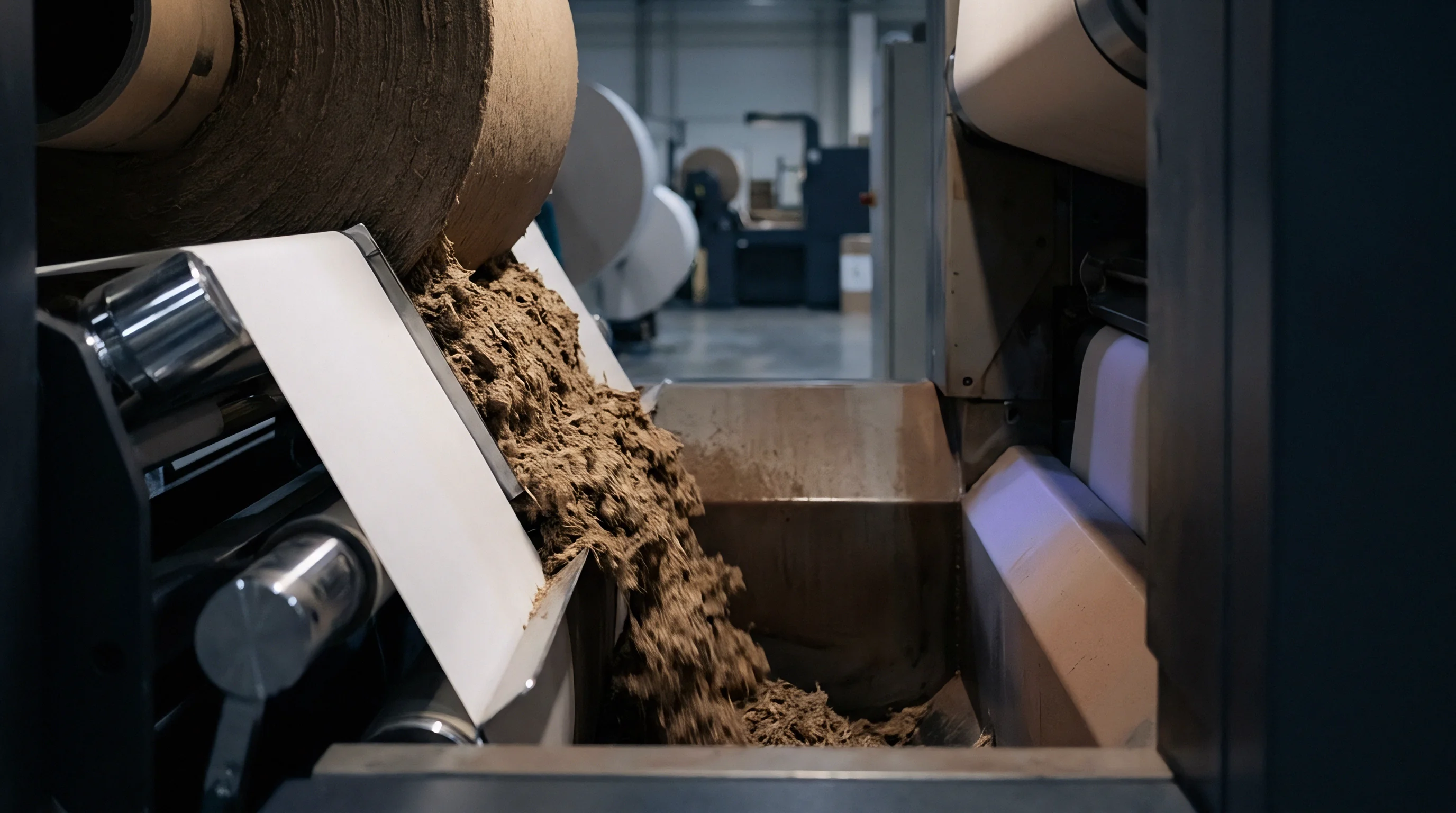
How Does Flotation Mass Loss Impact Credit System Totals?
Certified credit ledgers build on physical volume entries recorded at the mill receiving dock. A mill purchasing one thousand dry tonnes of sorted office paper logs raw fiber intake into its chain of custody software. If stock preparation and flotation deinking incur a twenty-five percent dry mass loss, only seven hundred fifty dry tonnes of usable pulp reach the paperboard machine stock chests.
Entering one thousand tonnes of recycled credits into the ledger overstates available credit volume by two hundred fifty tonnes.
Unadjusted credit claims violate standards. Audit trails demand dry mass. When ledger credits exceed physical fiber yield, downstream claims printed on folding cartons become invalid.
Certification bodies discovering unadjusted mass loss figures during annual surveillance audits issue major non-conformities, requiring immediate ledger corrections and potential suspension of chain of custody certificates.

Worked Ledger Reconciliation for 1000 Tonnes Finished Board
A mill processing eight hundred tonnes of post-consumer wastepaper enters raw incoming figures directly into the accounting database. To produce one thousand air-dry tonnes of multi-ply folding boxboard with a target recycled content specification, calculating exact ledger movements demands precise accounting steps across raw intake, deinking processing, and multi-ply board machine deposition.
- Determine raw furnish intake weight and measure incoming moisture content to establish exact oven-dry metric tonnage received at the mill dock.
- Sample primary screen rejects, heavy cleaning solids, and flotation froth streams to measure total dry solids discharge from stock preparation.
- Subtract measured dry waste mass from dry input mass to establish net usable deinked pulp volume transferred to the board machine chest.
- Multiply net deinked pulp mass by individual layer allocation percentages to calculate exact recycled fiber incorporation across top, middle, and back plies.
- Apply board machine yield factors accounting for couch pit broke, wire drainage fine loss, and rewinder trim losses to derive final reel mass.
- Enter net verified recycled output tonnage into the certified credit ledger as available FSC Mix Credit or PEFC Recycled volume.
Assume a mill manufactures one thousand tonnes of 300 g/m² multi-ply folding boxboard comprising three layers: a top liner representing fifteen percent of total weight (45 tonnes), a middle layer representing seventy percent (210 tonnes), and a back liner representing fifteen percent (45 tonnes). Top liner furnish utilizes deinked sorted office paper subject to a twenty-eight percent mass loss. Middle layer uses un-deinked mechanically pulped recovered paper with a five percent mass loss.
Back liner uses virgin chemical pulp with zero recycled credit value.
| Ply Layer | Furnish Input Type | Wet Mass Input (t) | Yield Loss Factor (%) | Real Net Output (t) | Unadjusted Ledger Credit (t) |
|---|---|---|---|---|---|
| Top Liner (15%) | Deinked SOP Pulp | 250.0 | 28.0 | 180.0 | 250.0 |
| Middle Core (70%) | Mixed Waste Paper | 884.2 | 5.0 | 840.0 | 884.2 |
| Back Liner (15%) | Virgin Chemical Pulp | 180.0 | 0.0 | 180.0 | 0.0 |
| Total Sheet (100%) | Combined Furnish | 1314.2 | 13.25 (Avg) | 1200.0 | 1134.2 |
The calculation demonstrates that generating 1020 tonnes of net recycled board content across top and middle layers requires sourcing 1134.2 tonnes of raw recovered paper inputs. If the mill logged raw input tonnage directly as certified credits without applying the layer-specific yield loss factors, the ledger would carry an unearned surplus of 114.2 tonnes of recycled credit. This phantom credit balance allows uncertified virgin board to be sold under certified recycled labels, triggering regulatory non-compliance under EU unfair trading regulations and FSC chain of custody rules.
Clause 5.1 of FSC-STD-40-004 mandates that conversion factors must be specified for all processing steps involving material transformation, and must be updated whenever process yields change.
Under Clause 5.1 of certified chain of custody regulations, failure to update conversion factors following shifts in raw furnish quality mandates immediate ledger adjustments and retrospective credit cancellations.


Discharge
Sludge dewatering equipment removes water from waste solids before disposal or incineration. Environmental management systems continuously track total suspended solids, chemical oxygen demand, and dry cake weight exiting industrial wastewater treatment plants. These environmental discharge records provide independent, physical verification of deinking plant mass balance calculations.
Auditors compare environmental waste transfer notes directly against mill credit ledger deductions.
Primary deinking sludge cake typically contains forty to fifty-five percent dry solids after passing through belt filter presses or screw presses. The inorganic fraction consists mainly of calcium carbonate, kaolin clay, and residual titanium dioxide, while the organic fraction comprises short cellulose fibers, wood fines, and synthetic polymers. Weighbridge tickets logged for sludge disposal trucks document the precise physical mass removed from the pulping circuit during stock preparation.

Sludge Dry Mass Verification in Deinking Effluent
Laboratory measurement of total suspended solids requires filtration through glass fiber discs followed by oven drying at one hundred five degrees Celsius. Ash content determination via combustion at five hundred fifty degrees Celsius separates organic fiber loss from mineral filler loss. Combining daily wastewater flow volumes with suspended solids concentrations establishes total mass discharge per production shift.
Water weight flatters raw inventory. Effluent treatment plants process clarifier underflow containing fine suspended matter, biological sludge, and dissolved organic compounds. Adding organic coagulation polymers and aluminum sulfate precipitates colloidal particles, transferring dissolved mass into secondary sludge cake.
Calculating net fiber loss requires isolating cellulose fiber mass from chemical additive weight and precipitated inorganic minerals.
Physical sludge cake weighbridge records showing twelve dry tonnes of daily deinking waste confirm a matching minimum dry mass deduction requirement in certified credit ledgers.

Reconciling Mill Waste Records against Credit Ledgers
Environmental compliance officers log every truckload of deinking residue exiting the mill site. Chain of custody auditors cross-reference these environmental waste manifests against the conversion factors maintained by the certified credit ledger manager. A persistent discrepancy between environmental waste figures and credit ledger yield deductions indicates inaccurate ledger conversion factors.
Discrepancies arise when mills adjust pulping operations to handle lower-grade recovered paper without updating ledger conversion parameters. Processing dirtier furnish increases sludge discharge volumes immediately. If the credit ledger continues using historical yield factors derived from higher-grade input stock, credit ledger entries fail to reflect true physical outputs.
Suppliers frequently claim that process yield variances average out over multi-month production cycles across mixed product lines.


Dossier
Technical documentation accompanying imported paperboard shipments proves compliance with environmental marketing claims at customs checkpoints. Customs officials enforce strict verification protocols under regional green claims regulations and packaging waste directives. Importers presenting recycled folding boxboard claims must provide complete documentary trails linking finished packaging rolls to verified mill credit ledgers and yield-adjusted raw material purchases.
Verification dossiers must contain valid chain of custody certificates, mill credit ledger summary sheets, batch-specific production records, and certified yield conversion factor documentation. Claims alleging one hundred percent post-consumer recycled content on multi-ply folding boxboard trigger high scrutiny, as physical board machine constraints rarely permit total virgin fiber elimination in premium white top liners without intensive deinking and resulting mass loss.
Border Verification and Customs Declaration Files
Regulatory authorities inspect purchase orders, bills of lading, and mill batch certificates during import entry evaluations. Under the European Union Packaging and Packaging Waste Regulation and national green claims enforcement acts, false or unsubstantiated recycled content declarations attract severe administrative fines, product seizures, and mandatory shelf retractions. Importers carry full legal liability for mislabeled packaging entering consumer markets.
| Claim Type | Governance Standard | Primary Proof Document | Verification Requirement | Failure Risk |
|---|---|---|---|---|
| FSC Recycled 100% | FSC-STD-40-004 | Credit Ledger & Yield Calculation Sheet | 100% verified post-consumer input adjusted for deinking yield loss | Customs rejection and certificate suspension |
| PEFC Recycled | PEFC ST 2002 | Physical Separation / Credit Record | Calculation of net recycled fiber fraction excluding sludge mass | Fines under unfair commercial practices acts |
| 70% Recycled Content | ISO 14021 Type II | Mill Mass Balance Declaration | Independent lab testing or verified mill conversion factor dossier | Retailer delisting and regulatory warning letters |
| PPWR Compliance | EU Packaging Regulation | Technical Conformity File | Traceability to post-consumer waste origins with verified process yields | Landed goods hold at port of entry |
Customs officers verify claim ledgers. Compliance dossiers prevent border holds. Importers must assemble technical files before goods reach customs territory, ensuring every metric tonne of certified output corresponds to verified dry yield input entries.

Contractual Allocation of Recycled Content Exposure
Brand owners transfer regulatory non-compliance liability to packaging converters through explicit indemnity covenants in supply contracts. Packaging converters pass these legal obligations back to paperboard mills through purchase order quality specifications demanding verified yield-adjusted credit statements. When a mill fails to provide auditable deinking loss calculations, the converter bears immediate financial exposure for mislabeled packaging stock.
Contractual agreements must specify precise verification protocols for recycled content claims on multi-ply boxboard orders. Purchase specifications must require mills to state whether credit claims rely on percentage accounting, credit accounting, or physical separation methods. Demanding certified mass balance calculation sheets as a mandatory shipping document protects downstream converters from regulatory enforcement actions.
- Certified Chain Certificate copies showing valid registration numbers, accurate scope statements, and current expiry dates checked against public registers.
- Batch Traceability Statements linking individual reel serial numbers to specific mill production runs and associated credit ledger deduction entries.
- Yield Factor Declarations signed by mill technical managers detailing process mass loss calculations applied to specific furnish grades.
- Third-Party Audit Reports confirming annual physical mass balance validation of credit ledger conversion factors by an accredited certification body.
Buyers hold ultimate regulatory exposure.
Whether future regulatory frameworks will mandate real-time digital ledger integration between mill effluent discharge sensors and customs border compliance verification systems remains an open legal and technical question for international packaging supply chains.