Inter Ply Bond Testing Methods for Coated Recycled Board
Inter-ply bond testing on coated recycled board balances static z-tensile precision against dynamic Scott bond speed to prevent converting and press delamination.

Tension
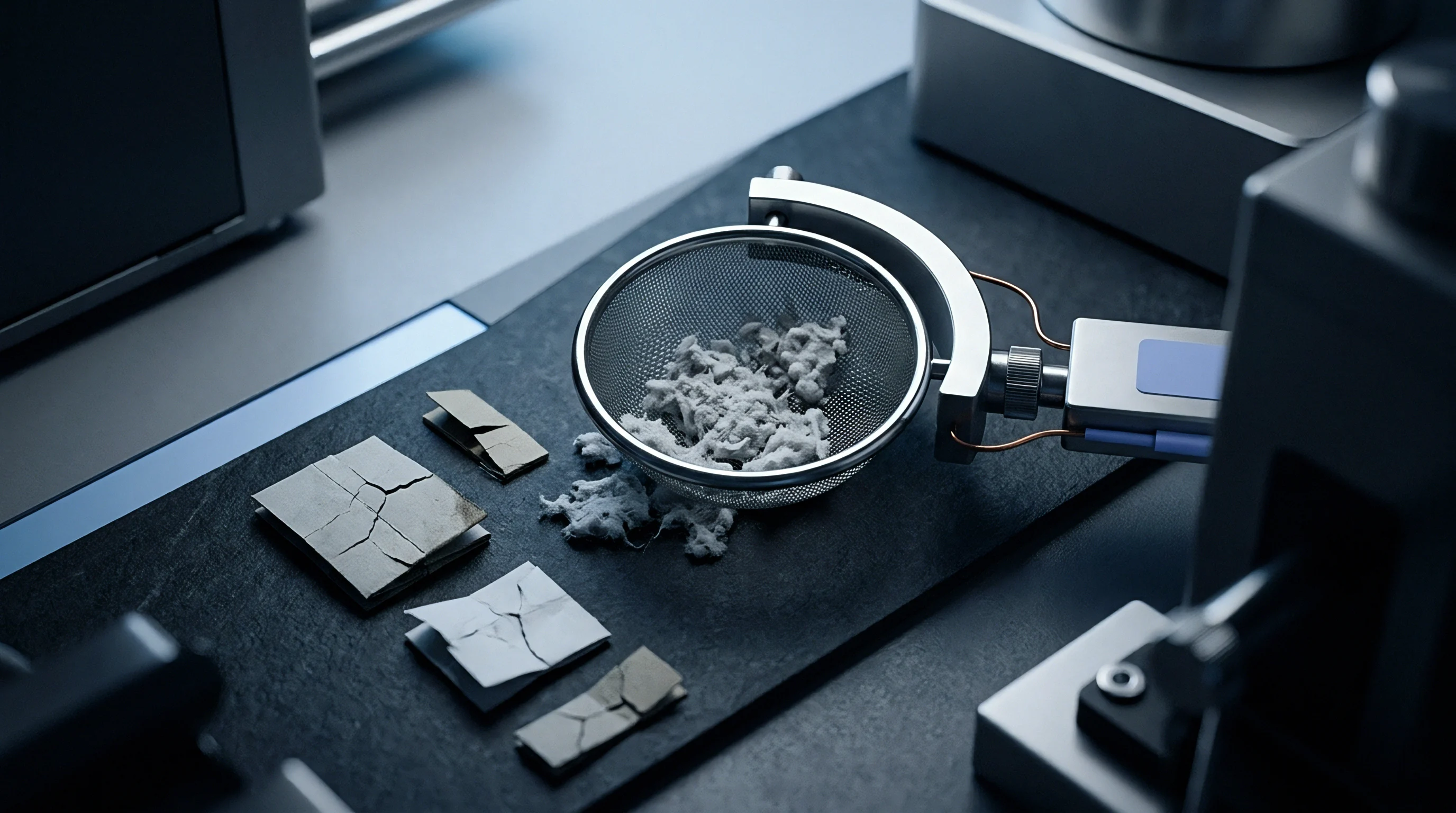
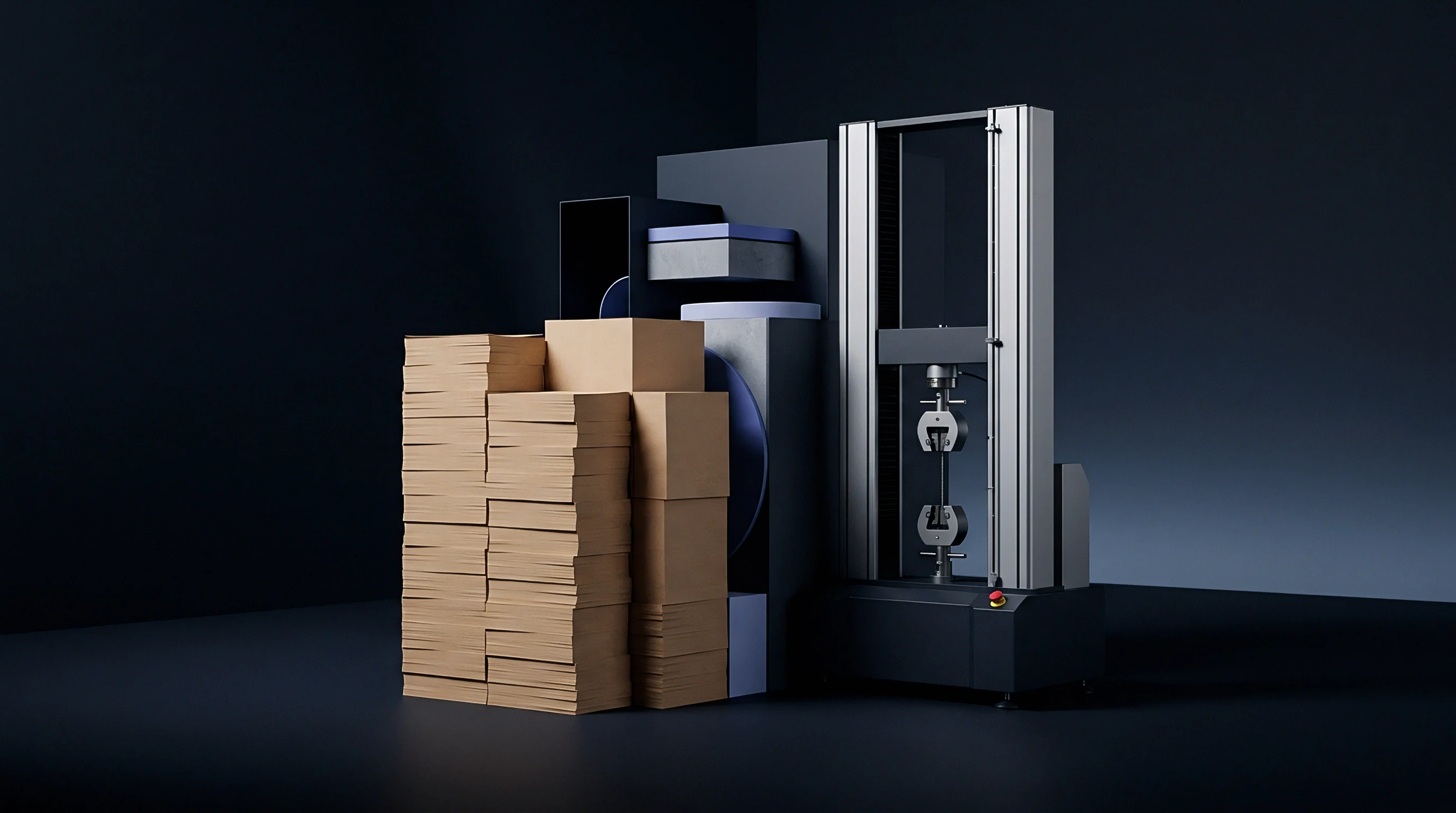
A calibrated mechanical jaw pulls an adhered circular specimen apart along the orthogonal axis. This measurement isolates the true out-of-plane tensile resistance of multi-ply paperboard, designated formally as z-direction tensile strength under TAPPI T 541 and ISO 15754. Coated recycled board consists of multiple fiber plies formed on separate cylinder vats or multi-fourdrinier wires, brought together in the wet press section.
The outer liners rely on virgin fiber or selected sorted waste to preserve appearance and bending stiffness, while internal filler plies incorporate mixed paper waste and old corrugated containers. These recycled furnish layers carry shorter fibers, elevated hornification from repeated drying cycles, and higher ash concentrations. Consequently, the weakest plane of the sheet resides within these internal strata or along the boundary where two wet webs consolidate in the press nip.
Delamination during printing and converting destroys line efficiency. High-tack lithographic inks exert severe vertical pull on the board surface during impression pull-off. If the internal fiber network cannot resist this vertical force, the sheet splits open, picking the coating layer or tearing the top liner away from the recycled core plies.
Perpendicular tensile testing quantifies this threshold by measuring the maximum peak force per unit area, expressed in kilopascals, needed to pull the board apart. The mechanical clamping assembly applies uniform stress across a test area of 6.45 square centimeters or 10.0 square centimeters, preventing premature edge shearing.
Cylinder-formed coated recycled boxboard conditioned at 23 degrees Celsius and 50 percent relative humidity achieves a minimum z-direction pull resistance of 140 kilopascals before top-liner separation occurs.
Plies separate under stress. The tensile curve reveals structural behavior through the complete failure event. A steep linear rise marks initial elastic extension of the consolidated network, followed by microscopic fiber detachment, and concludes with a sudden drop when the weakest interface cleaves.
Virgin bleached sulfate boards present a gradual, fiber-tearing decline as long kraft fibers pull out from the matrix. Recycled multi-ply board exhibits an abrupt, brittle failure profile. Mineral fillers and degraded starch granules sit along the interface, impeding continuous hydrogen bonding between recycled plies.
Laboratory measurements confirm that increasing mineral ash content in filler plies from 8 percent to 16 percent reduces out-of-plane tensile resistance by approximately 30 percent when starch spray dosage remains unchanged.
Static perpendicular separation separates testing into clean tensile pull components and isolates raw furnish adhesion without introducing rotational kinetic components.
Pendulum
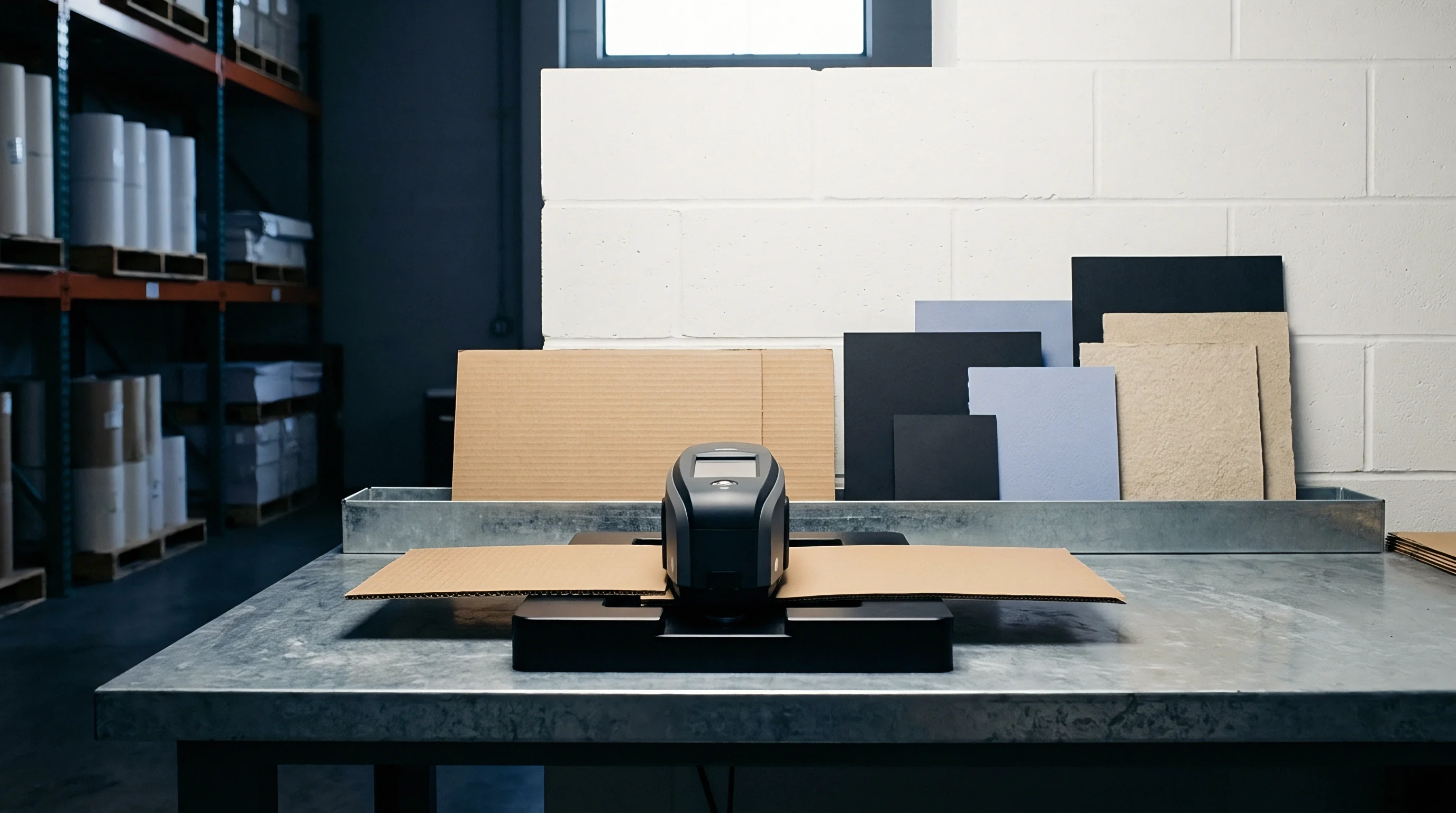
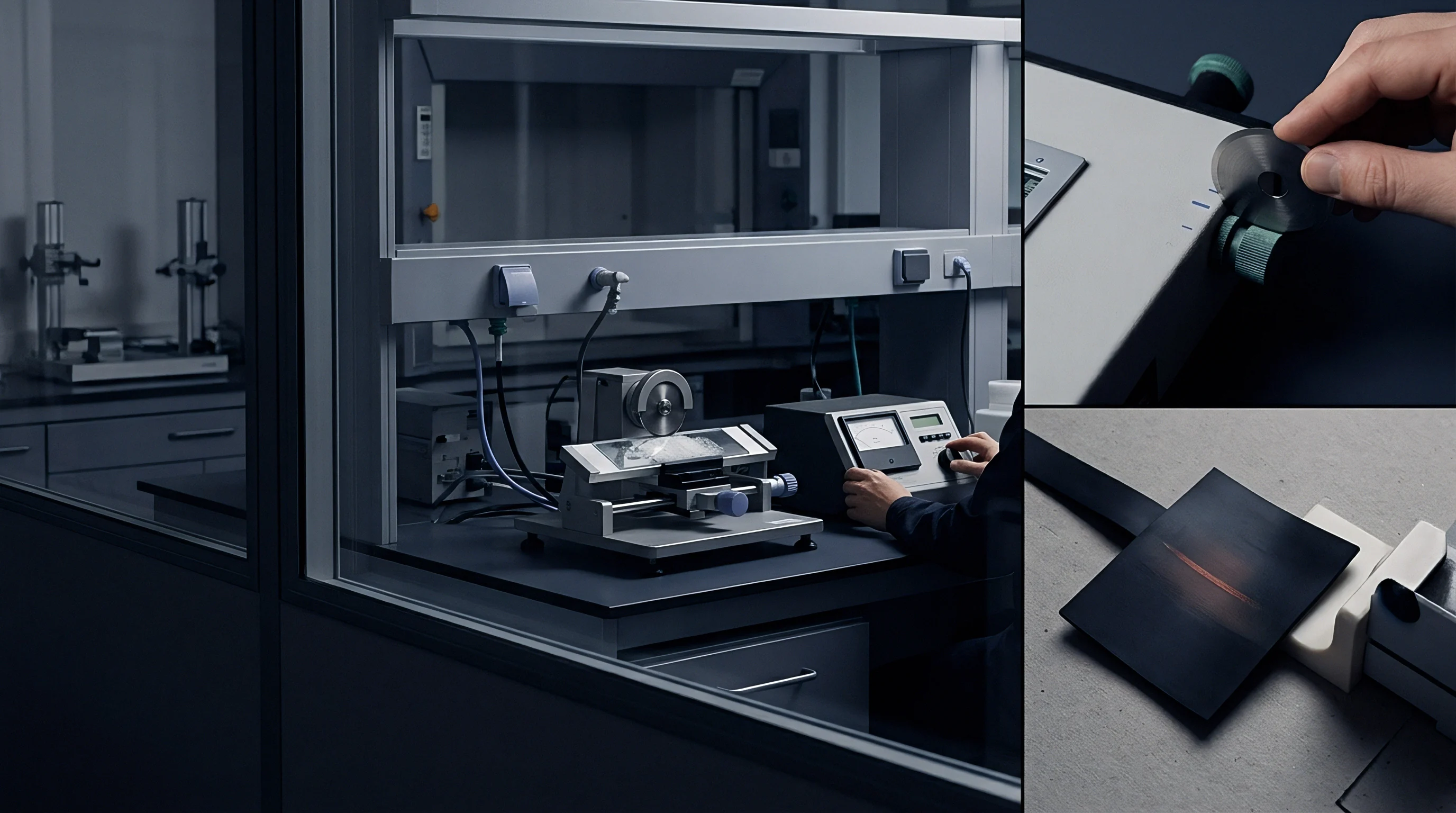
Dynamic impact testing measures the energy absorbed when an impulse cleaves the sheet along its weakest horizontal boundary. Standardized under TAPPI T 569 and ISO 16260, the internal bond tester releases a weighted arm from a fixed height to strike an aluminum angle adhered to the board surface. The instrument records energy loss in Joules per square meter or thousandths of a foot-pound per square inch.
This dynamic method dominates mill-floor quality control laboratories because a technician executes the sequence in under two minutes, compared to the fifteen minutes demanded by pneumatic z-direction tensile apparatuses.
Dynamic Energy Absorption across Recycled Fibre Networks
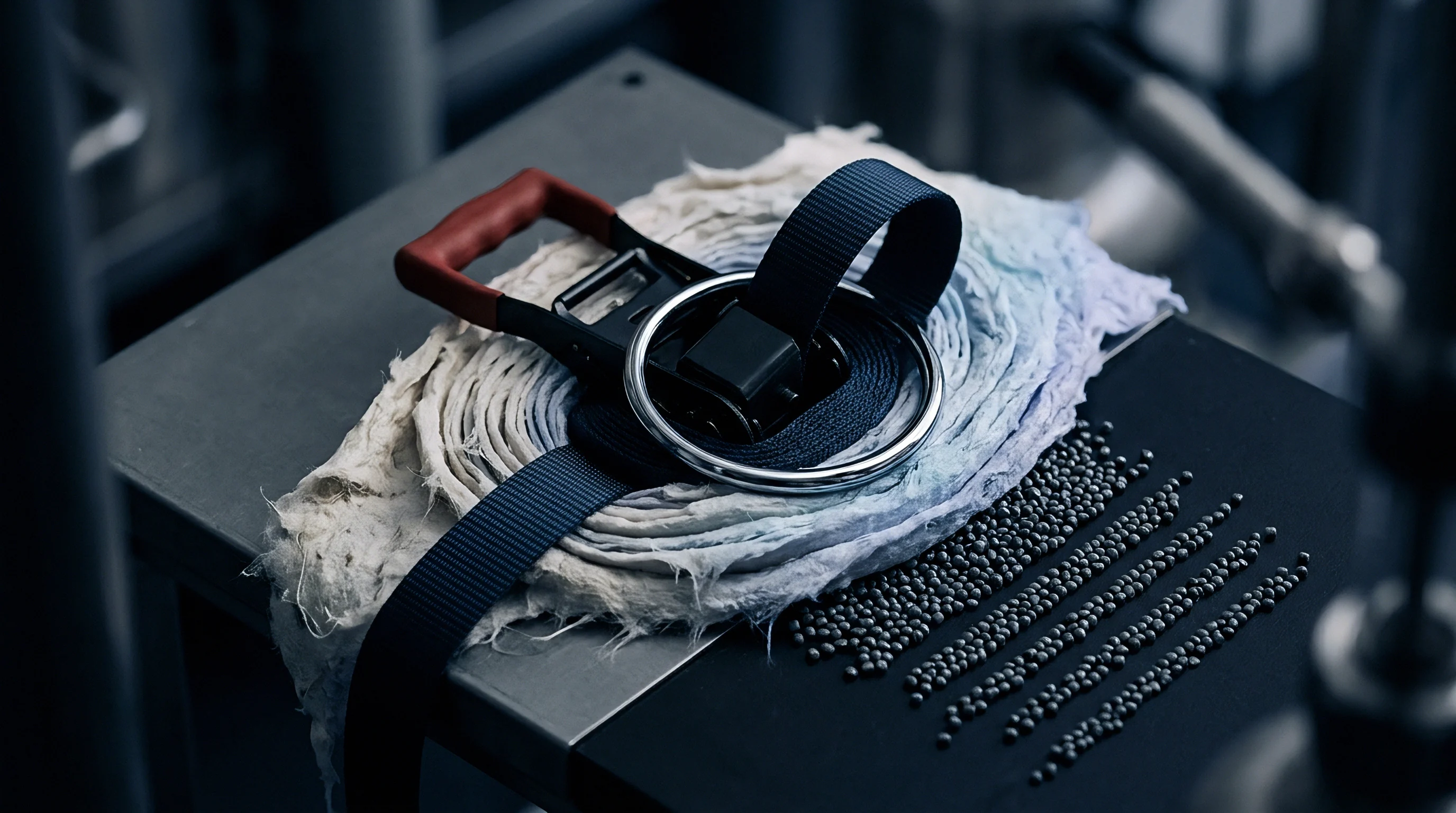
Secondary fibres from corrugated containers and mixed waste carry lower bonding potential than virgin chemical pulps. Hornified cell walls resist swelling and mechanical refibration, limiting inter-fiber contact area during web consolidation. When the weighted head strikes the metal angle, it imparts both shear and peel forces to the specimen.
The impact initiates cleavage at the leading edge of the sample tape and drives a peeling fracture through the board structure. The recorded value incorporates the energy required to initiate failure, propagate the delamination plane, and bend the specimen and the aluminum bracket. High-caliper recycled board absorbs substantial kinetic energy through bulk deformation before the internal interface fractures.
The pendulum strikes the angle. Because the measurement captures composite energy rather than pure orthogonal force, mills and converters debate the physical meaning of the resulting figures. An apparent reading of 150 Joules per square meter on a thick 450-micrometer board can mask severe internal weakness if bulk compression absorbs forty percent of the impact force.
Thin recycled liners of 200 micrometers show lower energy absorption on the dial while maintaining higher resistance to pure perpendicular picking forces on an offset press blanket.
Starch applied at the size press consolidates the outer liner while leaving inner recycled filler plies vulnerable to shear cleavage.

What Delamination Mechanism Dominates High Speed Impact?
Cleavage under a swinging hammer propagates along the boundary between cylinder vats where starch spray failed to penetrate. Multi-cylinder board machines apply native or cationic potato and corn starch slurries between plies at rates between 1.5 and 4.0 grams per square meter to supplement wet bonding. If machine speeds exceed drainage limits, water pockets dilute this inter-ply adhesive film.
The drying cylinders then cook the starch unevenly, producing glassy, unexpanded patches that shatter under sudden mechanical shock.
| Test Method | Governing Standard | Primary Stress Mode | Strain Velocity | Specimen Area | Primary Unit |
|---|---|---|---|---|---|
| Z-Direction Tensile | TAPPI T 541 / ISO 15754 | Uniform normal tension | 0.5 to 2.5 mm/min | 6.45 or 10.0 cm² | kPa or kN/m² |
| Scott Internal Bond | TAPPI T 569 / ISO 16260 | Dynamic shear and peel | Free falling pendulum | 2.54 x 2.54 cm | J/m² |
| Huygen Internal Bond | ASTM D5455 | Dynamic impact pull | Spring-loaded release | 2.54 x 2.54 cm | J/m² |
| Z-Direction Peel | ISO 3038 | Continuous 90-degree peel | 50 to 100 mm/min | 25 mm strip | N/m |
| Methods require preconditioning at 23.0°C and 50.0% relative humidity according to ISO 187 or TAPPI T 402 specifications. | |||||
Inspecting the ruptured coupon reveals the physical location of the structural deficit. Analysts categorize failure into four distinct behaviors:
- Interfacial splitting separates adjacent cylinder plies cleanly and leaves an exposed, unbonded web face devoid of long fiber tears, indicating deficient inter-ply starch gelatinization.
- Cohesive core fracture tears through the middle of the recycled filler furnish, demonstrating that the starch adhesive bond between plies exceeded the tensile integrity of the recycled fibers.
- Coating pick failure detaches the mineral pigment layer from the bleached top liner, proving that the board internal plies remained intact while surface coating formulation lacked binder strength.
- Tape adhesive release occurs when the double-coated mounting tape lifts from the metal fixture or board surface, rendering the numerical energy reading completely invalid for specification records.
Mills frequently maintain that dynamic pendulum rupture reflects true converting impact better than static pull benches, asserting that converting lines run on kinetic velocity rather than stationary equilibrium.
Tape
Pressure-sensitive adhesive carriers establish the mechanical bond between metal mounting blocks and board surfaces. The reliability of internal bond numbers depends entirely on the performance of this double-sided adhesive layer. Standard test protocols specify heavy-duty transfer films such as acrylic-based 3M 410M or comparable high-shear rubber adhesives.
If the tape deforms or yields during the test stroke, recorded energy values climb artificially, crediting the board with resistance belonging to polymer extension. Conversely, if the tape fails to wet the rough, porous surface of an uncoated back ply, the specimen releases prematurely, presenting false data that leads to unnecessary rejected shipments.
Adhesive Rheology and Mechanical Dwell Control
Viscoelastic polymers inside double-sided films flow under sustained pressure to wet microscopic paper contours. Coated recycled board displays complex surface energy variations. The top side carries a smooth, clay-coated finish bound with styrene-butadiene latex, offering a uniform contact area for acrylic adhesives.
The reverse side consists of unbleached recycled furnish with high surface roughness, elevated porosity, and microscopic wax or sizing residues. Achieving uniform mechanical anchoring on the reverse side demands precise control of sample clamping force and settling dwell time.
The specimen holder clamps down. Applying inadequate preparation pressure leaves microscopic air voids between the tape adhesive and the board surface. Applying excessive pressure crushes the bulky porous structure of recycled paperboard.
Standard test guidelines specify a lamination pressure between 1.0 and 1.4 megapascals held for a fixed dwell duration. Variations in dwell duration shift recorded Scott bond readings significantly. Extending dwell time from five seconds to sixty seconds permits adhesive polymers to cold-flow into recycled surface capillaries, increasing apparent impact energy by 15 to 25 Joules per square meter on dense board grades.
Excessive clamping pressure during sample preparation crushes low-density recycled bulk and artificially elevates recorded cleavage resistance.
Compression Pressure Effects on Caliper Recovery
Recycled boxboard exhibits structural collapse when preparation vices exceed standard load boundaries. Secondary mechanical fibers collapse permanently under moderate mechanical compression because repeated processing strips the fiber lumen of internal turgor. Crushing the sheet during sample mounting alters internal shear transmission.
A compressed core transfers the pendulum shock directly to the weakest boundary, whereas an uncrushed sheet absorbs energy across its entire z-axis thickness.
To eliminate testing bias during goods-in qualification, technicians execute a disciplined sample preparation procedure:
- Cut six machine-direction specimens measuring exactly 25.4 millimeters wide by 140 millimeters long from uncreased, representative sheets.
- Condition all cut specimens alongside the adhesive roll in a standard climate chamber at 23.0 degrees Celsius and 50.0 percent relative humidity for a minimum of four hours.
- Mount the double-coated tape strip to the steel specimen base without touching the adhesive surface with bare fingers or applying stretching tension.
- Position the board specimen over the exposed adhesive film with the machine direction aligned parallel to the pendulum swing axis.
- Apply the upper tape strip and place the aluminum test angles onto the prep assembly with precise mechanical registration.
- Compress the assembled sandwich inside the pneumatic mounting press at exactly 1.20 megapascals for precisely twenty seconds.
- Sever the individual test blocks using the integrated rotary cutter, verifying that edges remain free from burrs, pinches, or fiber tears.
Adding ISO 16260 Annex B adhesive dwell time stipulations to purchase specifications locks the laboratory to a strict twenty-minute press interval, eliminating supplier claims that premature testing produced artificially depressed bond values.

Blister
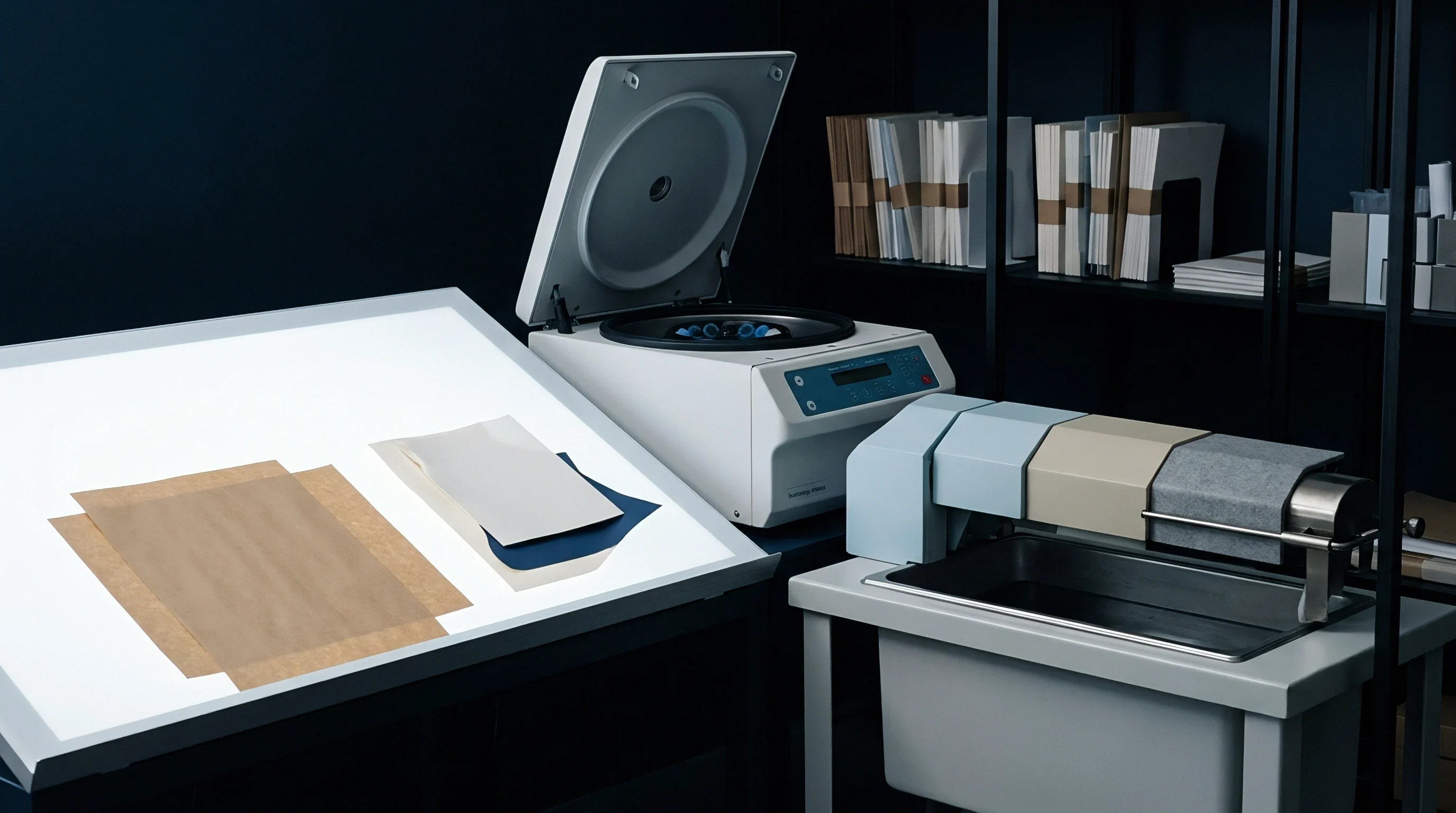
Heatset web offset presses subject printed cartonboard to rapid thermal evaporation cycles inside drying tunnels. Surface ink formulations dry at web temperatures between 130 and 160 degrees Celsius. As the board races through gas-fired dryers, residual moisture within the recycled core plies flashes instantly to high-pressure steam.
Coated recycled board features double or triple pigment applications on the top liner, formulated with fine clay and calcium carbonate bound tightly by synthetic latex to achieve commercial gloss. This tight coating layer seals the surface, choking the natural release of evaporating moisture vapor.
Converting Pressures during Offset and Creasing
Rotary dies drive male rules into female matrix channels to form defined folding lines across board blanks. This converting step demands deliberate, controlled internal delamination. The creasing rule pushes the coated top liner downward, forcing the internal plies to shear horizontally and separate cleanly into distinct delaminated lamellae.
If internal bond strength is excessively high, the sheet resists internal shear, transferring the mechanical strain to the exterior surfaces. This failure mode splits the coated top liner or tears the reverse ply open along the crease bead. If internal bond strength is deficient, the plies separate uncontrollably across wide swaths, destroying box squaring and panel rigidity on high-speed folder-gluers.
Steam pressure splits the core. In heatset printing operations, trapped vapor expands outward against the internal plies. The mechanism resembles explosive spalling in structural concrete exposed to sudden fire, where trapped moisture cannot penetrate impermeable boundaries and fractures the internal cement matrix.
If the z-direction tensile strength of the recycled filler plies sits below 120 kilopascals, vapor expansion tears the plies apart, producing hollow blisters beneath the printed image. Blistering ruins carton graphics, damages press blankets, and jams folder-gluers downstream.
TAPPI T 569 compliance guarantees dynamic impact comparability across laboratories while leaving static out-of-plane creasing performance unverified.
Is Z-Direction Tensile Superior for Heatset Offset Blistering?
Static perpendicular pulling tests correlate directly with steam vapor expansion forces encountered inside ink-drying chambers. Scott bond dynamic impact tests measure kinetic shear energy, which relates poorly to the uniform hydrostatic gas pressure exerted by trapped steam. A board grade displaying an acceptable Scott bond value of 140 Joules per square meter can fail catastrophically inside a heatset dryer if its out-of-plane tensile strength drops below 110 kilopascals.
This divergence occurs because dynamic shear captures peeling resistance, while steam expansion exerts pure perpendicular tension across the entire surface plane.
| Converting Application | Board Caliper Range | Target ZD Tensile | Target Scott Bond | Primary Failure Mode |
|---|---|---|---|---|
| Heatset Web Offset | 300 to 450 µm | > 140 kPa | > 150 J/m² | Internal core steam blistering |
| Sheetfed Offset Litho | 350 to 600 µm | > 120 kPa | > 130 J/m² | Top-liner picking by high-tack ink |
| High-Speed Die Cutting | 400 to 700 µm | 110 to 160 kPa | 120 to 180 J/m² | Crease cracking or bead rollout |
| Rotogravure Folding Carton | 300 to 500 µm | > 100 kPa | > 115 J/m² | Solvent penetration core split |
| Skin and Blister Packaging | 450 to 800 µm | > 170 kPa | > 200 J/m² | Heat-seal flange fiber detachment |
Sourcing engineers enforce operational limits through rigid substrate purchase parameters:
- Z-direction tensile thresholds specify absolute floor values under TAPPI T 541 conditioning rather than accepting trade averages, protecting heatset print runs from catastrophic bubble blistering.
- Moisture ceiling boundaries cap delivered web moisture at 6.5 percent across the pallet lot, restricting the latent water volume available to generate vapor expansion inside drying tunnels.
- Scott impact minimums ensure the sheet absorbs the rapid shock forces applied by folding plows and carton erection fingers without fracturing external panels.
- Ply furnish disclosures mandate that mills report secondary fiber source percentages, alerting buyers when higher ash fractions threaten core tensile integrity.
Selecting a board grade with inadequate z-directional resistance triggers catastrophic blister delamination across printed runs, sending finished cartons to the scrap baler and leaving packaging operations without usable carton blanks.

Variance
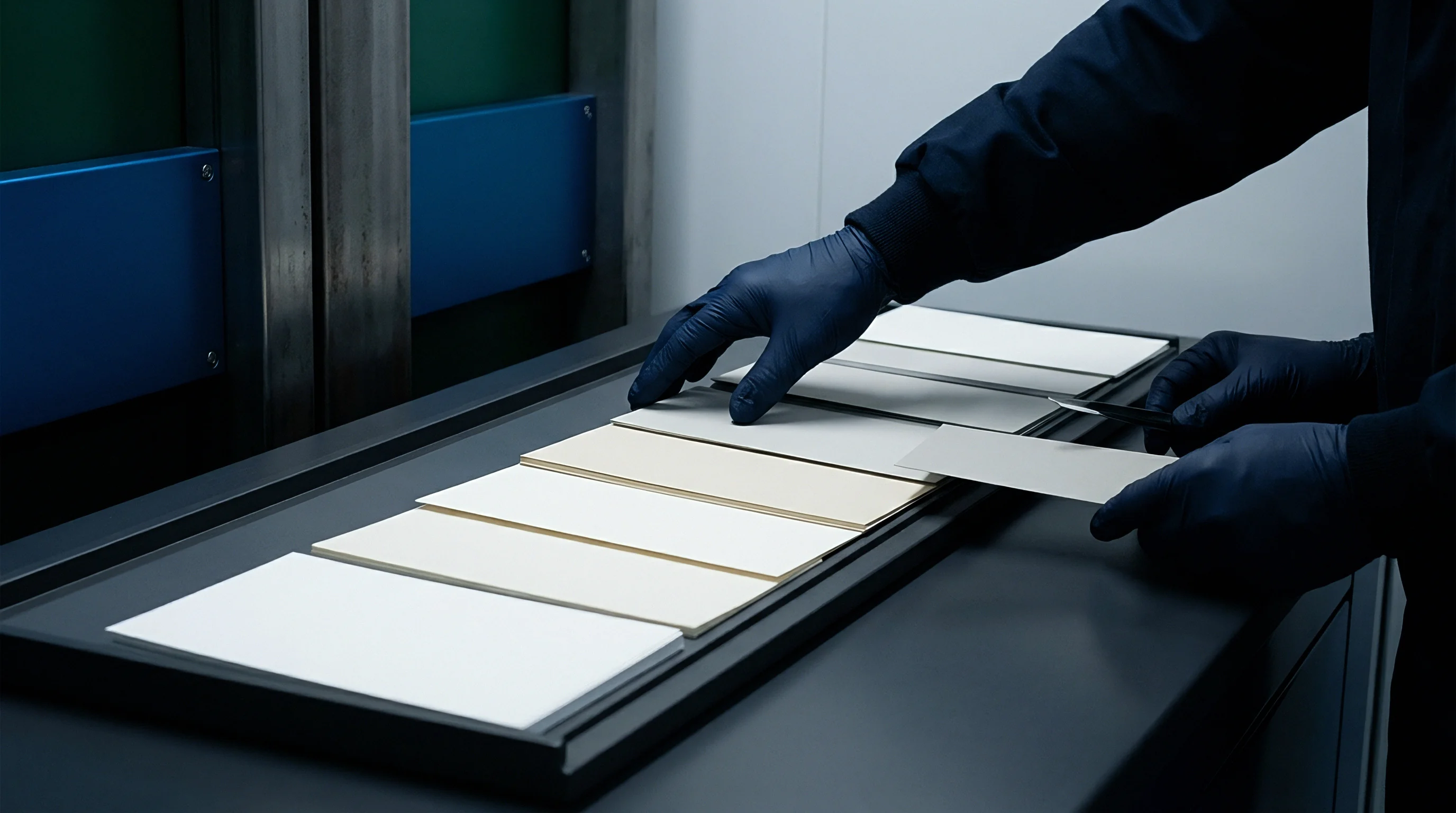
Multi-ply cylinder formers produce pronounced physical gradients across the untrimmed cross-machine profile. Drainage rates, stock consistency, and wet-press loading fluctuate across the face of large machine rolls. Outer cylinder vats frequently run at different vacuum levels than central vats, causing uneven drainage that affects ply-to-ply consolidation.
On a typical 4.2-meter deckle board machine, edge positions cool more rapidly than the central strip, creating cross-directional differences in residual sheet moisture and starch film curing.
Cross Machine Profiles and Reel Position Drift
Web edges dry faster than center positions, creating uneven shrinkage and localized starch migration across the paper machine. Edge reels cut from the parent tambour often display lower inter-ply bond strength than center reels. Over-drying at the web edges drives native starches past their optimal moisture binding zone, producing brittle interfaces that cleave under minimal mechanical load.
Center reels, shielded from edge thermal dissipation, maintain uniform moisture profiles and achieve superior starch gelatinization.
Edge samples lose caliper rapidly. Testing samples harvested across the deckle reveals Scott bond variations ranging from 110 Joules per square meter at the front tender edge to 165 Joules per square meter in the web center. Sourcing desks that qualify a mill grade based on a single composite sample run the risk of accepting entire parent rolls containing substandard edge zones.
When sheeted and packed onto shipping skids, these edge cuts mingle with center cuts. The converting plant then experiences sporadic delamination failures every few thousand impressions, tracing back to the periodic arrival of edge-position sheets.

Lot Acceptance Sampling at Delivery Goods In
Receiving docks verify pallet compliance through destructive test coupons cut from random rolls or skids. A dependable sampling protocol demands extracting specimens from at least five separate pallets per twenty-tonne truckload. Technicians condition these samples under standard TAPPI atmosphere for twelve hours before executing parallel Scott bond and z-direction tensile verifications.
If any individual skid yields an average out-of-plane tensile value falling below 115 kilopascals, receiving teams quarantine the entire delivery for secondary lot testing.
The industry still lacks consensus on whether online ultrasonic stiffness sensors on cylinder formers will ever reliably predict out-of-plane mechanical cleavage before reels leave the dry end.