
Counter Die Channel Profile Selection for Polyethylene Terephthalate Film Laminates
Polyethylene terephthalate film laminates demand matrix channel widths fifteen percent wider than unlaminated board to prevent shear cracking along score lines.
Polyethylene terephthalate film laminates demand matrix channel widths fifteen percent wider than unlaminated board to prevent shear cracking along score lines.
Polyolefin scoreline evaluation requires measuring Mode I and II strain energy release rates to prevent barrier rupture during high-speed carton folding.

Calculate female matrix channel widths using a 1.7 to 1.9 clearance factor to absorb recycled fiber compaction and stop score cracking at line speed.
Match rule thickness to carton caliper using 2-point steel under 450 microns and 3-point above, sizing matrix width to rule plus 1.5 times caliper.
Inter-ply bond testing on coated recycled board balances static z-tensile precision against dynamic Scott bond speed to prevent converting and press delamination.
Cross-direction elongation between 3.2% and 4.8% prevents outer liner cracking on folding boxboard when matrix channel width equals rule size plus 1.5 times caliper.
Verify paperboard integrity by pairing short-span compression (ISO 9895) with bending stiffness (ISO 2493) to prevent carton jamming and stack failure.
Interfacial shear strength measures coating-to-fibre bond limits under pure planar stress to prevent score flaking and glue-flap failure in paperboard cartons.
Select high-bulk folding boxboard using caliper-derived yield arithmetic and verified crease recovery ratios to run stable on high-speed cartoning lines.
Elevated humidity reduces Z-directional tensile limits by forty percent, demanding wider matrix channels and pressure-sensitive tape with high tack shear adhesive.
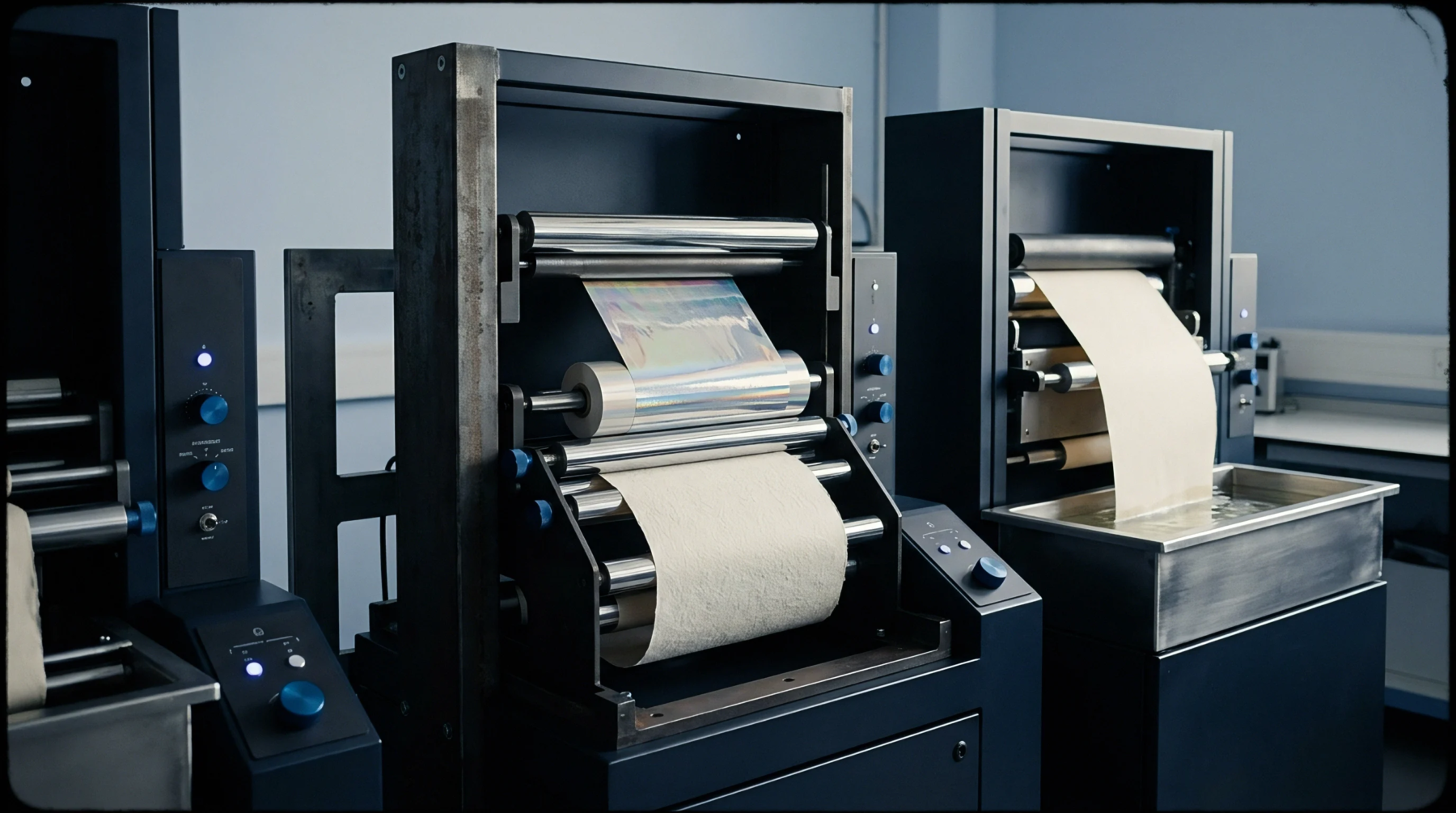
Polyurethane soft-touch laminates fail above 115 degrees Celsius and 18 kilonewtons of line pressure, causing matte collapse, score cracking, and scuffing.
Dynamic crease stiffness analysis measures real-time polymer film relaxation during high-speed board folding to prevent barrier fracturing and line jams.
Dynamic humidity cycling lowers bio-barrier interfacial shear energy, triggering delamination, barrier failure, and costly non-compliance at customs borders.
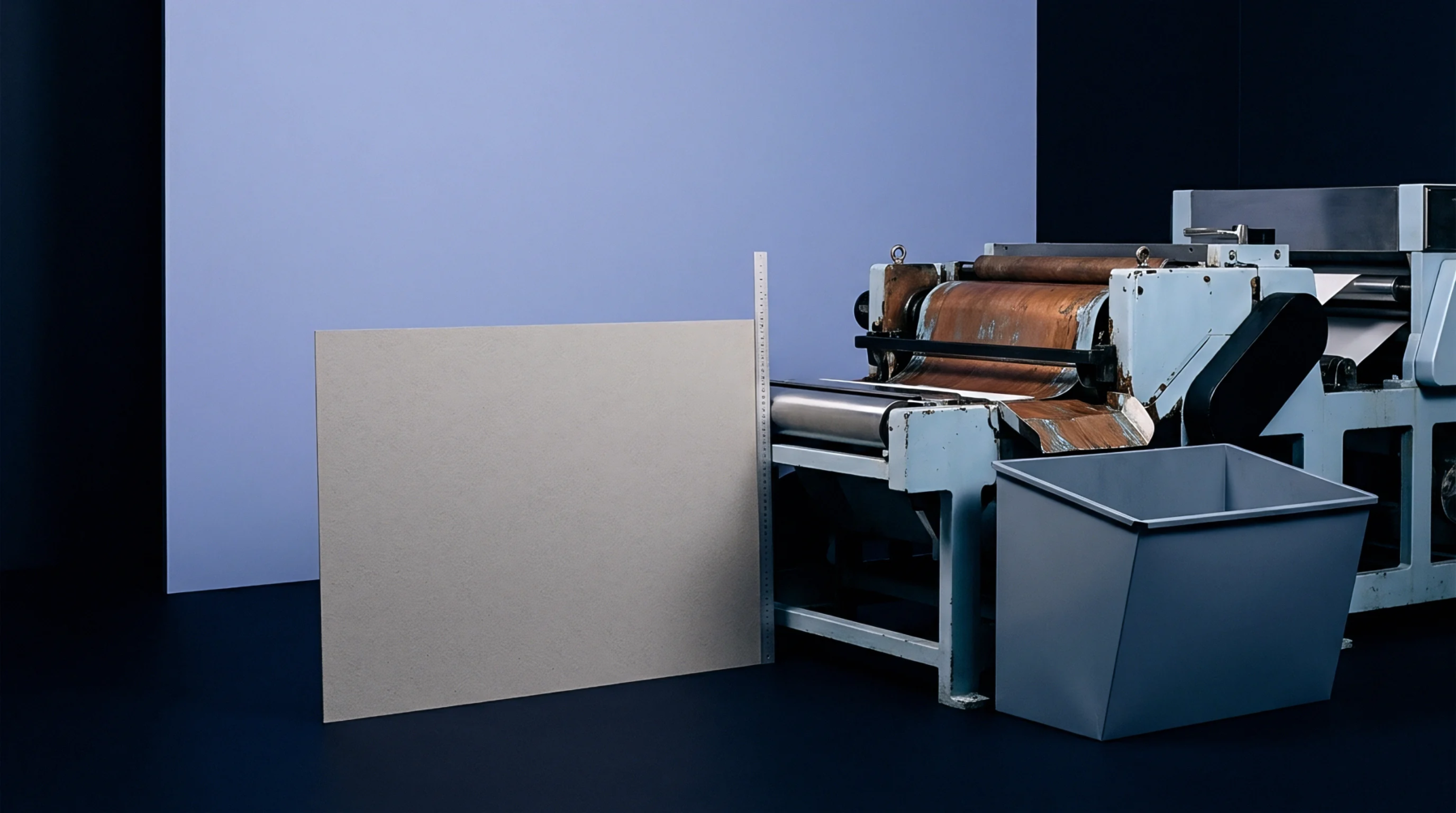
Jet-to-wire velocity ratios govern machine-direction fiber orientation, setting board anisotropy ratios that dictate box compression and score crack resistance.

Optimizing multi-ply boxboard caliper requires balancing mechanical core thickness against chemical skin elastic modulus to maximize bending stiffness per unit weight.
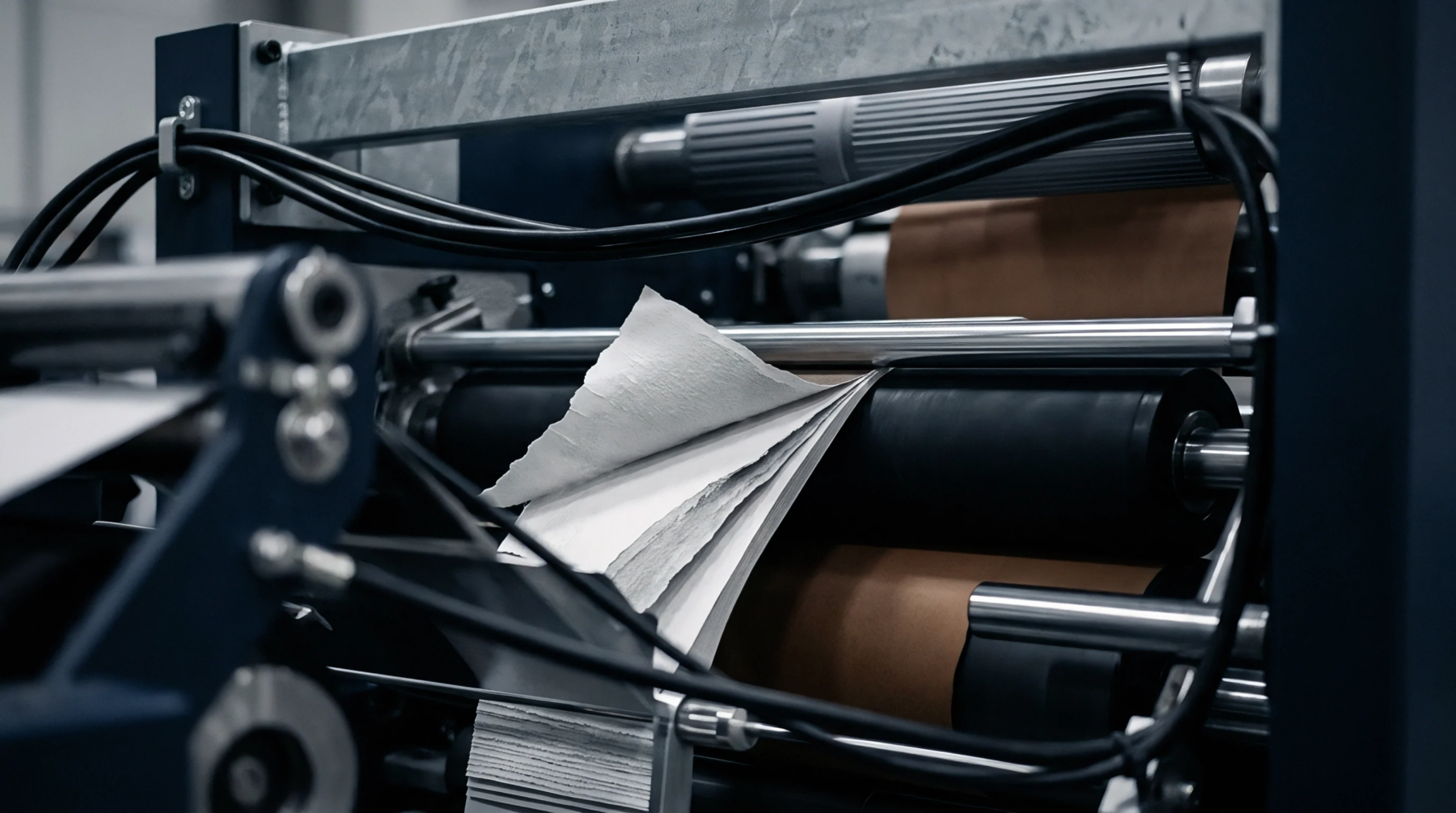
Dynamic mechanical analysis identifies hemicellulose moisture thresholds that prevent score cracking during high speed converting of mechanical pulp middle plies.
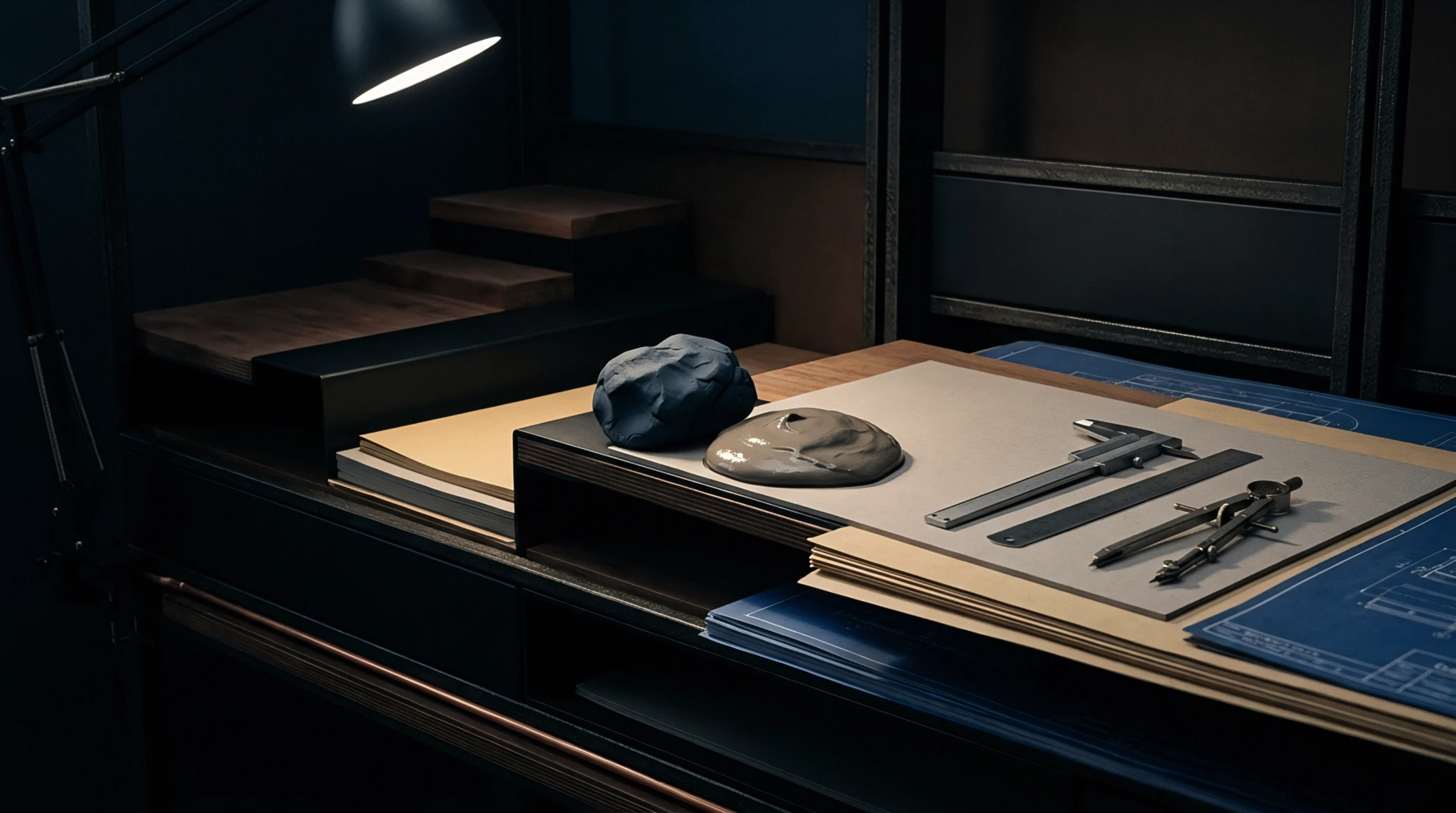
Inter-ply bond standards mandate TAPPI T 541 or ISO 16260 testing under strict ISO 187 conditioning to prevent converting delamination on recycled paperboard.
Expertise is a utility, not a secret. sentiention™ publishes its working knowledge as open reference: intelligence layer covering the materials it sources, the markets it enters, and the reference that serves both.