Low Humidity Impact on Dispersion Barrier Coating Fold Integrity
Low relative humidity embrittles paperboard and dispersion coatings, causing fold micro-cracks that degrade barrier integrity unless creasing geometry adapts.
Low relative humidity embrittles paperboard and dispersion coatings, causing fold micro-cracks that degrade barrier integrity unless creasing geometry adapts.

Characterizing porous absorption in recycled paper requires measuring dynamic capillary wicking and pore size distribution to control ink set times and glue bonds.

Folding boxboard machine direction stiffness anisotropy governs carton opening force and high-speed feeder reliability, demanding strict ratio limits on orders.
Predicting package panel bulge demands measuring multi-ply out-of-plane shear stiffness C44 via ultrasonic wave dispersion to prevent high-speed line failures.
Dynamic mechanical analysis identifies hemicellulose moisture thresholds that prevent score cracking during high speed converting of mechanical pulp middle plies.
Paperboard moisture verification demands ISO 186 random lot sampling and preconditioning under ISO 187 before ISO 287 gravimetric testing.

Virgin solid bleached sulfate delivers superior score integrity and brightness, while recycled board reduces raw material expenditure when stiffness targets allow.
Converting scrappage from single sided lamination negates small material savings once EU EPR tariffs penalize film coated board above five percent weight.
Unannounced substrate substitution alters box compression strength and tariff classification; laboratory fiber audits and batch thickness checks prevent failure.

The domestic importer of record bears strict legal liability for printed packaging claims and absorbs all customs fines when declarations lack supporting technical files.
High moisture multi-pass converting requires sizing CD modulus retention above 45 percent at 12 percent web moisture to prevent strain-induced register loss.
Recycled fiber networks lose up to forty percent of tensile strength under cyclic transport humidity swings due to bond dislocation and localized hygroexpansion.
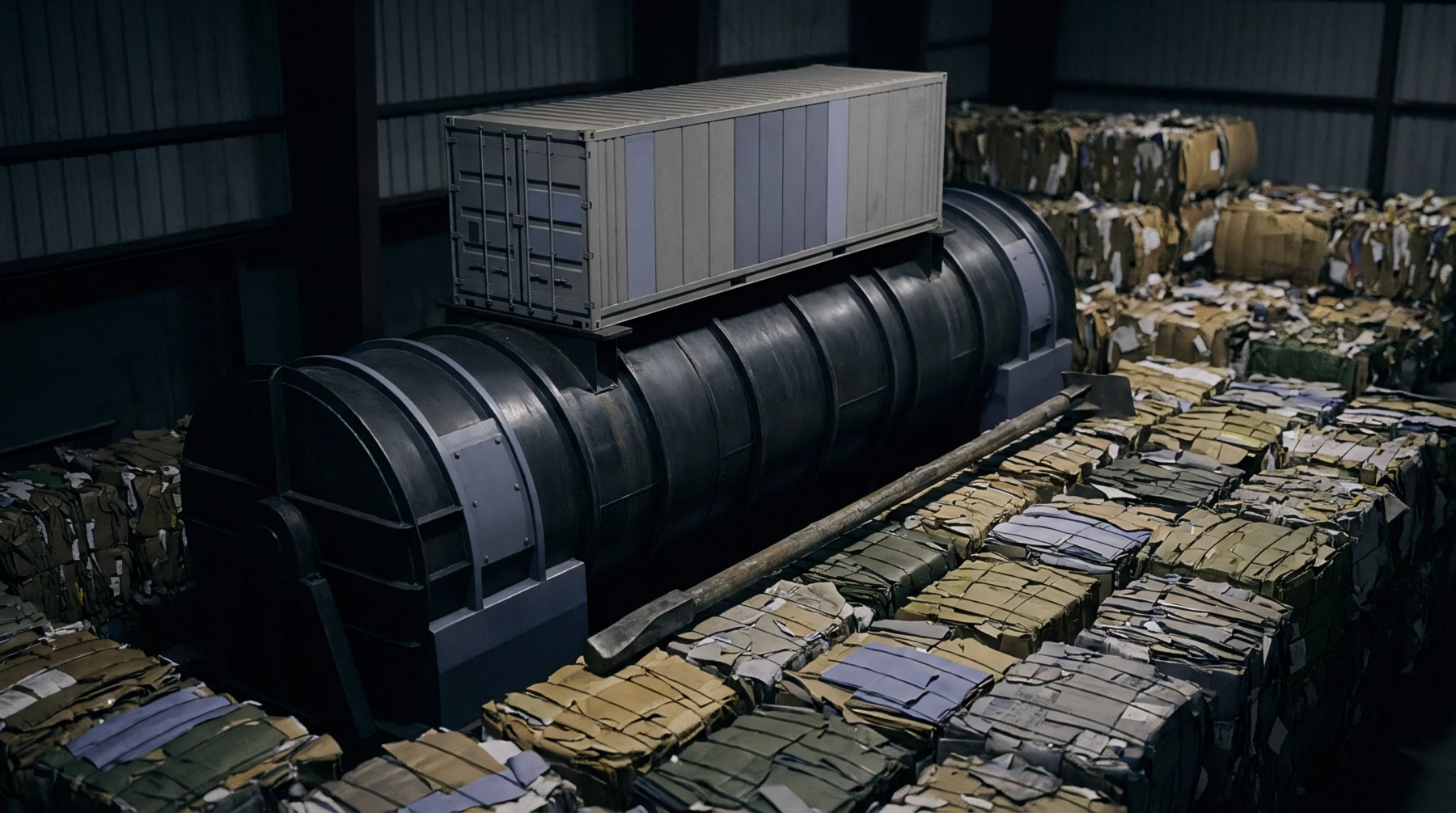
Paperboard loses up to sixty percent of top-load compression strength in high humidity due to transverse fiber swell and mechano-sorptive creep decay.
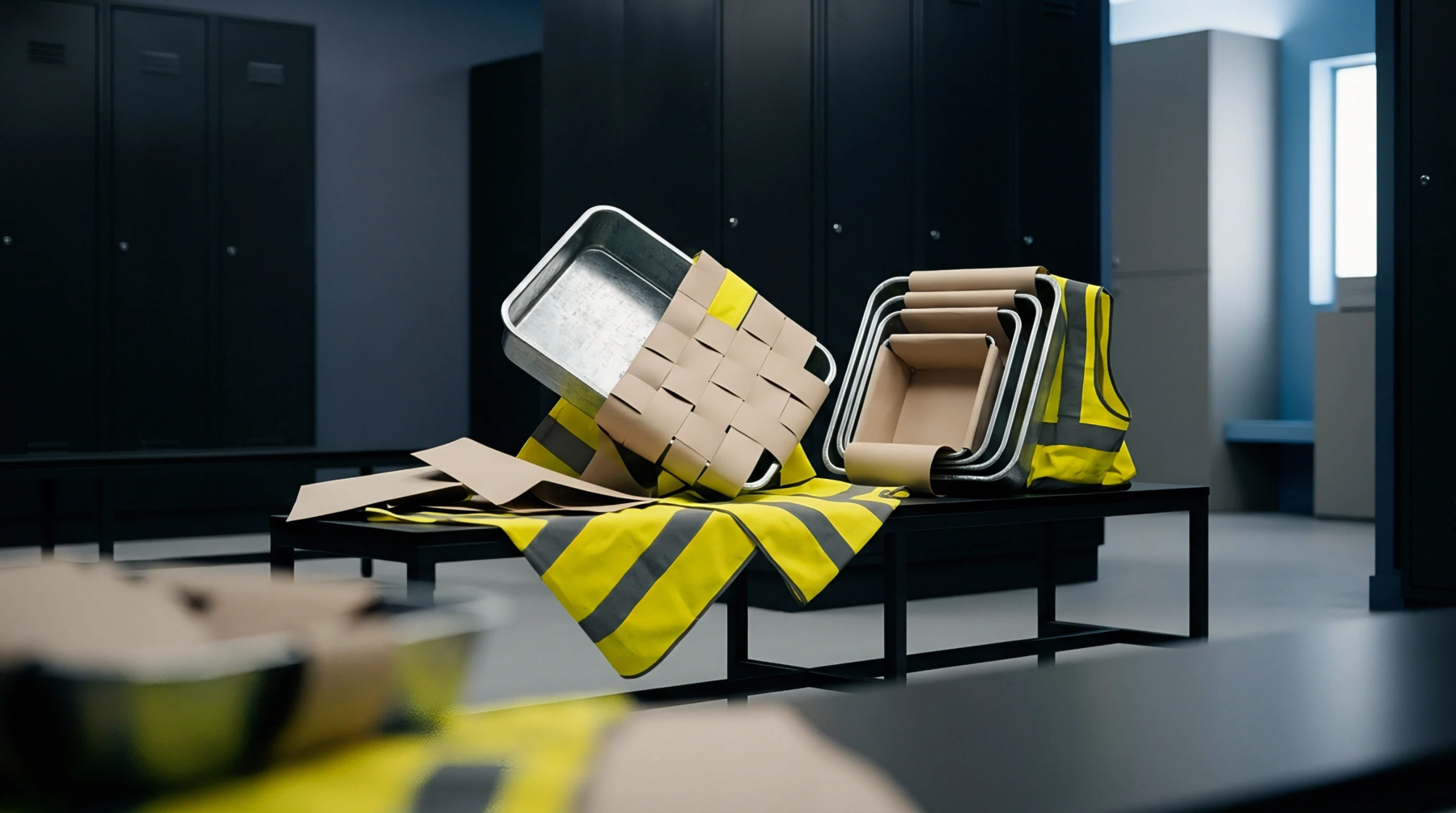
Water-based dispersion coatings achieve food barrier requirements while maintaining full fiber repulpability and standard mill recovery yields.
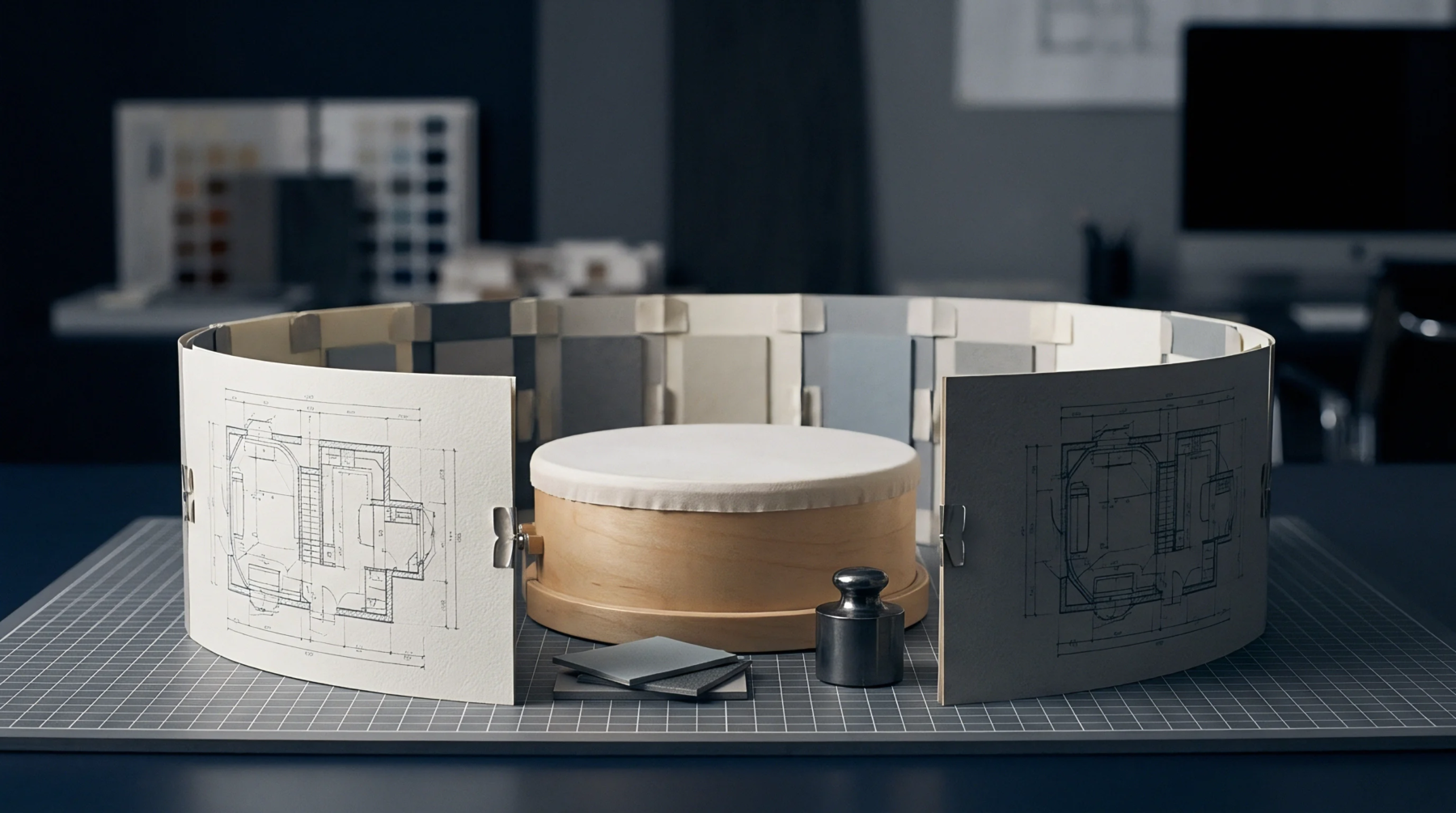
Aqueous latex barrier performance depends on controlling dynamic high-shear viscosity to ensure complete anilox cell release and eliminate film pinholing.

Dynamic surface tension decay in lightweight virgin hardwood papers dictates fountain solution uptake and ink setting, requiring strict dynamic contact angle limits in mill purchase specs.
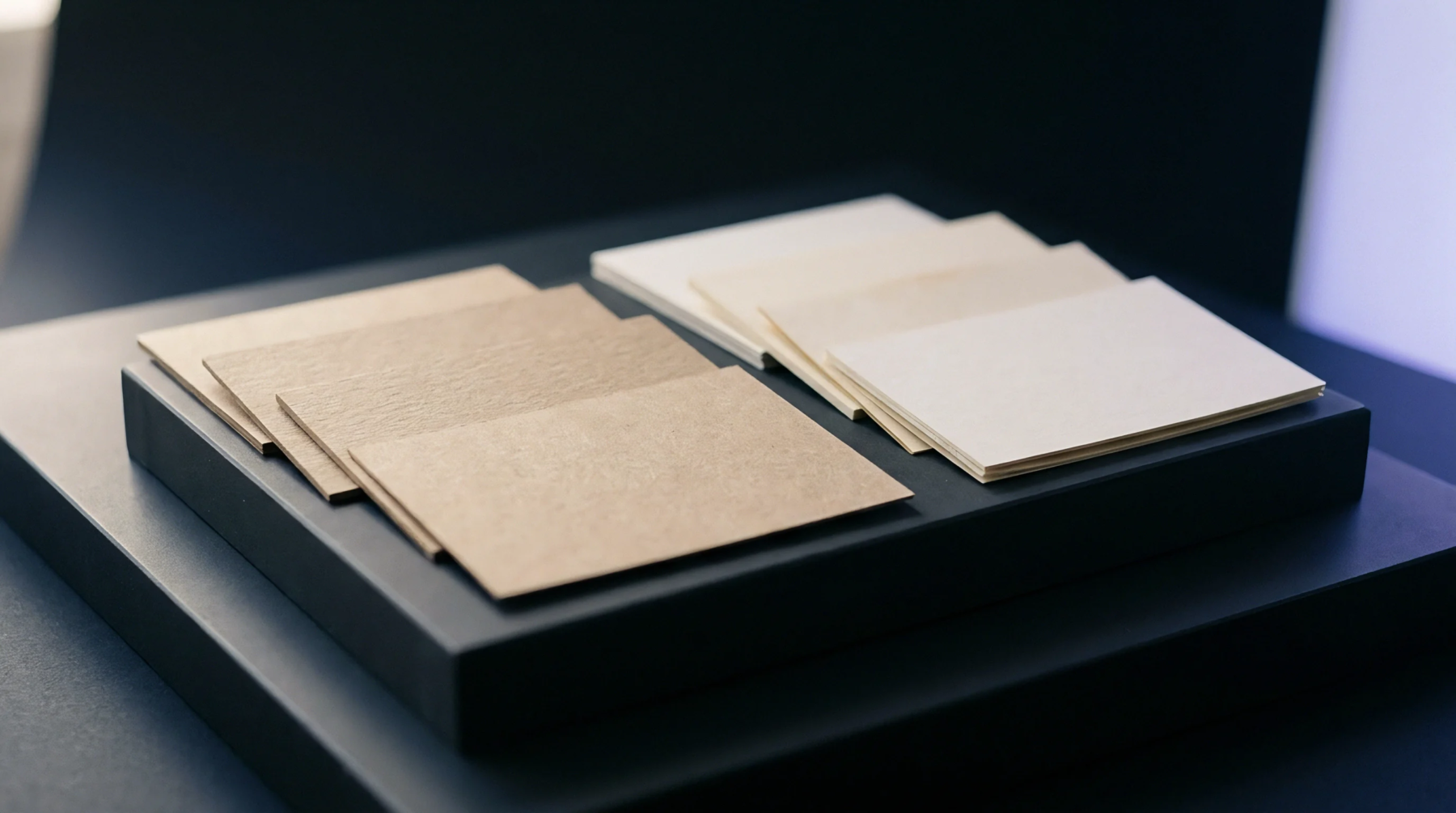
Virgin SBS provides superior print brightness, stiffness consistency, and crack-free scoring, whereas recycled board lowers initial cost but adds waste.
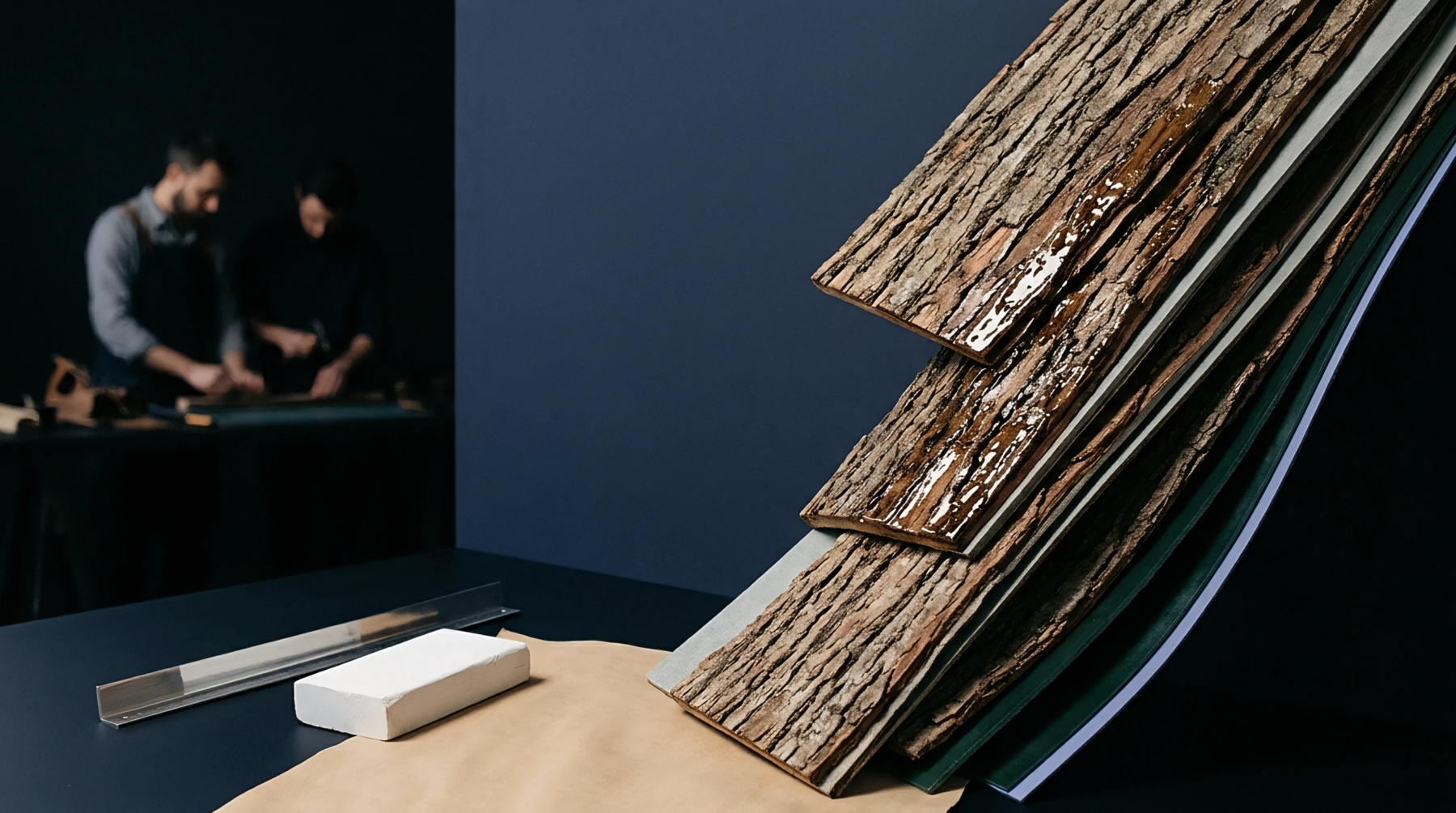
Barrier coated folding boxboard converting demands female matrix channels widened to one point seven times caliper to prevent micro-fissuring.

Flexographic dispersion barrier coatings retain water and grease resistance under crease stresses only when coating elongation capacity matches board strain.
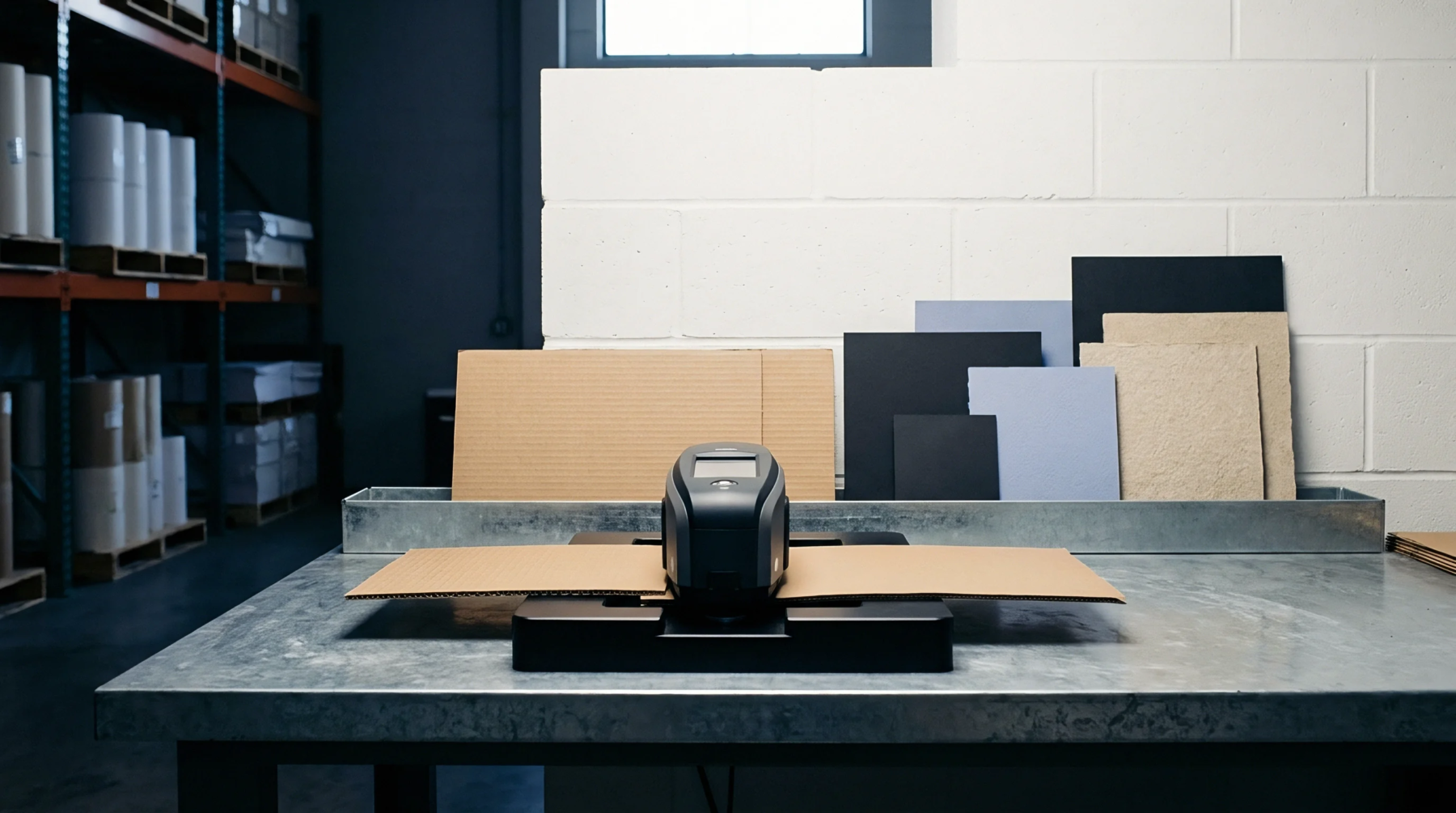
Grammage and caliper variance mechanics govern substrate bulk, bending stiffness, press throughput, and sheet yield per metric tonne in packaging board swaps.

Commercial landed cost variance depends on sheet yield, press spoilage, and EPR de-inkability fee surcharges triggered by grade substitution.
Expertise is a utility, not a secret. sentiention™ publishes its working knowledge as open reference: intelligence layer covering the materials it sources, the markets it enters, and the reference that serves both.