Moisture Gradient
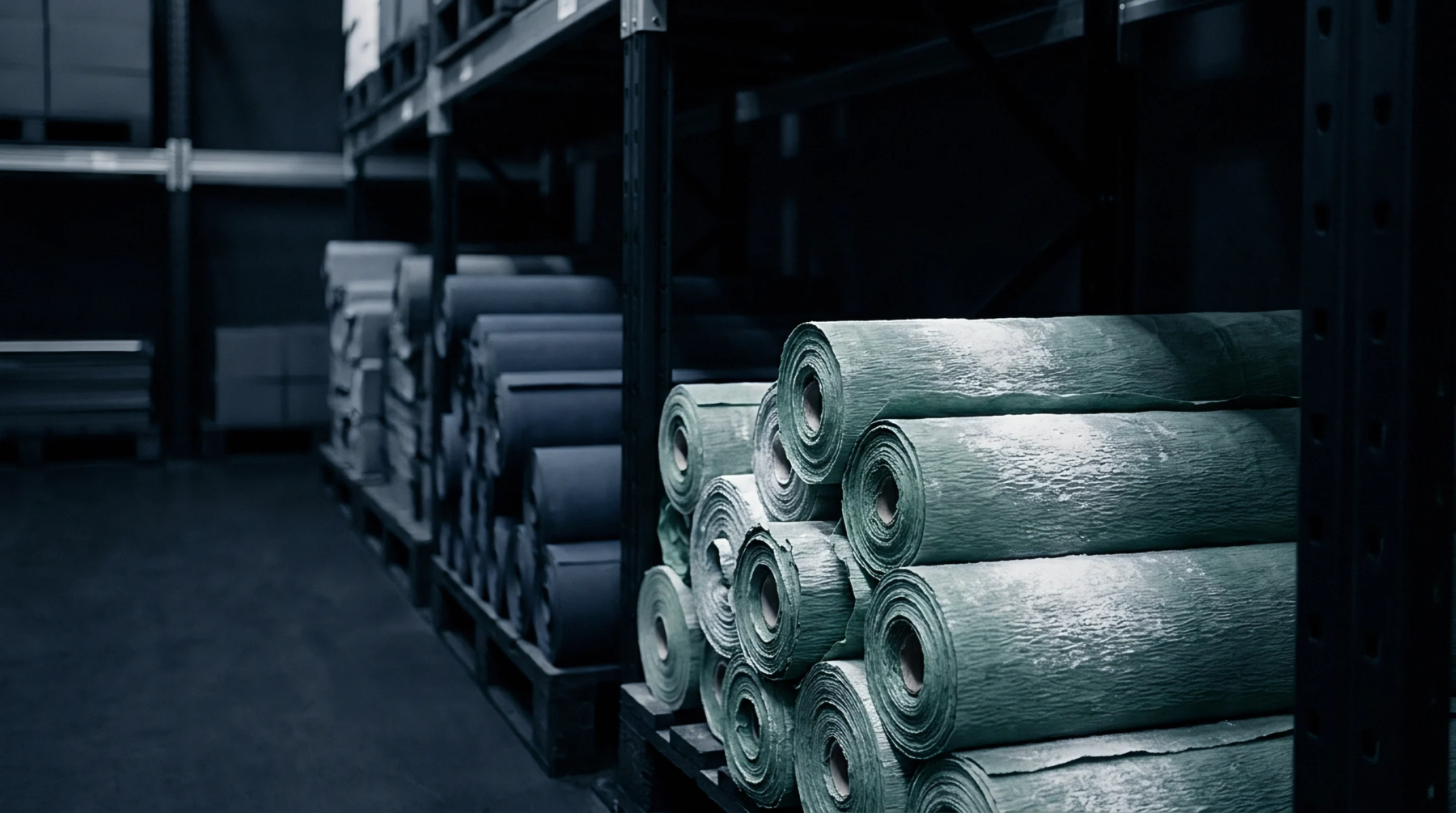
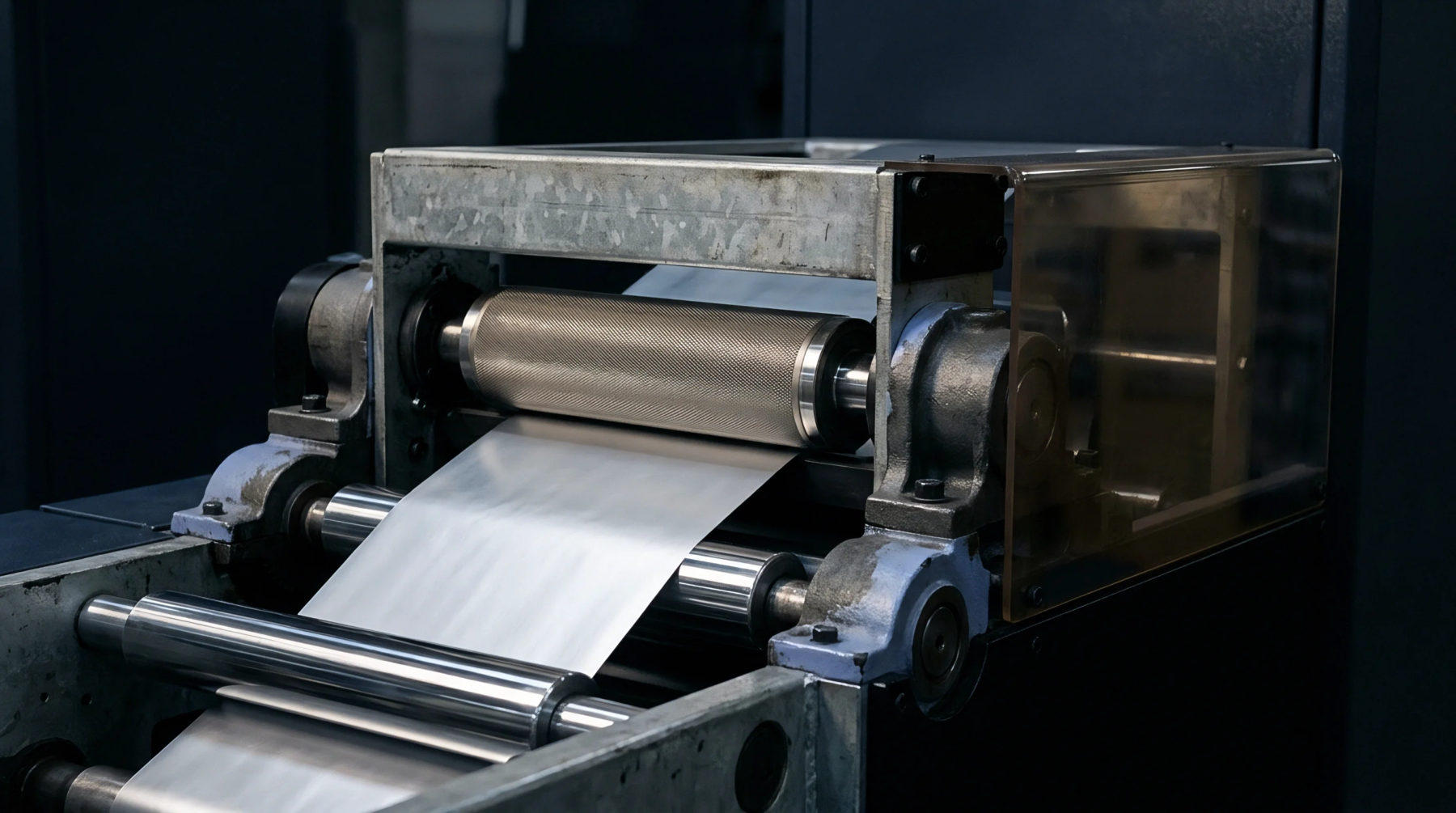
Accelerated dimensional distortion in cellulose webs occurs when fluctuating ambient humidity combines with sustained mechanical stress. Paper converting plants observe this phenomenon during high speed printing and laminating runs where web tension pulls against shifting moisture content in the fibrous matrix. Stress relaxation accelerates under cyclical humidity swings because water molecules disrupt hydrogen bonds between adjacent cellulose chains.
Converting lines running lightweight coated stocks maintain strict environmental containment to prevent register drift caused by such microstructural shifts. Tensile stress amplifies the dimensional response of hygroscopic materials far beyond thermal expansion coefficients.
Load Duration
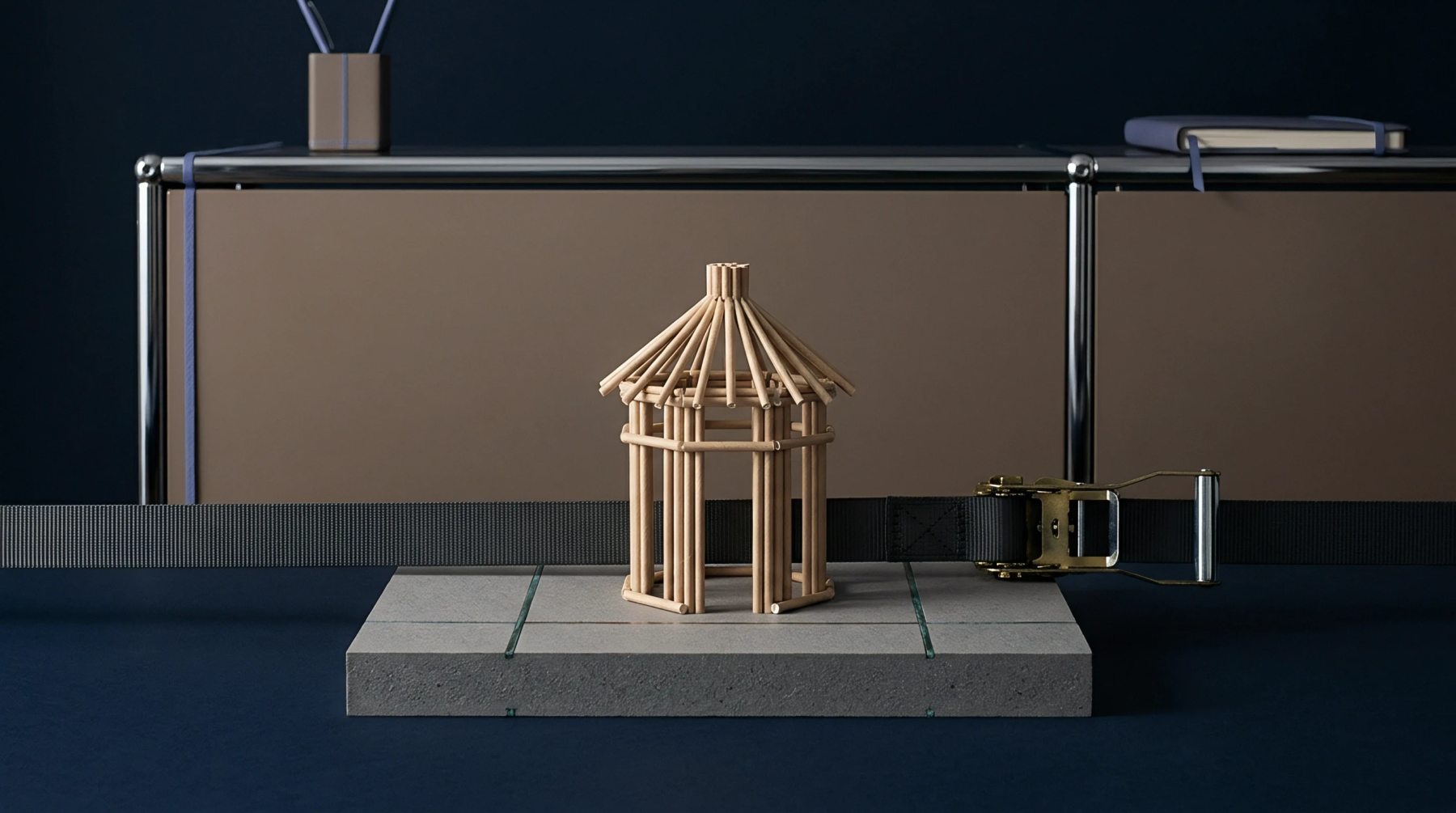
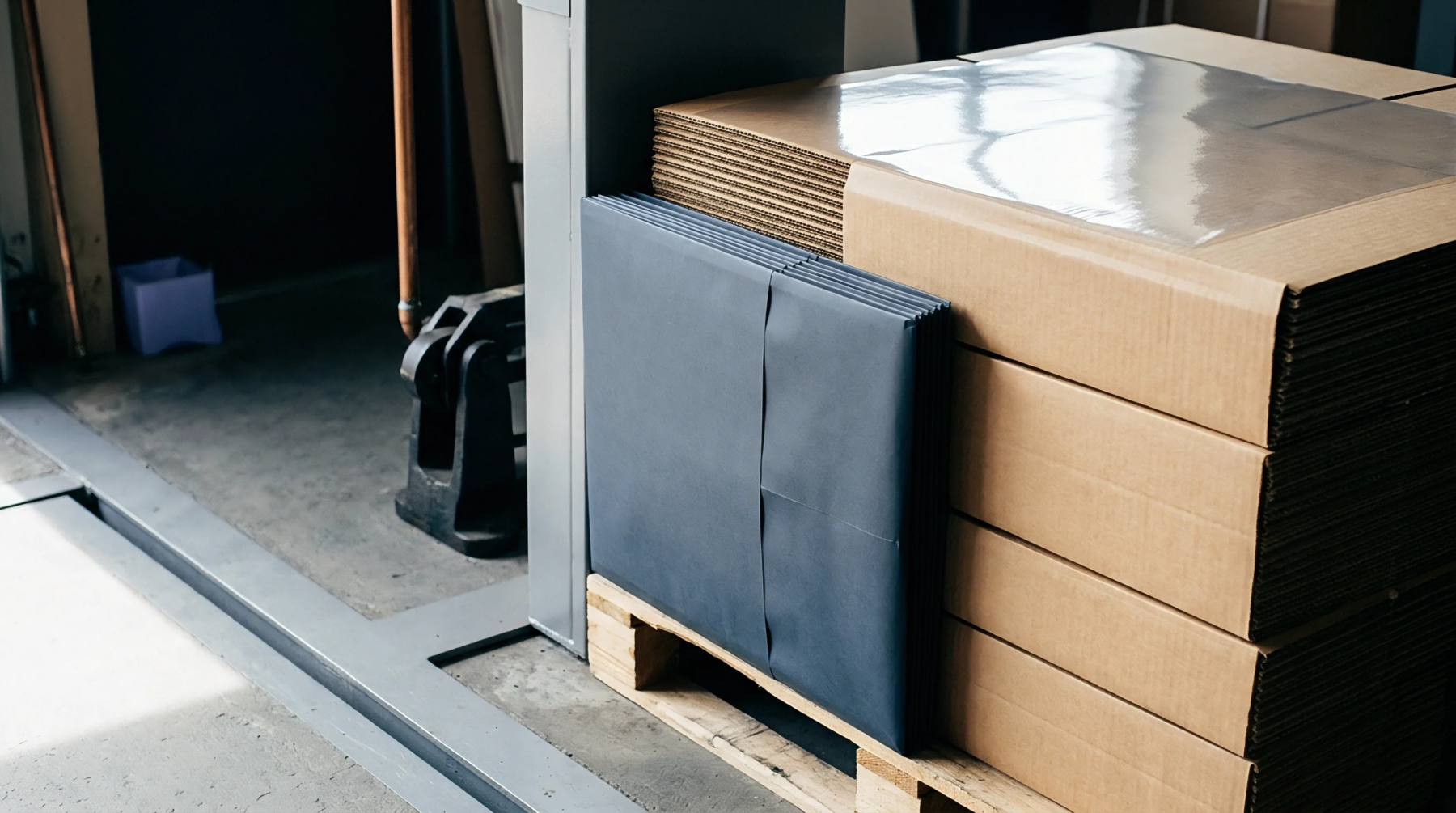
Packaging structural integrity degrades over extended warehousing intervals as corrugated containers experience constant compressive loads under varying climatic conditions. Warehouse environments subject stacking cartons to sustained weight while relative humidity shifts between diurnal extremes, compounding internal fiber strain. Converting engineers calculate allowable box compression limits by applying reduction factors that account for prolonged stress exposure rather than short term laboratory burst tests.
Corrugated board loses a measurable fraction of its initial load bearing capacity when humidity cycling repeats over months of palletized storage. Creep rupture occurs at stress levels well below the short term ultimate tensile strength of the paperboard matrix.
Fiber Rheology
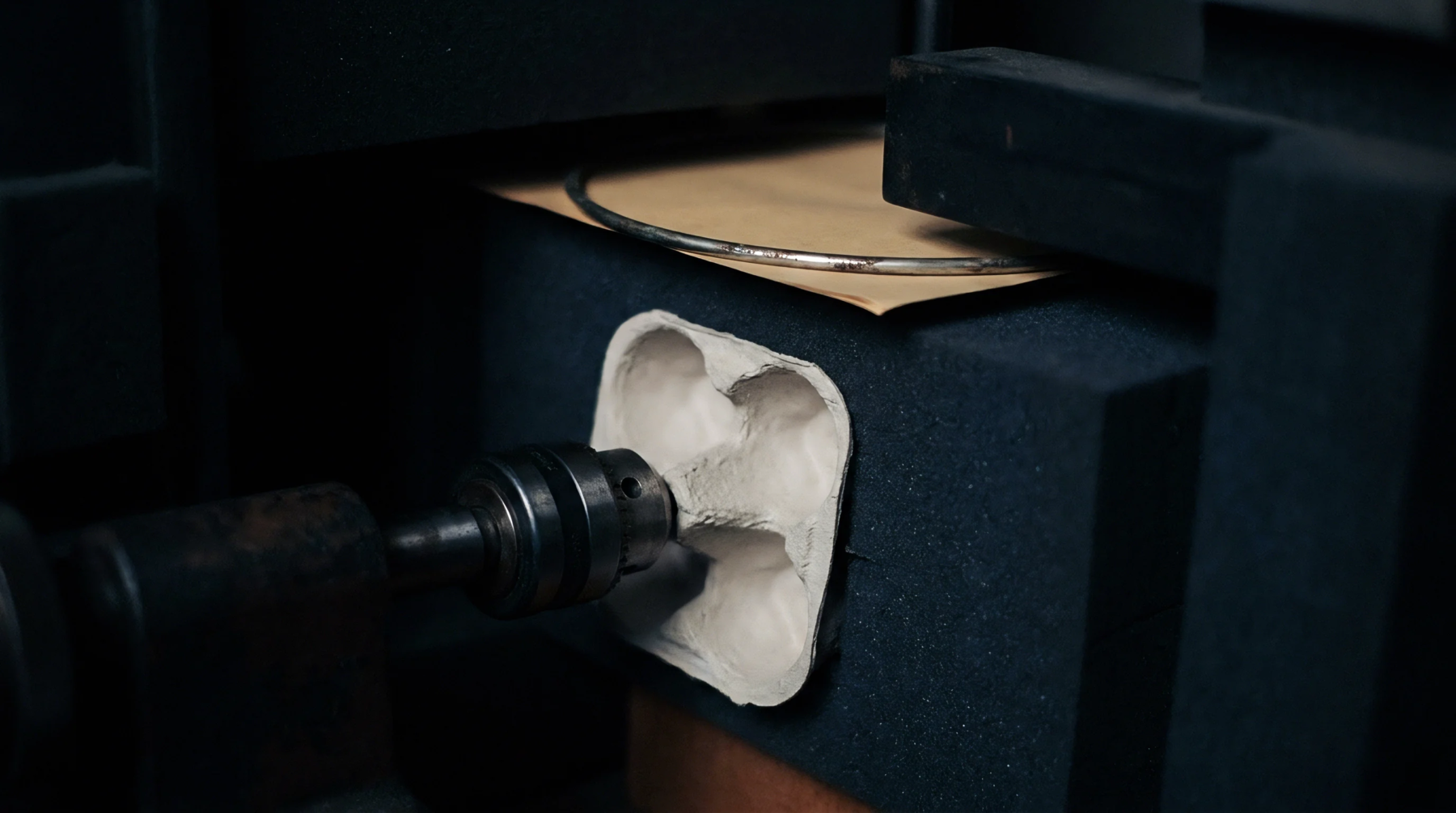
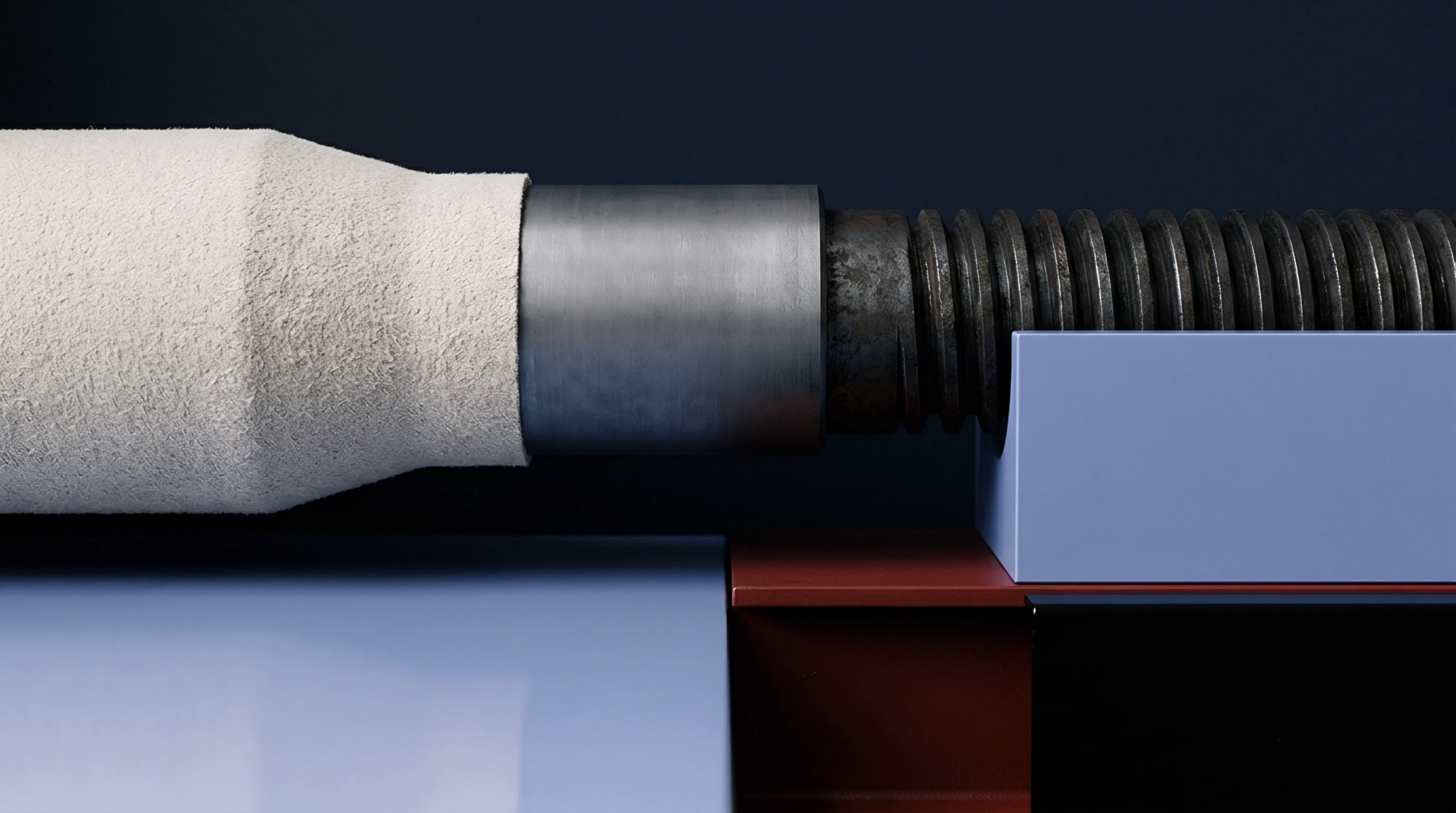
Viscoelastic deformation in paper webs originates from amorphous regions within hemicellulose and lignin networks where molecular chains slide past each other under load. Cellulose fibers exhibit both elastic recovery and permanent plastic flow depending on the duration of applied stress and the immediate moisture state of the sheet. Paper machine refiners alter this rheological response by increasing mechanical fibrillation, which enhances inter fiber bonding and reduces overall elongation potential during conversion.
Press section water removal parameters dictate the initial relaxation baseline of the finished paper before it encounters downstream converting tensions. Molecular rearrangement within the fiber wall continues until internal stresses reach equilibrium with environmental moisture levels.