Folding Boxboard Calendering Gradient Dynamics and Mechanical Bulk Preservation
Temperature gradient calendering preserves FBB mechanical bulk by softening surface fibres while keeping core BCTMP below glass transition to protect stiffness.
Temperature gradient calendering preserves FBB mechanical bulk by softening surface fibres while keeping core BCTMP below glass transition to protect stiffness.
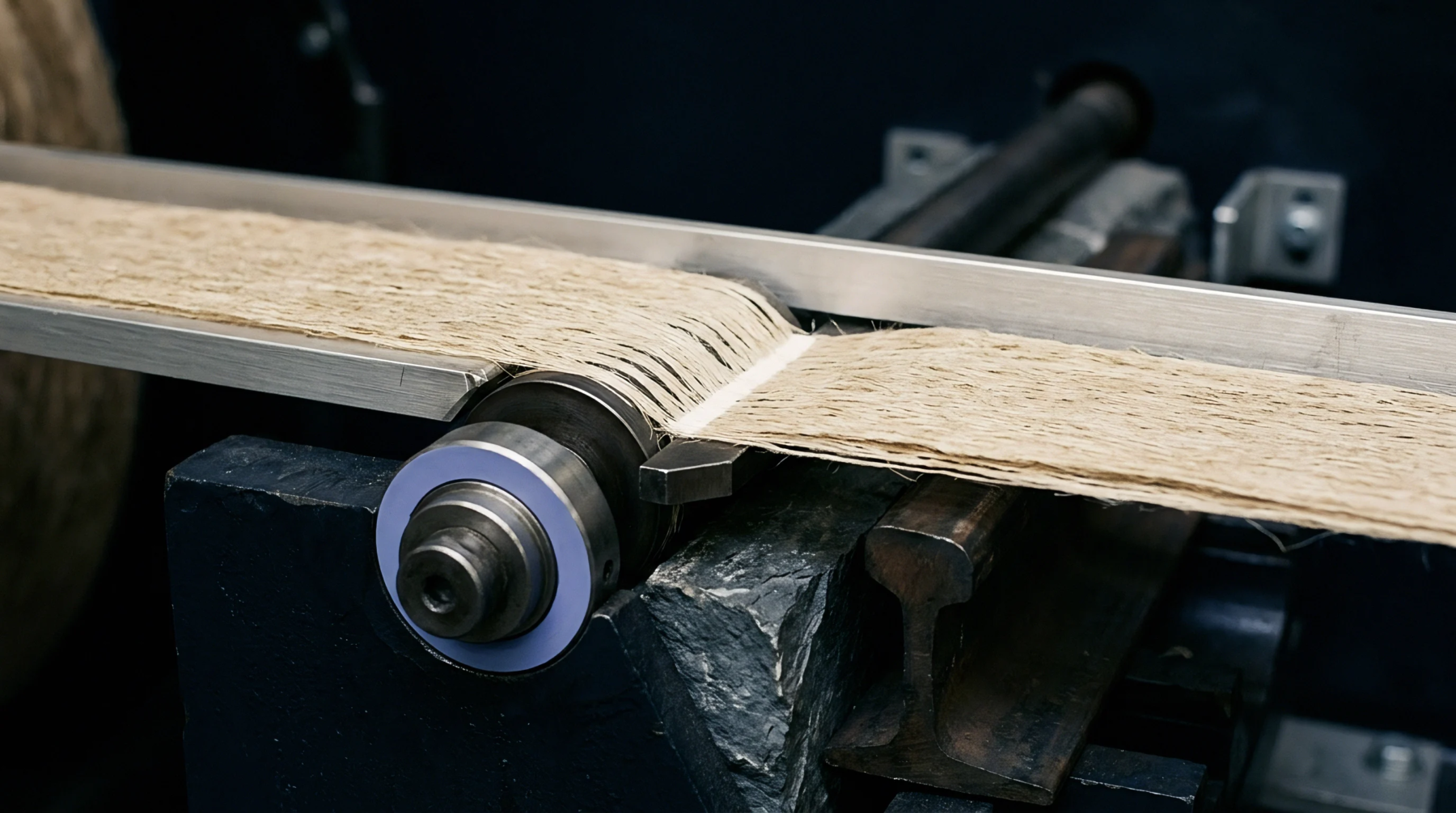
Calculating multi-pass web trim and spoilage requires compounding side-lay allowances, make-ready setup sheets, and hygroexpansive web expansion per pass.
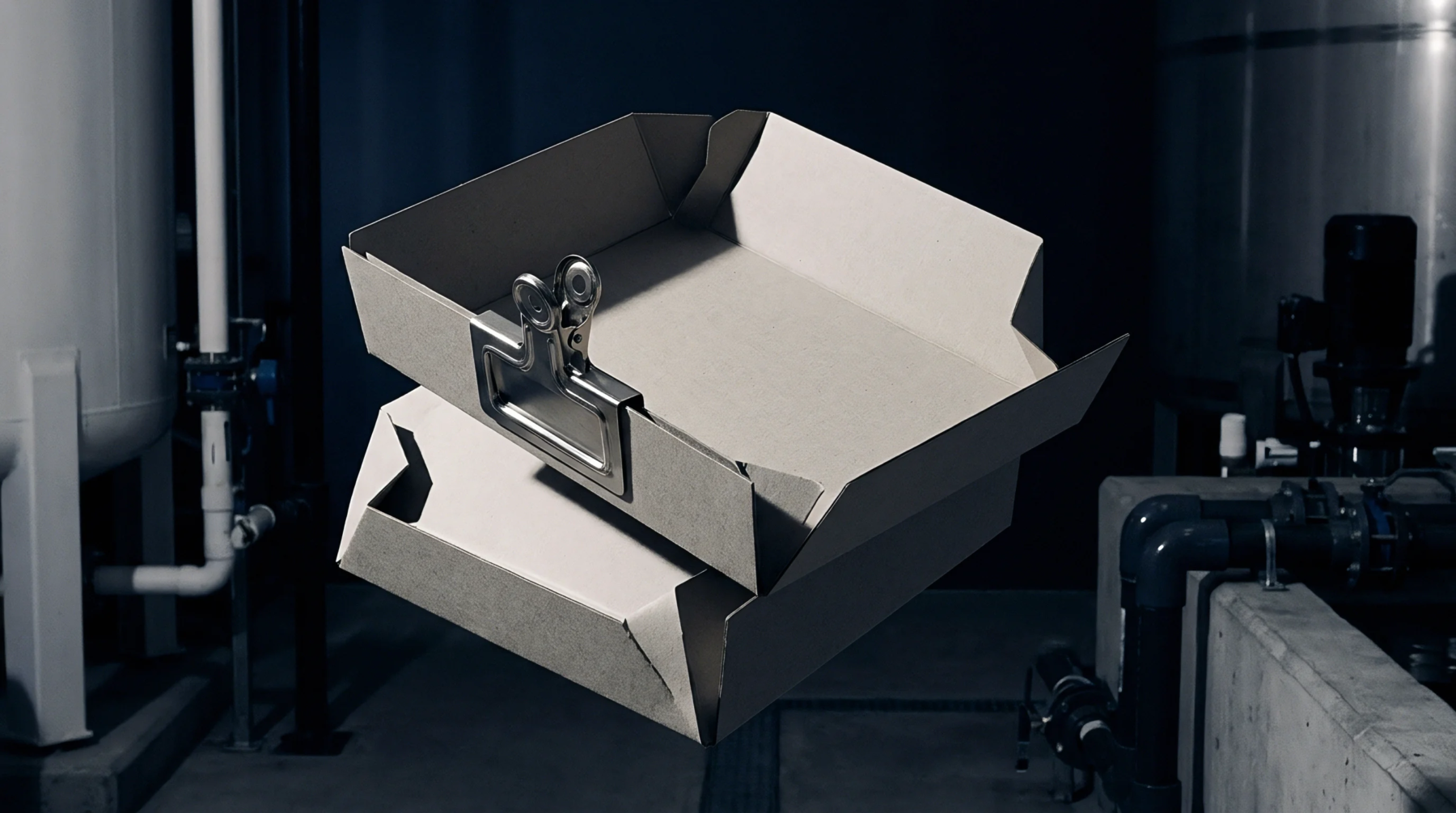
Selecting paperboard caliper and bulk requires balancing furnish density against flexural rigidity to maximize blank yield and carton compression strength.

BCTMP cores lower basis weight for target stiffness, but elevated humidity plasticizes lignin, accelerating score memory loss and risking carton wall bulge.

Maintain crease depth ratios between 0.55 and 0.65 to induce internal ply shear, reducing panel springback torque for clean high-speed package ejection.
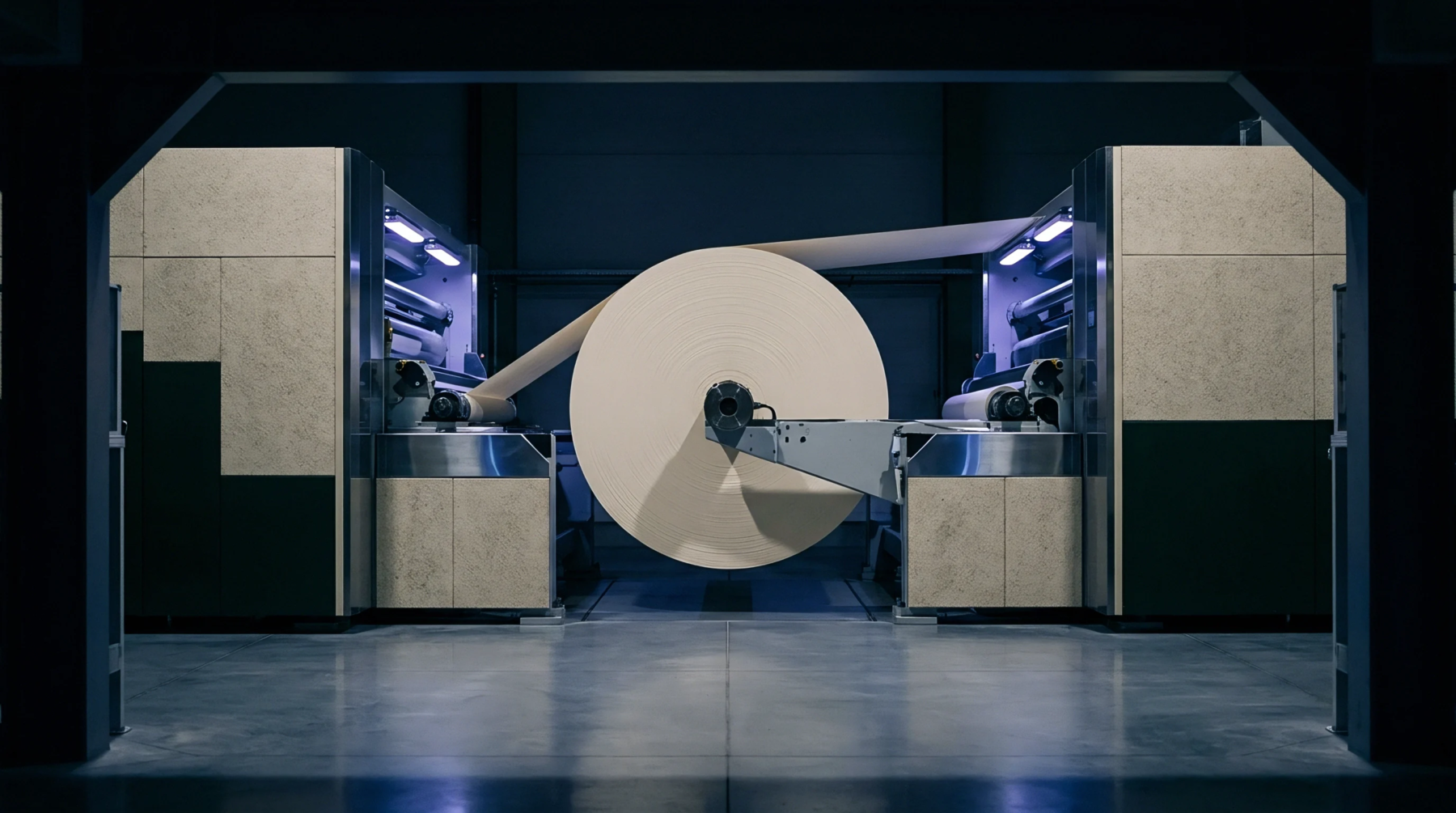
Optical penetration depth correction in continuous board web profilometry mathematically compensates for subsurface scattering to ensure true mechanical caliper.

Modifying creasing matrix channel width and male rule tip radius prevents polymer film elongation cracking and maintains gas barrier integrity across folded scores.
Dynamic contact angle decay within 10 to 100 milliseconds governs liquid holdout and adhesion on paperboard, requiring tight surfactant diffusion control.
Expertise is a utility, not a secret. sentiention™ publishes its working knowledge as open reference: intelligence layer covering the materials it sources, the markets it enters, and the reference that serves both.