Fiber Yield
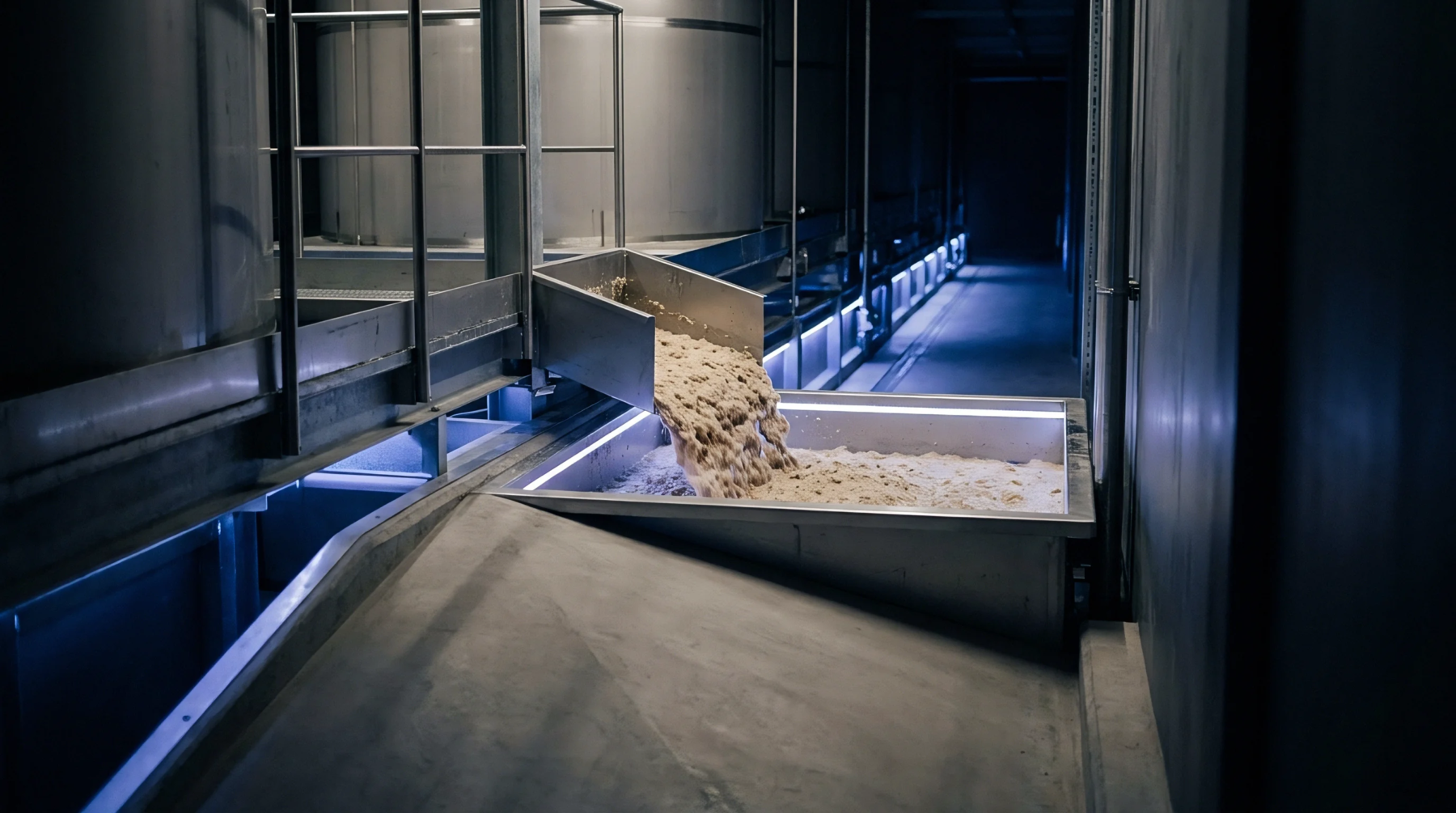
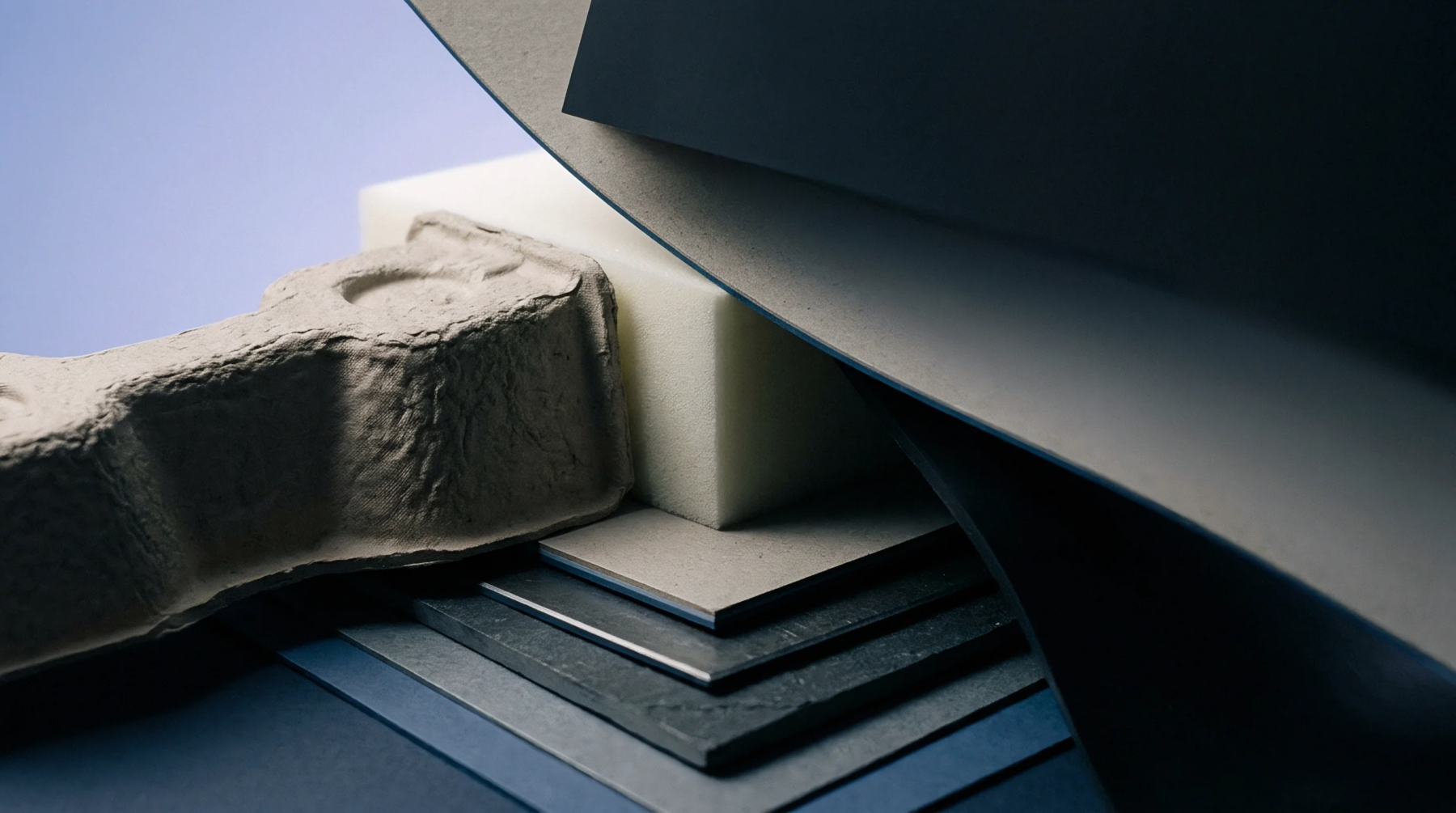
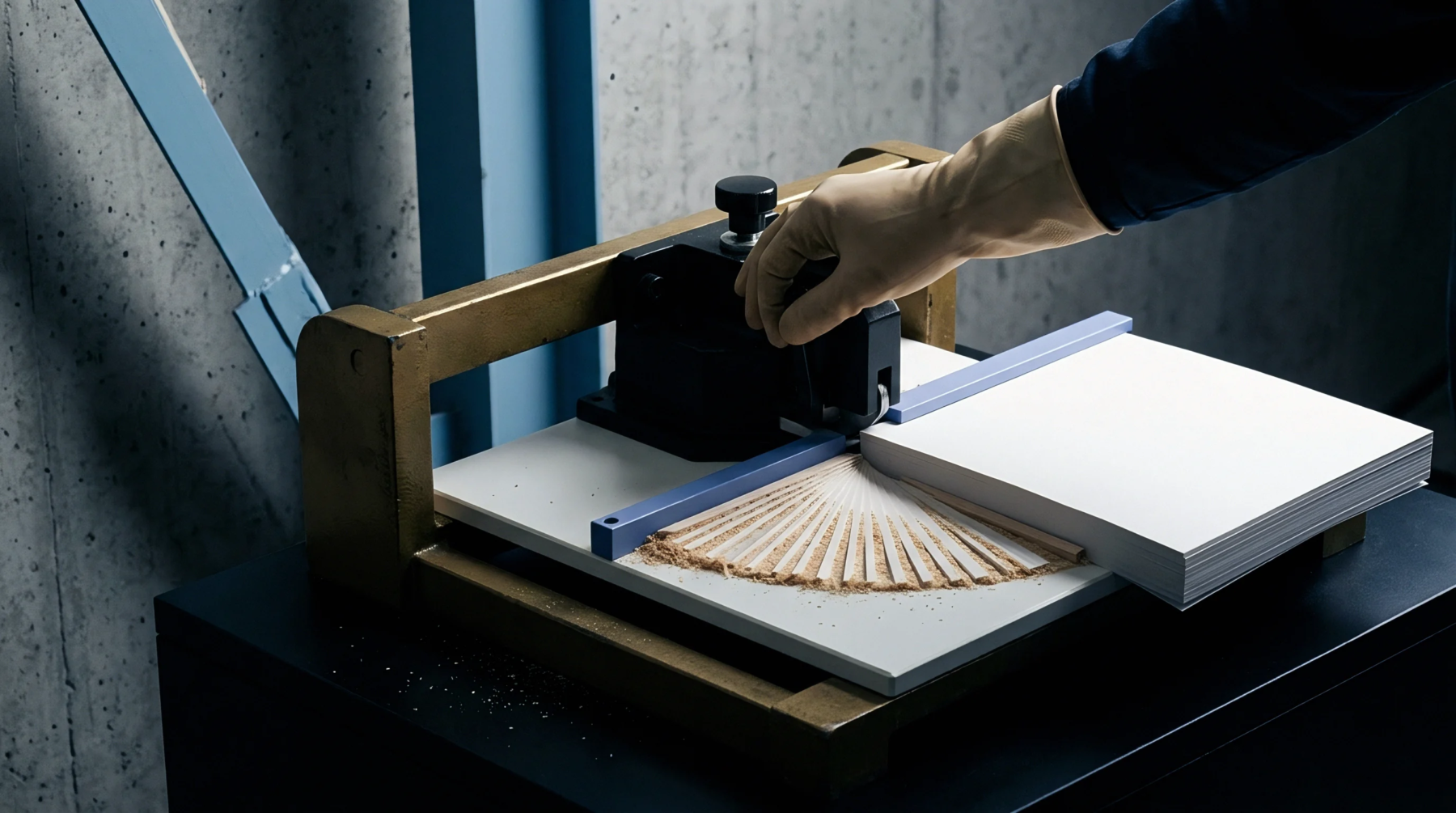
High-yield papermaking wood pulp produced through mild chemical pretreatment followed by mechanical defibrillation and peroxide bleaching defines a primary raw material in high-bulk paperboard manufacturing. Sulfite impregnation softens lignin within wood chips before mechanical refining separates individual fibers with minimal structural degradation. Pulps classified under bctmp supply stiffness and opacity to multi-ply folding boxboard middle layers without the high density of fully cooked chemical pulps.
Yields range between eighty-five and ninety percent of original wood mass. The chemical modification stops short of complete lignin removal, leaving the fiber wall stiff and hydrophobic.
Bulk Generation
Interfiber spacing increases markedly when coarse mechanical fractions populate the center ply of a paperboard sheet. High specific volume allows converters to achieve required bending stiffness at lower basis weights than solid bleached sulphate constructions. Incorporating bctmp lowers total sheet weight while preserving caliper across high-speed converting lines.
Strength Boundary
Hydrogen bonding capacity remains lower in mechanical pulps than in fully delignified chemical stocks. Tensile strength and surface smoothness decline when mechanical fiber ratios exceed structural thresholds in top plies. Surface dusting and vessel picking occur under high-tack printing inks if mechanical fibers migrate to the sheet exterior.
Chemical reinforcement plies must sandwich the high-yield core to maintain clean printability. Mechanical wood pulps lose brightness over extended exposure to ultraviolet radiation due to residual lignin oxidation.