Mechanical Pulp Chemithermomechanical Properties in Packaging Board
CTMP core plies maximize packaging board bending stiffness at lower basis weights, lowering landed carton costs despite lignin brightness reversion limits.
Chip
Raw wood logs undergoing mechanical breakdown enter impregnation vessels where chemical reagents weaken the middle lamella. High-yield chemithermomechanical pulping subjects softwood chips to mild chemical pre-treatment prior to atmospheric or pressurized disc refining. Wood chips undergo chemical impregnation.
Sodium sulphite combined with sodium hydroxide softens native lignin structures without dissolving them entirely. This reaction lowers the mechanical energy required to defibrate wood fibers while preserving structural fiber length and yield.

Chemical Impregnation and Lignin Softening Mechanics
Treating softwood particles with sodium sulphite solutions at temperatures between 120 and 130 degrees Celsius introduces hydrophilic sulphonate groups into the insoluble polymer matrix. Sulphonation increases the swelling capability of the wood cell wall, lowering the glass transition temperature of lignin. Native lignin remains largely intact.
Yields for chemithermomechanical pulp remain between 88 percent and 92 percent, compared to yields below 50 percent for chemical kraft processes. Sulphite chemical application rates stay between 1.0 percent and 3.0 percent sodium sulphite by mass to balance electrical energy savings during refining against chemical recovery operational costs.
Softwood thermomechanical refining preserves natural fibre length while sulphonation lowers energy demand during defibrator pass.
Fibre separation occurs along the primary wall and middle lamella regions when refining operates near or above the softened lignin glass transition temperature. Preservation of intact tracheid structures gives chemithermomechanical pulp high coarseness, stiff individual fibres, and substantial bulk capability. Fiber yield exceeds ninety percent.
| Pulp Grade | Process Yield (%) | Freeness (mL CSF) | Bulk (cm3/g) | Tensile Index (Nm/g) | Scott Bond (J/m2) |
|---|---|---|---|---|---|
| Bleached Chemithermomechanical (BCTMP) | 88 – 91 | 350 – 450 | 2.1 – 2.7 | 28 – 38 | 110 – 150 |
| Stone Groundwood (SGW) | 94 – 96 | 90 – 120 | 2.2 – 2.4 | 20 – 26 | 80 – 100 |
| Bleached Softwood Kraft (BSWK) | 44 – 47 | 650 – 700 | 1.3 – 1.5 | 70 – 90 | 250 – 350 |
Yield Retention and Fibre Coarseness Profiles
Mass conversion efficiency during chemithermomechanical processing remains close to ninety percent because native structural polymers stay within the cell wall. Fiber stiffness directly correlates with wall thickness and residual lignin content. Softwood species like Norway spruce produce long, thick-walled fibers that resist collapsing during wet pressing and drying operations on the paper machine.
High coarseness values maintain structural space within the fiber web, generating high specific bulk in finished paperboard products.
- Sulphite concentration profile verified by titration confirms the target degree of lignin softening during pre-treatment.
- Freeness measurement data recorded under ISO 52671 tracks drainage rate variations across refiner plate wear cycles.
- Shive content analysis using Somerville fractionation establishes the presence of unrefined fibre bundles exceeding 0.15 millimetres.
- Extractives yield testing per ISO 14453 measures residual resinous compounds capable of inducing pitch deposits.
Refiner operators routinely state that elevated shive counts on delivered certificates stem from temporary timber species blend shifts during seasonal forest harvests.
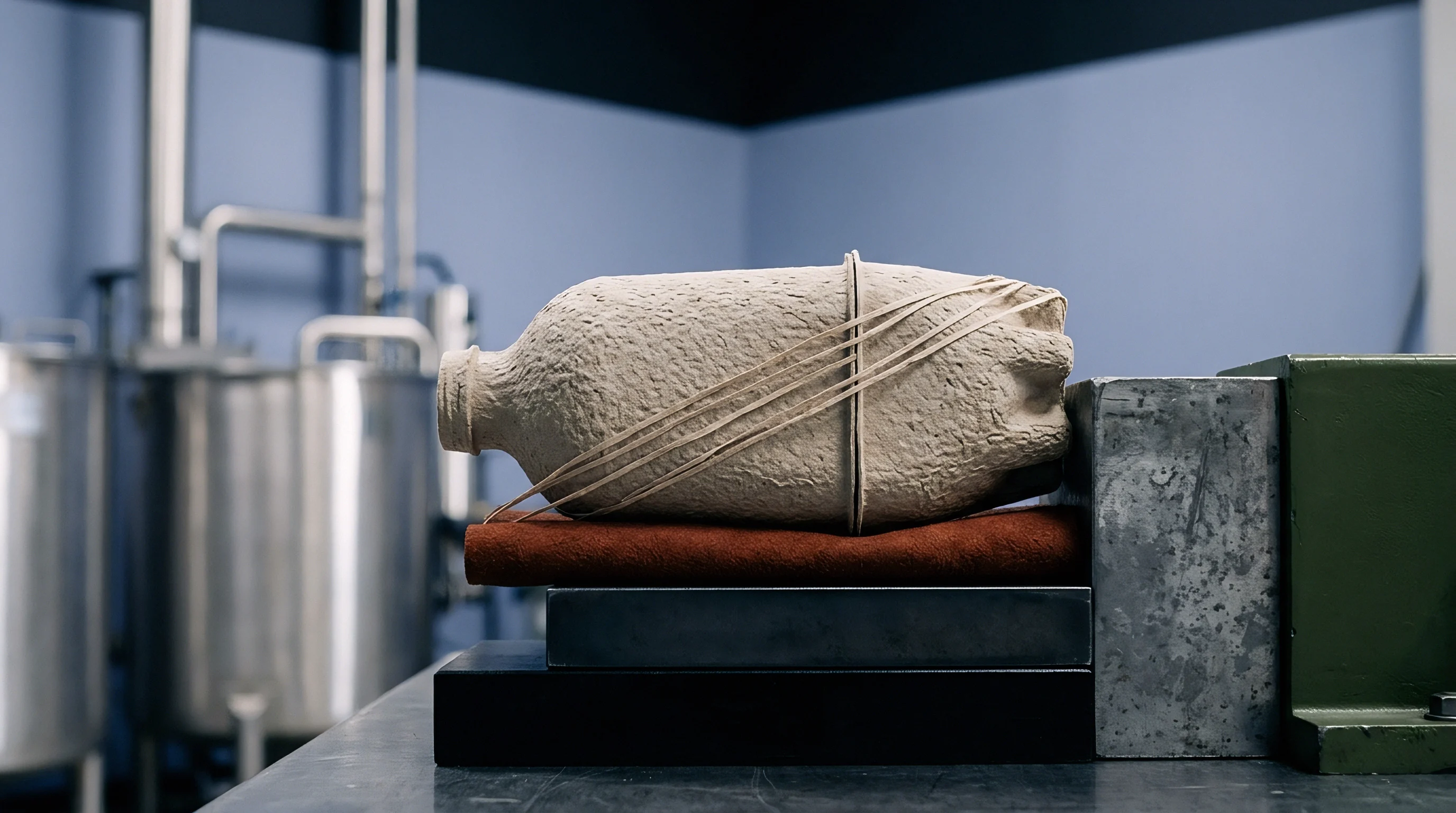
Ply
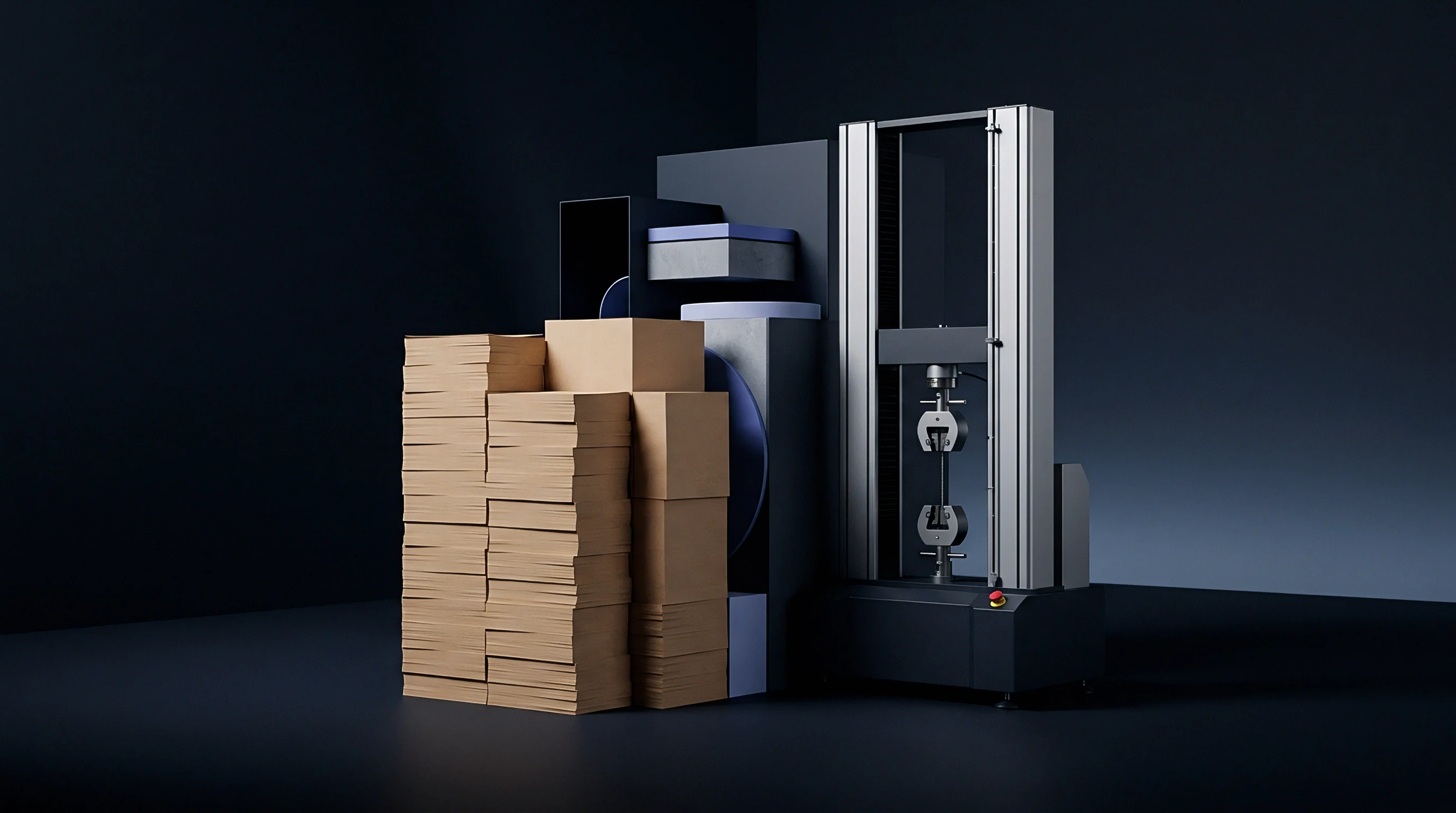
Multi-layer folding boxboard builds structural stiffness by placing high-volume mechanical furnish inside the core while outer skins carry long-fibre chemical pulps. Multi-ply architecture maximizes sheet moment of inertia. Bleached chemithermomechanical pulp provides the bulky central core necessary to separate top and bottom chemical pulp layers.
Core density governs bending resistance. This cross-sectional layout mirrors an I-beam structural beam, where outer skins handle tensile and compressive stresses during flexure while the core maintains cross-sectional spacing.
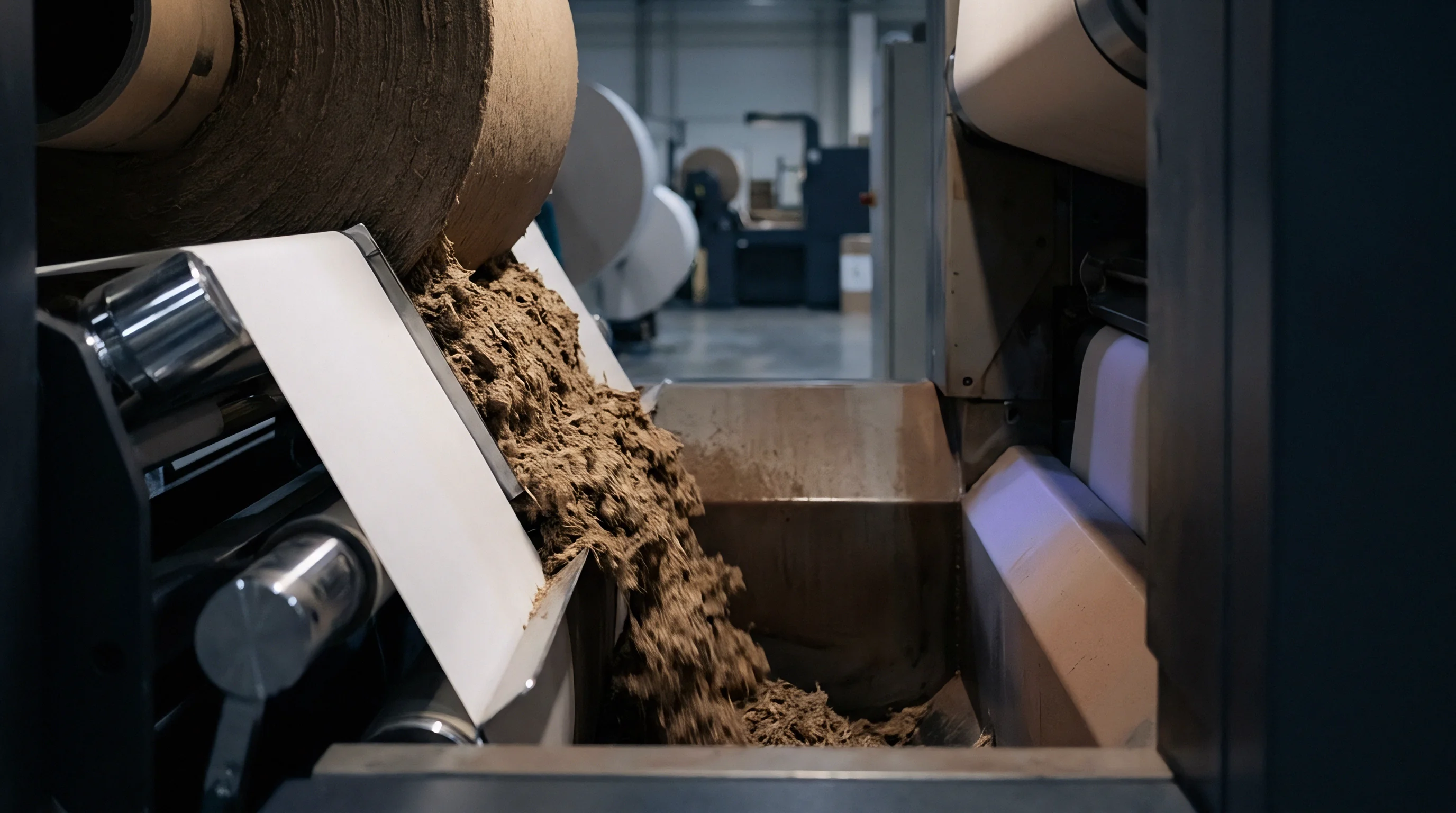
Bending Stiffness Optimization in Multi-Layer Board
Flexural rigidity depends directly on sheet thickness raised to the third power and the modulus of elasticity in each stratum. Stiffness scales with sheet thickness. The elastic modulus of the outer layers controls tension and compression performance, whereas core caliper dictates total flexural resistance.
Placing flexible, highly bonded chemical pulp on the outer surfaces yields clean printing capabilities and high surface tensile strength. Placing stiff, un-collapsed chemithermomechanical fibers in the inner plies increases total board caliper without increasing total basis weight.
A three hundred gram boxboard utilizing a sixty percent chemithermomechanical core achieves forty percent higher bending resistance than a single-ply chemical sheet of equal mass at twenty-three degrees Celsius and fifty percent humidity.

Scott Bond Strength Vs Specific Density Tradeoffs
Internal cohesive strength dictates how well middle layers resist tension during printing and creasing operations. Starch additions boost z-direction strength. Mechanical fibers form fewer hydrogen bonds than beaten chemical fibers due to residual lignin covering cell wall surfaces.
Wet-end cationic starch additions and mechanical pressing increase inter-fiber contact, boosting Scott Bond internal strength measured under ISO 16260. Excessive wet pressing compacts the core, raising sheet density and reducing bending stiffness per unit mass.
- Z-direction split occurs when low internal cohesion allows the middle core to rupture under tacky offset printing inks.
- Blister formation appears during rapid heat sealing when moisture vaporizes within poorly bonded core void spaces.
- Shear plane slip develops during sharp ninety-degree box folding when fiber entanglements fail to yield elastically.
Purchase specifications following ISO 5628 set a maximum stiffness deviation of plus or minus seven percent from nominal values across the reel width.
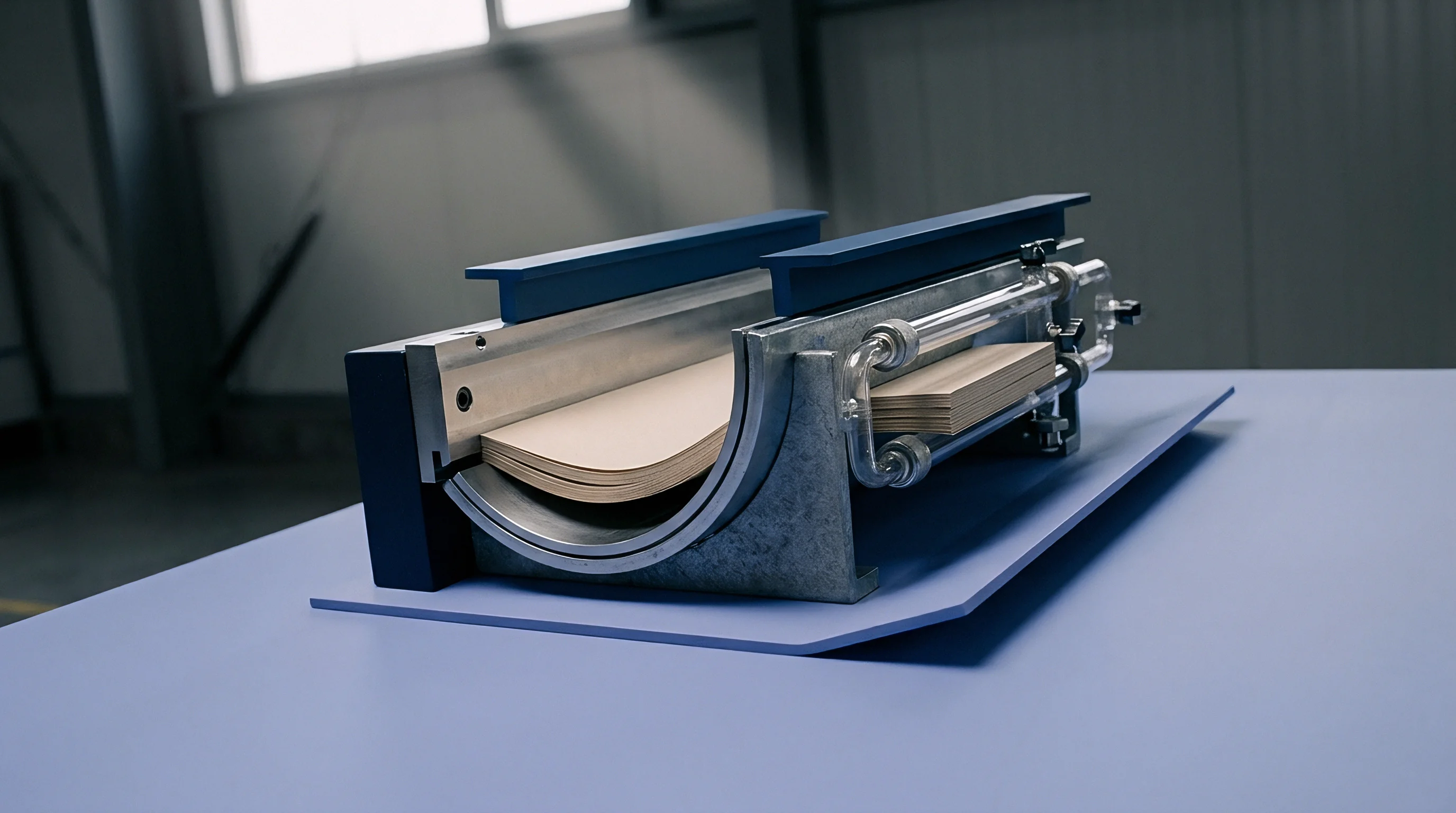

Score
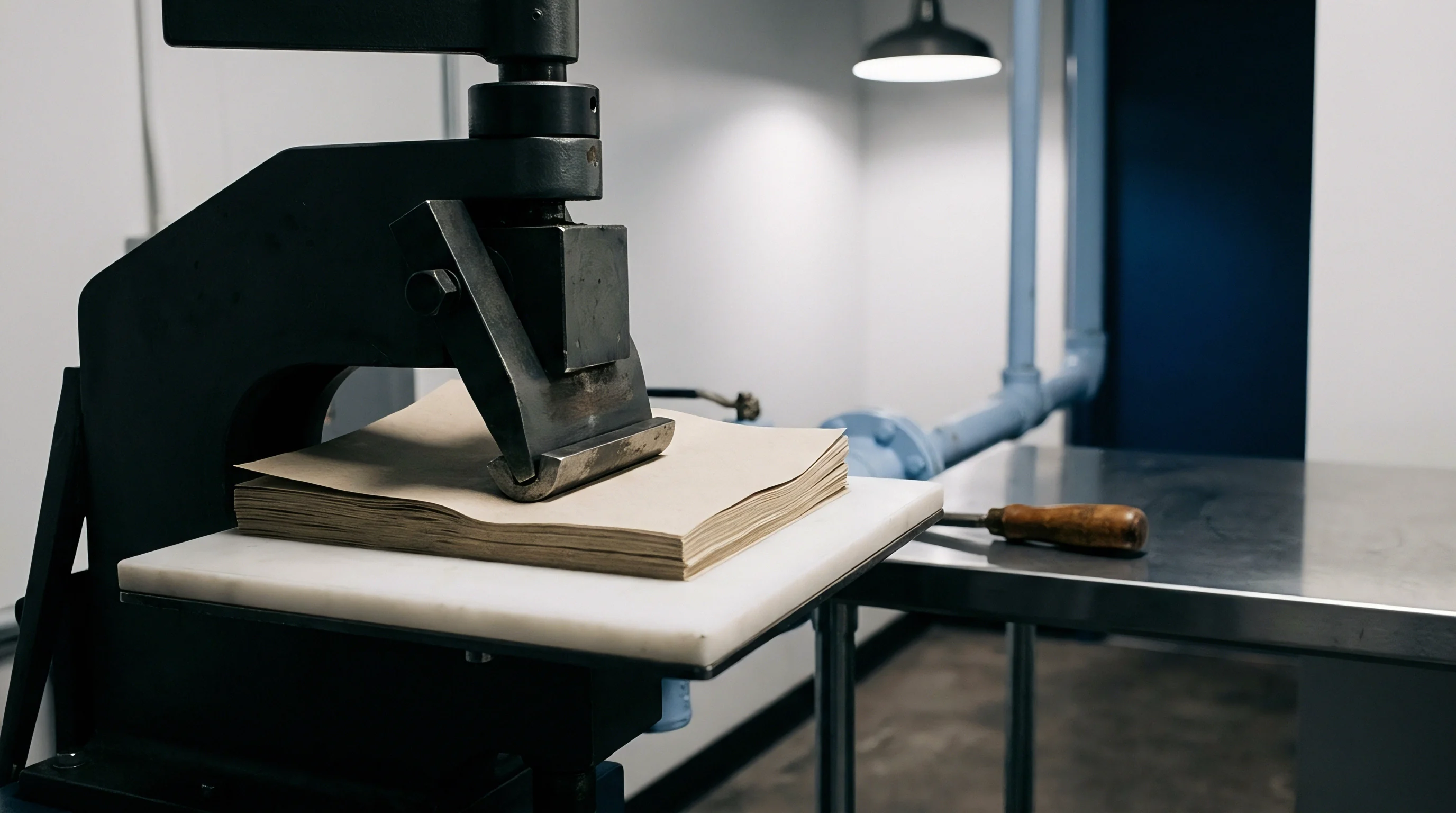
Mechanical creasing of packaging substrate creates controlled internal shear fractures that permit clean ninety-degree carton folds. Creasing fractures internal fibre bonds. Male creasing rules force the board into a female matrix channel, inducing localized z-direction compression and internal delamination.
Proper creasing reduces bending resistance at the hinge line while keeping outer printed liners intact. Matrix width determines folding strain.

Shear Delamination Mechanics during Carton Folding
Compression beneath a creasing rule forces middle-ply fibres into delaminated shear planes without cracking outer white liners. Multi-ply folding boxboard containing a chemithermomechanical core absorbs shear stress through micro-delamination between individual core plies. Stiff mechanical fibers crack internally along the neutral axis, creating a flexible hinge.
Insufficient male rule penetration yields incomplete internal delamination, increasing folding resistance and causing carton bulge during automated packaging assembly.
Non-compliance with ISO 187 conditioning environments alters fibre flexural modulus and causes outer liner cracking along packaging crease lines during automated folding.
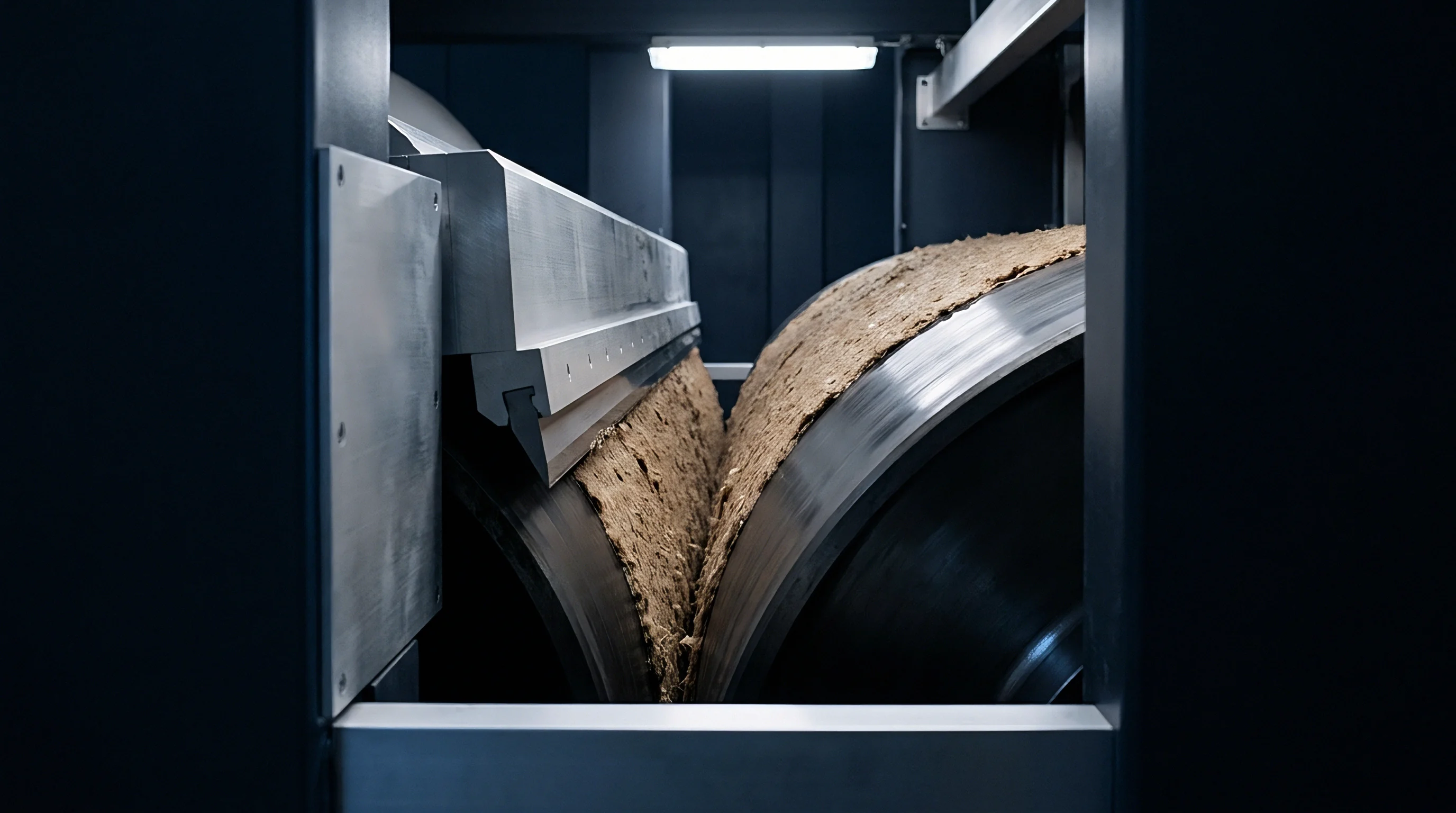
Is Humidity Control Critical for Folding Boxboard?
Equilibrium moisture content governs the viscoelastic response of thick board sheets subjected to rapid mechanical deformation. Dry paperboard cracks during folding. Board conditioned below 45 percent relative humidity exhibits brittle fiber behavior, lowering flexural strain tolerance during scoring operations.
Board conditioned above 65 percent relative humidity loses core shear resistance, producing wide, soft creases that fail to form sharp corner edges on carton gluers.
Creasing calculations for a 350 g/m2 chemithermomechanical board with a caliper of 500 micrometres demand precise male rule and female channel selection. The male creasing rule width matches 0.71 millimetres. The female matrix channel width formula W follows:
W = 1.5 × t + b
Where t equals board caliper (0.500 mm) and b equals rule thickness (0.71 mm). The calculated matrix channel width equals 1.46 millimetres. Setting matrix depth to 0.50 millimetres enforces correct rule penetration, forcing the chemithermomechanical core to split internally into parallel delamination layers.
Dropping ambient relative humidity from 50 percent to 30 percent drops moisture content from 7.5 percent to 5.2 percent. This dry state reduces fiber flexural elongation capacity by 20 percent, leading to top-liner tensile rupture during final box folding.
Incorrect rule penetration depths fracture outer bleached kraft liners, leading to unprinted white cracks across dark printed carton edges that render finished retail packaging unsaleable.
Fade
Brightness loss in mechanical pulps occurs when optical exposure excites residual aromatic structures within the wood matrix. Ultraviolet light alters aromatic chromophores. Chemithermomechanical pulp retains most of the wood’s original lignin content, leaving guaiacyl and catechol units exposed to ambient light and heat.
Photo-oxidation transforms colorless polyphenols into light-absorbing yellow quinone compounds over time.
Chromophore Photo-Oxidation and Lignin Reversion Pathways
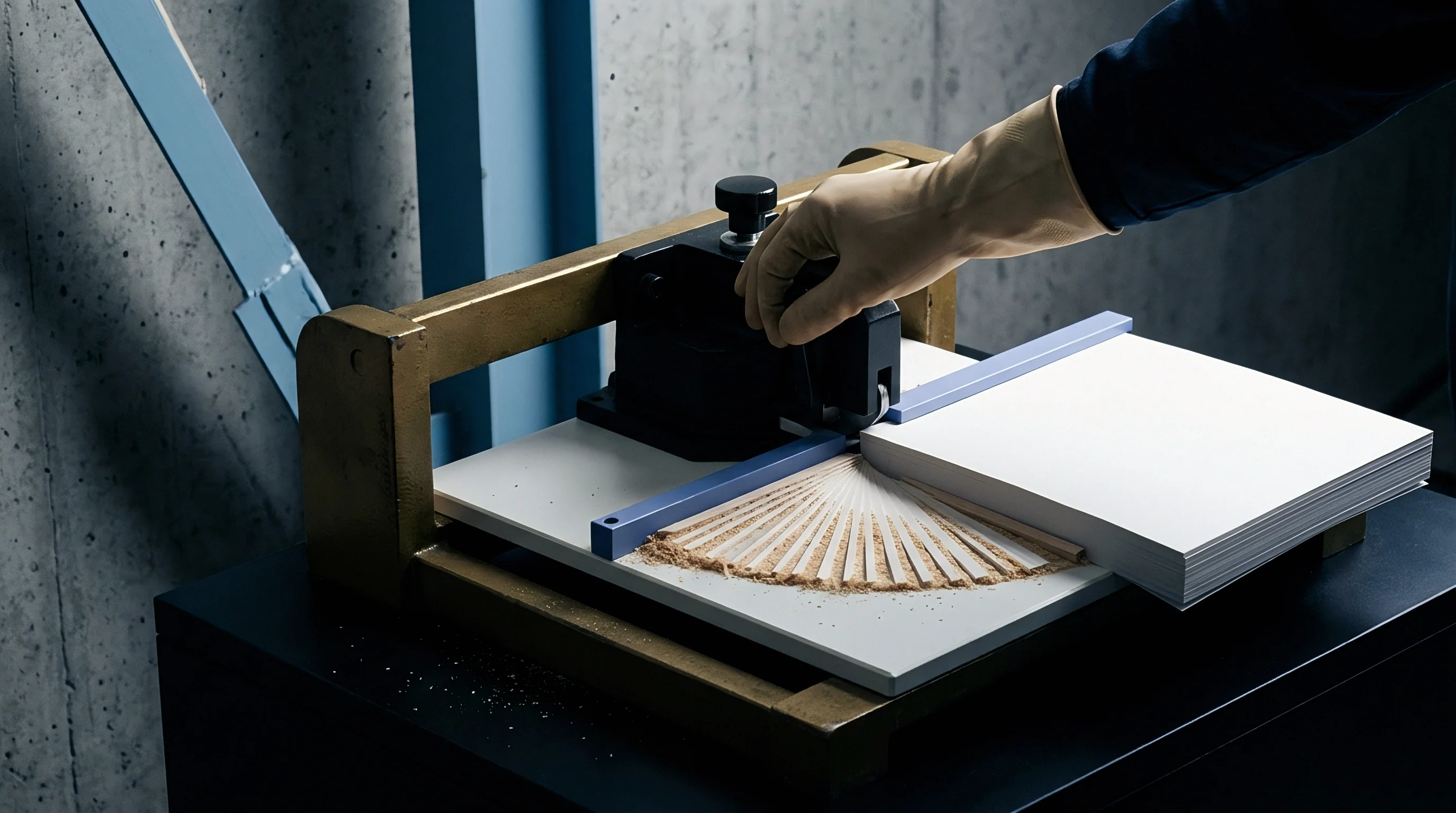
Ultraviolet light absorption between three hundred and four hundred nanometers converts phenoxy radicals into yellow quinones. Peroxide bleaching preserves pulp yield. Alkaline hydrogen peroxide bleaching neutralizes chromophores by destroying conjugated carbonyl structures without removing lignin molecules.
Unstabilized mechanical pulps undergo rapid brightness reversion under indoor fluorescent illumination or direct sun exposure. Thermal exposure accelerates yellowing reactions in warehouse storage environments.
Storing high-yield mechanical board away from direct ultraviolet radiation slows chromophore generation and preserves sheet whiteness over extended retail shelf storage.
| Substrate Grade | Initial Brightness (% R457) | Post Thermal Aging (105C, 72h) | Post UV Exposure (24h) | Total Color Deviation (Delta E) |
|---|---|---|---|---|
| Bleached Solid Chemical Board (SBS) | 92.0 | 90.5 | 89.8 | 1.2 |
| Folding Boxboard GC1 (Bleached CTMP Core) | 88.5 | 83.0 | 80.2 | 4.8 |
| Folding Boxboard GC2 (Unbleached CTMP Core) | 83.0 | 76.5 | 72.0 | 7.5 |
| White Lined Chipboard (Recycled Core) | 79.0 | 73.0 | 69.5 | 8.2 |
Storage Life Profiles for High Brightness Packaging
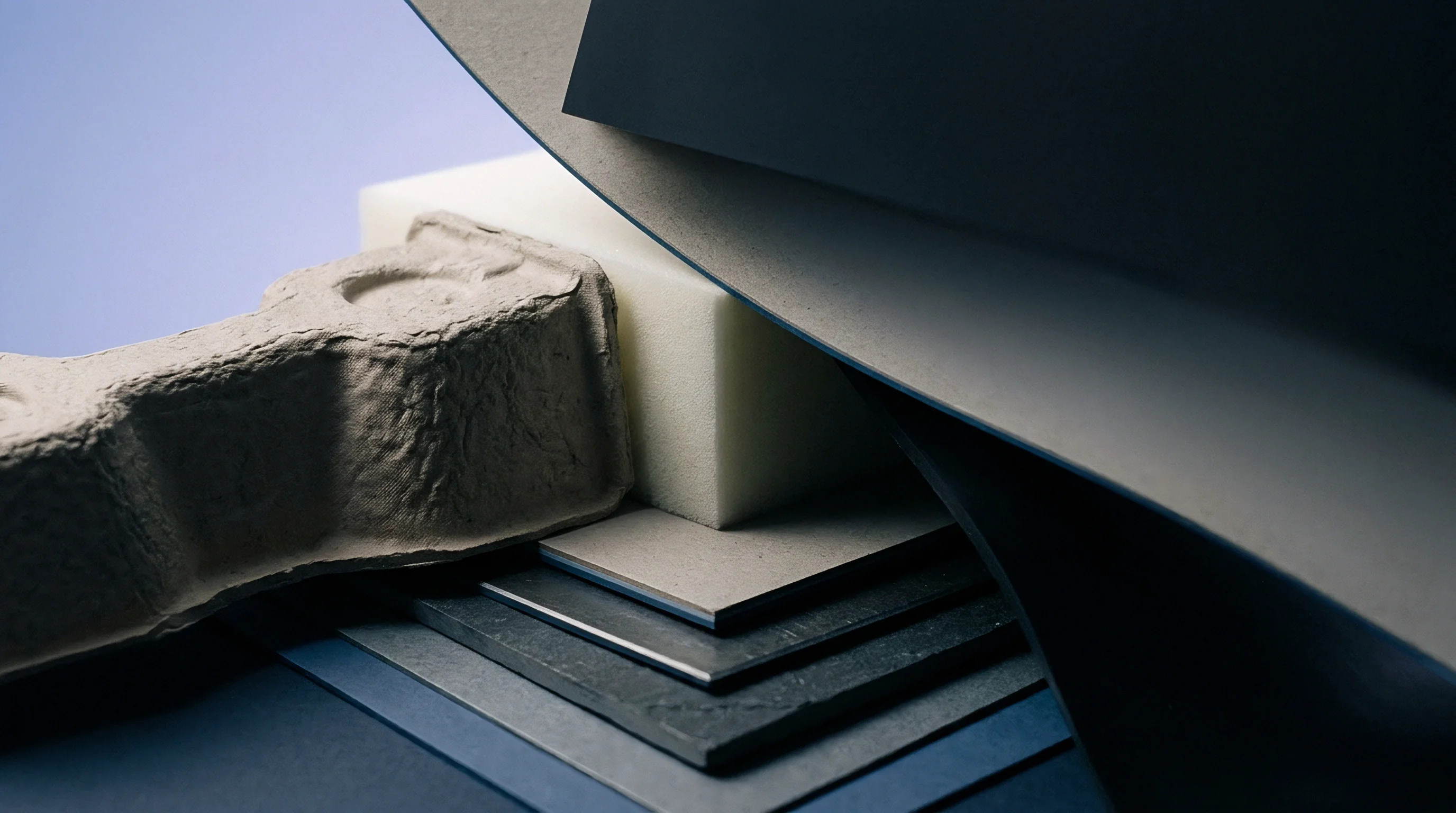
Carton whiteness retention over multi-month retail distribution demands careful selection of pulp chemical treatments. Bleached chemithermomechanical pulps treated with chelating agents like EDTA remove transition metal ions like iron and copper. Metal ions catalyze photo-oxidation reactions that accelerate yellowing.
Formulators specify solid chemical board for luxury cosmetics applications requiring permanent optical stability, while choosing chemithermomechanical folding boxboard for dry food and dry pharmaceutical cartons with shorter shelf-life windows.
Whether cost-effective chemical additives can permanently block photo-yellowing pathways without compromising pulp yield remains an open challenge for research laboratories.

Budget
Selecting paperboard grades involves balancing raw material weight against structural performance requirements across high-volume converting runs. Paperboard is sold by mass. High-bulk chemithermomechanical cores allow board mills to produce equivalent caliper and stiffness at significantly lower basis weights compared to single-ply chemical sheets.
Lower grammage cuts packaging fees. Paperboard purchasing costs depend on landed sheet yield rather than gross price per metric tonne.
Downgauging Arithmetic across Packaging Grade Substitutions
Replacing solid chemical board with a multi-ply chemithermomechanical structure yields significant mass reductions while maintaining bending stiffness specifications. Substituting a 330 g/m2 solid bleached chemical board with a 250 g/m2 multi-ply board of equal 400-micrometre caliper saves 80 grams per square metre of material. This mass reduction yields a 24 percent saving in total pulp tonnage purchased for a given carton production volume.
| Specification Metric | Solid Bleached Sulfate (SBS) | Folding Boxboard (CTMP Core) | Commercial Variance |
|---|---|---|---|
| Target Caliper (micrometres) | 400 | 400 | 0 % |
| Basis Weight (g/m2) | 330 | 250 | – 24.2 % |
| Total Order Weight (metric tonnes) | 231.0 | 175.0 | – 56.0 tonnes |
| Delivered Price per Tonne (EUR) | 1,450 | 1,550 | + 6.9 % |
| Substrate Landed Cost (EUR) | 334,950 | 271,250 | – 63,700 EUR |
| Producer Waste Fee at 150 EUR/t | 34,650 | 26,250 | – 8,400 EUR |
| Total Packaging Cost per 1,000 Sheets | 369.60 | 297.50 | – 19.5 % |

Landed Sheet Cost Analysis for Carton Specifications
Determining actual packaging expenses demands calculating total delivered sheet cost rather than comparing price per metric tonne alone. High-yield pulps command higher processing energy inputs per unit mass during bleaching, making bleached chemithermomechanical pulp slightly more expensive per tonne than unbleached kraft. The density advantage offsets the higher price per tonne by reducing total tonnage required to fulfill carton production orders.
Extended producer responsibility waste fees charged per mass unit further increase financial savings gained from downgauged packaging boards.
- Measure required bending stiffness along machine and cross directions using ISO 5628 test methods on current production samples.
- Identify candidate multi-ply boards matching target bending stiffness values regardless of basis weight differences.
- Calculate tonnage requirements for annual order volumes based on sheet dimensions and basis weight savings.
- Obtain delivered price quotes per metric tonne including mill surcharges and freight logistics fees.
- Calculate finished carton landed sheet costs to determine net financial savings per production run.
Comparing substrates by caliper yield per delivered sheet produces lower landed packaging costs than comparing purchasing prices per metric tonne.