Hygral Stress Dynamics and Edge Waving Mechanics in Recycled Paperboard Skids
Hygral edge waving in recycled paperboard skids results from perimeter moisture absorption driving compressive buckling against a dry, rigid core.
Hygral edge waving in recycled paperboard skids results from perimeter moisture absorption driving compressive buckling against a dry, rigid core.
Dynamic platen converting above 7,500 sph degrades board core shear modulus by up to 60 percent, demanding calibrated matrix tooling to prevent carton collapse.
Dynamic crease stiffness analysis measures real-time polymer film relaxation during high-speed board folding to prevent barrier fracturing and line jams.
Real-time platen bed deflection correction eliminates crease depth variance across wide formats, preventing high-speed packaging jams and cutting tooling wear.
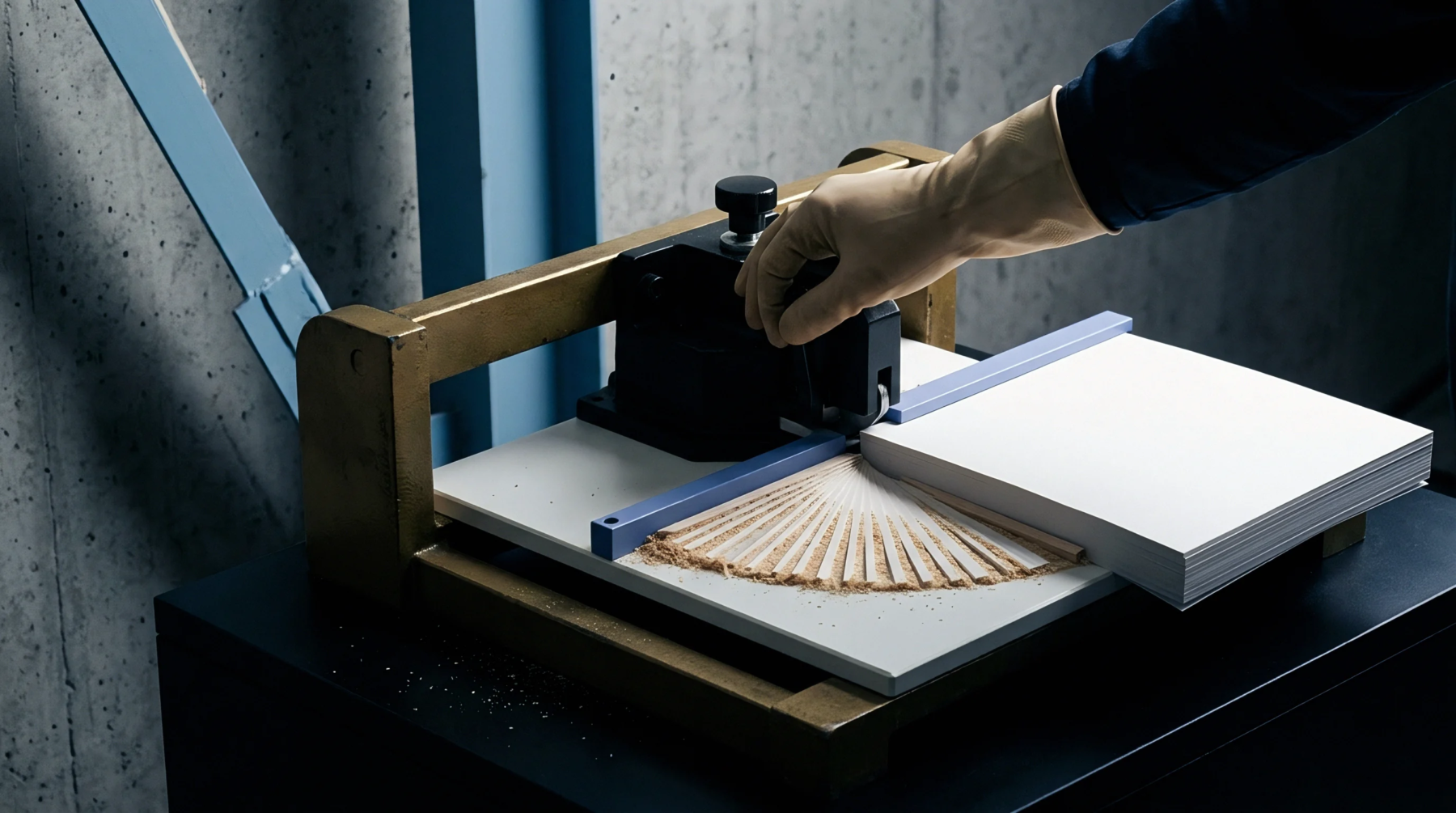
Select creasing channels for laminated folding boxboard using wider channel factors to protect surface polymer films from tensile rupture during folding.

Chemithermomechanical core compliance modeling predicts time-dependent box compression decay under changing humidity by coupling viscoelastic Prony series with shear kinematics.

Crease audits verify internal mechanical ply shear through moment ratios between thirty and fifty percent without top coating fracture under dye staining.

Counter die relief profiles for film laminated folding boxboard require expanding channel widths by twenty percent to prevent outer film shear tearing.

Dynamic viscoelastic springback coupled with orthotropic panel deflection governs cartoning line efficiency and side-wall structural limits under high speeds.

Folding boxboard machine direction stiffness anisotropy governs carton opening force and high-speed feeder reliability, demanding strict ratio limits on orders.

Mechanical decurling and fluid rehydration permanently degrade recycled paperboard flexural modulus by shear micro-delamination and fiber plasticization.
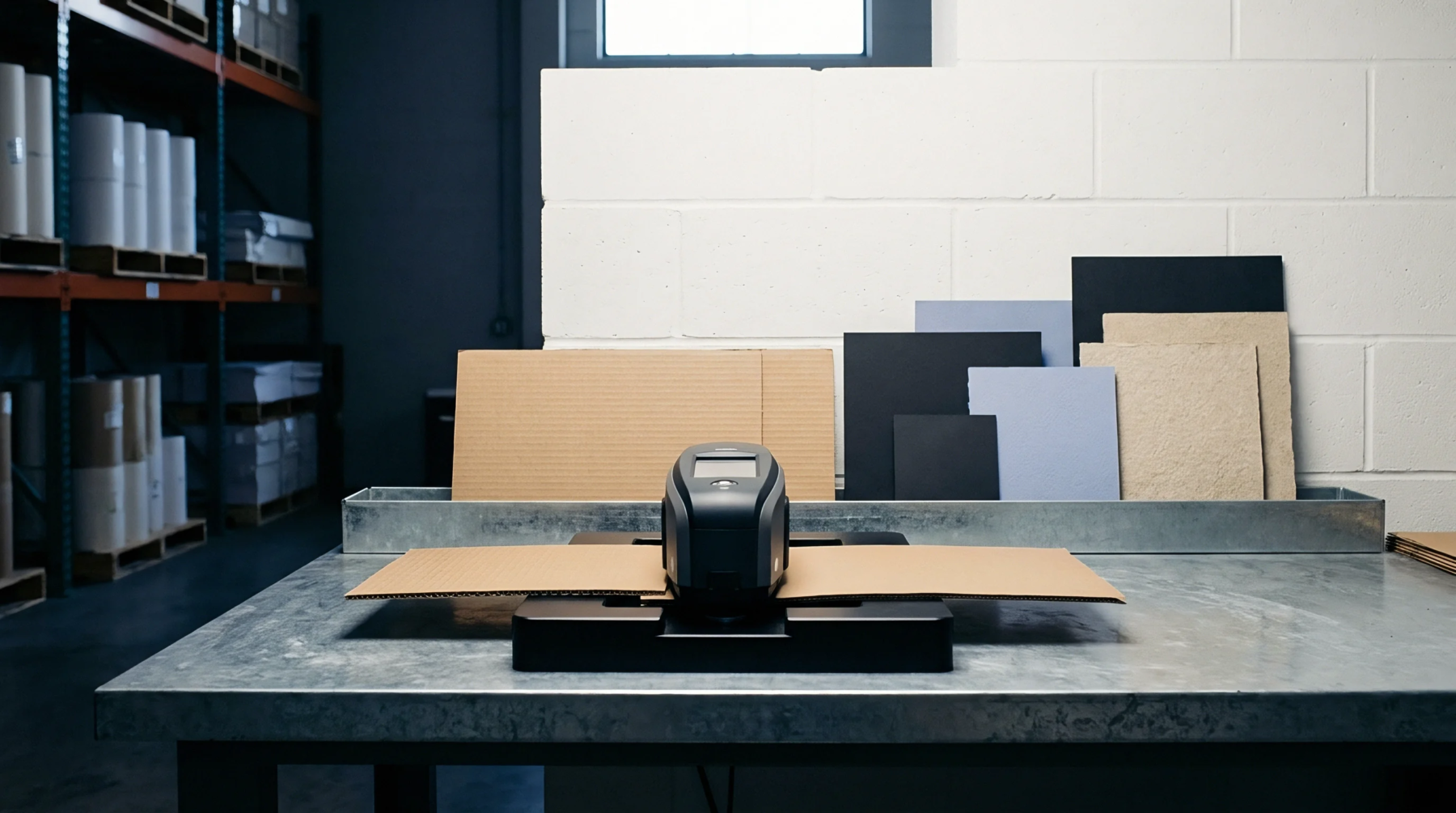
Air-coupled ultrasonic guided waves quantify paperboard crease ply delamination and micro-cracking non-destructively, preventing box compression failure.

Matching counter matrix channel width to rule thickness plus 1.5 to 1.7 times board caliper prevents clay coating rupture and stabilizes carton score stiffness.
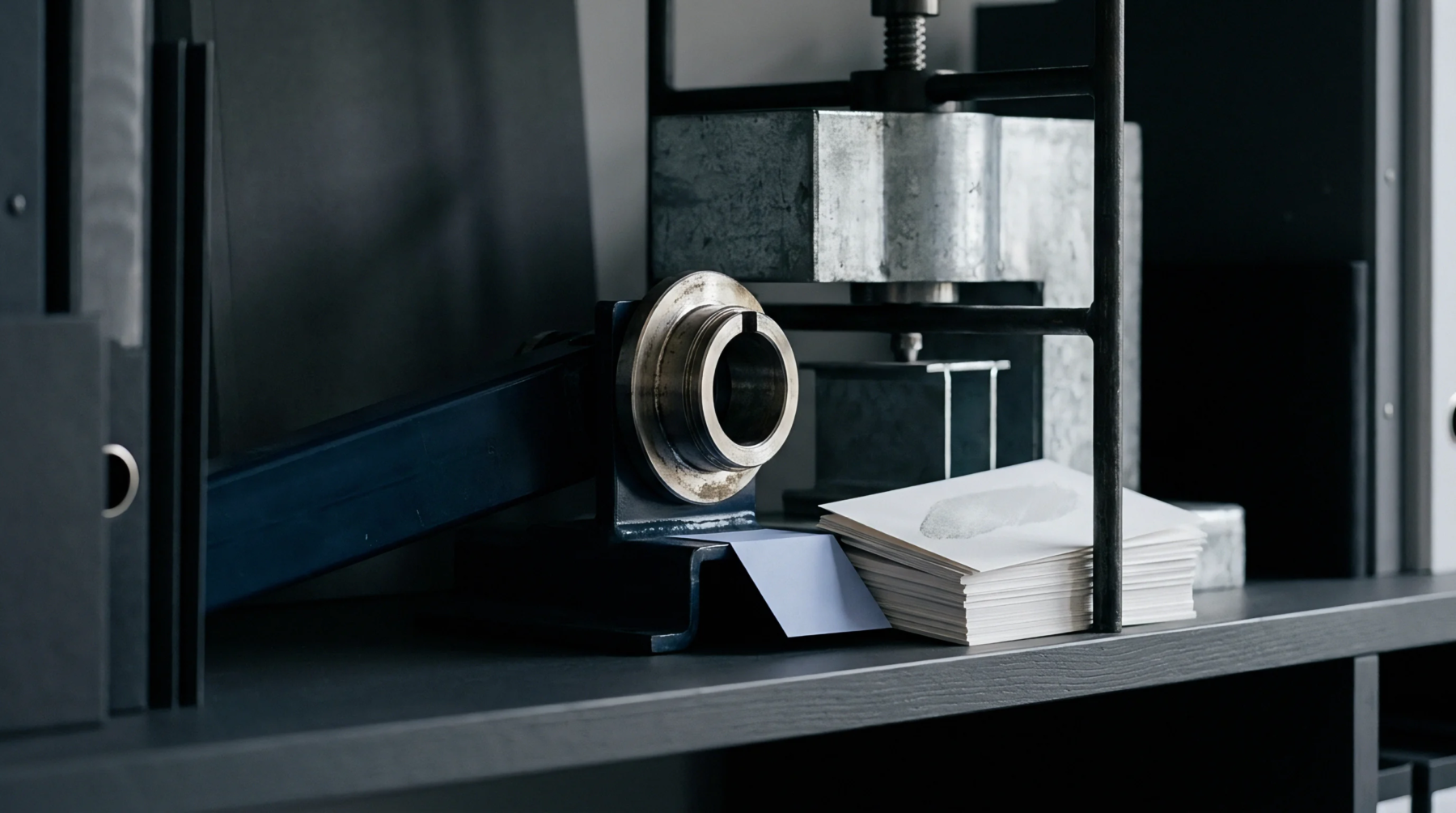
Widening matrix channel width to 1.7 times board caliper mitigates score cracking on recycled board by promoting controlled internal ply delamination.
Die imposition layouts must align machine direction grain along the extraction vector to prevent dynamic bowing and vacuum shear during high-speed cartoning.
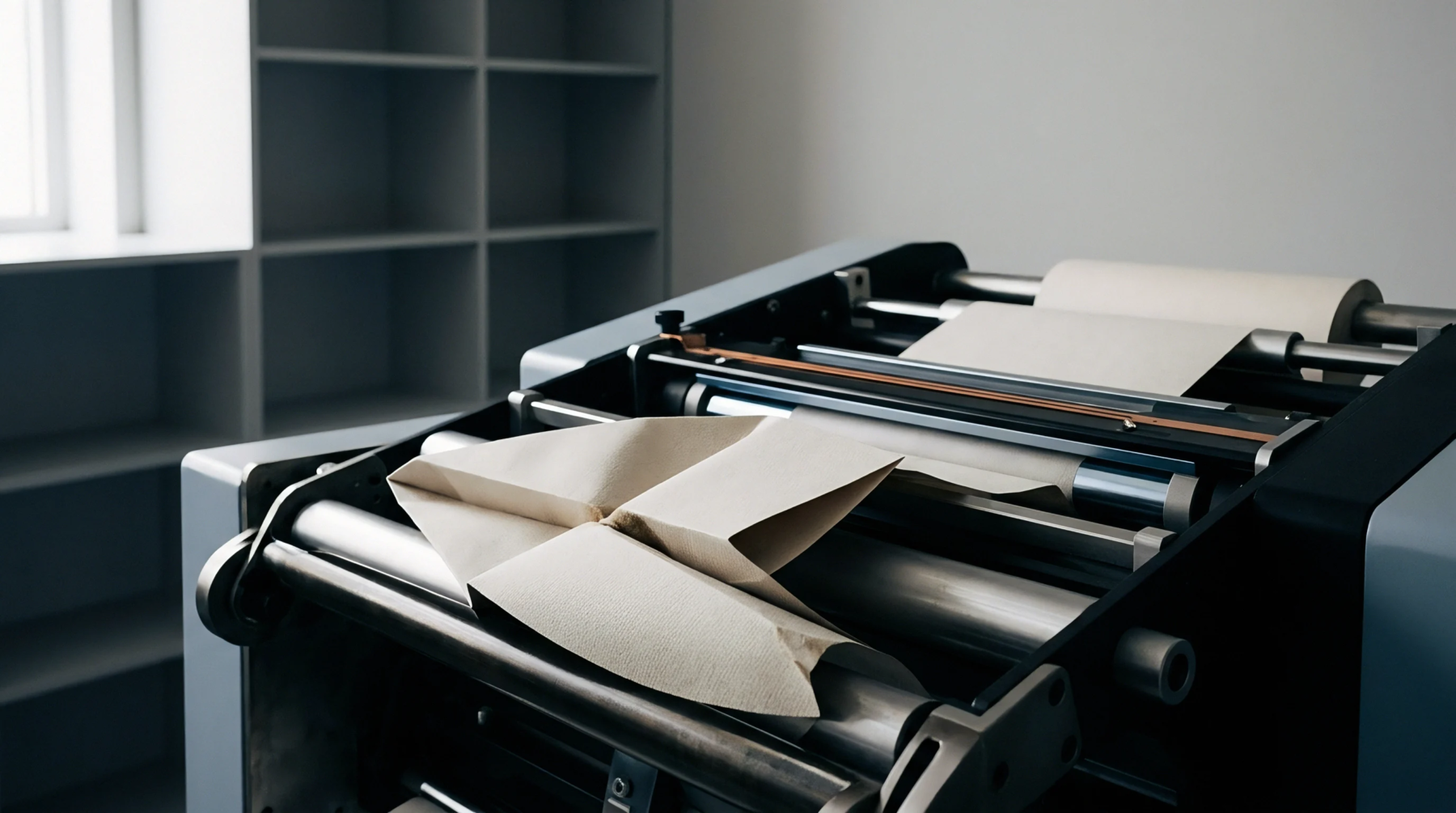
Selecting steel creasing rules and matrix channels for coated FBB requires matching board caliper and CTMP core shear limits to prevent surface cracking.
Expertise is a utility, not a secret. sentiention™ publishes its working knowledge as open reference: intelligence layer covering the materials it sources, the markets it enters, and the reference that serves both.