Optimizing Die Cutting Matrix Dimensions for Heavyweight Folding Boxboard Grades
Heavyweight folding boxboard requires matrix depth matching board caliper and channel width calculated at one point seven times caliper plus rule thickness.
Heavyweight folding boxboard requires matrix depth matching board caliper and channel width calculated at one point seven times caliper plus rule thickness.
Elevated humidity causes gas-phase moisture sorption that disrupts interfiber hydrogen bonds, reducing sheet elastic modulus and causing converting failure.
Moisture plasticizes secondary fibre bonds, reducing Mode I and II fracture energy thresholds and causing delamination during thermal finishing and creasing.

Non destructive laser thermoelastic mapping measures subsurface micro delamination dynamics in high speed barrier board scores without damaging surface coatings.
Matrix channel width equals creasing rule thickness plus board caliper multiplied by grade constants ranging from 1.4 for SBB to 1.7 for WLC.
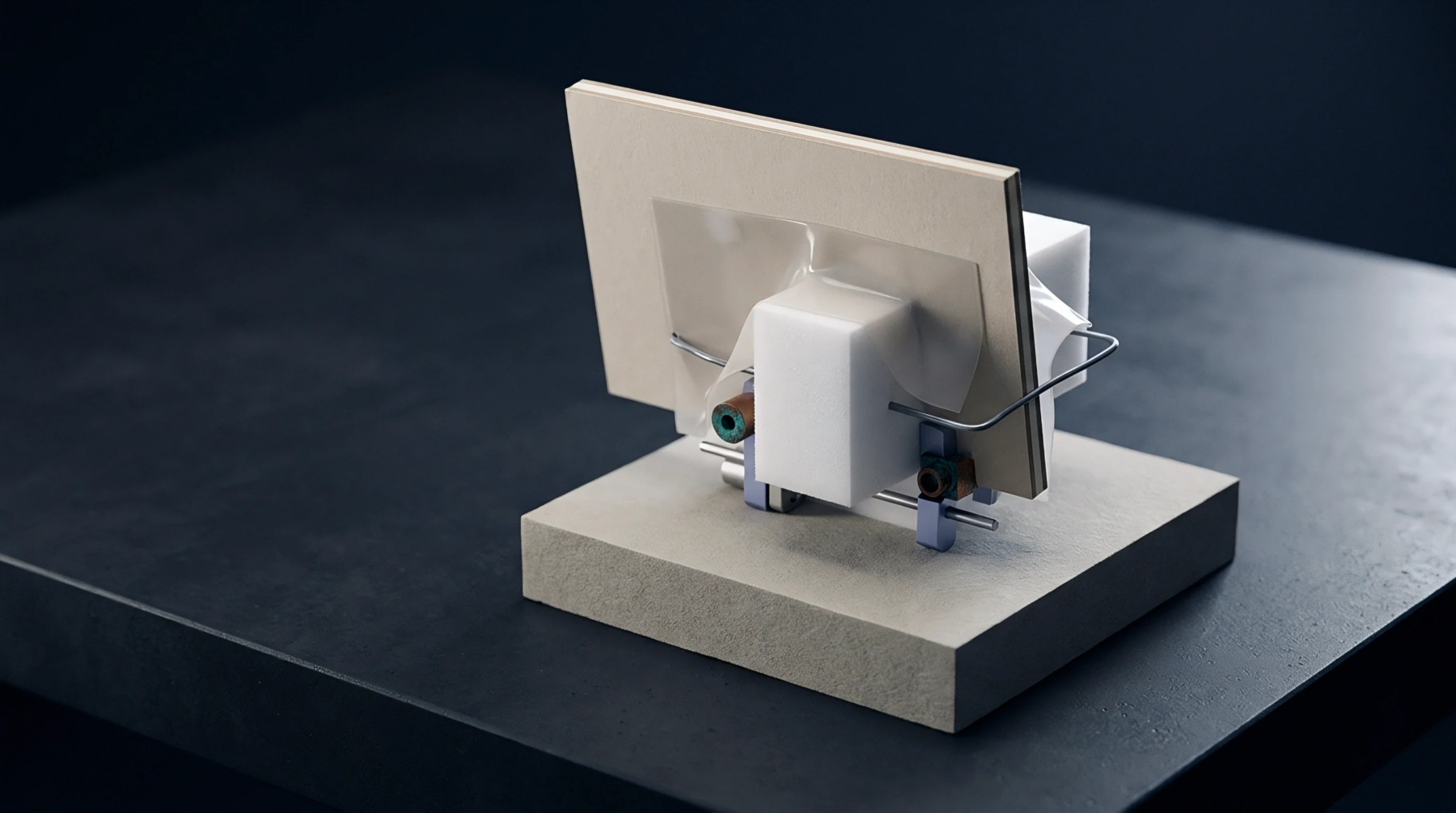
Predictive stiffness loss modeling prevents folder-gluer waste by adjusting crease depth and binder chemistry to compensate for high-speed dynamic strain.

Paperboard flexural rigidity depends on the cube of caliper, requiring exact ISO 2493 or TAPPI T 489 instrument alignment and strict 23°C/50% RH conditioning.

Dynamic strain rate modeling predicts multi-ply boxboard Z-direction compression and interlayer shear collapse during high-speed converting and package drops.
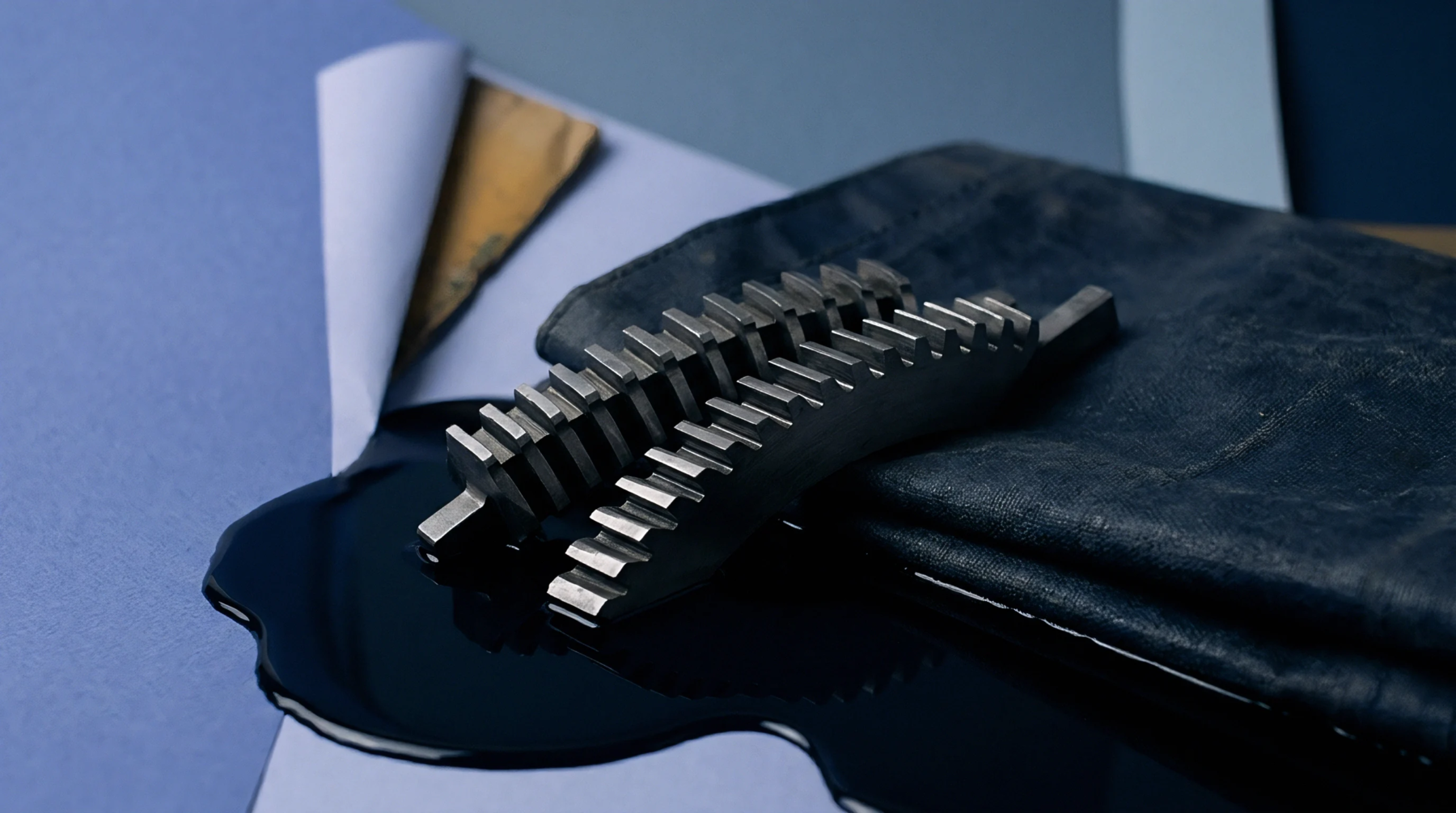
Balancing dynamic surface tension sub-10ms wetting with high extensional viscosity prevents droplet rebound and glue stringing on creased paperboard.
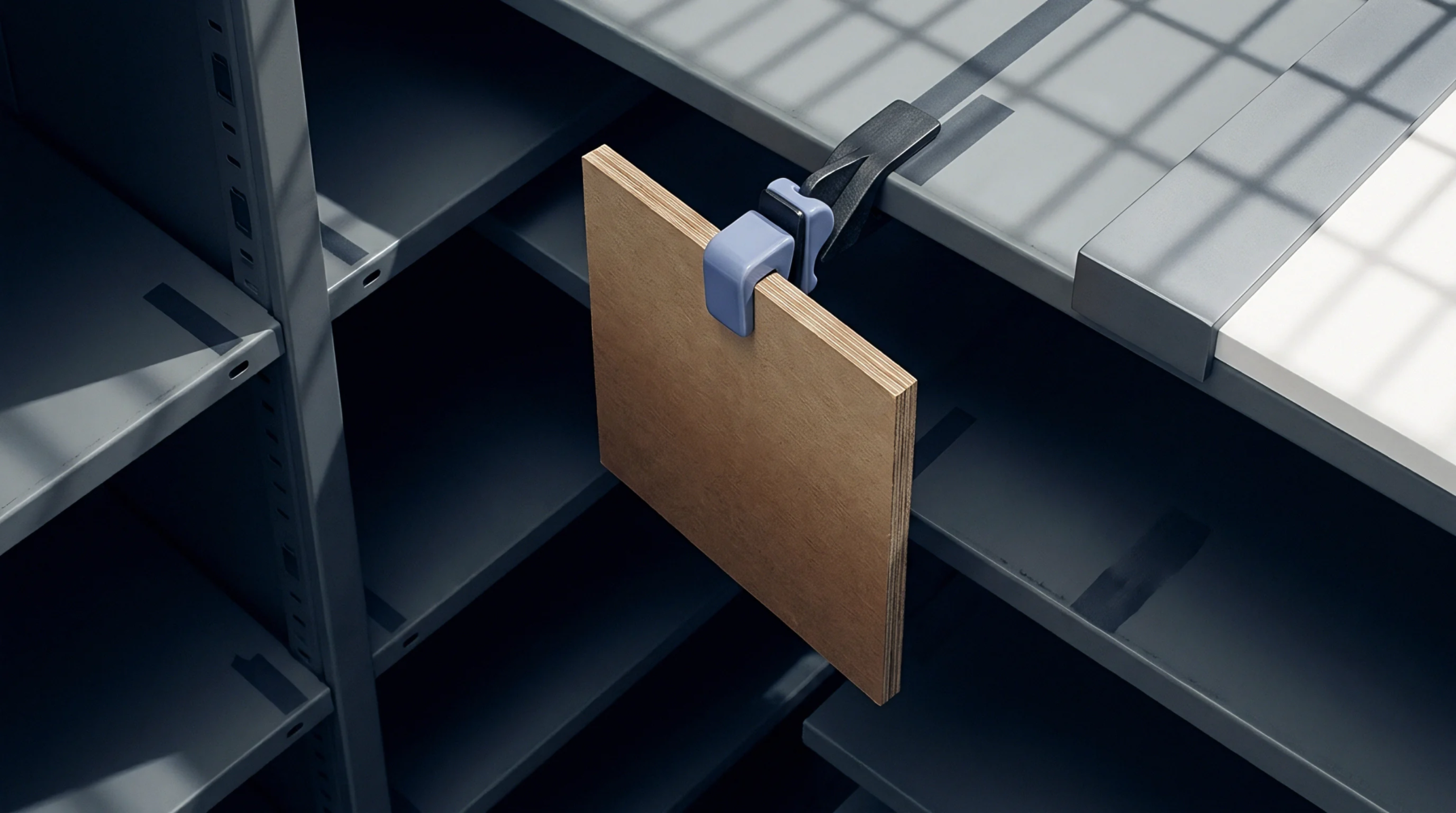
Quantifying dynamic shear planes in recycled board requires high-rate impact testing to prevent score line splitting on high-speed converting lines.
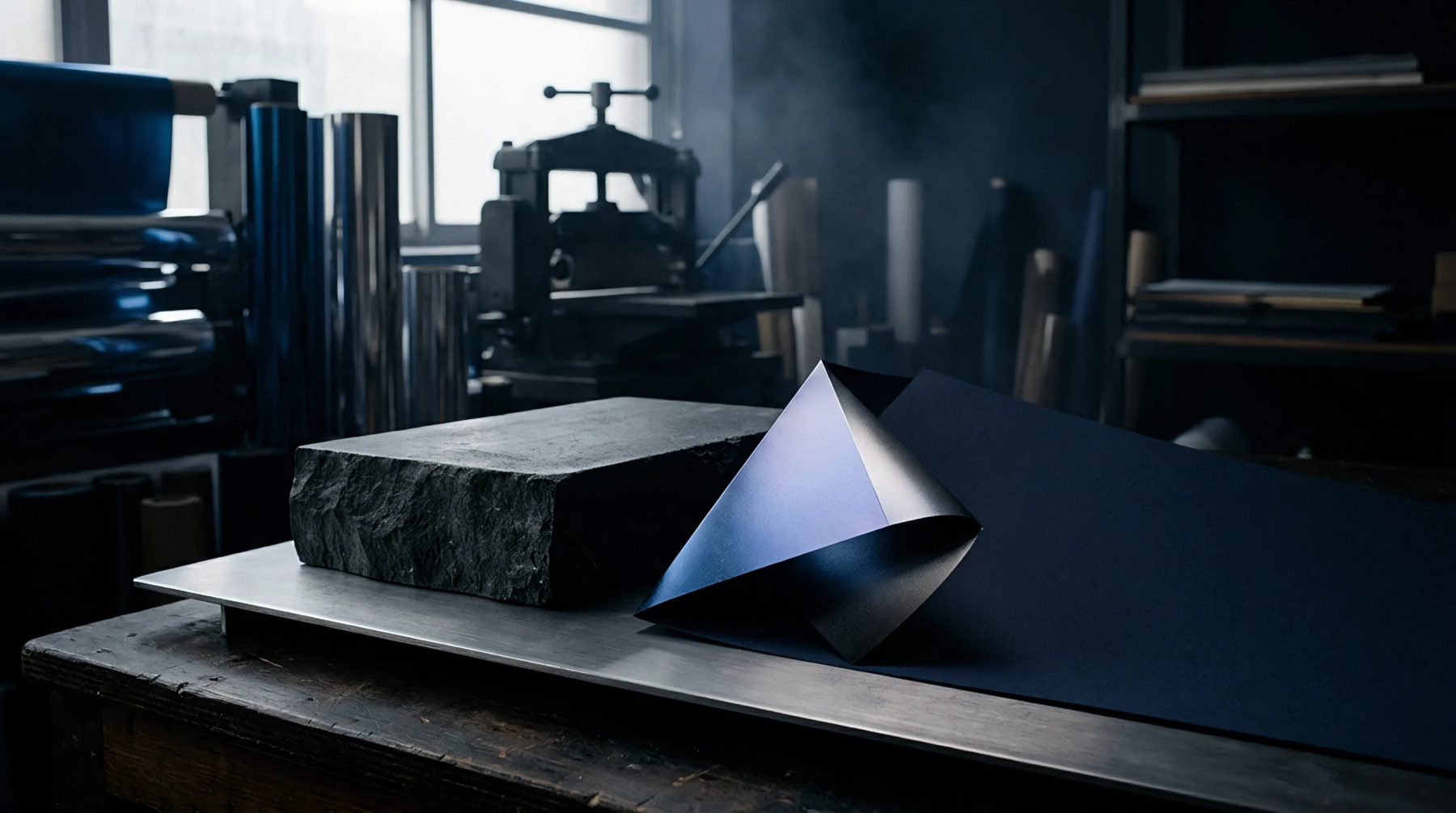
Interfacial shear delamination in dispersion-coated folding boxboards occurs when converting flexure stresses exceed polymer-fiber bond fracture energy.
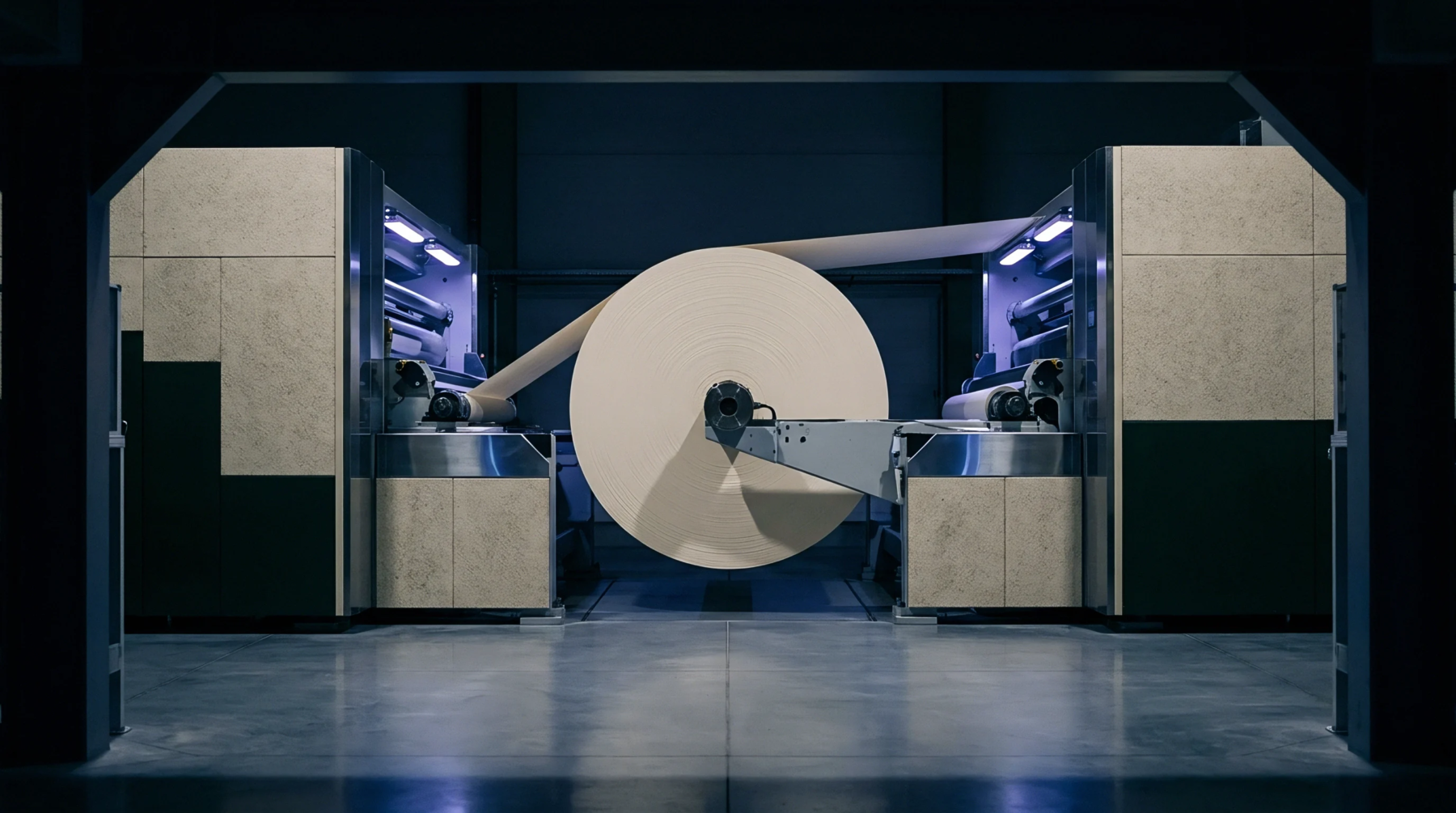
Die imposition layouts must align machine direction grain along the extraction vector to prevent dynamic bowing and vacuum shear during high-speed cartoning.
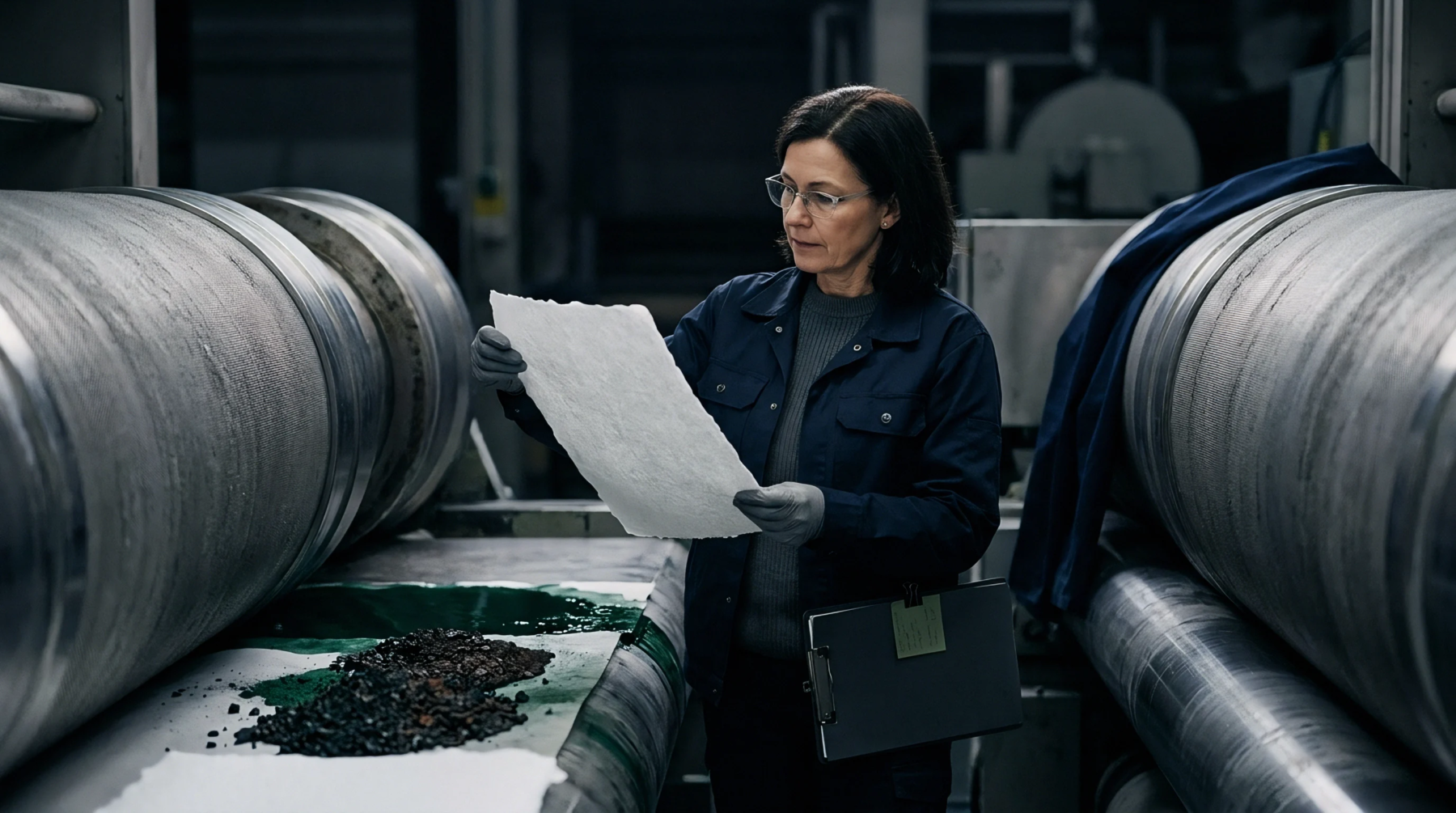
Recycled boxboard interlaminar shear thresholds decay non-linearly above 65% RH due to fiber hornification and starch matrix plasticization.
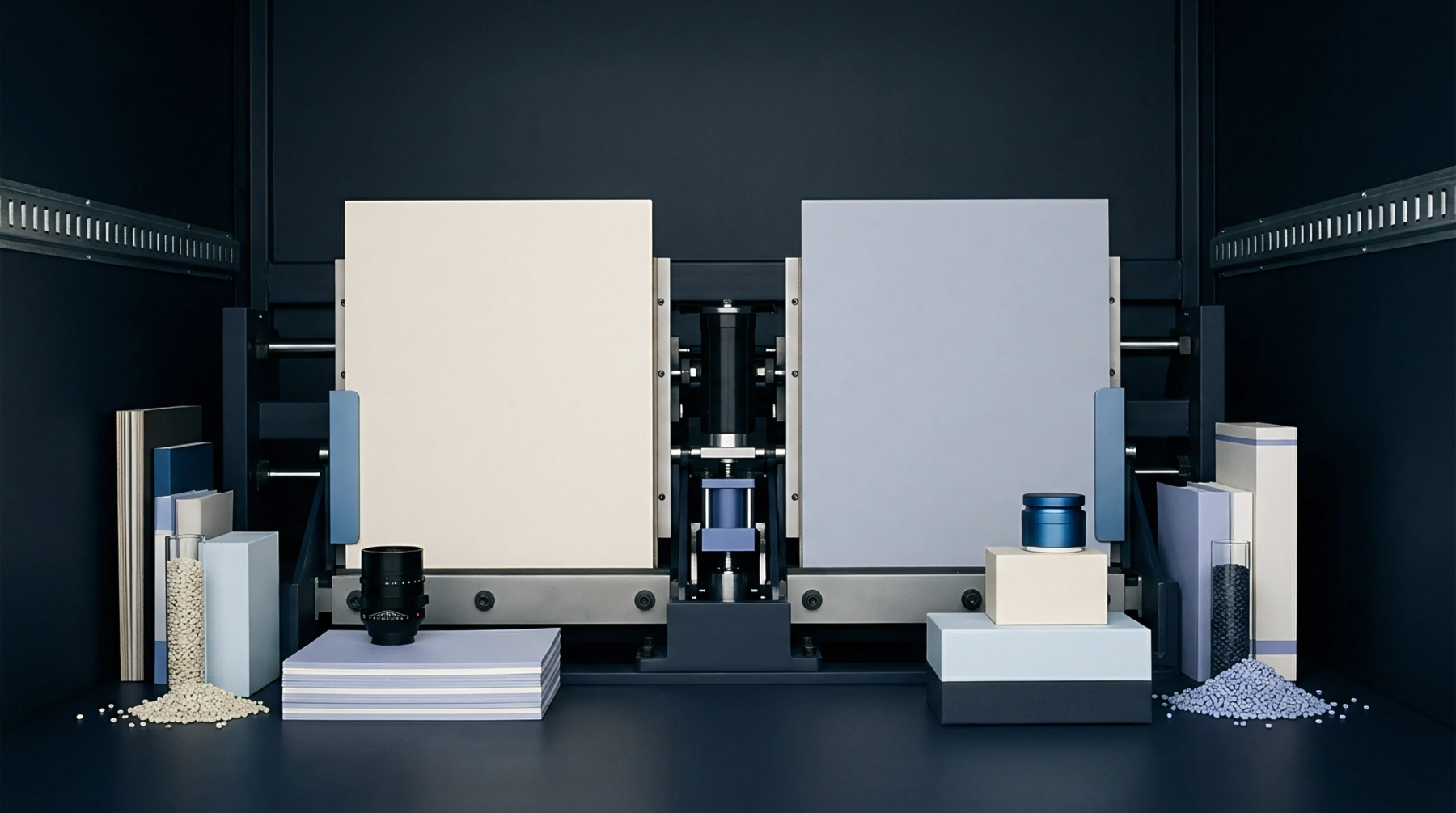
High strain shear during boxboard creasing causes polymer film micro fractures when local elongation exceeds film yield capacity along the outer bend radius.
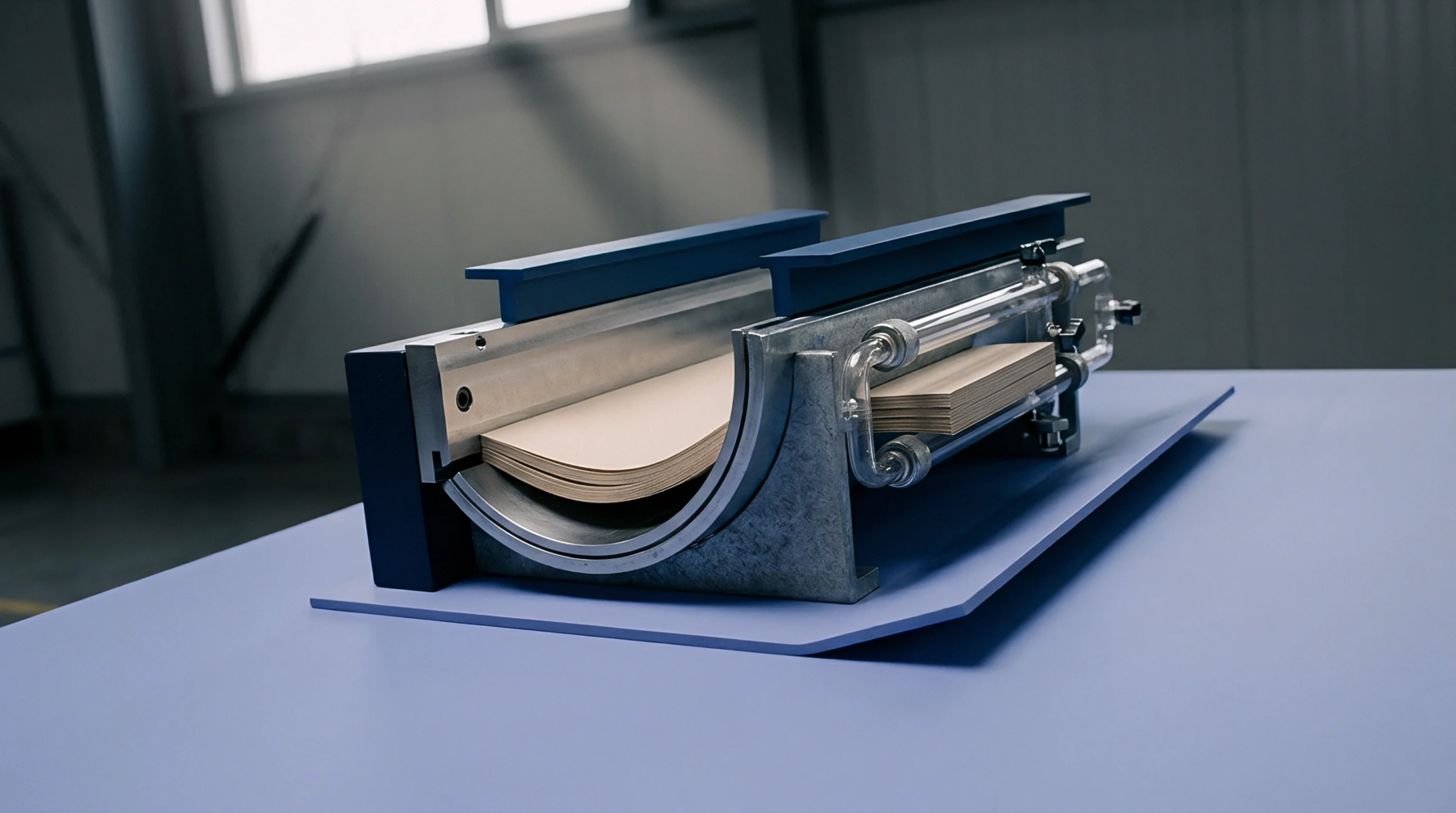
Imposition layouts that nest cartons across grain directions reduce parent sheet trim but induce bimodal stiffness variance and high-speed feeder jams.

Grammage and caliper specifications require ISO test method conditioning standards and tight bulk tolerance clauses to prevent converting line failures and yield losses.

Matt lamination cracks at the crease because silica matting inclusions reduce film elongation capacity, requiring expanded matrix channels to lower folding strain.
Expertise is a utility, not a secret. sentiention™ publishes its working knowledge as open reference: intelligence layer covering the materials it sources, the markets it enters, and the reference that serves both.