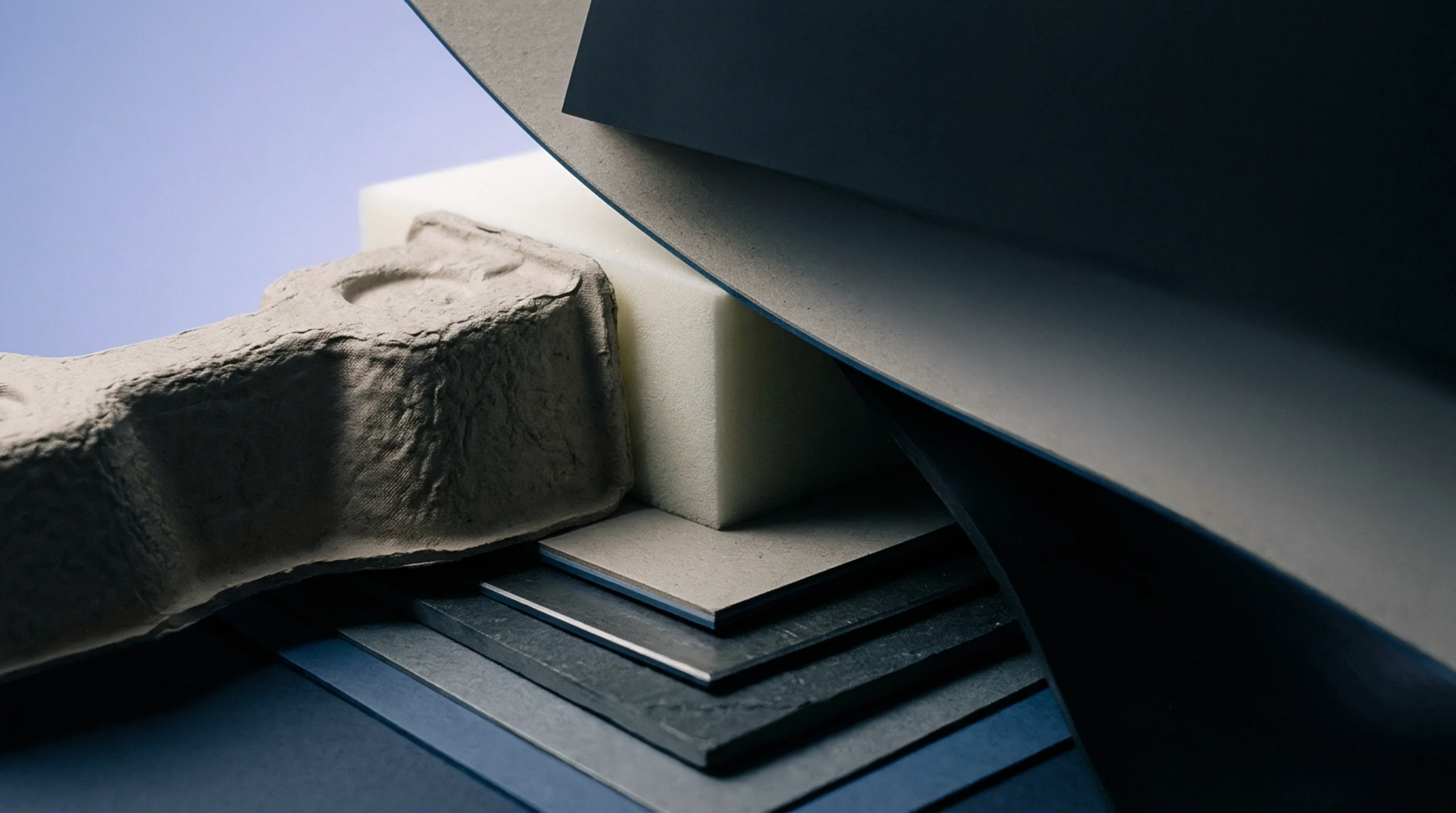
Channel Clearance Calculation for Multi-Layer Extruded Barrier Board Packaging
Calculate barrier board crease channels by adding rule thickness to caliper multiplied by 1.70 to 1.85 to clear displaced coextruded polymer skins.
Calculate barrier board crease channels by adding rule thickness to caliper multiplied by 1.70 to 1.85 to clear displaced coextruded polymer skins.
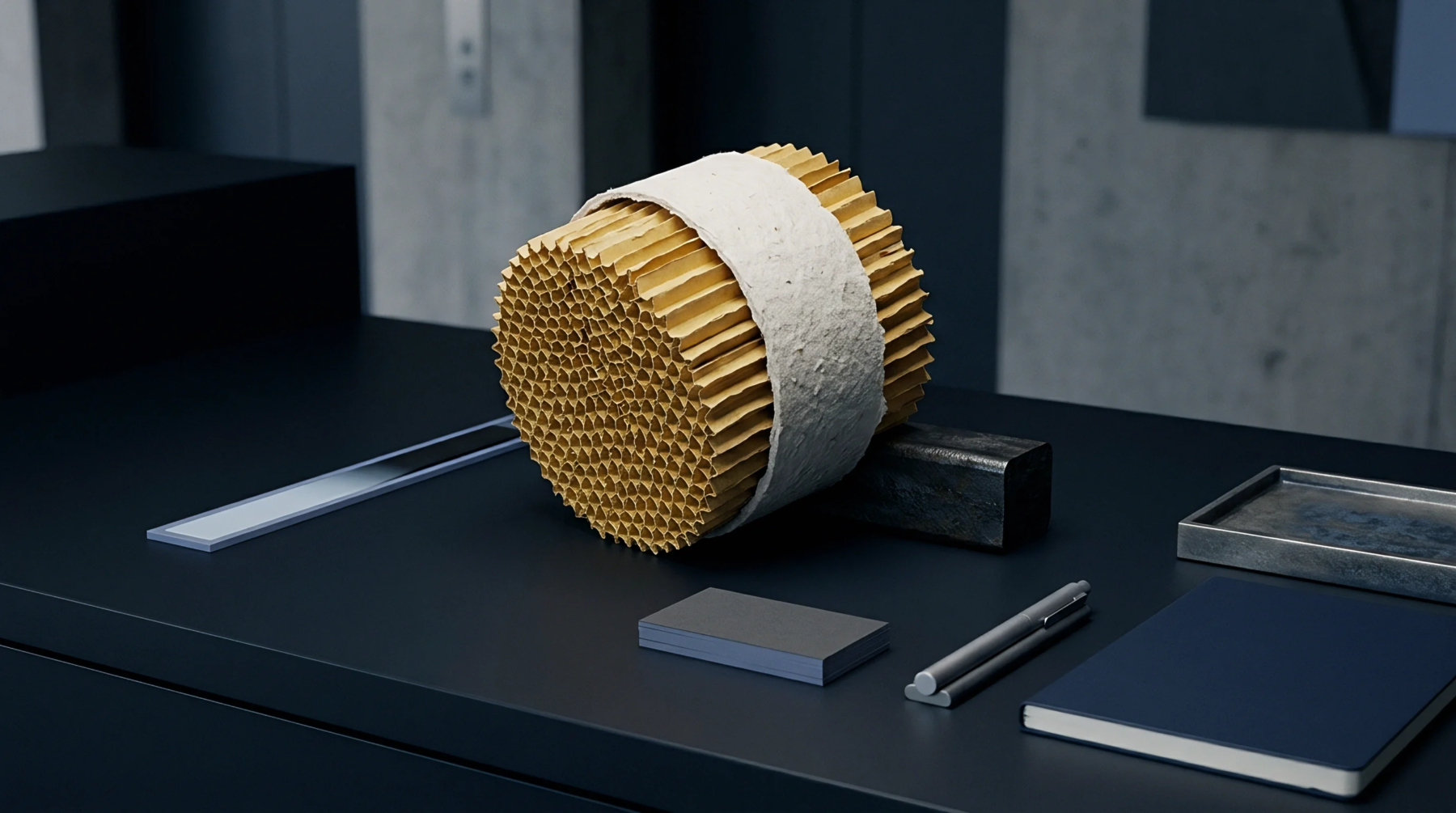
Evaluating microcrack formation and migrant leakage in creased packaging boards requires precise matrix sizing and migration testing to prevent structural seal failure.

Forcing internal z-directional shear delamination during creasing creates an internal hinge that relieves outer coat tensile strain when folding.
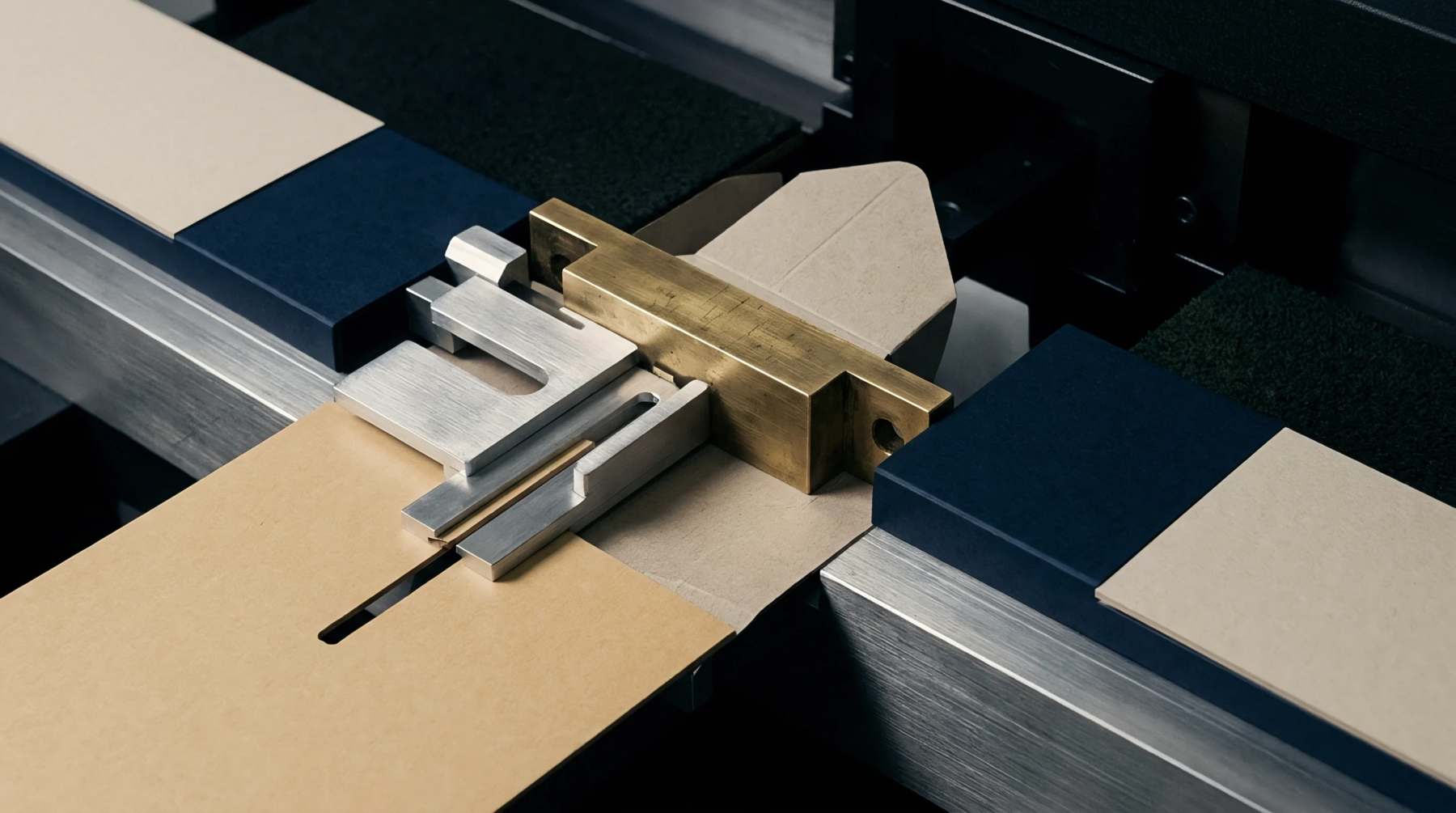
Match rule thickness to carton caliper using 2-point steel under 450 microns and 3-point above, sizing matrix width to rule plus 1.5 times caliper.

Cross direction bending resistance governs crease recovery force, requiring precise scoring die geometry to prevent carton springback during high-speed packing.

Calibrating matrix channel width for coated recycled board requires expanding the multiplier to 1.8 times board caliper plus rule thickness to stop liner splits.

Heavyweight folding boxboard requires matrix depth matching board caliper and channel width calculated at one point seven times caliper plus rule thickness.

Uncoated folding boxboard requires matrix channel width equal to creasing rule thickness plus 1.8 times caliper to prevent top liner cracking during folding.
Matte laminated boxboard demands channel width expansion of twelve to eighteen percent over raw stock formulas to absorb film strain and prevent score rupture.
Expertise is a utility, not a secret. sentiention™ publishes its working knowledge as open reference: intelligence layer covering the materials it sources, the markets it enters, and the reference that serves both.