
Standard Testing Methods for Paperboard Structural Integrity Assessment
Verify paperboard integrity by pairing short-span compression (ISO 9895) with bending stiffness (ISO 2493) to prevent carton jamming and stack failure.
Verify paperboard integrity by pairing short-span compression (ISO 9895) with bending stiffness (ISO 2493) to prevent carton jamming and stack failure.

Interfacial shear strength measures coating-to-fibre bond limits under pure planar stress to prevent score flaking and glue-flap failure in paperboard cartons.
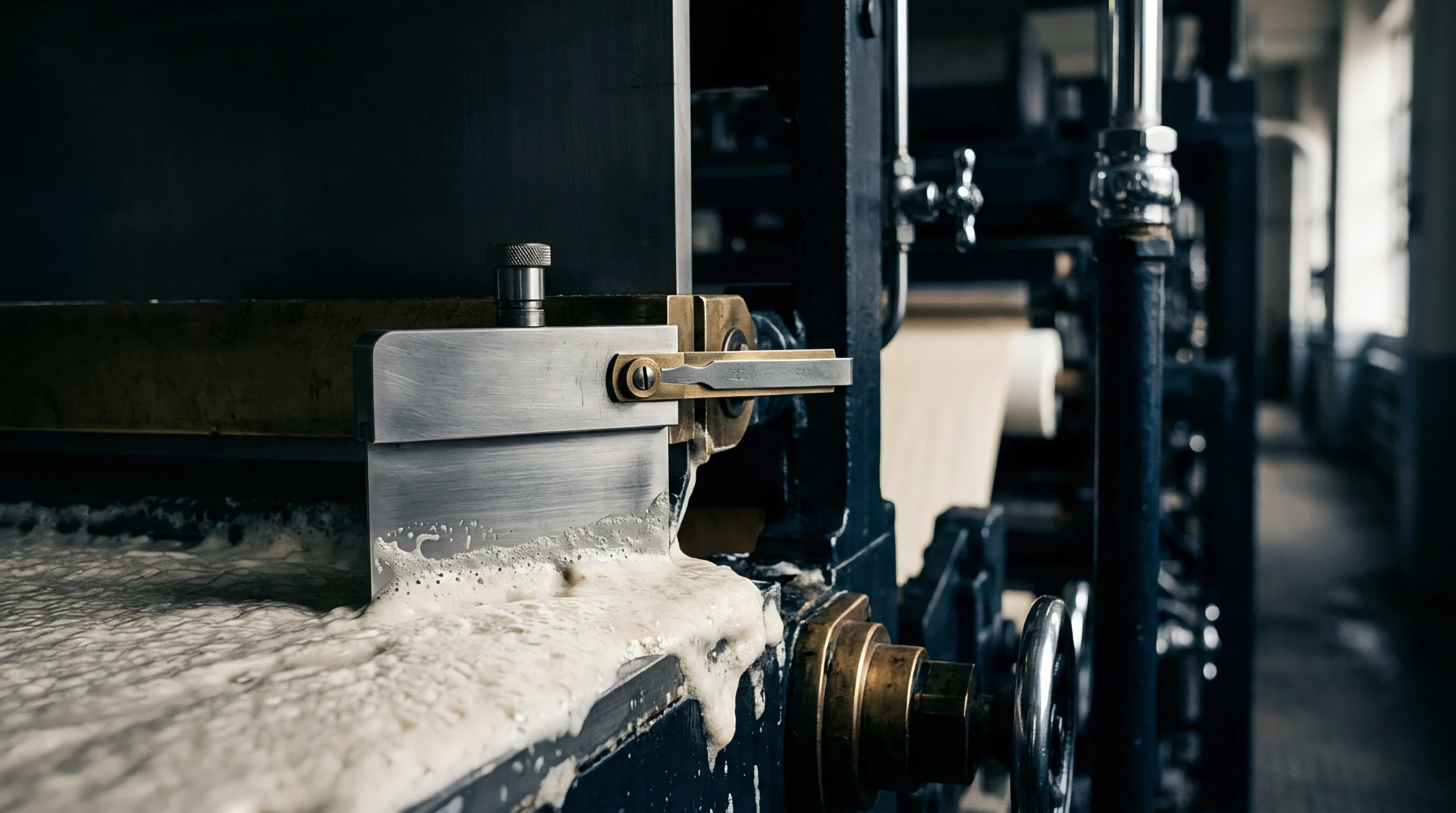
Heated soft-nip calendering closes sheet surface pores to control aqueous barrier holdout while preserving the bulk required for carton creasing.

Spectroscopic FTIR peak ratios and Klason lignin extraction reliably detect unannounced chemi-thermomechanical pulp substitutions in export carton shipments.

Controlled wet-end starch dosing between 6 and 9 kg/t maintains Scott bond at 180 to 240 J/m², preventing score cracking and delamination at high press speeds.

Mechano-sorptive cycling accelerates transverse delamination in recycled multi-ply board, collapsing stacked cartons when interlaminar shear exceeds ZD tensile bond.
Elevated humidity reduces Z-directional tensile limits by forty percent, demanding wider matrix channels and pressure-sensitive tape with high tack shear adhesive.

Shoe press peak hydraulic pressure must remain below wet web z-tensile limits to prevent core delamination in secondary fiber containerboard manufacturing.
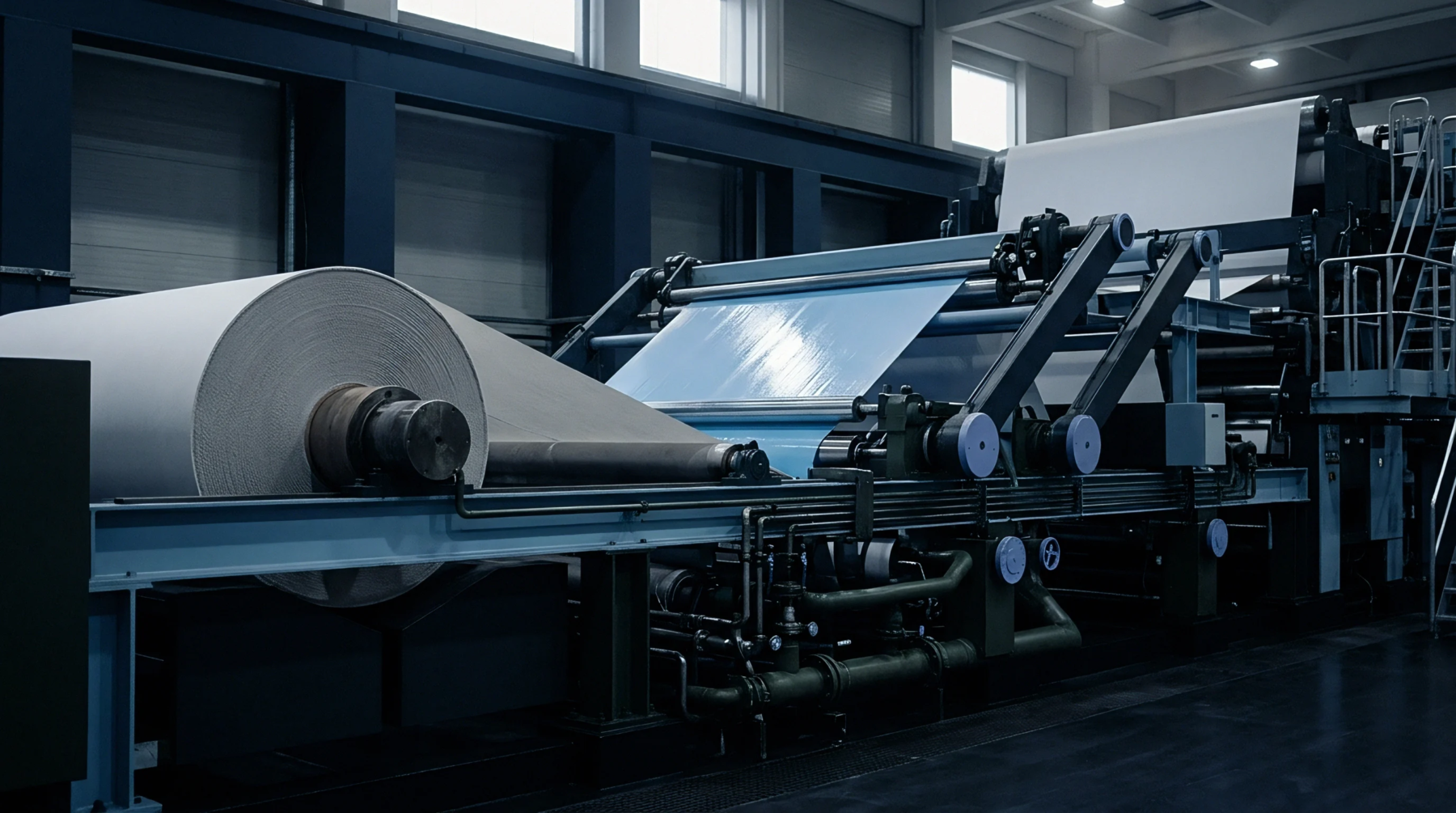
Dynamic moisture entry plasticizes paperboard core binders and depresses matrix glass transition, driving interlaminar delamination and pallet stack collapse.

Quantifying dynamic shear planes in recycled board requires high-rate impact testing to prevent score line splitting on high-speed converting lines.
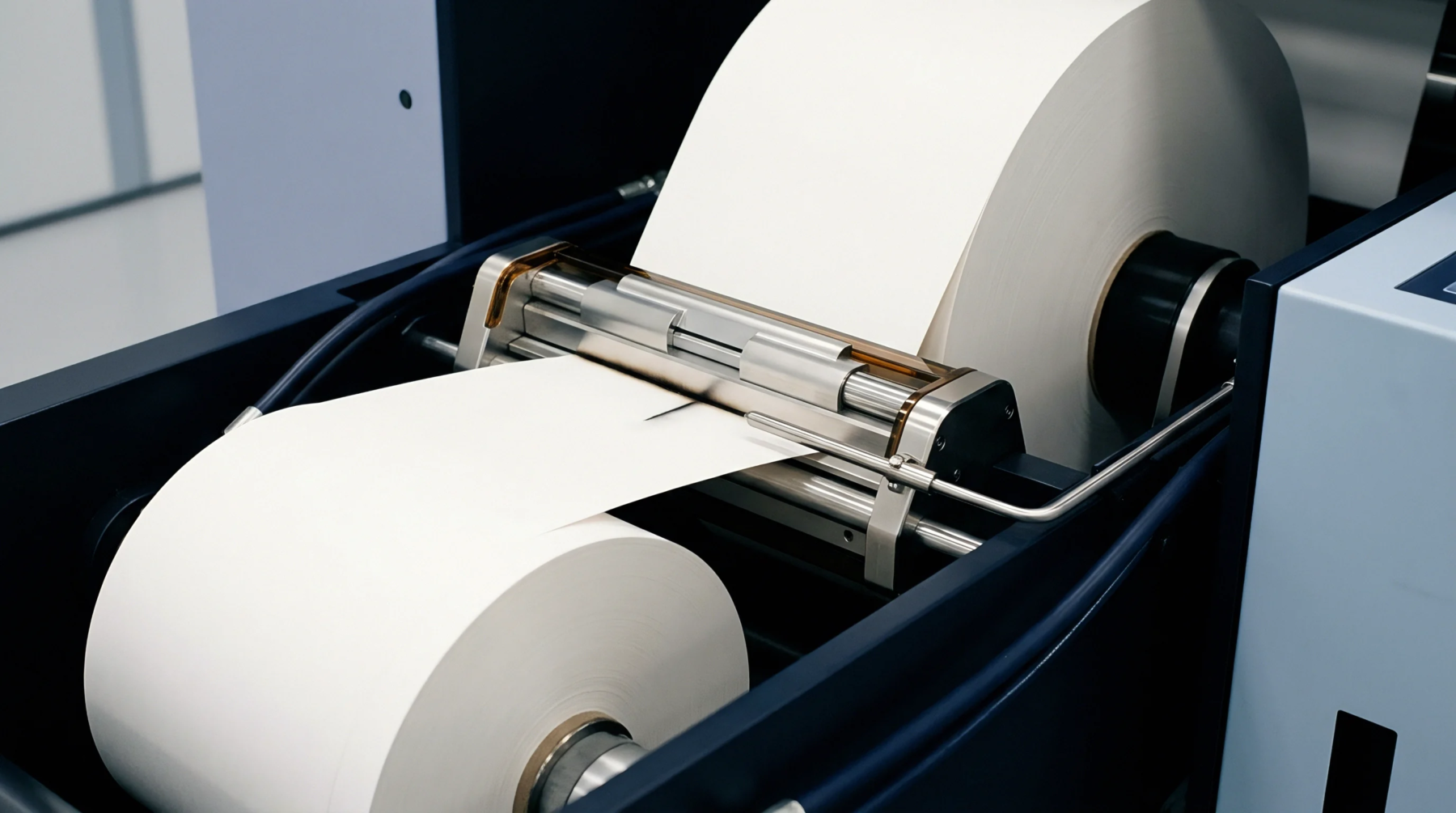
High-bulk BCTMP cores maintain boxboard bending stiffness during caliper downgauging while chemical wet-end additives prevent delamination under score creasing.

Paperboard physical property verification requires strict ISO 187 conditioning and standardized test methods to ensure compliance and prevent customs holds.

Uncoated folding boxboard requires matrix channel width equal to creasing rule thickness plus 1.8 times caliper to prevent top liner cracking during folding.

Inter-ply bond standards mandate TAPPI T 541 or ISO 16260 testing under strict ISO 187 conditioning to prevent converting delamination on recycled paperboard.

Dynamic delamination thresholds in recycled calipers dictate converted score integrity, requiring minimum inter-ply shear energy dissipation under high strain rates.
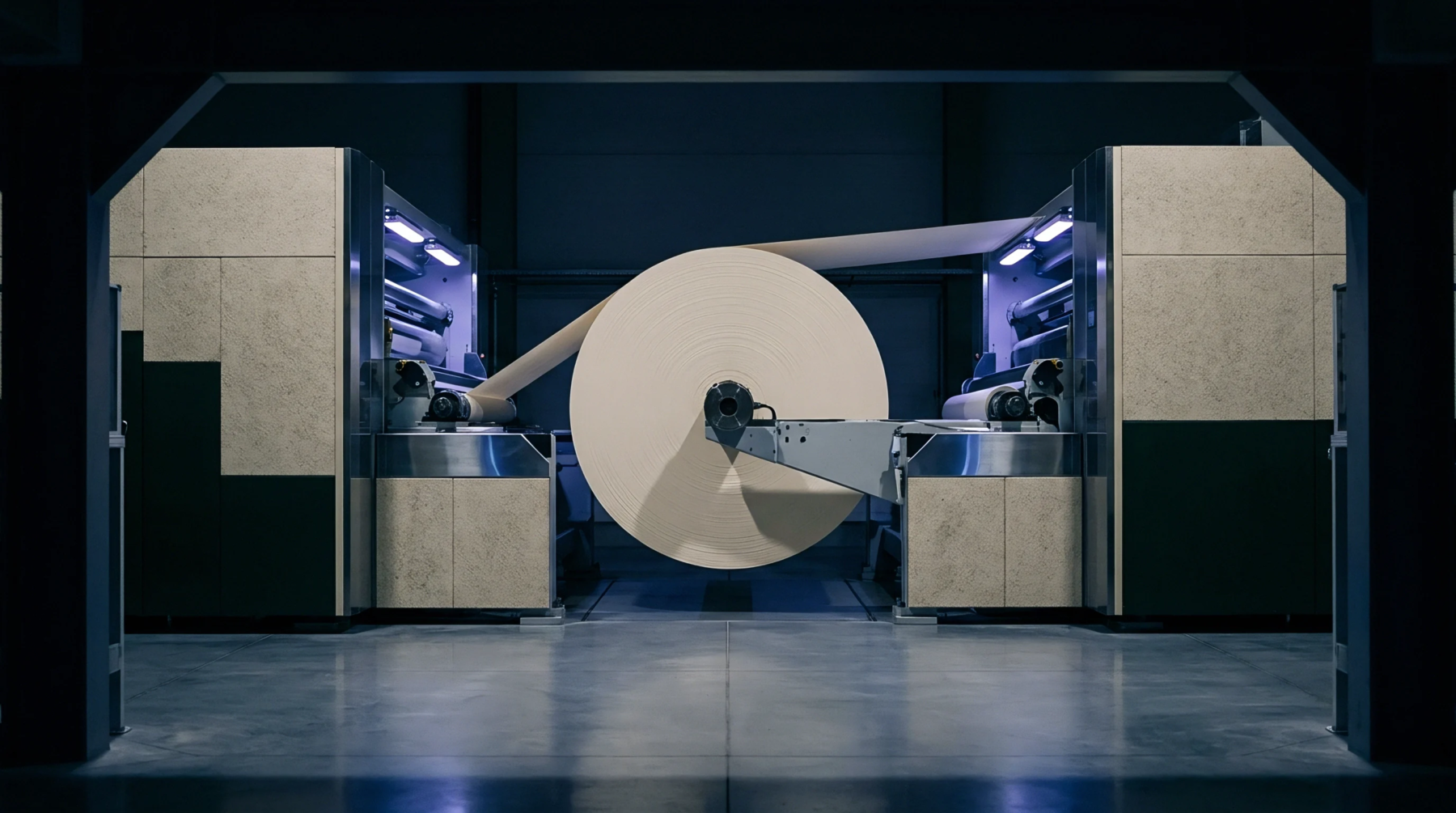
Die imposition layouts must align machine direction grain along the extraction vector to prevent dynamic bowing and vacuum shear during high-speed cartoning.

Optimizing shoe press peak pressure and wet-end couch solids maximizes inter-ply bond strength in multi-ply recycled fiber formations.

Virgin SBS provides superior print brightness, stiffness consistency, and crack-free scoring, whereas recycled board lowers initial cost but adds waste.
Expertise is a utility, not a secret. sentiention™ publishes its working knowledge as open reference: intelligence layer covering the materials it sources, the markets it enters, and the reference that serves both.