Grease Evaluation
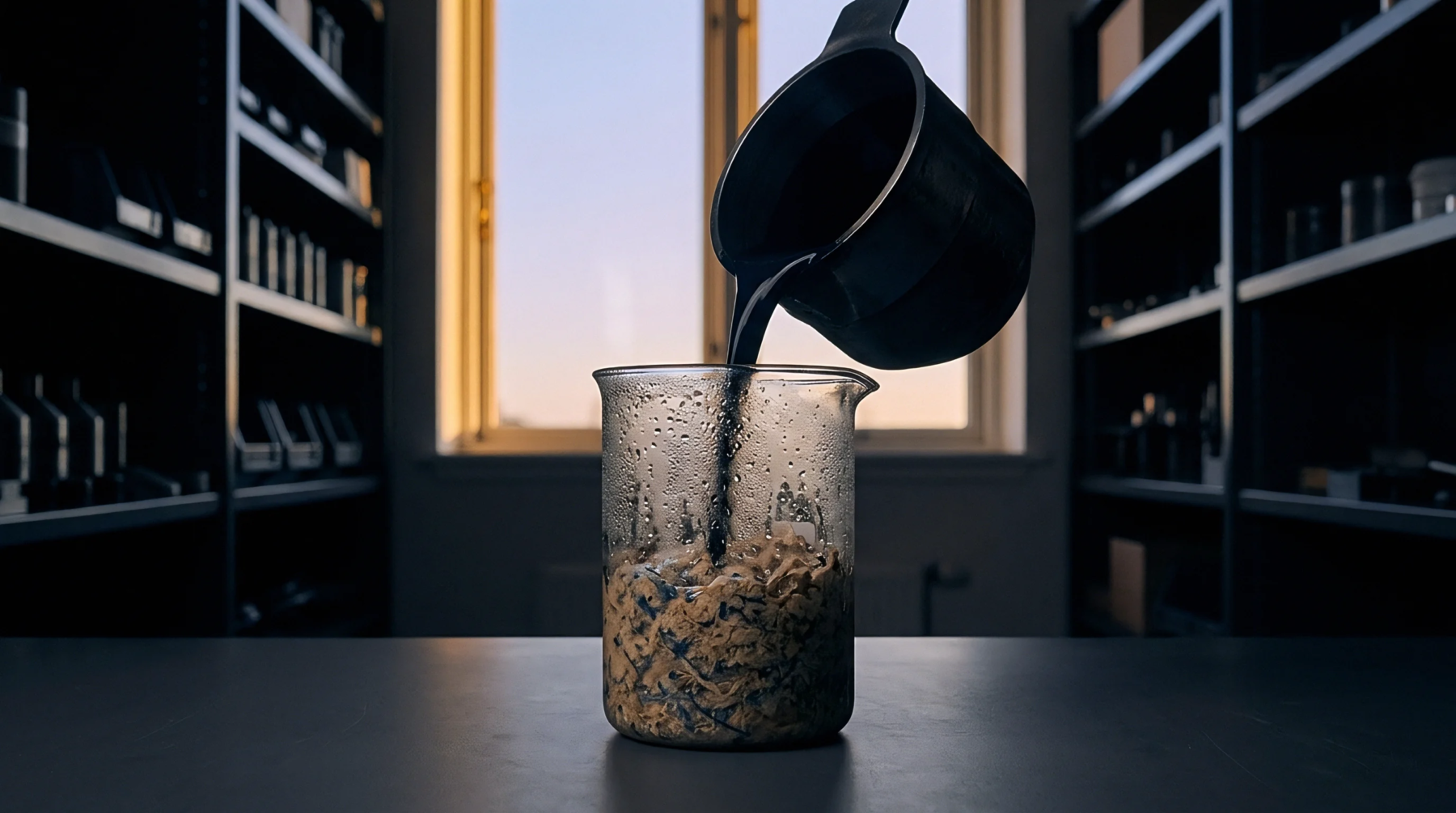
Standardized reagent challenge protocols evaluate the surface repellency of paper and paperboard substrates treated with greaseproof fluorochemicals or synthetic barrier coatings. Twelve prepared solutions consisting of varying volumetric proportions of castor oil, toluene and n-heptane are dropped consecutively onto the test specimen. The tappi t559 kit test rates grease resistance based on the highest-numbered solution that rests on the surface for fifteen seconds without darkening or penetrating the substrate.
Lower kit numbers rely primarily on viscous castor oil, while higher numbers feature elevated proportions of aggressive hydrocarbon solvents that quickly wet out untreated cellulose. The test detects superficial surface tension phenomena and does not quantify long-term fat migration through the packaging matrix.
Chemical Formulation
Reagent aggressiveness scales directly with descending surface tension values as heptane concentrations increase across mixtures one through twelve. Drops are released from specified heights onto flat, uncreased board specimens under controlled ambient conditions. The tester cleans each liquid pool after the fifteen-second exposure window to examine the contact area for dark staining, indicating fluid penetration.
Failure occurs whenever the solvent blend wets the fiber network, indicating that the chemical surface energy is higher than the surface tension of the applied liquid drop. Creased testing exposes underlying pinholes and micro-cracks that flat sheet evaluations fail to expose.
Barrier Applications
Food contact containers, pet food packaging and fast-food wrappers mandate specific minimum kit levels to ensure oils do not soak through during transit or display. Aqueous dispersion barriers often produce moderate kit test numbers while delivering continuous resistance to hot oil in actual food service scenarios. When non-fluorinated barrier coatings replace perfluoroalkyl substances, surface energy interactions change fundamentally, occasionally making solvent-based kit testing poor predictors of actual lipid holdout.
This protocol remains an agile mill-floor quality check for fluorochemical surface additions.