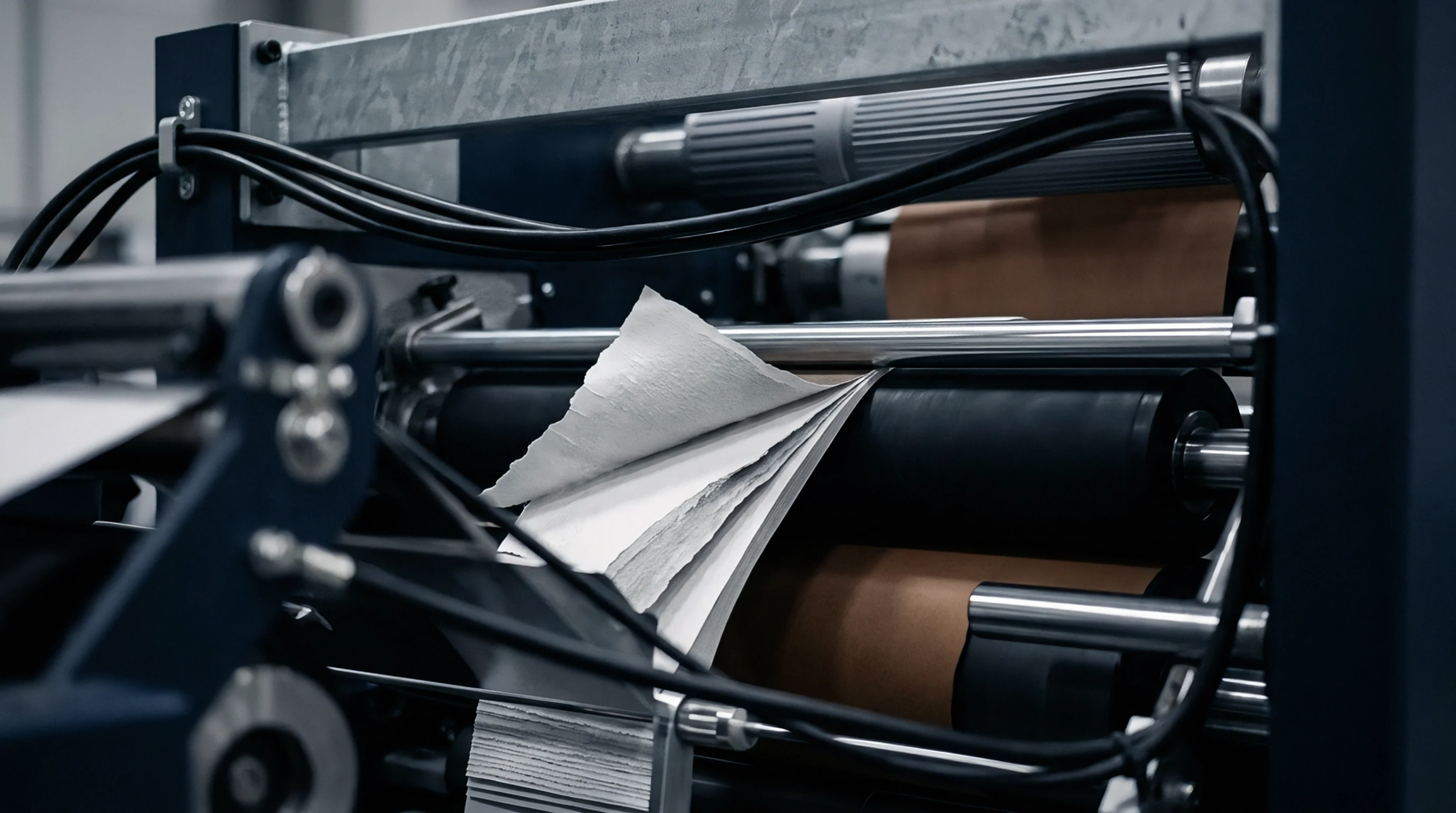
Topographic Friction
Physical texture properties determine how a substrate interacts with inks, adhesives and other surfaces. The surface roughness is a measure of the microscopic irregularities on the face of a sheet of paper or board. This value influences the gloss of the finished print and the strength of any bond applied to the material.
Measurement Scale
Technical evaluation of this property is usually performed using air-leak methods or laser-based scanning devices. A low value for surface roughness means the paper is smooth, which allows for a uniform layer of ink and a high-quality image. In contrast, a rough surface has many peaks and valleys that can trap air and prevent the ink from spreading evenly.
This can lead to a mottled appearance in solid areas of color. Mills control the texture by pressing the paper between hot metal rollers in a process called calendering. The amount of pressure and heat used during this step determines the final smoothness of the grade.
Rougher papers are sometimes preferred for high-speed folding because they provide more friction for the machine to grab.
Ink Interaction
Absorbency and ink holdout are both affected by the arrangement of the fibres at the surface. Since surface roughness impacts the final look of the product, it is a key specification on every technical data sheet. Printers use these figures to decide how much ink to apply to a specific job.