Polyurethane Tactile Film Surface Chemistry and Abrasion Dynamics
Polyurethane tactile films trade high material costs for self-healing elastomeric scuff resistance, requiring precise thermal nip control and high dyne levels.
Polymers
Polyurethane Backbone Architecture and Soft-Touch Tactility Mechanics
Extruded polyurethane tactile films rely on a phase-separated segmented copolymer structure to achieve a soft, low-gloss feel without sacrificing elastic recovery. The polymer combines hard segments derived from aromatic or aliphatic diisocyanates with soft segments formed from long-chain polyester, polyether, or polycarbonate polyols. Diisocyanates such as diphenylmethane diisocyanate or hexamethylene diisocyanate react with short-chain diol extenders, aggregating into crystalline microdomains through dense hydrogen bonding.
The polyol soft segments form an amorphous matrix that stays flexible well below room temperature. This phase separation gives the film the viscoelastic baseline required for a soft-touch feel.
Tactility depends on how the surface micro-texture deforms under a fingertip. Low-modulus surface features yield under light touch, expanding the actual contact area between skin ridges and the film, where tactile friction balances adhesive forces against hysteresis losses. Polycarbonate polyols offer superior hydrolytic stability compared to polyester polyols, while polyether backbones maximize soft-segment mobility.
Controlling this contact area under low loads allows micro-phase segregation to set the tactile friction response. Adjusting the soft-to-hard segment ratio tunes the surface modulus directly, eliminating the need for liquid plasticizers that could bloom to the surface during storage.
Polyurethane soft-touch films with a glass transition temperature below minus twenty degrees Celsius maintain elastic recovery under high shear loads during converting.
Crosslink density determines whether the surface deforms permanently under pressure or springs back. Formulations based on linear aliphatic polyurethanes resist UV degradation, preventing yellowing over bright white board grades. Adding multifunctional acrylate monomers or polyfunctional aziridine crosslinkers to waterborne or solvent-borne polyurethane dispersions forms a dense three-dimensional network.
This crosslinked matrix limits chain segment slippage under sustained shear, maintaining a matte surface through repeated handling.
Surface Chemistry, Hydrogen Bonding, and Dynamic Mechanical Properties
The surface free energy of a polyurethane film depends heavily on polar functional groups in its top atomic layers. Carbamate ester linkages, hydrogen-bonding urea groups, and ether oxygen atoms raise the polar energy contribution. Unmodified polyurethanes typically range between 38 and 46 mN/m in total surface energy, with polar components accounting for 12 to 18 mN/m.
This high polar energy creates strong intermolecular attraction, increasing static friction against smooth contact surfaces. Modifying the backbone with hydrophobic siloxane blocks or fluorinated side chains lowers total surface energy to 22 mN/m, cutting tackiness without compromising the soft feel.
Dynamic mechanical thermal analysis tracks how these domains transition across temperature ranges. Storage modulus values fall sharply through the soft segment’s glass transition region, while loss tangent peaks indicate how effectively the material dissipates internal energy. Because soft films yield easily to touch, high damping capacity absorbs shear during rubbing actions, protecting underlying print layers from stress transfer.
Under high humidity, hydrolytic degradation cleaves ester bonds in polyester-based backbones, reducing molecular weight and shifting response toward permanent plastic deformation.
| Film Chemistry Type | Soft Segment Tg (°C) | Surface Free Energy (mN/m) | Elastic Modulus (MPa) | Crosslink Density (10⁴ mol/cm³) |
|---|---|---|---|---|
| Aliphatic Polycarbonate PU | -35 | 32.4 | 14.2 | 8.6 |
| Aromatic Polyester PU | -18 | 42.1 | 28.5 | 3.1 |
| BOPP Matte Soft-Touch | -10 | 28.0 | 1850.0 | 0.0 |
| UV-Cured Matte Acrylic | 45 | 36.5 | 620.0 | 14.8 |
Viscoelastic behavior also influences how embedded matting agents behave under load. Inorganic particles such as synthetic precipitated or fumed silica create a micro-rough surface that scatters light. Where these particles extend above the polyurethane skin, gloss drops as low as 1.5 gloss units at an 85-degree measurement angle.
Wax coatings on the silica prevent particle agglomeration during extrusion, whereas uncoated grains concentrate stress in the surrounding polyol matrix, initiating micro-cracks under localized shear.
Polymer backbone crosslinking dictates how well this matte micro-texture holds up under heat and pressure. Testing polyurethane tactile films on converter drawdowns helps evaluate hydrogen bonding stability across varied thermal histories. Heat during lamination relaxes uncrosslinked polymer chains, allowing nip pressures above 4 bar to flatten surface features.
Crosslinked aliphatic formulations, by contrast, withstand temperatures up to 140 degrees Celsius without softening, preserving their micro-geometry through hot foil stamping. Chemical crosslinks serve as structural anchors that restore deformed surface structures once mechanical pressure is removed.
Identifying the exact soft-segment chain length where mechanical recovery fails to balance adhesive drag under friction requires mapping the material’s rheological behavior directly under shear.
Scuff
Mechanisms of Mechanical Wear and Shear Stress Distribution
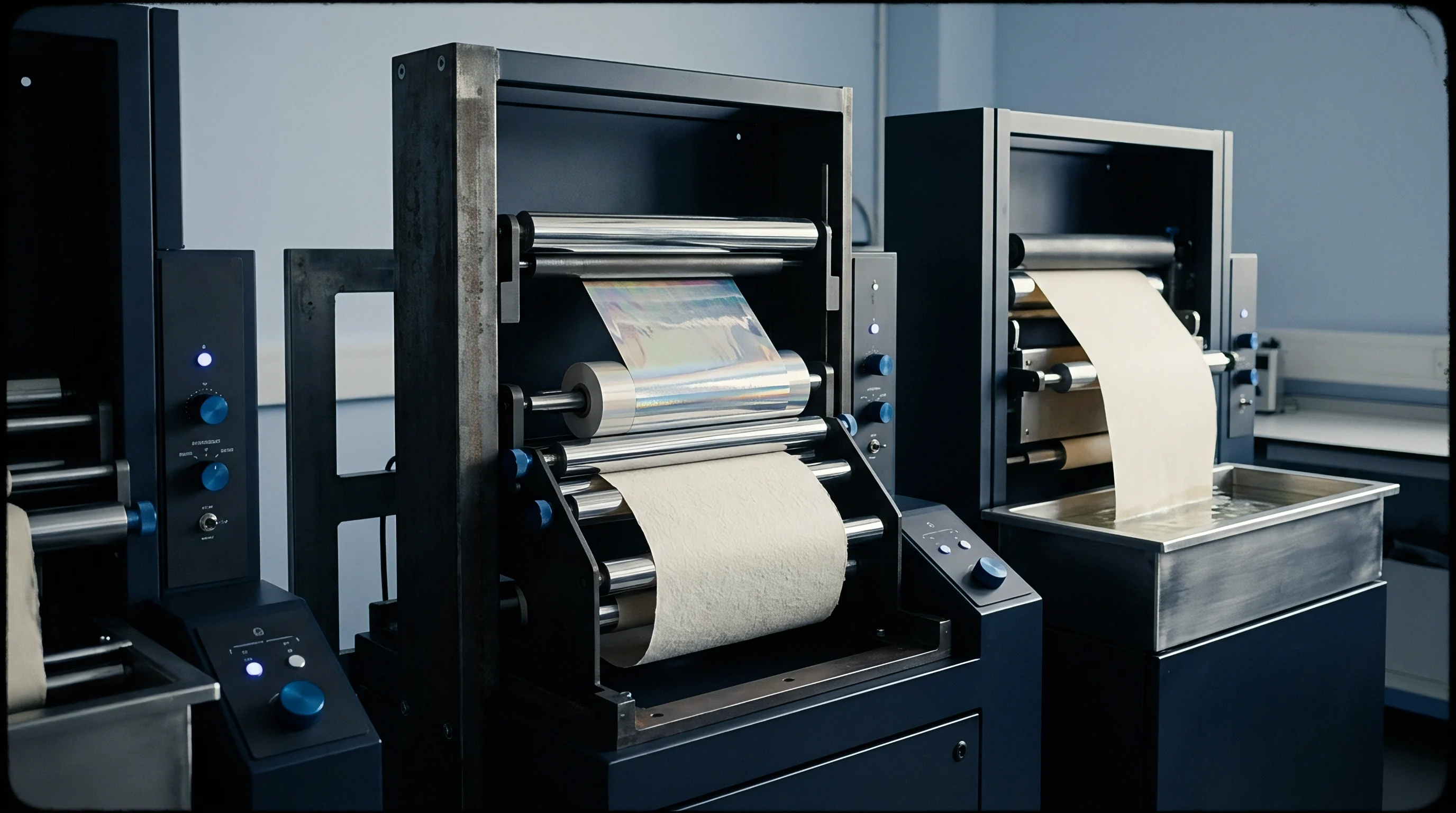
Surface abrasion on tactile films manifests in different ways depending on contact stress, sliding speed, and film compliance. Sliding contact generates localized traction forces that deform the soft surface layer. Abrasive wear occurs when hard asperities on opposing surfaces plow channels into the polymer matrix.
Adhesive wear develops when intermolecular attraction binds the polyurethane to an opposing surface, pulling material away during relative movement. Fatigue wear arises from repeated pressure cycles, initiating subsurface micro-cracks that eventually reach the surface during extended transit.
Shear stress peaks just below the contact interface. Low-modulus tactile films distribute normal loads over a broader contact patch, reducing peak contact pressure. The high friction inherent to soft surfaces, however, increases tangential shear stress during scuffing.
These forces break interchain bonds, while micro-ploughing by surface asperities leaves debris trails that scatter light and ruin specular gloss. If frictional heating raises temperatures above the local relaxation point, polymer chains at the surface align in the direction of drag.
At high packaging line speeds, localized friction in small contact areas can raise temperatures by 25 to 60 degrees Celsius. These thermal spikes soften thermoplastic matrix domains, making the film vulnerable to displacement under sliding shoes or guides. Continuous sliding can also dislodge silica matting particles from the polymer matrix, leaving smooth, reflective craters.
On dark print runs, these polished areas appear as glossy streaks that degrade visual appearance across package panels.
Surface Wear Failure Modes on Convertible Polyurethane Web Substrates
Tracking film scuff performance across production shifts highlights the operating conditions that convert minor surface wear into carton rejections. On film-laminated folding carton lines, four primary mechanical failure modes occur during transport and handling:
- Micro-scratching occurs when fine particulate contaminants become trapped between sliding carton surfaces, cutting narrow grooves into the soft polyurethane top layer without cutting through to the board substrate.
- Matting particle pull-out happens when strong tangential shear breaks the mechanical bond between silica matting grains and the surrounding polyurethane matrix, leaving smooth, burnished tracks.
- Adhesive transfer tearing develops when high local surface energy creates localized cold welds with opposing uncoated paperboard surfaces, tearing chunks of polyurethane material out of the web interface.
- Subsurface crazing initiates under heavy localized impact loading, where tensile stresses behind a moving contact point create micro-voids that scatter light and make clear tactile films look opaque.
Abrasion resistance depends heavily on elastic recovery within the polymer matrix. High elasticity allows the surface skin to compress under passing asperities and rebound without permanent deformation. Thermoplastic polyurethane films without chemical crosslinks undergo plastic deformation under normal stresses as low as 0.5 MPa.
Thermosetting polyurethane dispersions incorporate polyfunctional monomers that lock polymer chains in position during sliding contact, preserving surface micro-roughness once mechanical stress lifts.
Silicone additives reduce dynamic friction coefficients, lowering tangential shear forces. Polyether-modified siloxanes migrate toward the surface during processing, orienting siloxane blocks toward the air interface. High surface siloxane concentrations drop dynamic friction coefficients from 0.65 to 0.22, helping opposing surfaces slide smoothly and preventing abrasive wear.
Excessive siloxane migration, however, impairs secondary lamination adhesion, hot foil stamping, and water-based gluing along carton flaps.
For converting lines processing soft-touch polyurethane webs, surface modifications that reduce the dynamic coefficient of friction below zero point two five protect the matte finish from scuffing, provided surface energy remains at or above thirty-eight dynes.
Lamination

Thermal and Wet Laminating Processes for Polyurethane Tactile Films
Laminating polyurethane tactile films onto printed paper and cartonboard requires tight control over interface temperature, line speed, and nip pressure. Thermal lamination uses pre-coated film carrying heat-activated ethylene-vinyl acetate or aliphatic polyurethane hot-melt adhesive layers. Heated rollers transfer thermal energy through the film to melt crystalline adhesive domains between 95 and 125 degrees Celsius, while nip pressures of 3.5 to 6.0 MPa force the molten adhesive into the porous fiber matrix of the paperboard sheet.
Wet lamination applies liquid water-based or solventless polyurethane adhesives directly to the film or substrate before joining. Waterborne polyurethane dispersions pass through drying tunnels to remove moisture prior to the laminating nip. Oven temperatures require careful regulation to clear water without triggering premature crosslinking in two-part systems.
Residual moisture at the interface reacts with unreacted isocyanate groups, releasing carbon dioxide gas that creates micro-foaming defects under the matte surface.
Measuring surface tension with dyne pens across three lamination zones verifies wet-out consistency before applying heat. Flame treatment or high-frequency corona discharge increases the surface energy of untreated polyurethane films by introducing oxygen-containing functional groups such as hydroxyl, carbonyl, and carboxyl moieties. Corona treatment levels must reach at least 42 mN/m to ensure uniform wetting by waterborne adhesives.
Because soft polyurethane films containing mobile slip additives suffer rapid corona decay, online treatment is required immediately before adhesive application.
Why Does Wet Bond Surface Energy Drift over Time?
Surface energy measured immediately after corona treatment declines over time as low molecular weight compounds migrate to the surface. Mobile additives, such as fatty acid amides and unbound silicone slip agents, move toward high-energy surface regions to reduce overall surface free energy. Heat from laminating rollers accelerates this migration, while storing treated rolls above 30 degrees Celsius speeds up dyne decay, dropping surface energy from 44 mN/m down to 34 mN/m within forty-eight hours.
Adhesion failure along printed ink boundaries stems from surface energy mismatches between oxidized ink films and laminating adhesives. Offset inks formulated with vegetable oils or alkyd resins form non-polar surface layers as they dry. Solvent-borne polyurethane adhesives with low molecular weight functional groups penetrate semi-dried ink films, creating interpenetrating networks upon cure.
UV-cured inks present high crosslink density and smooth surfaces, requiring specialized reactive polyether polyurethane adhesives with acrylic promoters to achieve strong interfacial bonding.
To establish baseline operating parameters for thermal lamination bring-up sequences, follow this standard procedure:
- Verify web tension control settings across the unwinding section to hold film stretch under 0.5 percent total elongation.
- Heat the primary laminating steel cylinder to 105 degrees Celsius and allow thermal equilibrium to stabilize across the full face width.
- Adjust pneumatic nip pressure regulators to deliver 4.2 bar force evenly across both operator and drive side journal bearings.
- Corona treat the non-tactile side of the incoming polyurethane web to achieve a minimum certified surface energy of 40 mN/m.
- Run the printed board sheets through the nip zone at 45 meters per minute while measuring exit sheet flat curl.
- Store laminated sheets under controlled atmosphere at 23 degrees Celsius and 50 percent relative humidity for 24 hours prior to die-cutting.
Unbalanced web tension during film application creates mechanical stress differentials between the film skin and board fibers, causing carton panels to curl after die-cutting and disrupting folder-gluer feeding.
Scratch
Standardized Abrasion Test Procedures and Surface Damage Quantification
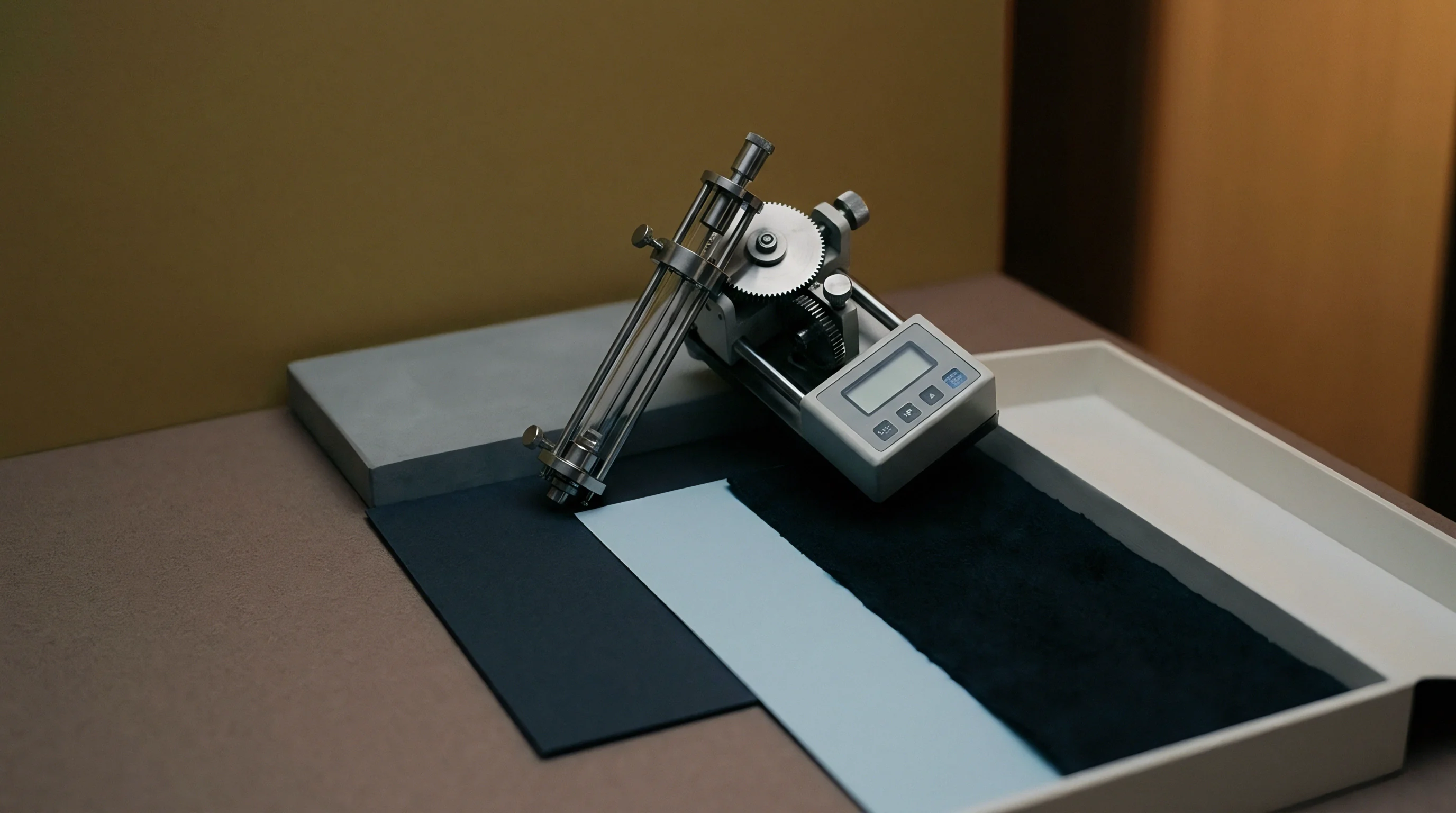
Quantifying scuff and scratch resistance requires standardized test methods that isolate surface wear mechanisms under controlled environmental conditions. Laboratory testing follows ISO 187 conditioning, maintaining test specimens at 23 degrees Celsius and 50 percent relative humidity for 24 hours before evaluation. Fluctuations in temperature and humidity alter polymer viscoelasticity, making unconditioned friction measurements unreliable.
Standardized protocols apply specific normal forces through defined contact geometries to simulate converting, transit, and consumer handling.
Taber Rotary Abraser testing per ASTM D1044 or ISO 5470-1 uses rotating abrasive wheels to generate multi-directional frictional wear. CS-10 or CS-10F rubber-based wheels loaded with 250g or 500g mass simulate handling friction without tearing soft film layers. Optical degradation measurements track changes in specular gloss per ASTM D523 at 60-degree and 85-degree angles, or total light transmittance and haze changes per ASTM D1003.
Surface wear resistance is quantified by measuring matte loss after 100, 250, and 500 abrasion cycles.
The Sutherland Rub Tester governed by ASTM D5246 applies reciprocating arc motion using loaded weights faced with dry receptors, wet receptors, or printed paperboard. This test evaluates film resistance to ink transfer and scuff burnishing under contact loads of 2 to 4 pounds. Reciprocating stroke speed dictates frictional heating at the interface; fast stroke rates generate localized heat that softens thermoplastic polyurethane surfaces, triggering micro-tearing that does not occur during low-speed transit vibration.
Applying a four-pound Sutherland receptor weight over an un-crosslinked polyurethane film surface for five hundred cycles causes a 12-unit increase in 85-degree specular gloss due to silica matting displacement.
Advanced scratch testing uses instrumented micro-scratch systems following ISO 1518-1 or ASTM G171. A rounded diamond stylus or spherical tungsten carbide indenter moves across the surface under constant or progressively increasing normal forces from 0.1 N to 20 N. Acoustic emission sensors and load cells track critical load thresholds where micro-cracking, plastic deformation, and film delamination occur. Displacement depth profiles record real-time penetration depth during loading alongside residual scratch depth remaining after elastic recovery.
| Test Standard | Contact Geometry | Applied Load Range | Measured Performance Parameter | Typical Polyurethane Failure Limit |
|---|---|---|---|---|
| ASTM D5264 Sutherland | Faced Block Receptor | 8.9 N to 17.8 N | Delta Gloss / Ink Transfer | > 2.5 Gloss Unit Δ at 85° |
| ISO 5470-1 Taber CS-10F | Dual Abrasive Wheels | 2.45 N to 4.90 N | Mass Loss / Haze Increase | > 15 mg mass loss per 500 revs |
| ISO 1518-1 Scratch Stylus | 1.0 mm Spherical Tungsten | 1.0 N to 20.0 N | Critical Penetration Force | < 4.5 N film penetration |
| ASTM D3363 Pencil Hardness | Calibrated Lead Core | 7.35 N constant | Surface Gouge Threshold | Soft: HB / Hardened: 2H |
Force Metrics, Penetration Depths, and Micro-Scratch Recovery
Mechanical damage in tactile films begins when normal contact stress exceeds the elastic yield limit of the polyurethane matrix. Initial contact causes elastic deformation, with polymer chains extending under load and recovering upon release. Exceeding the critical yield stress shifts deformation into plastic flow, carving permanent micro-grooves.
While plastic deformation causes micro-fractures in rigid coatings, elastomeric polyurethane structures deform through chain sliding while maintaining overall network continuity.
Visual detection of surface scratches depends on groove depth and light scattering. Grooves deeper than 0.5 microns scatter visible light, creating high-contrast white lines across dark printed substrates. Surface recovery hysteresis reflects the time-dependent mechanical rebound of polymer chains following indentation.
Polyurethane films with high soft-segment mobility exhibit room-temperature self-healing, where shallow scratches under 0.3 microns recover 80 percent of their original profile within several hours.
Matting particle concentration directly impacts critical scratch thresholds. Silica loadings above 12 percent by weight disrupt soft-segment matrix continuity, reducing toughness and impact resistance. High particle loading promotes micro-void formation along particle-polymer boundaries during stylus passage, which can coalesce into continuous cracks under low forces and cause early tearing.
Hardened polyurethane dispersion coatings containing colloidal silica covalently bound to the polymer matrix prevent particle pull-out, maintaining scratch resistance up to an applied stylus force of 8 N.
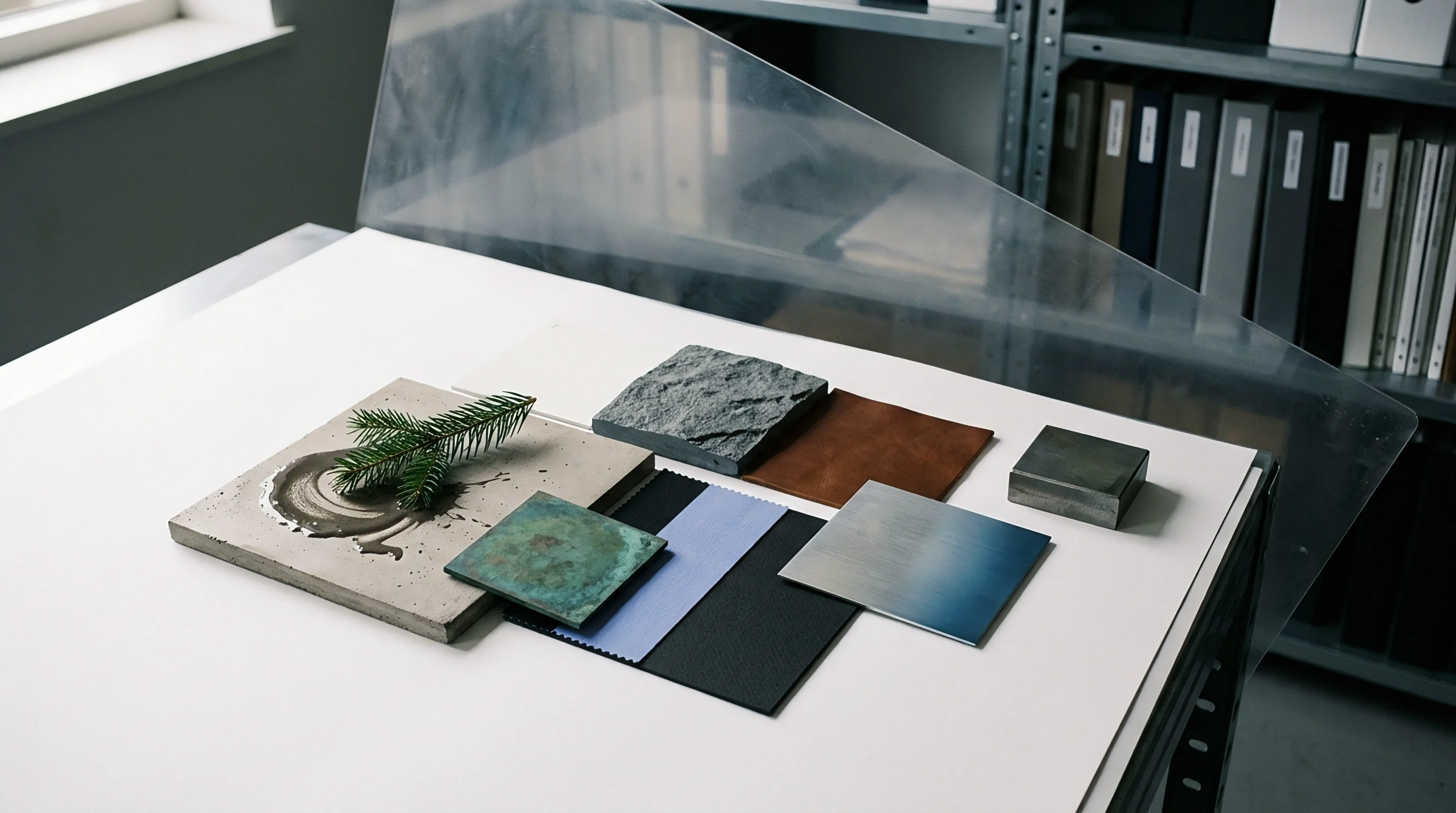
Soft polyurethane lamination films are often described as maintaining self-healing properties after conversion, but ambient temperature recovery functions only on shallow elastic indentations and fails completely once a sharp edge cuts the crosslinked matrix polymer chains.
Tariff
Line Pass Costs, Waste Generation, and Converting Yield Arithmetic
Adding a polyurethane tactile film lamination pass increases total carton converting costs through higher material inputs, labor overhead, machine time, and scrap losses. Roll stock for high-grade aliphatic polyurethane films costs between 0.45 and 0.95 USD per square meter, compared to 0.12 to 0.22 USD per square meter for standard soft-touch biaxially oriented polypropylene films. This cost differential reflects expensive raw polyurethanes, multi-layer extrusion processing, and specialized surface corona treatment during film manufacture.
Running an offline or inline lamination pass adds setup waste and operational spoilage to job estimates. Thermal lamination make-ready consumes between 150 and 350 sheets while adjusting temperature, nip pressure, and web tension. High-speed thermal laminators operating at 60 meters per minute require inline rotary knives to trim web edges, generating 15 to 25 millimeters of trim waste per edge.
Strip waste and sheet separation gaps add an additional 2.5 to 4.0 percent loss in web area on every master roll.
Running 18-micron polyurethane film above 115 degrees Celsius increases scrap by 4.2 percent. Exceeding thermal processing windows causes film stretch, web neck-in, and sheet curl that jam downstream die-cutters. Waste sheets accumulated during die-cutter feeding failures represent fully converted printed stock losses, compounding ink costs, coating passes, and machine time already invested in the sheet.
Recyclability Grading, Extended Producer Responsibility, and Economic Trade-Offs
Environmental packaging regulations penalize non-recyclable plastic coatings on paperboard through plastic taxes and modulated Extended Producer Responsibility fees. Plastic film layers bonded to board hinder fiber repulping in standard mill recovery systems. Regulations such as the European Union Packaging and Packaging Waste Regulation require packaging materials to meet specific design-for-recyclability criteria.
Under PTS-RH 021/97 or CEPI recyclability testing protocols, plastic film must separate cleanly from cellulose fibers during repulping without clogging screen plates.
Polyurethane films bonded with waterborne polyurethane adhesives produce high wet-strength film fragments during repulping. Unseparated plastic films carry attached paper fibers into waste streams, dropping fiber recovery below 85 percent. This reduced yield downgrades carton recyclability ratings from Grade A to Grade C or D. Under fee structures, a Grade D rating incurs Extended Producer Responsibility surcharges up to 350 EUR per metric ton of packaging material, eroding converting margins on high-volume consumer packaging runs.
Evaluating surface finish specifications demands checking process options against physical performance criteria and overall landed production costs:
- Aliphatic thermal polyurethane film provides top-tier scuff resistance and soft touch, but incurs high roll stock costs and triggers elevated Extended Producer Responsibility surcharges.
- Biaxially oriented polypropylene soft-touch film offers low material cost and moderate matte stability, but exhibits poor scratch recovery and turns brittle during tight carton scoring.
- Water-borne soft-touch polyurethane coating eliminates secondary web lamination passes and preserves repulpability ratings, but delivers less tactile cushion depth and requires lengthy drying ovens.
- Ultraviolet-cured matte acrylic varnish allows high line speeds and low unit pass costs, but lacks elastomeric soft-touch feel and cracks along crease folds.
Under standard packaging supply contracts governed by EN 13430 recyclability parameters, film layers that fail to yield at least eighty-five percent clean paper fiber recovery during laboratory hydrapulping tests expose the converter to full indemnity liability for green dot surcharges assessed against the brand owner.