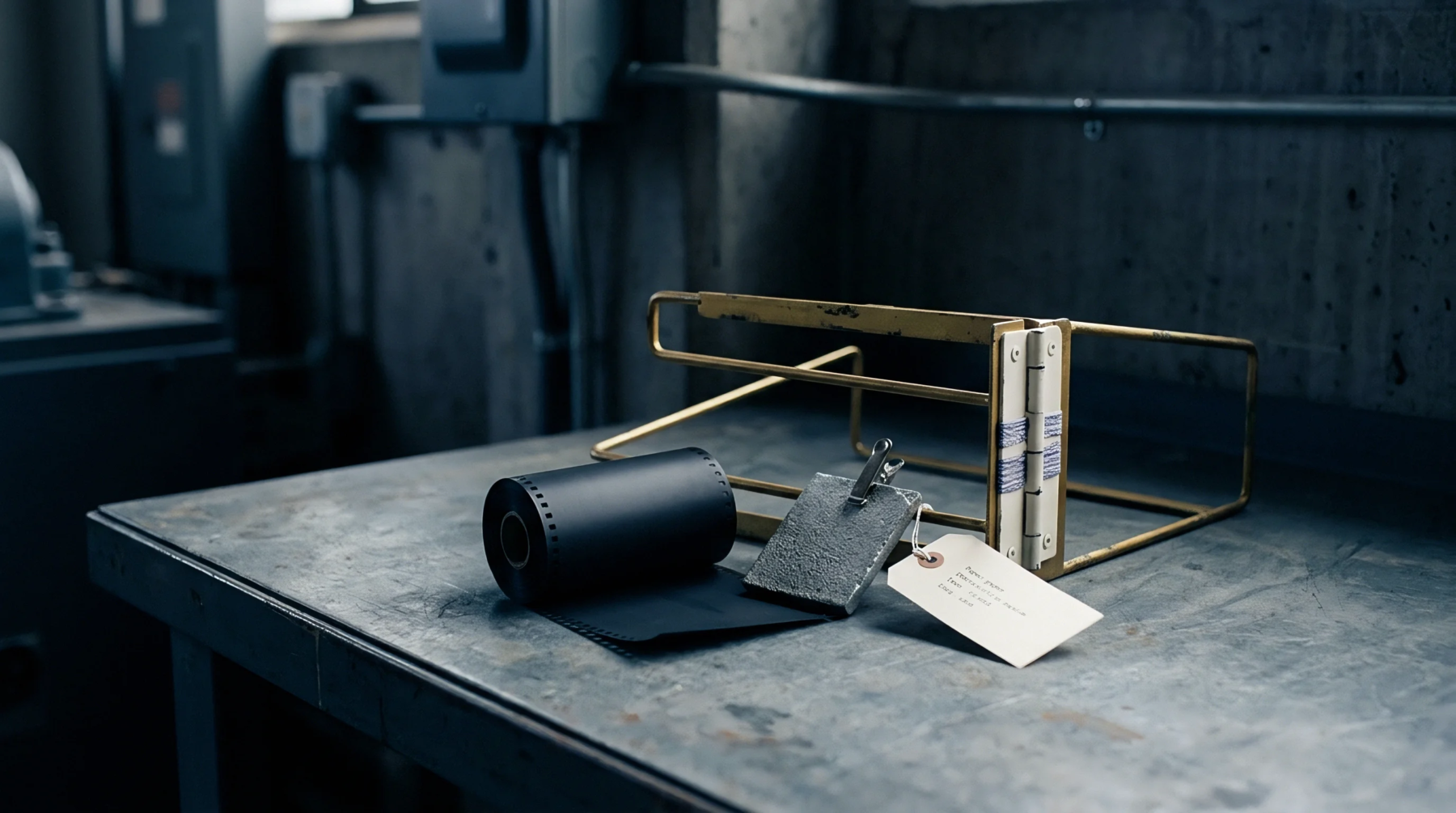
Material Erosion
Surface degradation occurs when microscopic asperities on two contacting substrates collide and shear during relative motion. Mechanical wear describes this phenomenon in high speed converting machinery where paper webs or packaging films interact with rollers, blades and guides. Friction generates heat that accelerates the loss of surface material, eventually changing the dimensional tolerance of machine components.
Roughness on a metal doctor blade increases over time, creating inconsistent scraping pressure against a gravure cylinder. Such progression leads to uneven coating application or damage to the substrate moving through the production line.
Component Fatigue
Hardness profiles of machine parts dictate the rate at which mass leaves the substrate contact zone. Tungsten carbide coatings protect sensitive rollers from abrasive particles trapped within fibrous paper pulps. When the protective layer undergoes breach, the underlying base metal suffers accelerated removal under constant cycle stress.
Engineers mitigate this by balancing the modulus of elasticity between mating surfaces, ensuring that the softer material undergoes sacrificial degradation rather than the primary tool. Precise alignment remains the primary method for slowing the kinetic energy transfer that drives material displacement.
Conversion Impact
Downstream print quality relies upon the integrity of surfaces that touch the stock during finishing. Worn guide rails introduce minor vibrations, causing registration errors that manifest as blurred ink deposition on corrugated board or folding cartons. Maintenance intervals for rollers and cutting dies remain scheduled based upon tonnage throughput rather than visual inspection alone.
Predictive sensors now monitor vibration signatures to detect the onset of contact surface breakdown before product defect rates climb. Proper lubrication management reduces the contact friction that initiates these destructive physical events.