Mechanical Decurling Mechanics in Single Sided Film Lamination
Mechanical decurling forces paperboard fibers past their plastic yield point to counteract the thermal contraction of single-sided laminating film.
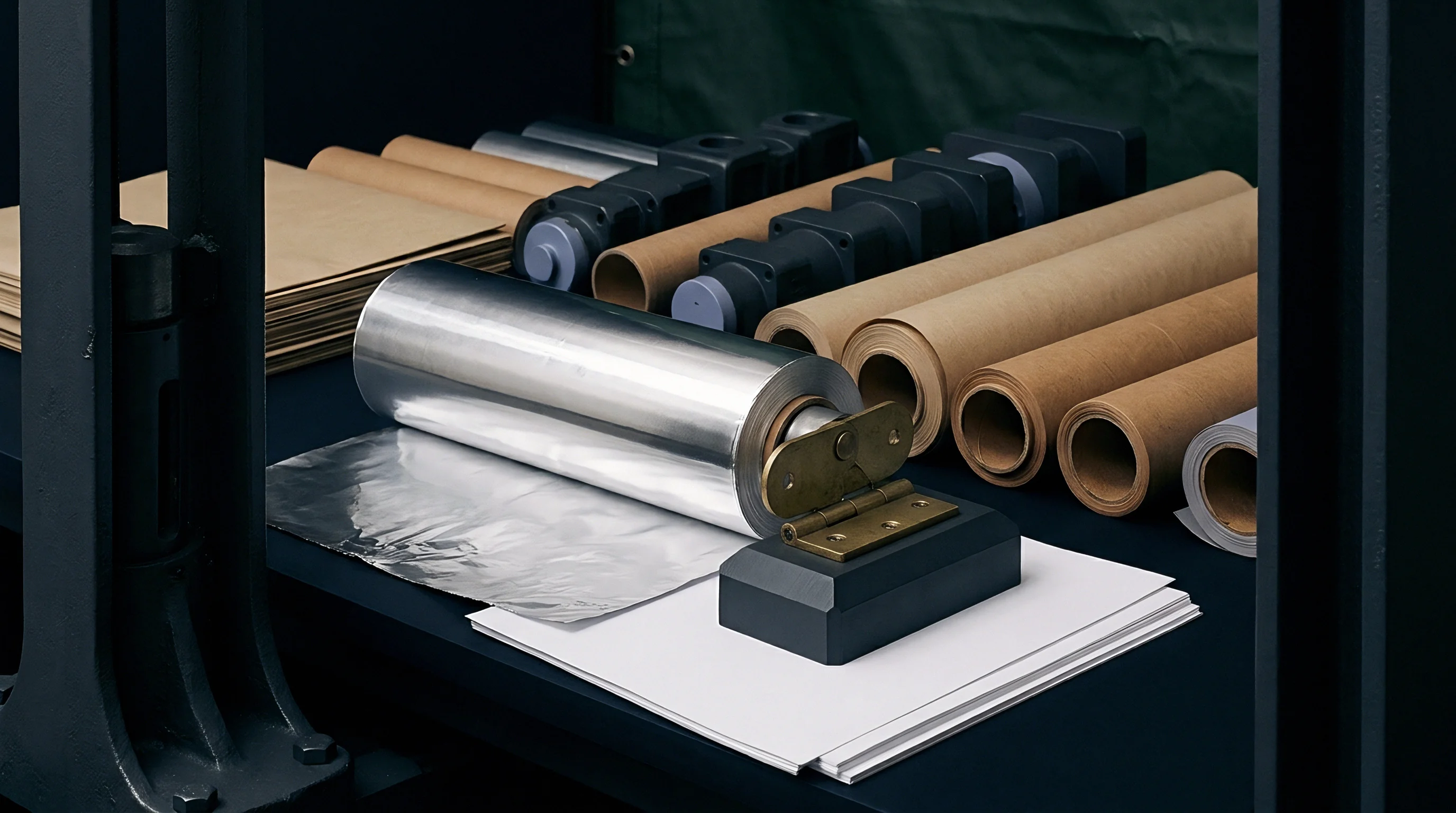
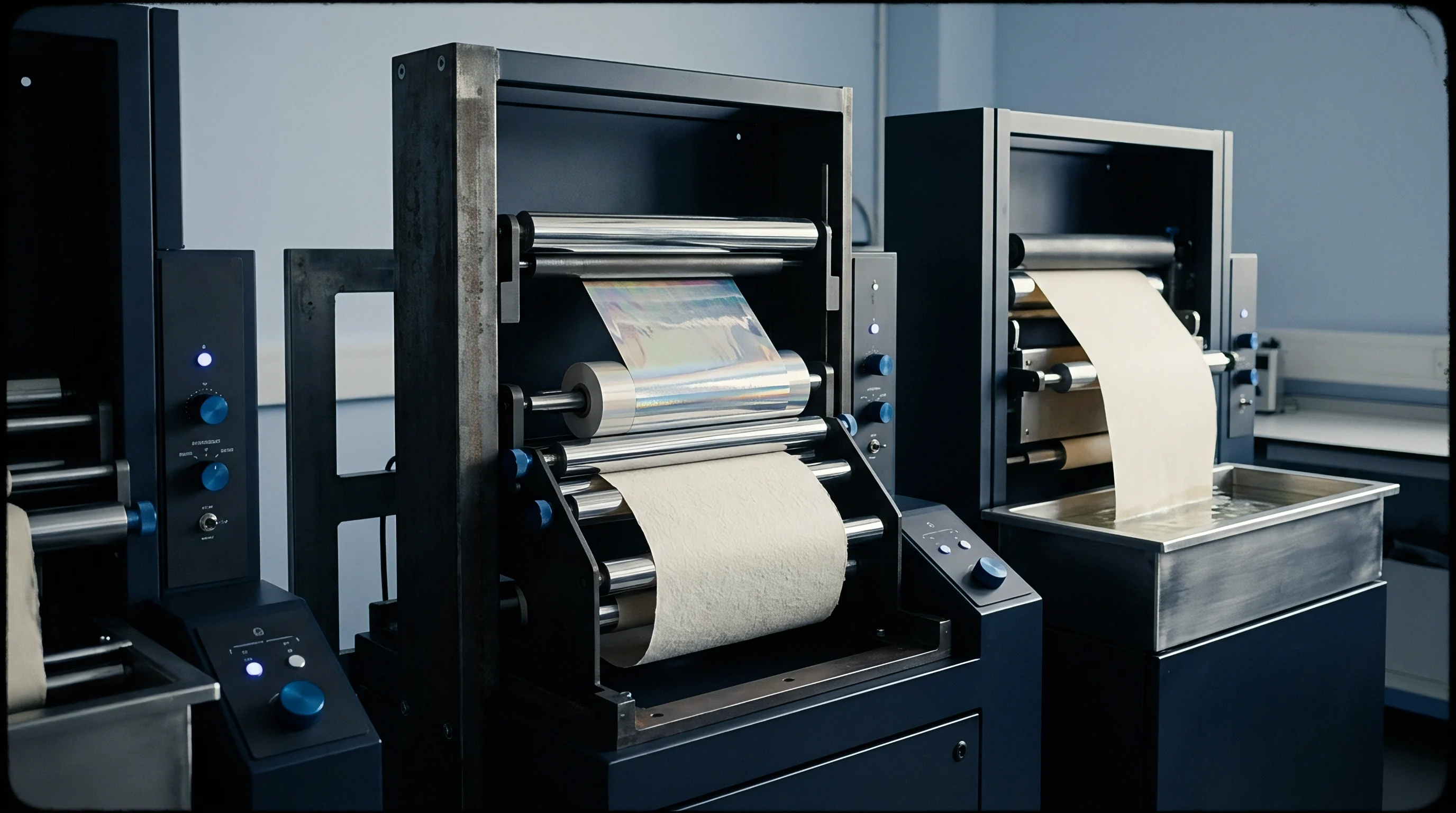
Mandrel
Single-sided thermal lamination introduces an asymmetric composite structure that curls toward the synthetic film side immediately upon cooling. Polypropylene or polyester films undergo thermal expansion under heated nip rolls at temperatures between 95 and 125 degrees Celsius, while paperboard loses free moisture and contracts under the same thermal contact. When the joined composite leaves the nip, the film exhibits high elastic tensile recovery, contracting aggressively as it cools to ambient room temperature.
The fibrous cellulose substrate lacks equivalent thermal contraction, creating an unbalanced bending moment across the sheet thickness. Unchecked, this mechanical imbalance pulls the finished sheet into a tight curl toward the laminated face, disabling automatic sheet feeders, jamming die-cutters, and ruining carton blanks.
Mechanical Geometry across the Breaker Edge
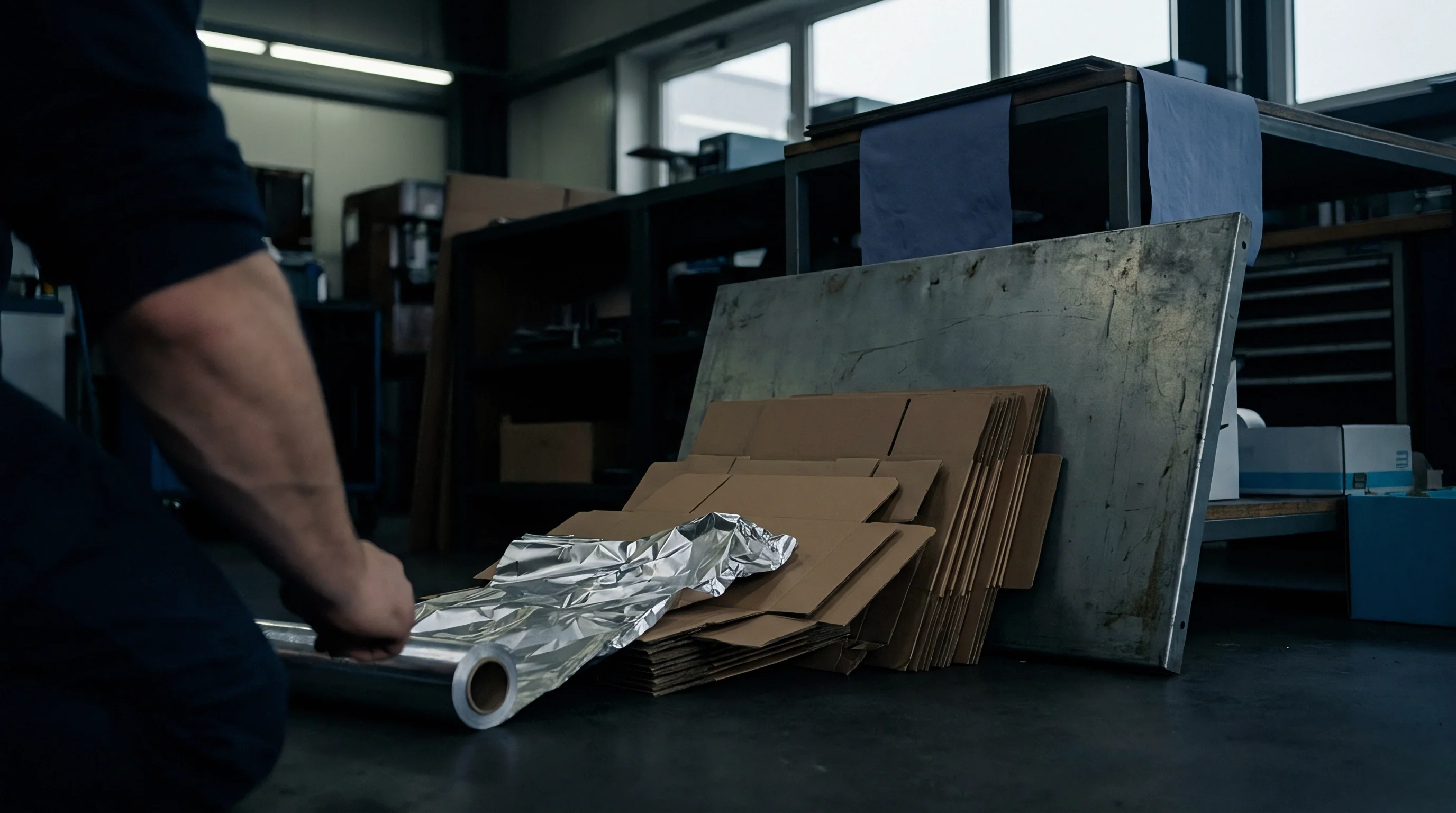
Positioning a rigid steel bar against the moving web on the exit side of the lamination nip counters this contraction directly. Passing the composite around a small-diameter edge with the unlaminated paper surface in direct contact with the steel forces the cellulose fibers into extreme tensile strain while compressing the laminated polymer surface. This reverse displacement forces the outer cellulose matrix past its yield point into irreversible plastic deformation.
Sheets exit flat.
Adjusting the penetration depth of the breaker bar changes the web wrap angle, which dictates the radius of curvature experienced by the composite. Smaller bar diameters generate higher localized bending strains for any given wrap angle. A 12-millimeter breaker bar creates a tighter strain profile than an 18-millimeter bar, yielding the plastic elongation required to match the polymer film contraction.
Board thickness dictates the necessary bar diameter. Heavier cartonboards between 350 and 500 micrometers crack on sub-10-millimeter bars because the tensile strain at the outer board face exceeds the ultimate tensile elongation of the cellulose fibers.
Plastic deformation of the paperboard backing neutralizes the elastic retraction of the cooling polymer layer.
Web deflection over the breaker component induces a through-thickness stress distribution characterized by a distinct shift in the neutral axis. In a homogeneous sheet, the neutral axis sits at the precise geometric midpoint. In a single-sided laminated composite, the vast difference in elastic modulus between biaxially oriented polypropylene (roughly 2.1 gigapascals) and bleached folding boxboard (roughly 4.5 to 7.0 gigapascals in the machine direction) displaces the neutral axis toward the stiffer paperboard layer.
The decurler must bend the sheet far enough to generate plastic elongation in the substrate fibers farthest from the film without exceeding the shear strength of the dry thermal adhesive layer.
| Substrate Grade | Board Caliper (µm) | Film Chemistry | Film Gauge (µm) | Mandrel Diameter (mm) | Wrap Angle Range |
|---|---|---|---|---|---|
| Coated Art Paper | 130 | Gloss BOPP | 24 | 8 to 10 | 35° to 55° |
| Coated Art Paper | 170 | Matt BOPP | 27 | 10 to 12 | 30° to 45° |
| Folding Boxboard (GC1) | 250 | Soft-Touch BOPP | 30 | 12 to 15 | 25° to 40° |
| Solid Bleached Board (SBS) | 350 | Gloss BOPP | 24 | 15 to 18 | 20° to 35° |
| Folding Boxboard (GC2) | 450 | Gloss PET | 19 | 18 to 22 | 15° to 30° |
| Kraft Back Board | 550 | Thermal Nylon | 32 | 22 to 28 | 12° to 25° |
A sharper breaker radius always compensates for higher film elastic modulus.
Strain
Cellulose fibers behave viscoelastically, exhibiting both time-dependent creep and instantaneous recovery when subjected to mechanical loading. In thermal lamination, web heating strips two to four percent of structural water from the cellulose network within a contact window of thirty to eighty milliseconds. This rapid drying shrinks the fiber network and raises its elastic modulus, making the board stiffer and less pliable precisely as it enters the nip.
Film retains memory. As the sheet leaves the laminating cylinder, the polymer film cools in fractions of a second, locking high residual tensile stresses into the upper boundary of the laminated sheet.
Fiber Matrix Plasticity and Yield Thresholds
Overcoming this locked-in stress demands accurate mechanical elongation of the bottom fiber matrix. Pure elastic bending fails because the board fibers spring back toward their original positions within seconds of clearing the decurl assembly. Permanent flatness occurs only when the tensile strain on the substrate face exceeds the elastic limit, typically 0.8 to 1.2 percent elongation for virgin bleached kraft pulps, and enters the plastic deformation region without precipitating structural delamination.
The caliper governs resistance. In thicker boards, the strain gradient through the sheet thickness is steep. When a 400-micrometer board wraps around an 18-millimeter mandrel under a sixty-degree break angle, the outer surface undergoes substantial elongation while the inner interface experiences compression.
If the decurling unit applies excessive mechanical force, the internal shear stresses exceed the Scott Bond internal ply strength of the paperboard, which sits between 150 and 220 Joules per square meter for standard commercial packaging grades.
Thermal shrinkage in biaxially oriented polypropylene reaches 2.8 percent when nip temperatures exceed 115 degrees Celsius.
Improperly calibrated decurling introduces several operational defects:
- Interlayer ply separation appears when the induced transverse shear stress surpasses the internal fiber bond strength of multi-ply paperboards, turning the sheet mushy and ruining crease definition.
- Coating fracture manifests as microscopic transverse checks across the mineral pigment layer on the reverse side of coated board grades, causing severe ink bleeding during subsequent printing passes.
- Adhesive boundary failure develops when the radical curvature on the breaker bar shears the cooling ethylene acrylic acid or polyolefin thermal adhesive away from the board fibers, causing blister formations.
- Surface burnishing occurs when high friction between the stationary decurl bar and the dry reverse side of the board scuffs printed graphics or causes localized micro-glazing.
Film vendors routinely claim that raw roll curl stems entirely from mill moisture variation rather than thermal shock.
Tension
Web handling downstream from the thermal nip dictates whether the mechanical breaker assembly achieves consistent plastic yield across the full sheet length. Infeed unwind tension, laminator nip pressure, and post-nip rewinder or cutter pull-roller tensions form an interconnected force network. If web tension across the breaker bar drops below thirty Newtons per meter of web width, the sheet floats across the mandrel surface rather than conforming tightly to the radius.
This boundary float eliminates localized plastic elongation, causing uncontrolled upward roll curl.
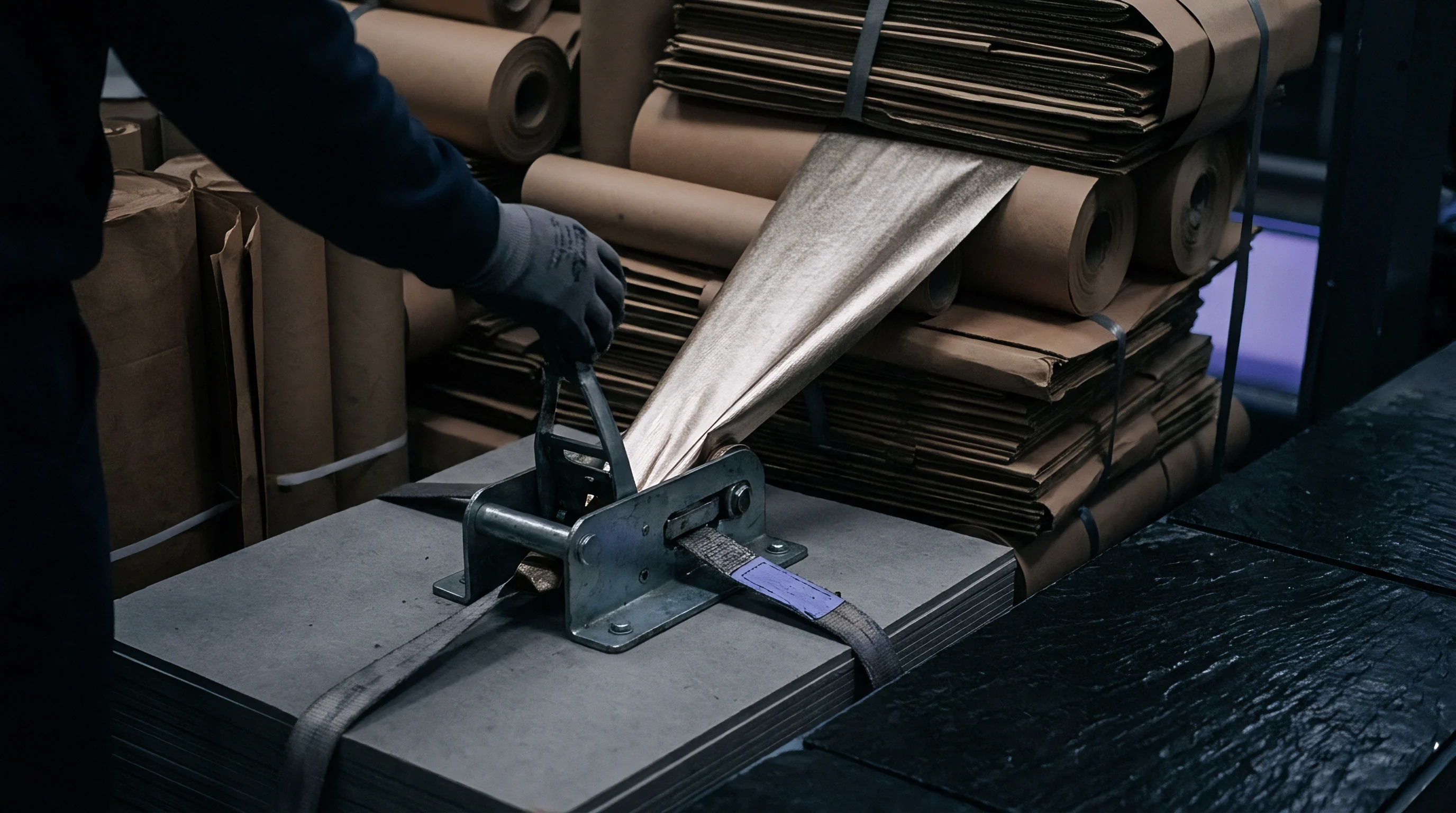
Does Web Speed Counteract Radius Geometry?
Operating speed directly modulates the strain rate experienced by the moving composite. As modern sheet-fed and web laminators accelerate from forty meters per minute to running speeds past one hundred meters per minute, the dwell time of any single fiber segment over the breaker edge drops from 0.025 seconds down to less than 0.008 seconds. Cellulose exhibits strain-rate hardening: higher deformation velocities increase the apparent yield stress of the fibers, requiring greater wrap angles or higher line tension to achieve identical plastic sets.
If an operator establishes decurler clearance at make-ready speed, the sheets run flat initially but develop severe curl toward the film side as the line ramps up to commercial run velocity.
Bringing a single-sided thermal laminating line up to production speed requires a disciplined mechanical bring-up sequence:
- Substrate grain orientation alignment confirms that the paperboard machine direction runs parallel to the web path, minimizing cross-direction edge fluting during breaker bar contact.
- Thermal nip equilibration stabilizes the heated steel cylinder at the specified process temperature for fifteen minutes before bringing the elastomer impression roller into engagement.
- Initial web tensioning applies thirty-five Newtons per meter of tension across the cooling zone to maintain intimate sheet contact against the decurling assembly.
- Mandrel engagement stroke advances the breaker bar into the pass-line in three-millimeter increments while inspecting output sheets at the delivery table for transverse flatness.
- High-speed compensation advances the wrap angle by an additional three to five degrees once the press reaches ninety meters per minute to overcome strain-rate fiber hardening.
The web snaps. Maintaining excessive line tension to pull the board hard against a small-radius mandrel risks web failure along the cross-direction, particularly when running recycled cartonboard grades with low tear resistance under ISO 1974 test parameters. Operators must balance the mechanical penetration of the decurl bar against unwind braking force to avoid overstressing weak fiber webs.
Thicker board requires sharper reverse bend angles to achieve permanent displacement of the cellulose matrix.
Excessive break angles fracture the clay coating layer, producing white dust that fills the delivery blankets and halts the run.
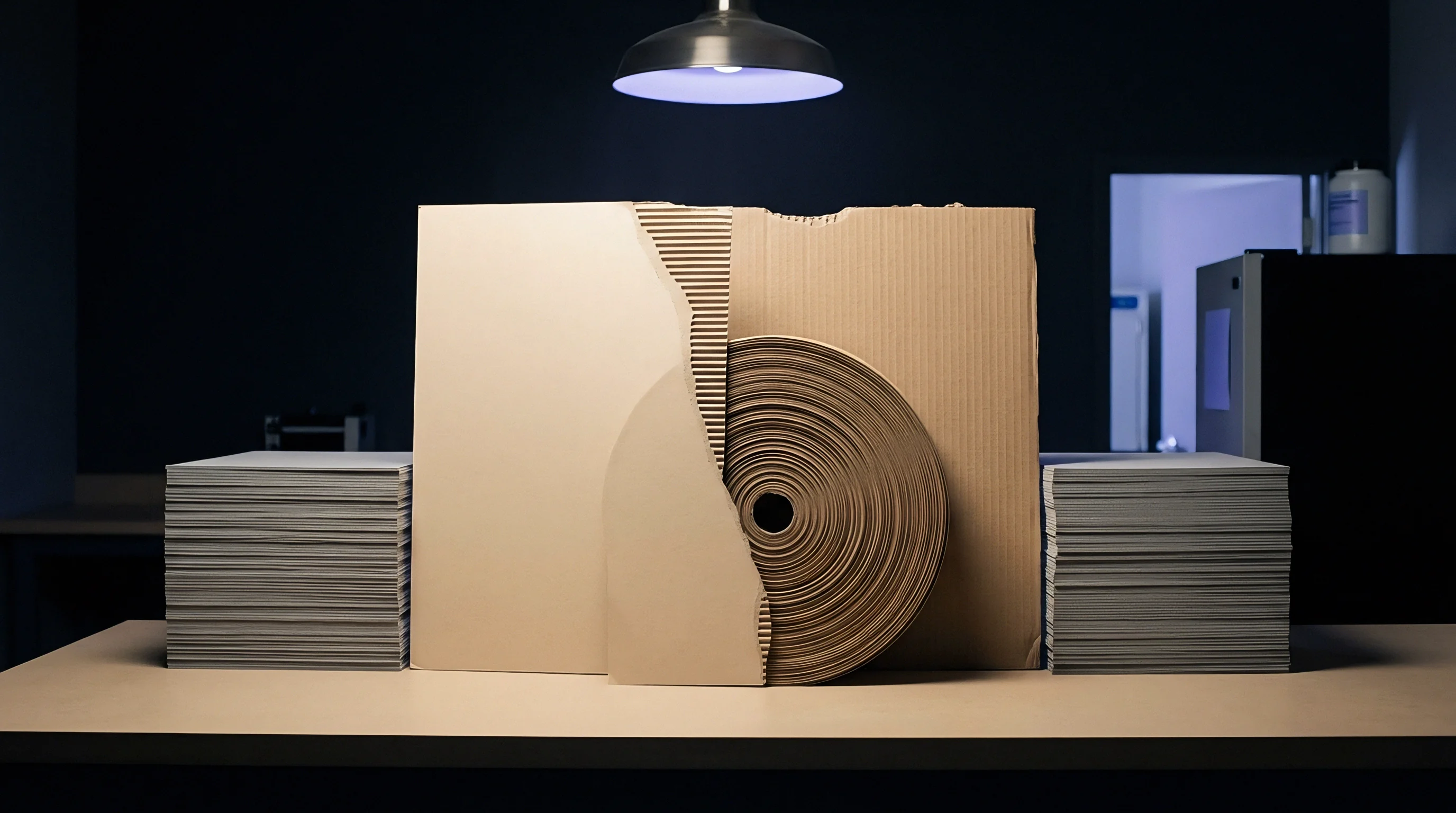
Reversion
Achieving absolute geometric flatness at the laminator delivery stack represents only a temporary thermodynamic state. Once sheets land on the pallet, environmental exposure alters the internal balance of mechanical stresses. Ambient humidity penetrates the exposed cellulose fibers on the unlaminated reverse side of each sheet while the laminated face remains sealed behind an impermeable polymer barrier.
Moisture absorption expands the cellulose network, causing the unlaminated side to swell. This hygroexpansive strain acts counter to the initial mechanical decurling, creating delayed downward curl, often termed reverse curl or moisture curl, within hours of completion.

Hygroexpansivity and the Twenty-Four-Hour Envelope
The rate of curl movement depends heavily on the relative humidity of the pressroom relative to the baseline moisture content of the incoming board. Packaging board conditioned to ISO 187 atmospheric standards (23 degrees Celsius and 50 percent relative humidity) typically holds between 6.5 and 8.0 percent water by weight. Passing through a 110-degree thermal nip strips this moisture level down to roughly 4.0 to 5.0 percent.
The unlaminated side immediately begins reabsorbing moisture from ambient air once stacked.
Fibers resist plastic extension. In a stacked pallet, sheets in the center remain shielded from moisture ingress for days, while the top, bottom, and outer edges exchange vapor rapidly. This differential absorption creates edge-wave distortion and saddle curling that no mechanical decurler can correct retroactively.
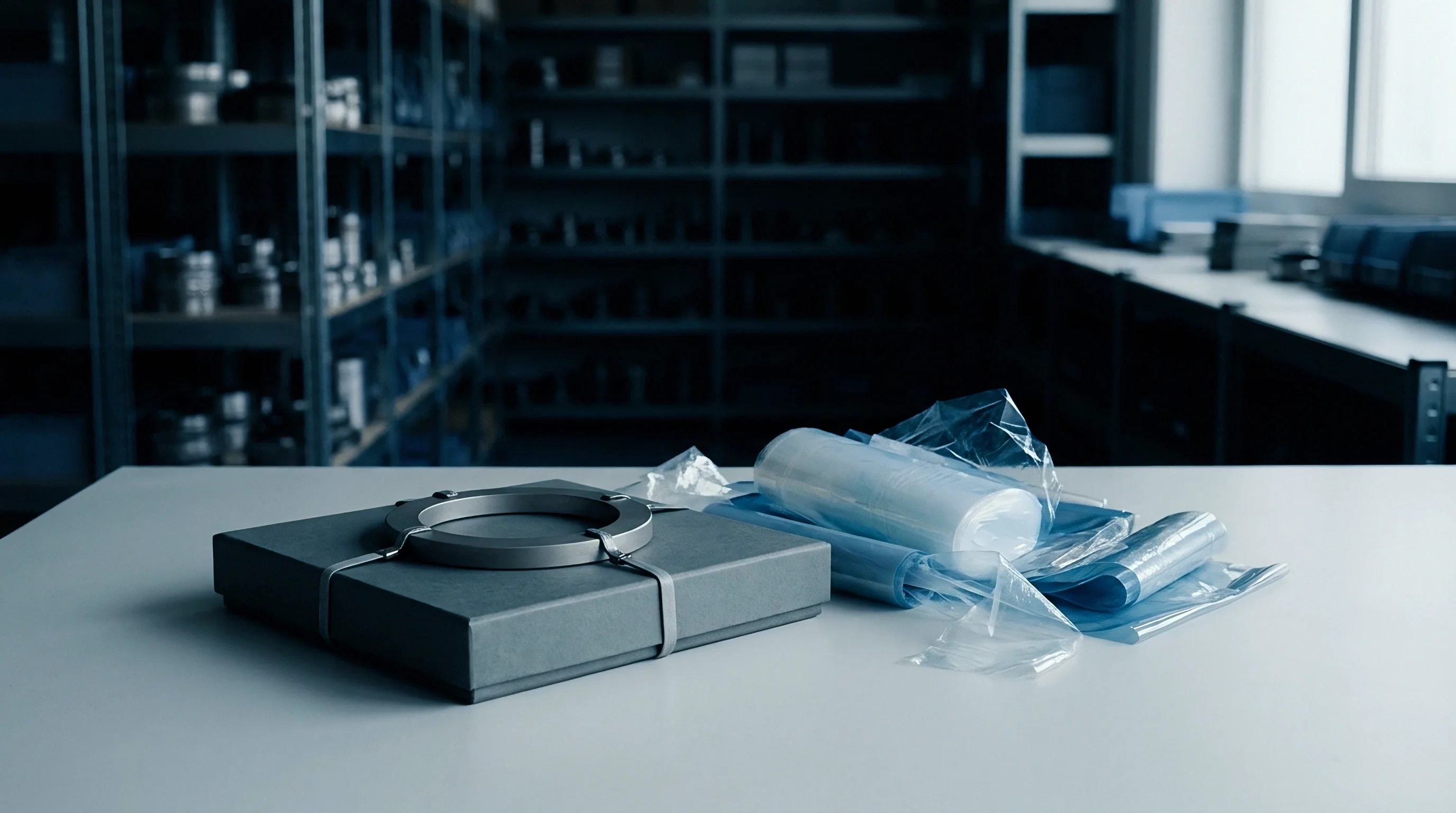
Pallet wrapping with moisture-barrier film within thirty minutes of lamination delays edge rehydration, allowing the mechanical internal stresses between the film and board to reach structural equilibrium before atmospheric moisture drives fiber expansion.
ISO 187 conditioning mandates twenty-three degrees Celsius and fifty percent relative humidity to prevent immediate post-sheeting curl reassertion.
Verifying laminate stability before downstream converting demands structured moisture checks:
- Equilibrium relative humidity testing measures the internal stack humidity using an inserted sword hygrometer to verify that internal core moisture matches external converting bay atmospheres within five percent.
- Free-sheet curl assessment under TAPPI T 427 protocols tracks vertical edge deviation on representative samples suspended in controlled test chambers across a twenty-four-hour period.
- Cross-direction hygroexpansive profiling evaluates dimensional change across the sheet width following accelerated exposure to seventy percent relative humidity.
Whether moisture absorption through an unsealed carton reverse can ever permanently stabilize against twenty-four-hour polymer shrinkage remains unsettled across converter trials.
Outlay
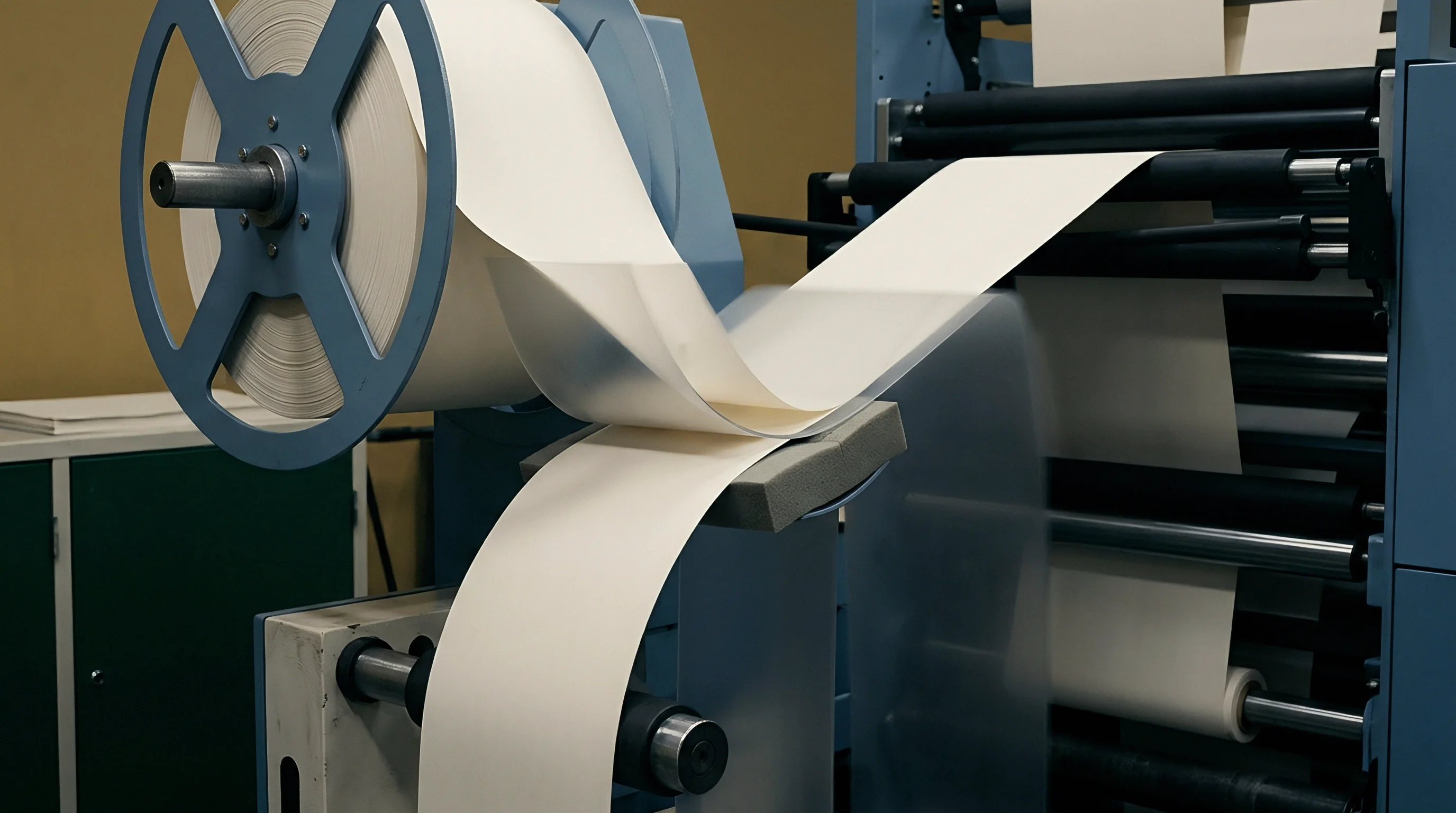
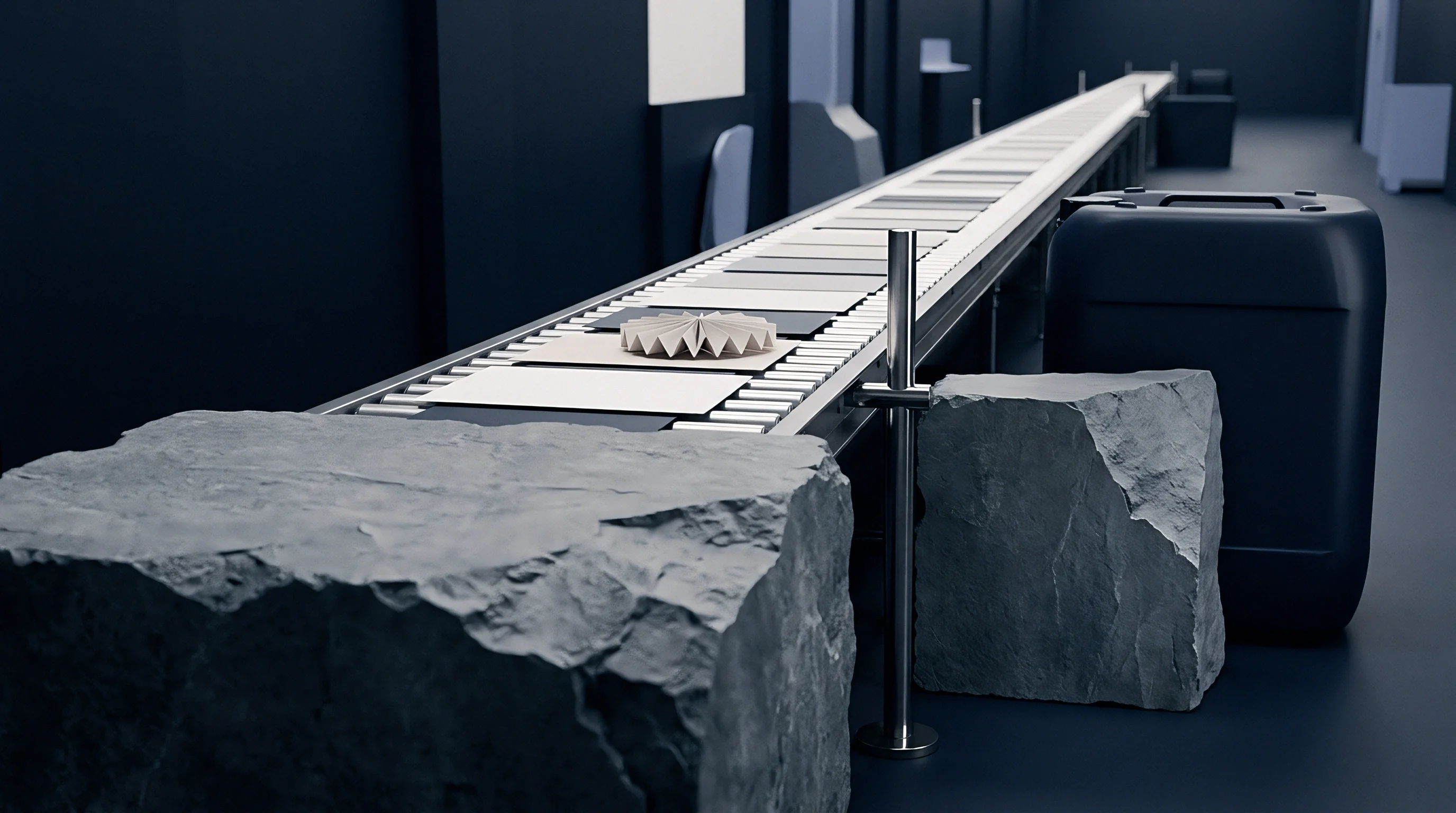
Mechanical decurling performance dictates the financial yield of premium cartonboard converting passes. When single-sided laminated sheets fail to hold flatness tolerances below four millimeters of corner lift, downstream machinery suffers immediate productivity collapses. High-speed folding box gluers running carton blanks at four hundred meters per minute rely on vacuum belts and friction feeders that jam instantly when sheets cup or flute.
A feeder trip on an automated gluer halts production, burns operator time, and marks the blanks in the feed hopper with scoring wheel abrasions.
Worked Cost Model across a Folding Carton Run
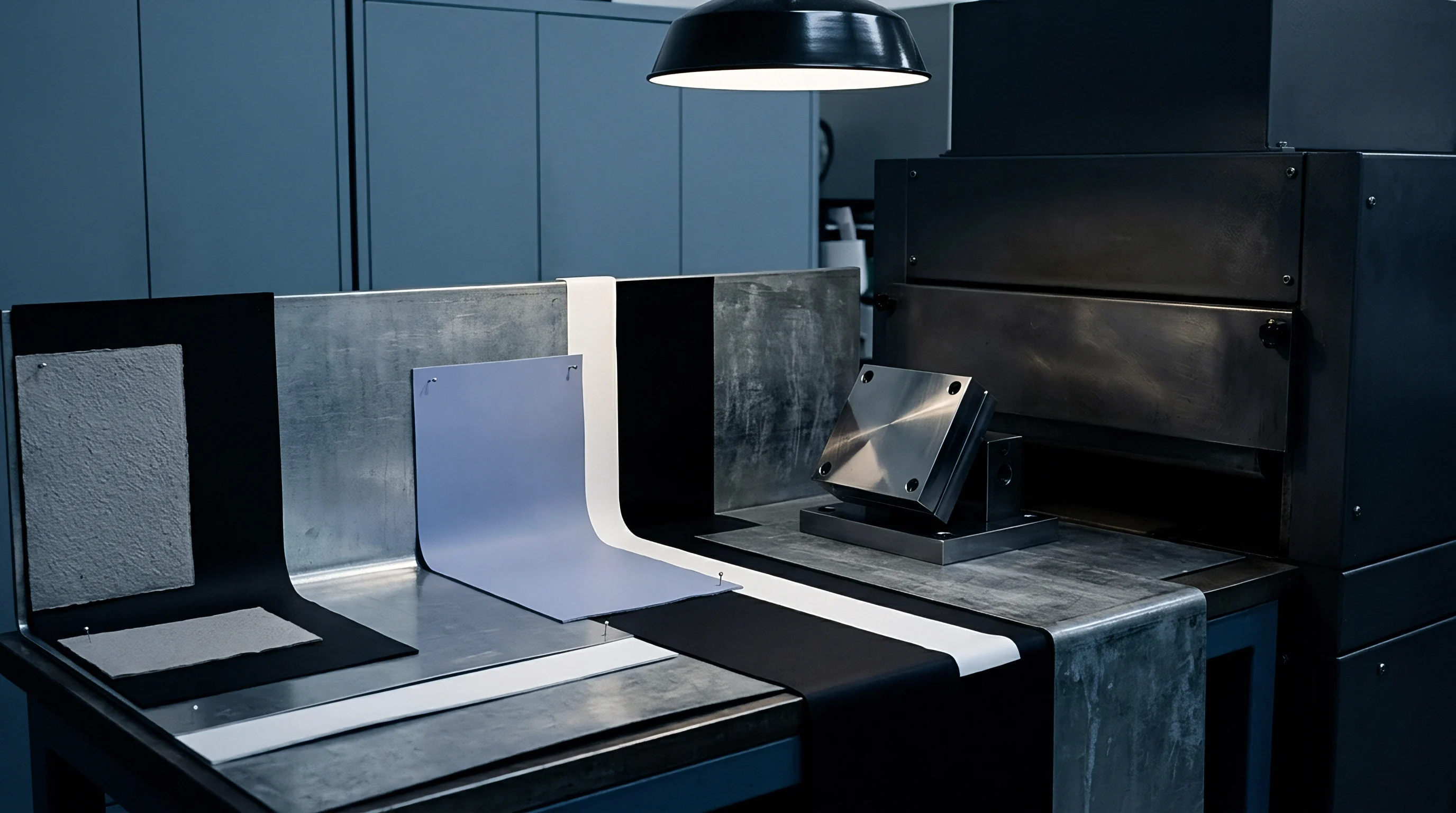
Evaluating the commercial impact of decurler control requires analyzing waste across the conversion chain. Take an production order of 100,000 folding cartons produced on 350-micrometer solid bleached board (SBS) with a sheet size of 720 by 1020 millimeters, running six carton blanks per sheet. This job demands roughly 16,667 gross press sheets.
Assume a baseline material cost of 1,450 dollars per metric ton for the virgin SBS board, with 350-micrometer board weighing approximately 280 grams per square meter. The raw substrate expenditure totals 3,426 dollars for the run, while 24-micrometer gloss BOPP thermal film adds 0.14 dollars per square meter, totaling 1,714 dollars. Tooling and make-ready setup on the laminator carry fixed shop rates of 280 dollars per hour.
Compare two operating states across this run: Case A operates with optimized mechanical decurling, maintaining sheet flatness within three millimeters across the entire pallet. Case B operates with insufficient decurling tension and an oversized mandrel, producing sheets with six to ten millimeters of curl toward the film face.
| Production Metric | Case A: Calibrated Decurling | Case B: Under-Compensated Decurling |
|---|---|---|
| Lamination Make-Ready Waste (sheets) | 150 | 450 |
| Lamination Running Waste Rate | 1.0% (167 sheets) | 3.5% (583 sheets) |
| Laminator Speed Across Run | 85 m/min | 50 m/min |
| Die-Cutter Infeed Jam Rate | 0.2% (33 sheets) | 4.2% (700 sheets) |
| Folder-Gluer Feeder Stoppages | 1 event per 20,000 cartons | 1 event per 2,500 cartons |
| Downstream Converting Scrap (cartons) | 400 | 5,400 |
| Total Substrate And Film Loss ($) | $108.12 | $524.38 |
| Machine Down-Time Labor Cost ($) | $45.00 | $380.00 |
| Net Conversion Outlay Variance ($) | Baseline | +$751.26 |
The coating fractures. Beyond simple scrap tallies, extreme mechanical decurling on poor-quality recycled boards creates secondary surface micro-cracks that destroy scoring rule integrity. During high-speed auto-erection on pharmaceutical packaging lines, cartons creased across fractured fibers split along the score lines, forcing line shutdowns at customer packing facilities.
The financial liability from a single stalled packing line at a client site exceeds the entire operating cost of the lamination pass.
Tolerances narrow under humidity. Trade laminators and packaging converters who actively audit decurler mechanics safeguard their margins against preventable remakes. Purchase contracts specifying TAPPI T 427 curl limits under plus or minus five millimeters transfer sheet rejection liability directly to the trade laminator.