Z Axis Viscoelastic Hardening Models for Recycled Fiber Pulp Furnish under Impact
Recycled fiber hornification reduces Z-axis shock absorption, requiring non-linear viscoelastic models to predict dynamic packaging crush resistance.
Recycled fiber hornification reduces Z-axis shock absorption, requiring non-linear viscoelastic models to predict dynamic packaging crush resistance.

Recycled folding boxboard requires balancing ply caliper and stiffness against surface coating smoothness and food contact chemical migration limits.
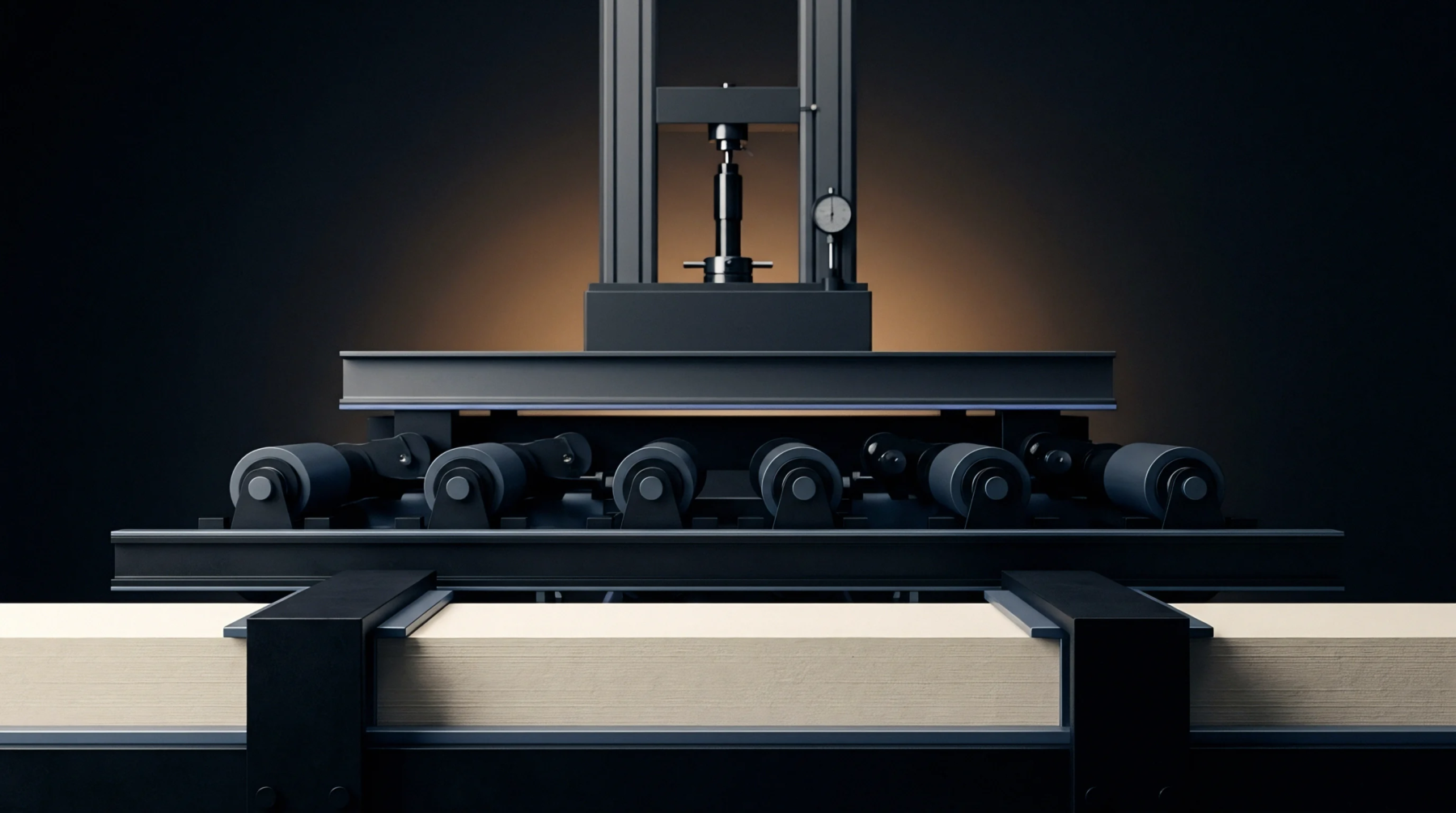
Standard atmospheric conditioning at 23°C and 50% RH under ISO 187 is mandatory to stabilize paperboard moisture content before stiffness bench testing.
Inline acoustic wave attenuation isolates internal BCTMP core delamination during dynamic scoring, preventing score cracking without over-crushing board caliper.
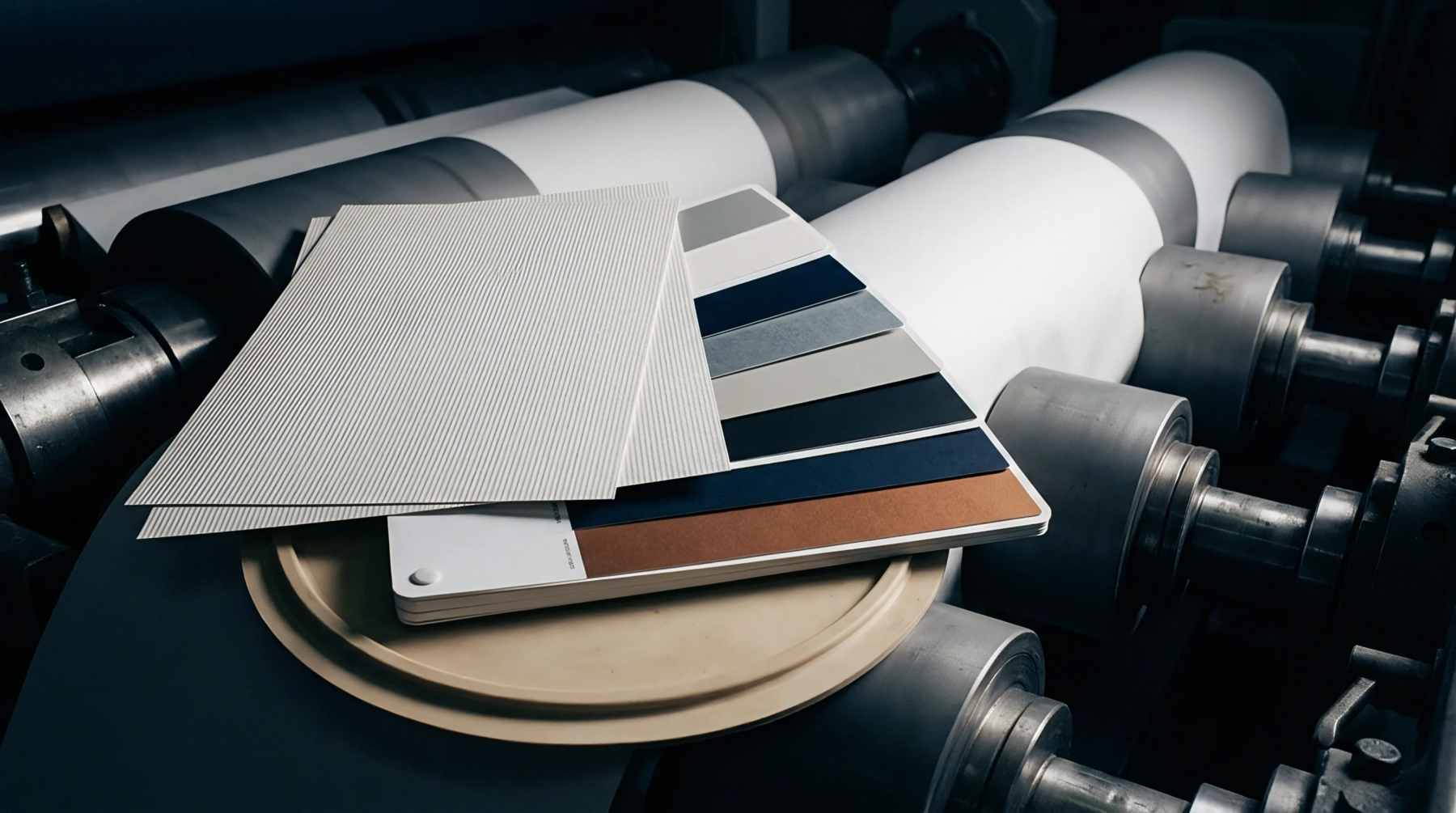
Optimizing paperboard out-of-plane elastic constants allows Z-axis core compaction during heavy embossing, preventing outer-ply surface tensile fracture.
Dynamic z-direction testing via TAPPI T 569 prevents high-speed packaging delamination by verifying inter-ply cohesive strength under real impact strain rates.
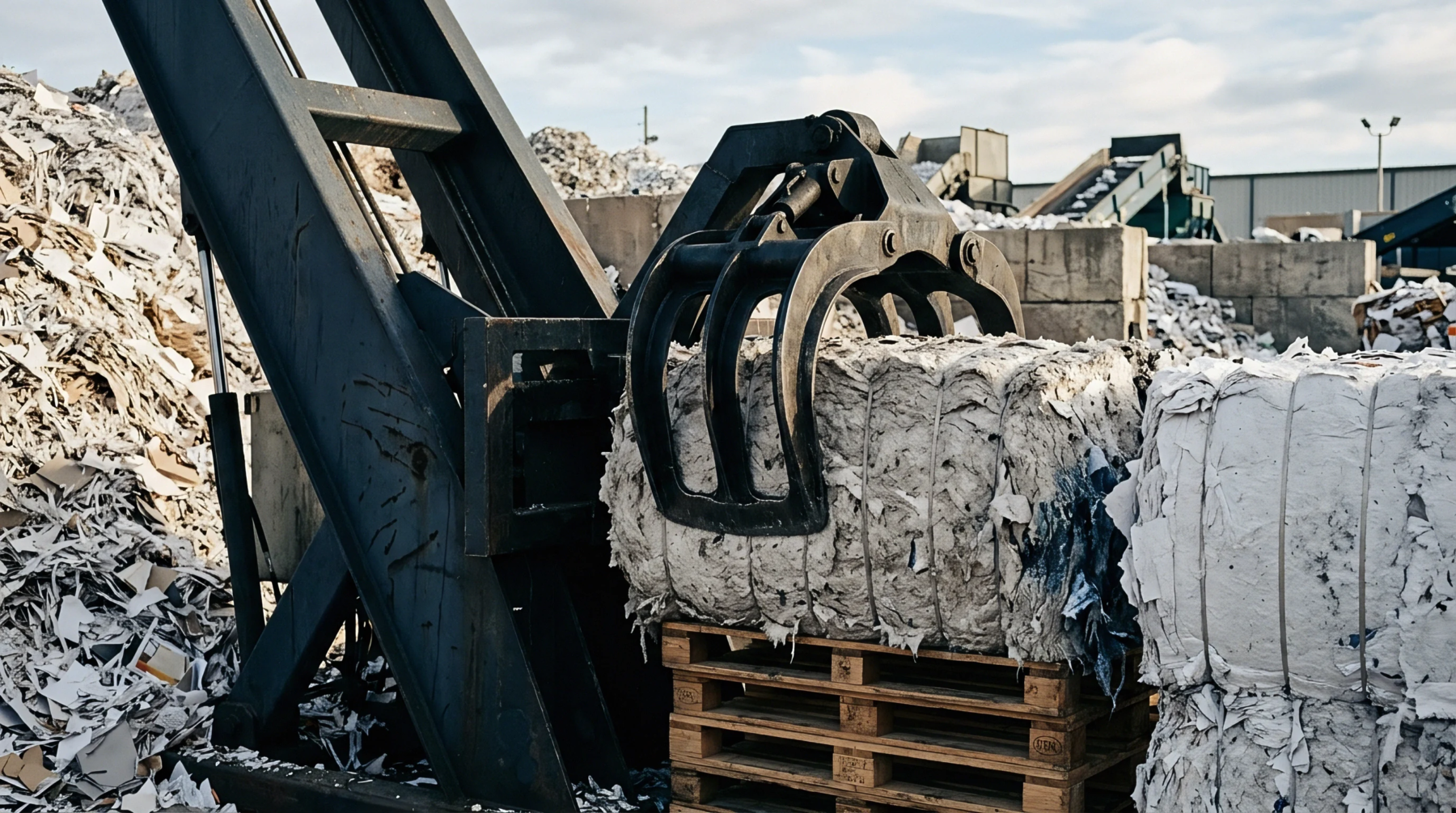
Dynamic relative humidity accelerates multi-ply secondary fiber board creep strain far beyond static predictions, requiring explicit constitutive derating factors.
Non-destructive ultrasonic testing measures bonded elastic network stiffness rather than the intrinsic single-fibre zero-span tenacity of multiply board.
Multi-axis vapor transport in recycled boxboard causes inter-ply shear stress and delamination during thermal cycling, requiring wet-bond proof in compliance dossiers.
Dynamic Z-directional shear failure limits high-speed fluting; maintaining Scott bond above 220 J/m2 prevents mid-plane delamination at speeds over 400 m/min.
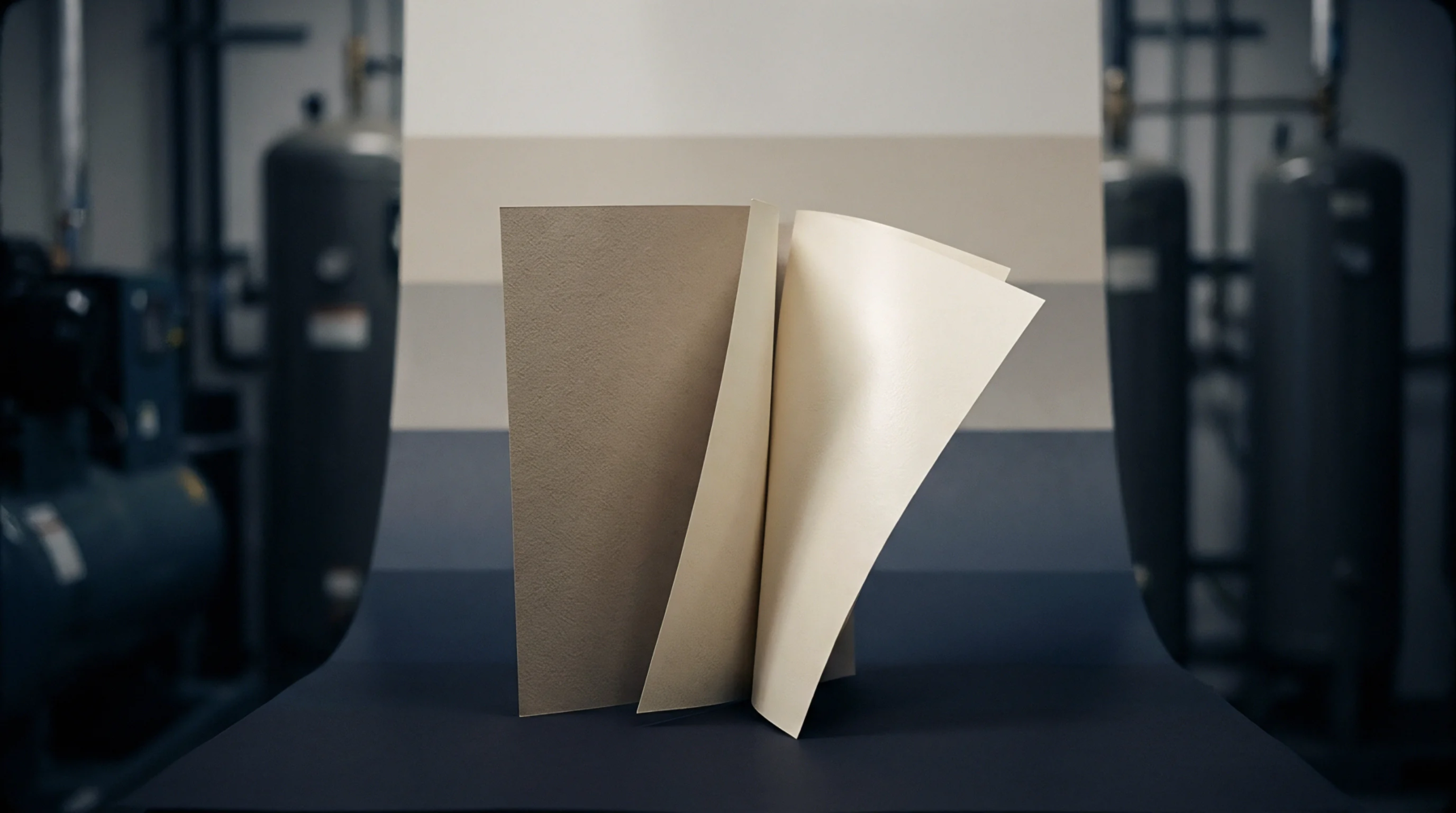
Calculating internal dynamic shear stress against wet-end starch cohesion prevents inter-ply delamination during high-speed folding of recycled boards.
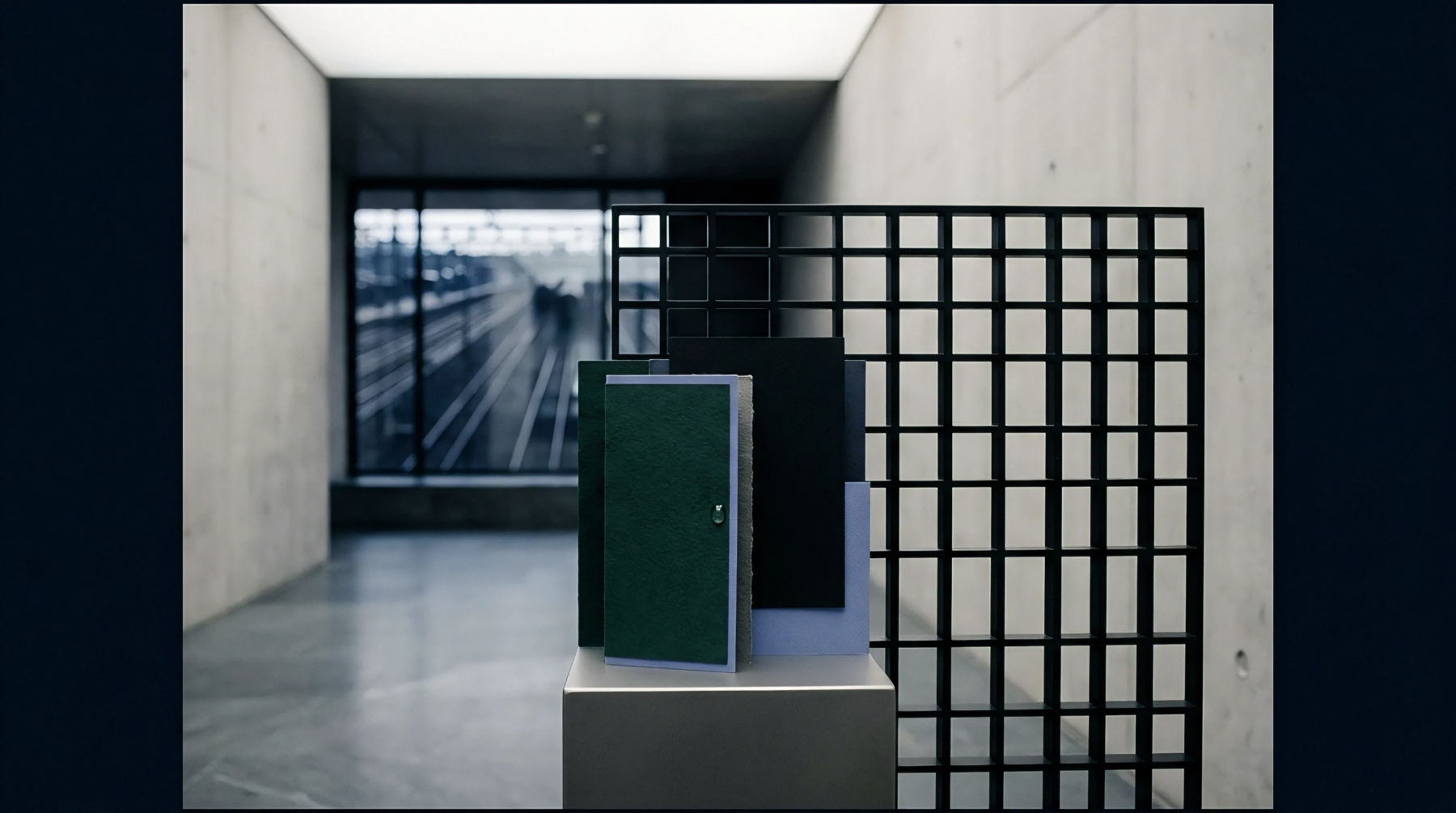
Sizing counter matrix channel width to 1.6 times board caliper plus rule thickness prevents clay coating cracking on recycled boxboard by enabling internal delamination.

Verify Scott Bond above 120 J/m² and ZDT above 220 kPa under ISO 187 conditioning to prevent blanket delamination and score splitting on recycled cartonboard.
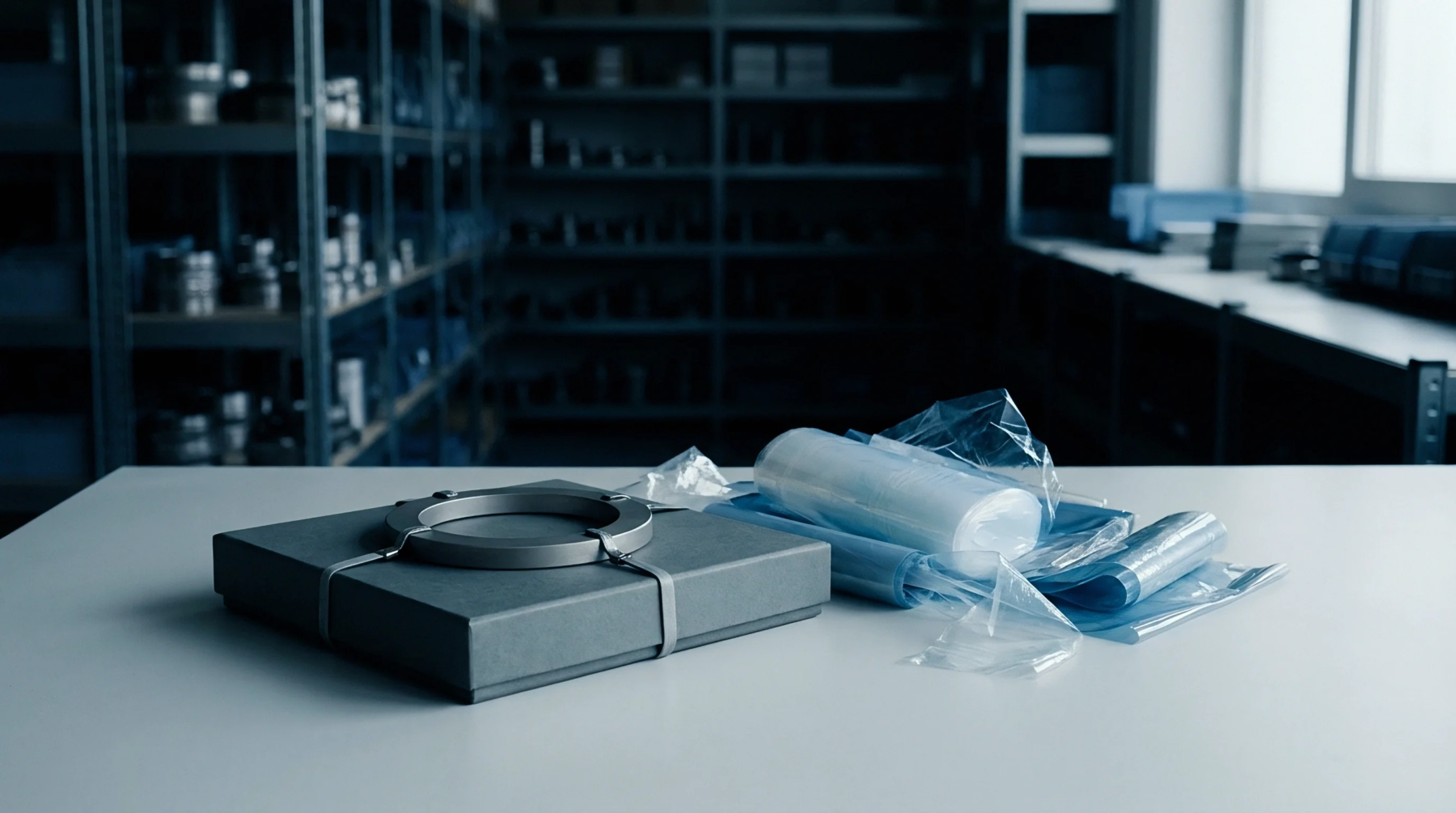
Mechanical decurling forces paperboard fibers past their plastic yield point to counteract the thermal contraction of single-sided laminating film.

Shoe press peak hydraulic pressure must remain below wet web z-tensile limits to prevent core delamination in secondary fiber containerboard manufacturing.
BCTMP cores lower basis weight for target stiffness, but elevated humidity plasticizes lignin, accelerating score memory loss and risking carton wall bulge.
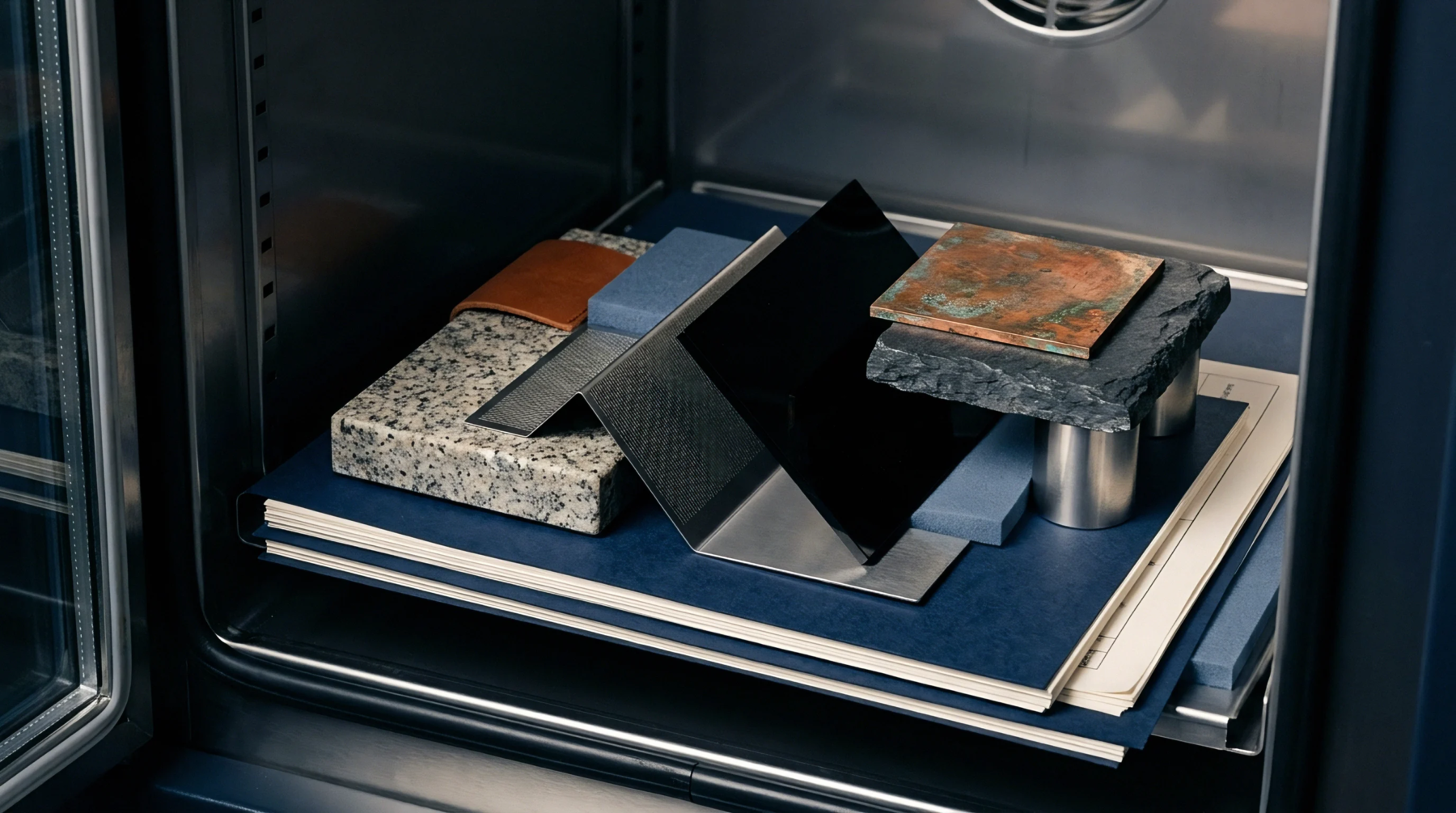
Accelerated creep buckling protocols require cyclic humidity chambers and parallel platens to predict thin boxboard stacking failure under dead loads.
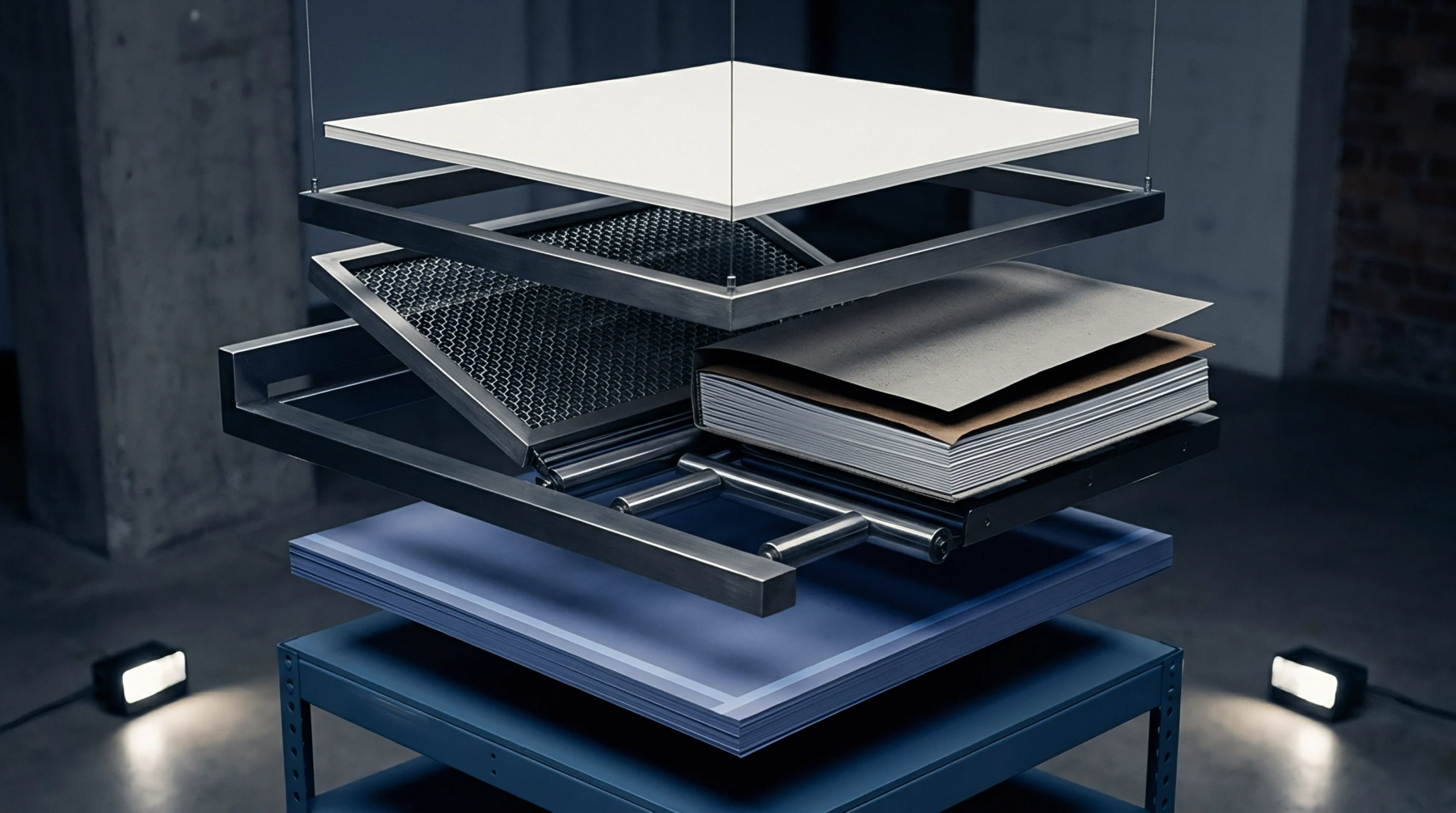
Predicting paperboard delamination requires balancing Z-direction shear strength to permit core separation while preventing outer liner tensile fracture.
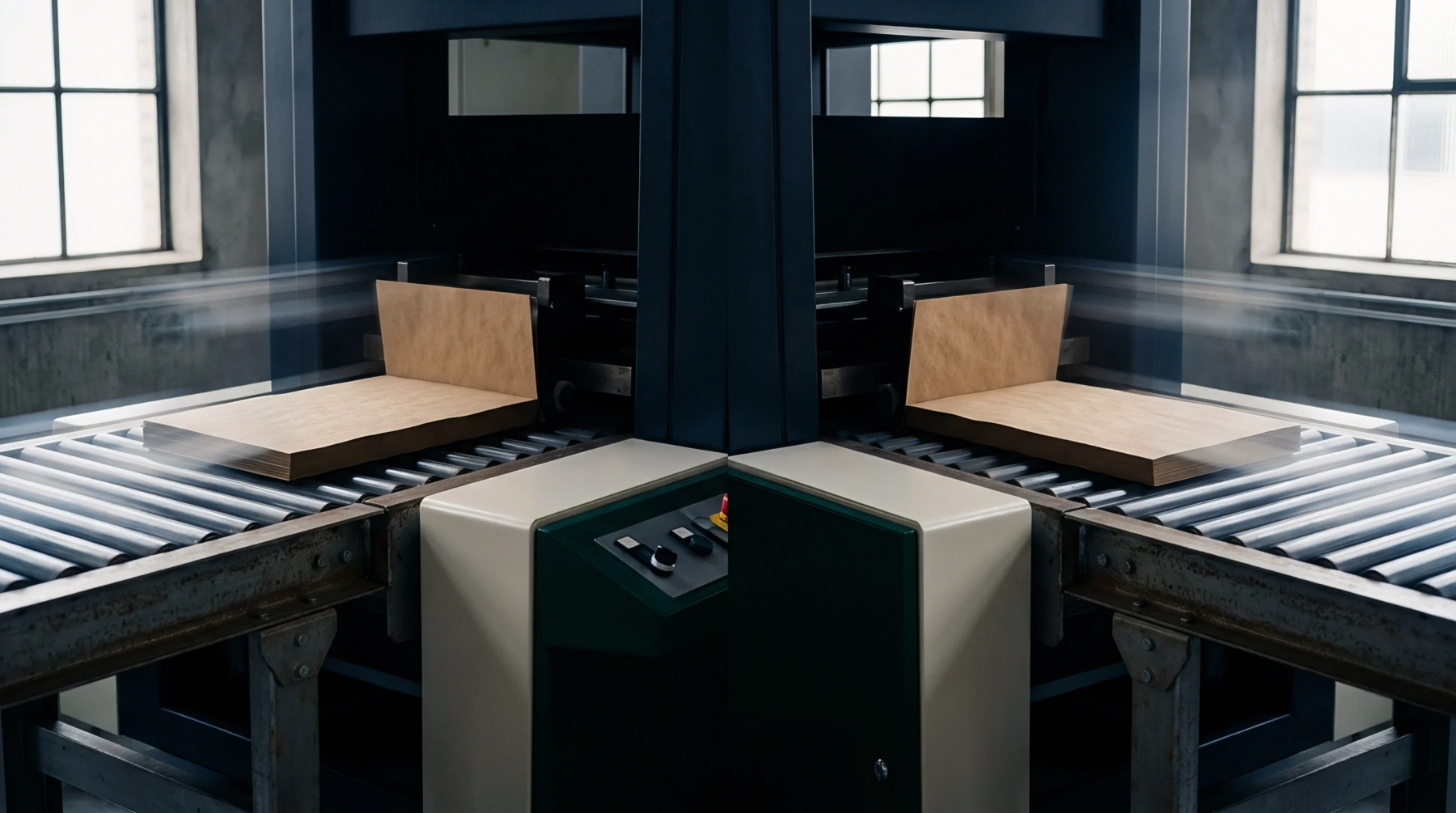
Selective z-directional moisture and thermal calendering plasticizes outer chemical plies to optimize surface smoothness while preserving mechanical core bulk and stiffness.
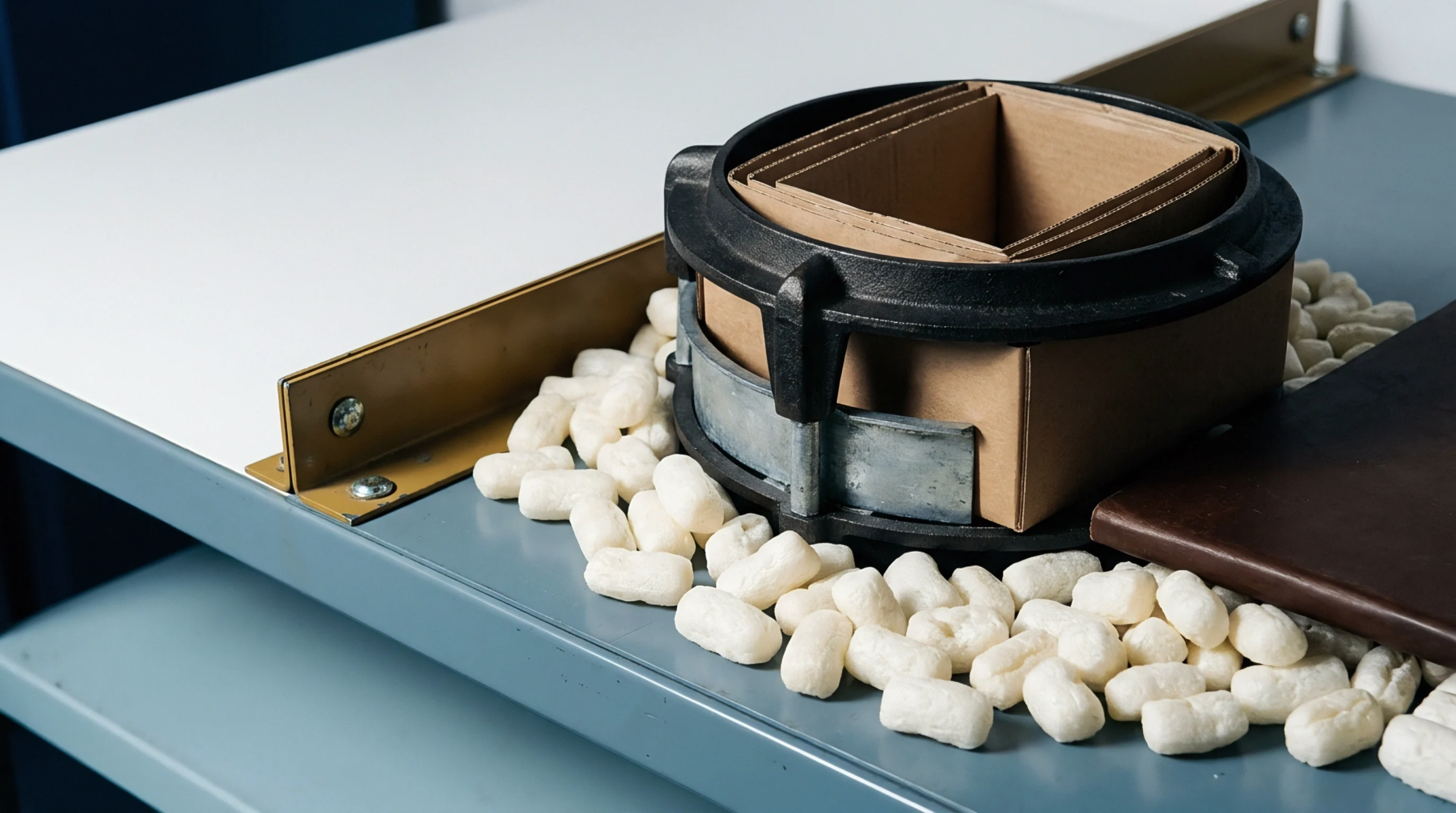
Predicting dynamic Z-direction fiber compression requires balancing dwell time, thermal diffusivity, and lignin glass transition to maximize permanent set.
Expertise is a utility, not a secret. sentiention™ publishes its working knowledge as open reference: intelligence layer covering the materials it sources, the markets it enters, and the reference that serves both.