
Hygral Stress Dynamics and Edge Waving Mechanics in Recycled Paperboard Skids
Hygral edge waving in recycled paperboard skids results from perimeter moisture absorption driving compressive buckling against a dry, rigid core.
Hygral edge waving in recycled paperboard skids results from perimeter moisture absorption driving compressive buckling against a dry, rigid core.

Sorption hysteresis and internal buoyant convection degrade lower-tier corrugated strength in sealed cold-chain pallets, demanding moisture-resilient virgin fluting.

Double wall static compression thresholds drop 40 to 60 percent above 80 percent humidity, requiring safety factor adjustments to prevent warehouse collapse.
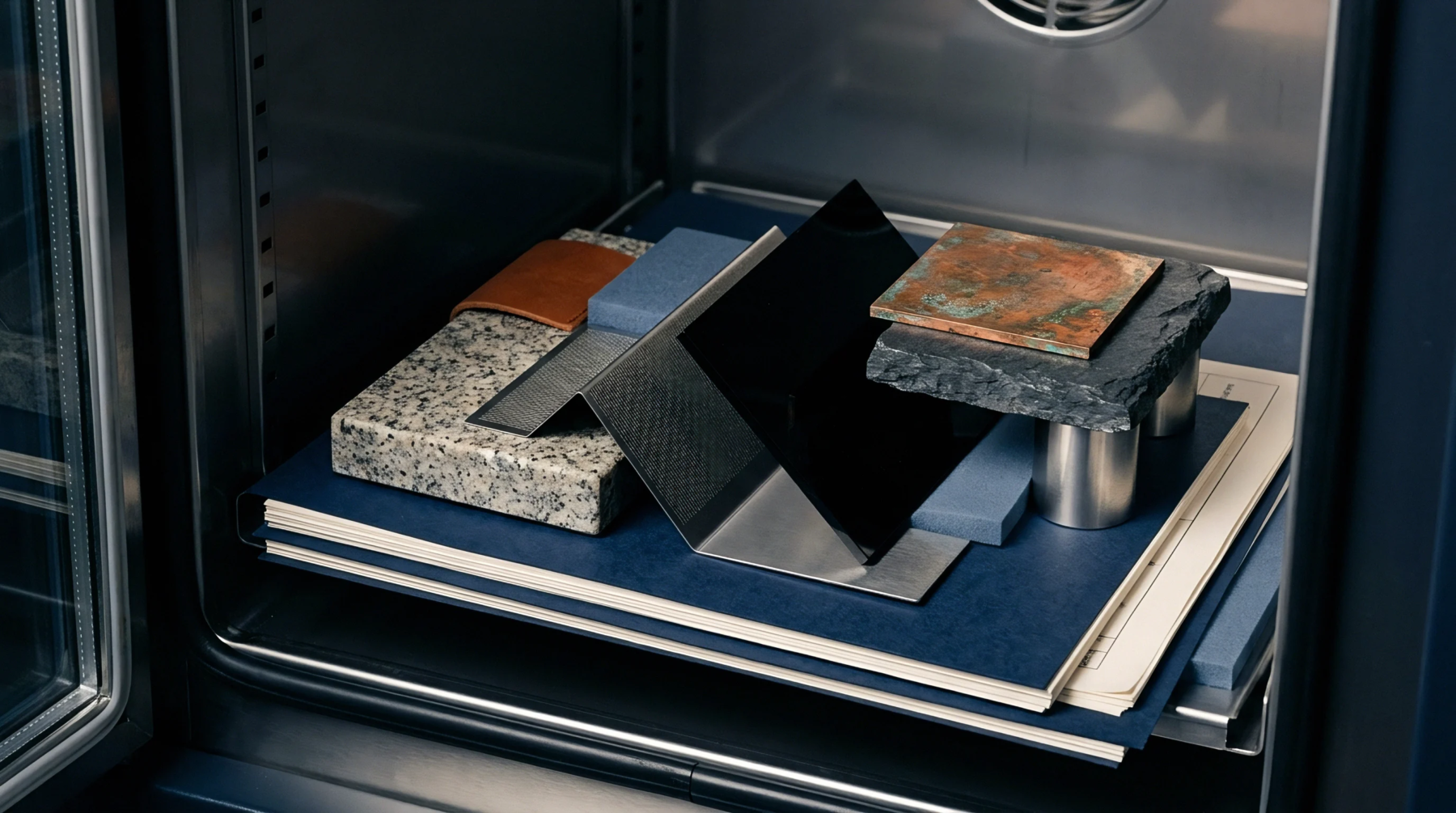
Accelerated creep buckling protocols require cyclic humidity chambers and parallel platens to predict thin boxboard stacking failure under dead loads.

Heat embossing above lignin glass transition temperature locks paperboard relief depth, while controlled dwell time minimizes post-press viscoelastic creep.

Cold paper pallets demand staged thermal acclimation inside unopened vapor wrap to eliminate edge waviness and fluting caused by moisture sorption gradients.
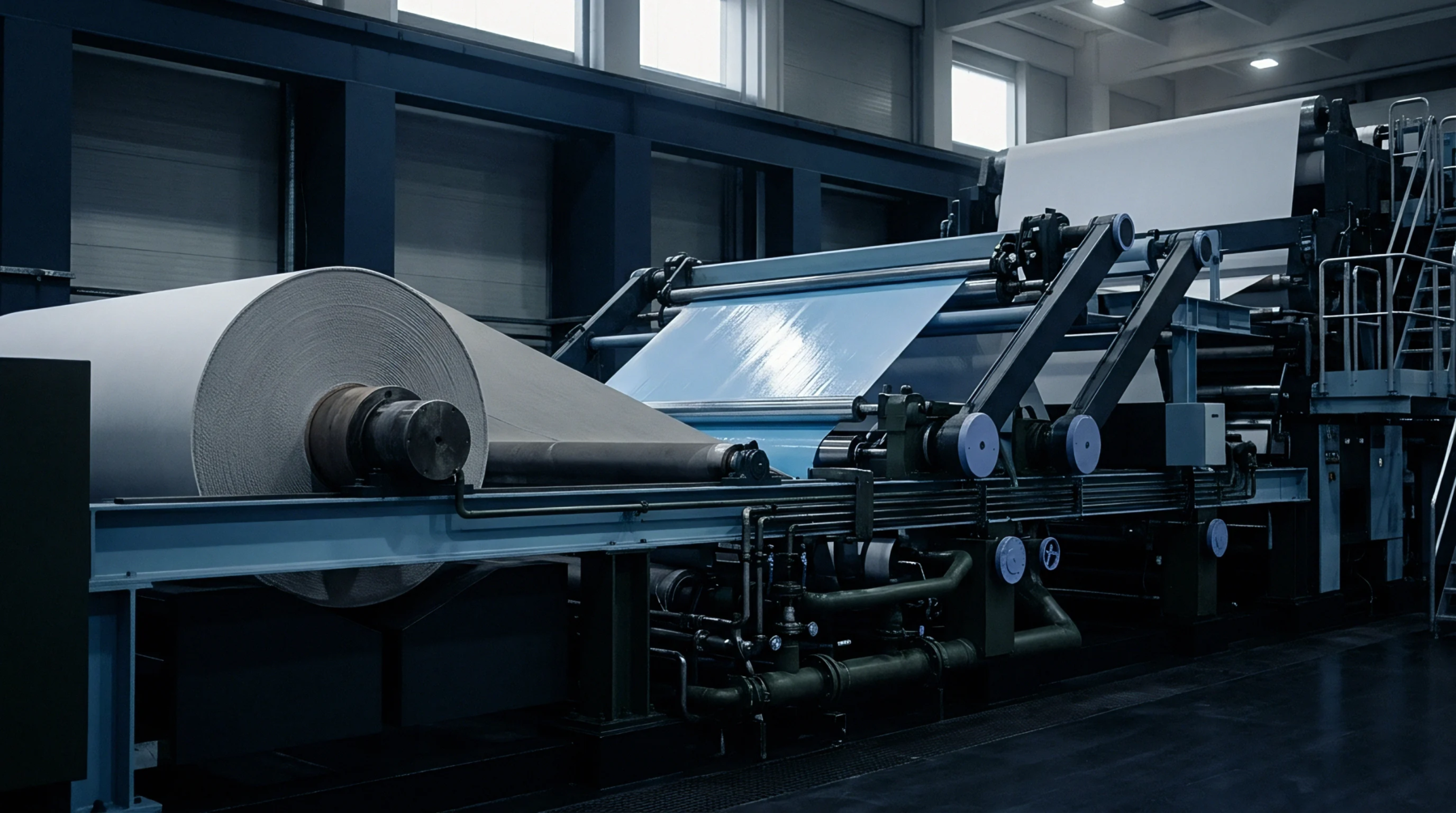
Dynamic climate chamber testing under cyclic relative humidity isolates mechanosorptive creep failure modes that standard static equilibrium conditioning miss.

Microfibril moisture binding follows GAB sorption kinetics where mesopore condensation above M0 plasticizes fiber networks, requiring crosslinking to preserve barriers.

Unheated warehouse storage alters boxboard moisture equilibrium, inducing wavy edges and core bond loss; thermal acclimation before press release prevents spoilage.

Predicting downgauged boxboard creep buckling under cyclic tropical humidity requires integrating mechano-sorptive strain compliance into structural failure models.

Cold warehouse paperboard equilibrates at rates four times slower than ambient standards, requiring staged thermal reconditioning to prevent moisture edge defects.

Single-sided plastic lamination causes heavy converting scrap and triggers severe EU EPR eco-modulation tariffs when plastic film mass exceeds 5 percent.
Expertise is a utility, not a secret. sentiention™ publishes its working knowledge as open reference: intelligence layer covering the materials it sources, the markets it enters, and the reference that serves both.