Dimensional Sensitivity
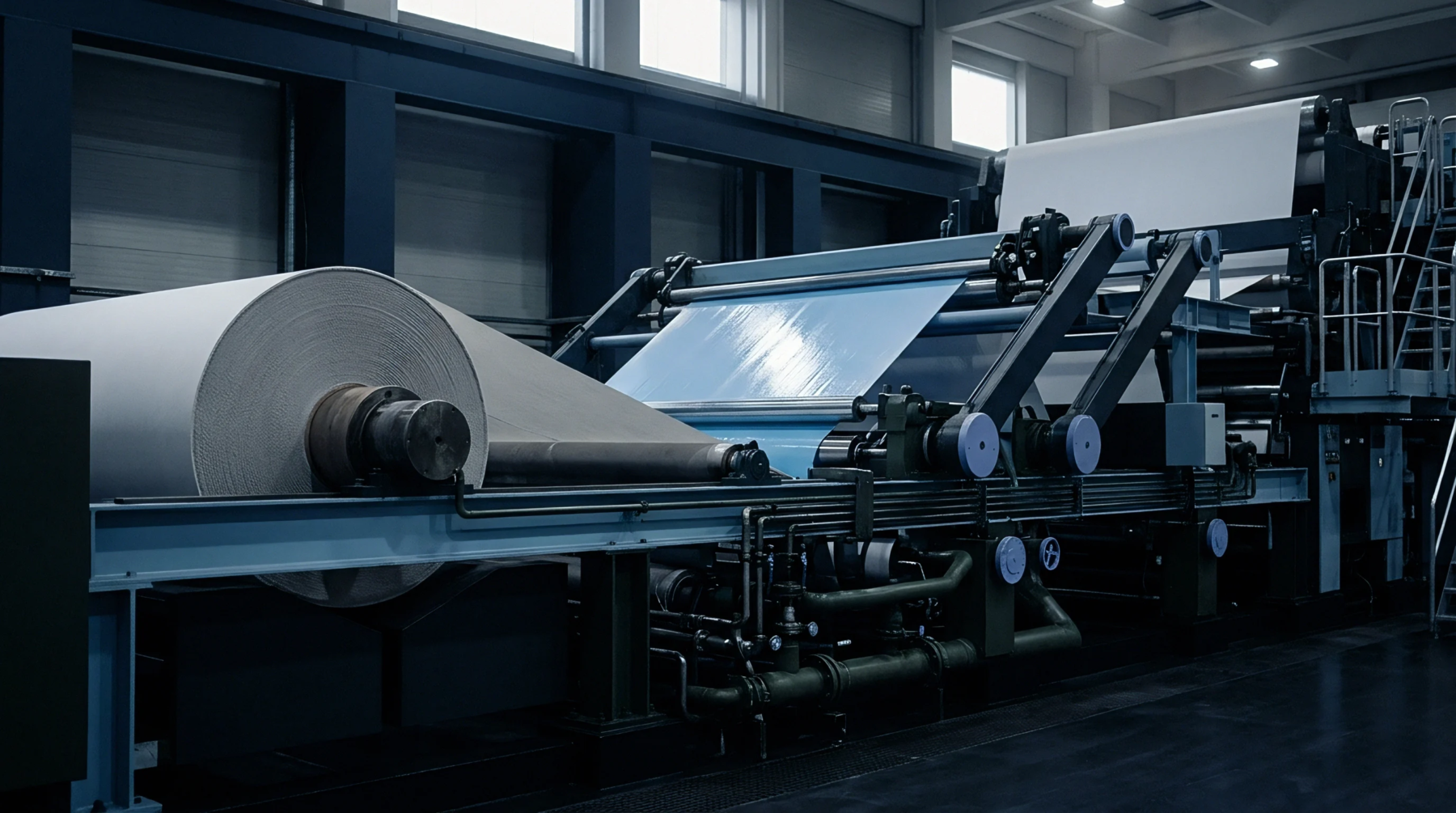
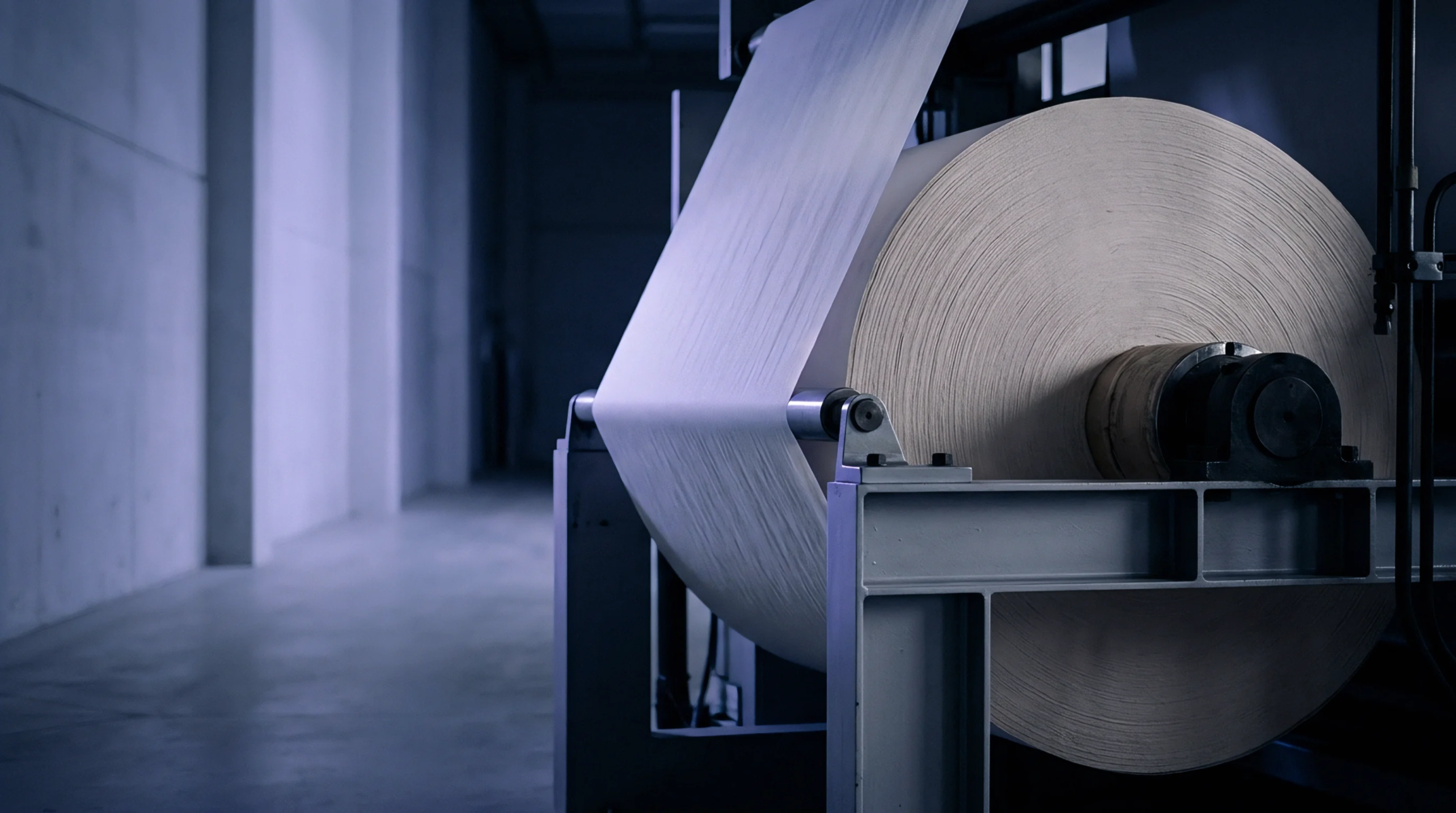
Cellulose fibres undergo physical deformation when exposed to varying levels of relative humidity within a storage or production environment. This phenomenon of hygroexpansion forces the substrate to alter its width and length as moisture content shifts within the sheet structure. Mechanical stresses accumulate as the paper gains or loses water molecules, creating internal tension between bonded fibres.
Precise control over this reaction remains mandatory for multi-colour print registration where alignment depends on a stable sheet footprint.
Material Constraint
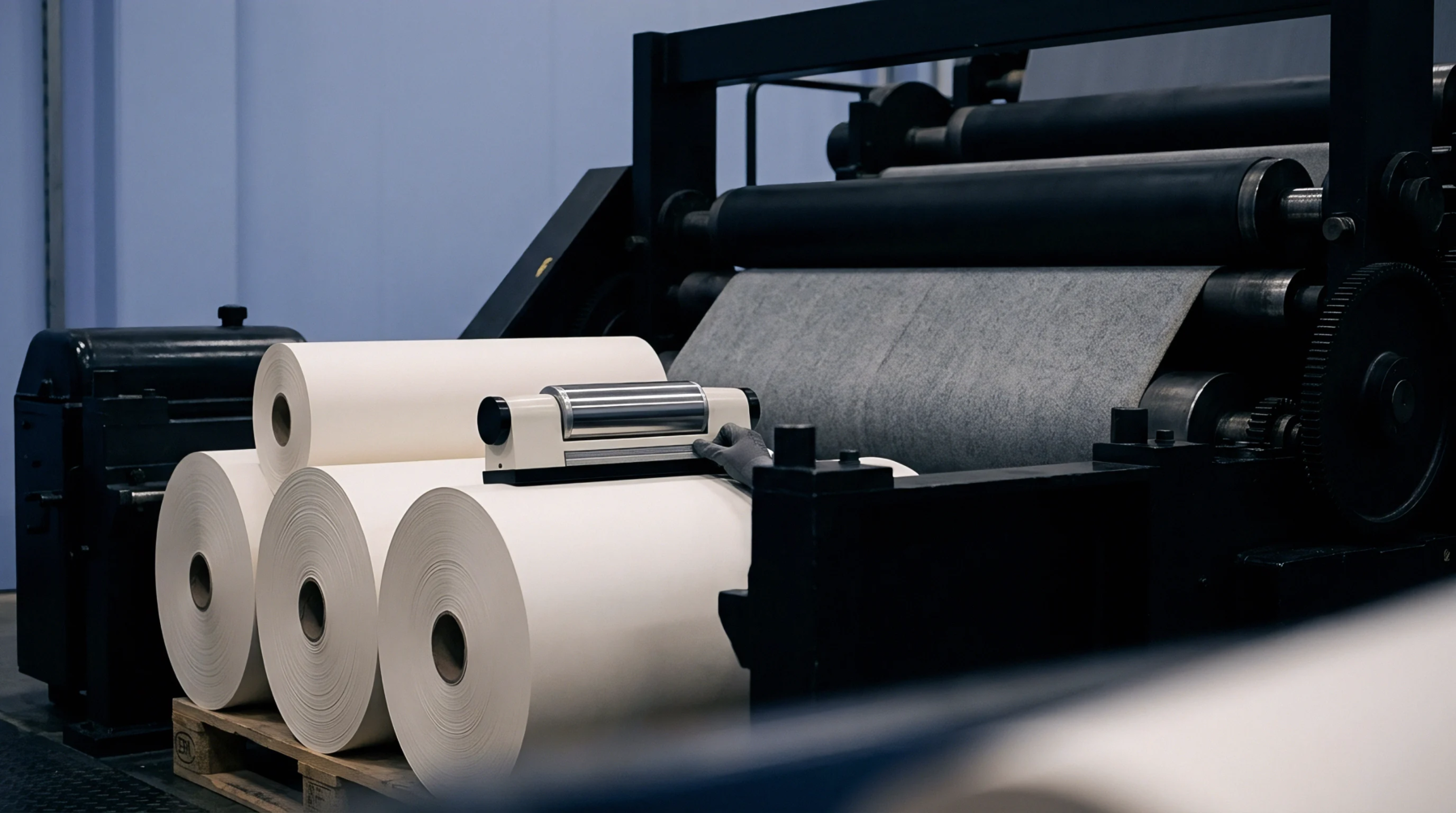
Converters manage hygroexpansion by conditioning stock in climate-controlled warehouses before the material enters the press line. Moisture equilibrium prevents sudden contraction during high-heat drying cycles in offset lithography. Operators calculate the expected change based on the specific grain direction and the initial sizing of the pulp.
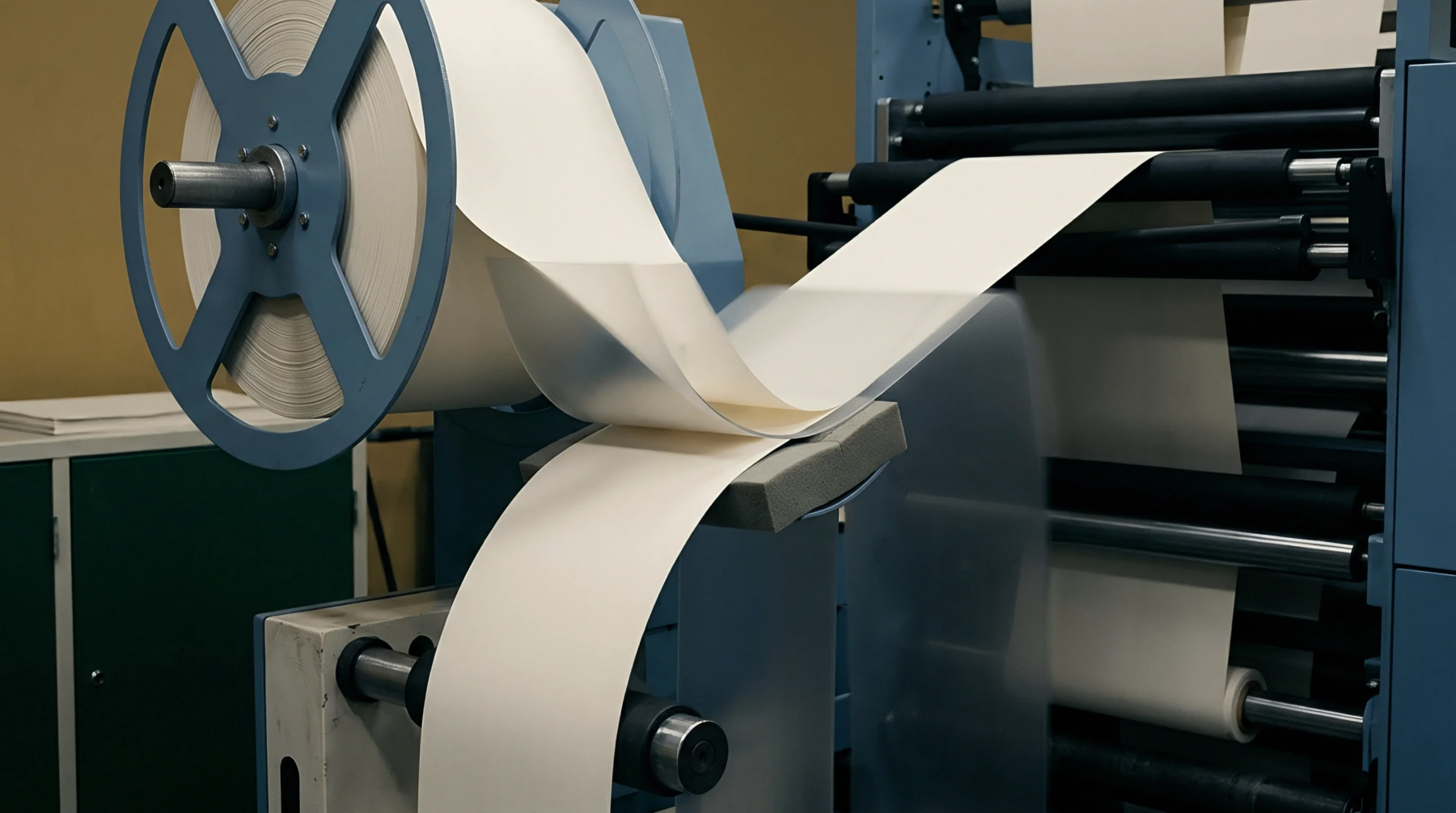
Variations exceeding typical machine tolerances cause web breaks or web path tracking difficulties during high-speed runs.
Performance Expectation
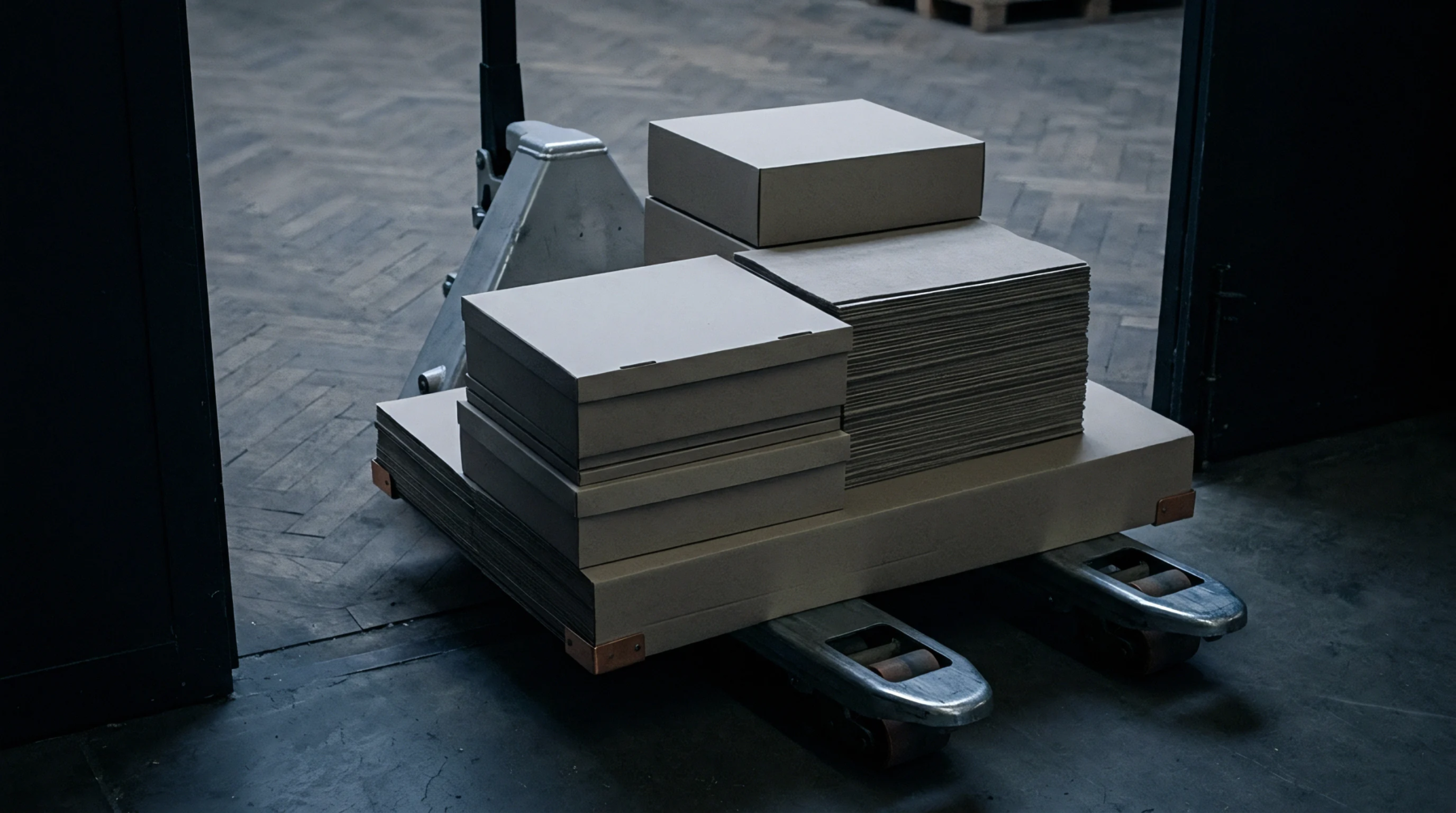
Finished packaging products require resistance to environmental moisture to maintain the integrity of fold lines and adhesive seals. Heavy-duty coatings applied during the manufacturing phase limit the rate of water vapour transmission into the paper matrix. Internal additives inhibit the natural affinity of cellulose for atmospheric moisture, providing the substrate with dimensional stability under fluctuating transit conditions.
Performance limits are set by the physical requirements of the end use application rather than the arbitrary standards of the paper mill.