Physical Architecture
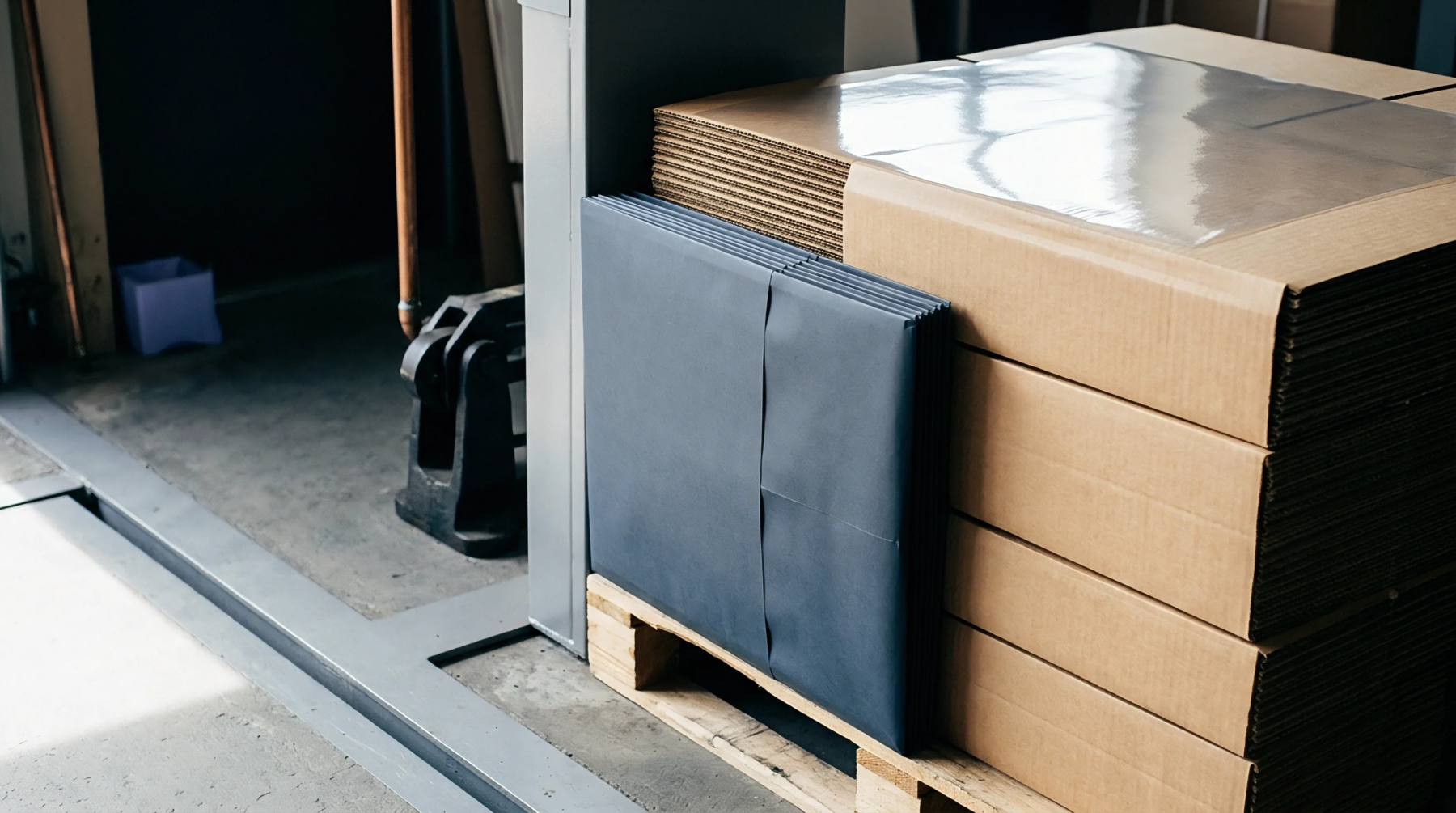
Corrugated board geometry relies on geometric separation where an interlocking stack arranges multiple partitions or vertical dividers in a precise grid to distribute compressive loads across independent channels. This mechanical configuration secures fragile containers during palletization by preventing lateral shifting while simultaneously increasing vertical crush resistance through shared load transfer points. Corrugators fabricate these internal cells from high stiffness containerboard slotted to exact depths, ensuring interference fits that remain stable under cyclic vibration during transit.
Manufacturing tolerances for slot widths demand strict adherence because deviations exceeding fractions of a millimetre cause loose assemblies that compromise box compression performance.
Compressive Load
Vertical weight distribution depends entirely on how efficiently corrugated partitions transfer forces from top tiers to pallet decks without buckling internal webs. Stacking strength calculations account for flute profiles, moisture absorption rates, and geometric alignment inside the carton footprint to predict maximum warehouse load capacities safely. Static loads applied over extended periods induce creep deformation in cellulose fibres, requiring engineers to apply safety margins that compensate for environmental humidity fluctuations in storage facilities.
Packaging Optimization
Material efficiency dictates that internal partition designs minimize heavy grammage consumption while maintaining structural integrity for automated high speed filling lines. Converting plants die cut these interlocking components from recycled kraft linerboards to reduce waste and lower overall packaging carbon footprints without sacrificing stacking performance metrics. Precise slot engagement eliminates the need for chemical adhesives during assembly, which simplifies end of life recycling procedures and accelerates automated packaging operations.