Optimizing Machine Profile Variability Control Limits for High Speed Cartoning Line Substrates
Optimizing machine profile variability control limits requires establishing statistical bounds on cross-web caliper and stiffness to prevent cartoner feed jams.
Caliper
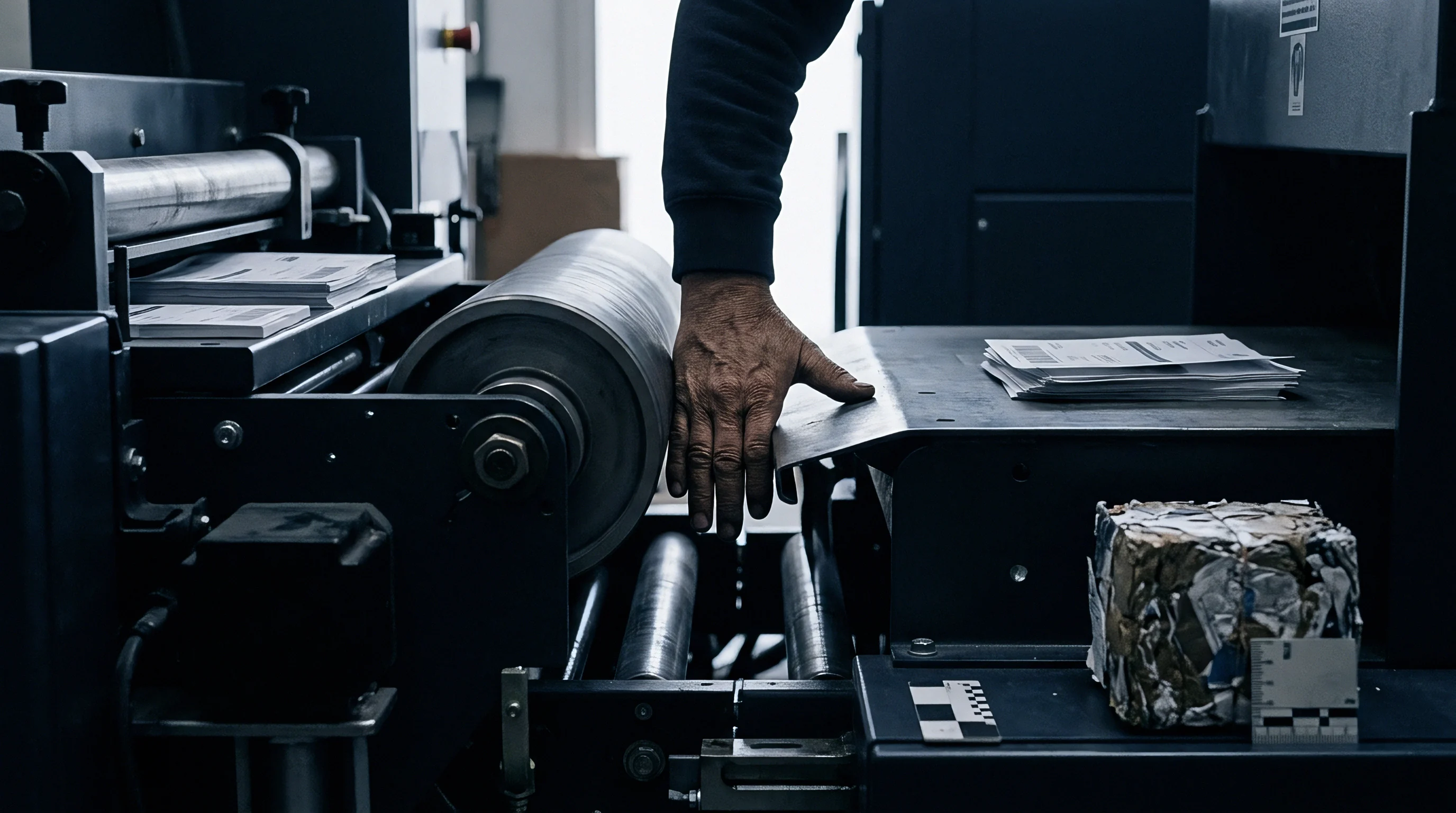
A digital micrometer deadweight drops onto a carton blank under 100 kPa of static pressure per ISO 534, registering 412 micrometres on the operator console. Thirty minutes later, blanks drawn from the opposite edge of the same converted parent roll measure 378 micrometres under identical lab conditioning of 23 degrees Celsius and 50 percent relative humidity. That 34-micrometre delta represents an 8.2 percent cross-web thickness collapse.
When an automated cartoner runs at 800 cartons per minute, this thickness variance shifts feeder suction vacuum timing, distorts carton squaring in the transport lugs, and generates unrecoverable jam rates on continuous-motion loading funnels.
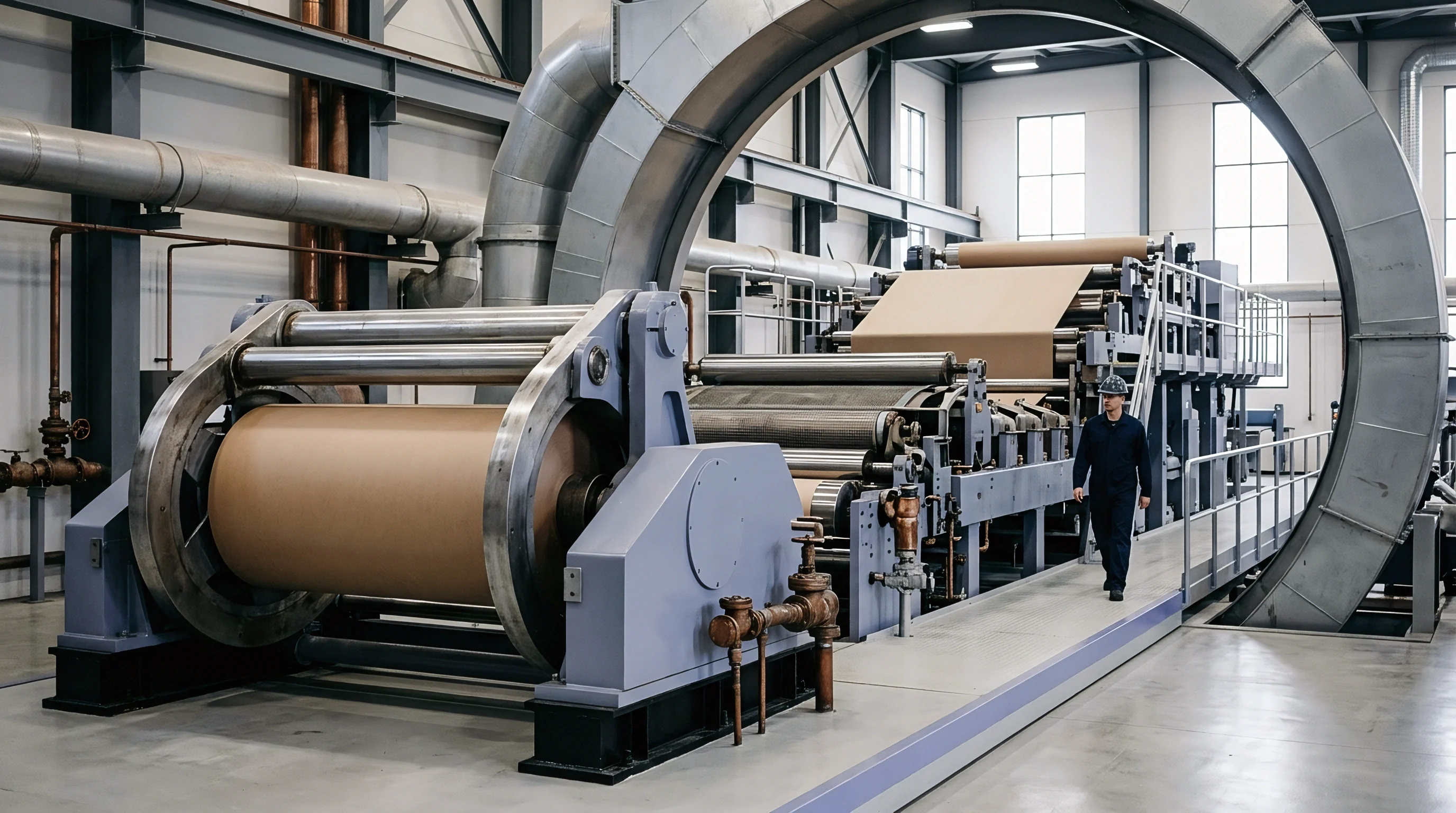
High speed cartoning line substrates demand rigid profile boundaries across both the machine direction and the cross-machine direction. Converting solid bleached sulphate or folding boxboard into sleeves running through rotary pick-and-place mechanisms requires strict dimensional control. Mill reel scanning frames track basis weight and moisture via beta-transmission and infrared absorption sensors, but their internal spatial averaging frequently masks narrow cross-web bands where caliper swings drastically.
A carton blank passing through high-speed rotary vacuum feeds relies on a predictable bending moment.
A caliper drop exceeding six percent across a single parent reel shifts blank extraction trajectories enough to defeat dual rotary feeder suction cups.
The sensor reads zero. Variations originating during wet-end slice lip thermal expansion or headbox multi-tube distributor hydraulic imbalance persist through pressing and calendering. When mills operate with fixed dead-band settings on cross-direction actuators, the resulting sheet carries periodic ridges and troughs.
In continuous cartoning lines running above 600 units per minute, the feeder wheel draws blanks sequentially across the original web orientation. If the line feeder encounters a trough, vacuum drop triggers a misfeed sensor stop. If it encounters a heavy ridge, the blank pinches inside the magazine guides, stalling the entire upstream packaging chain.
Converters and packaging line engineers typically manage incoming carton stock using simple thickness averages recorded on goods-in paperwork. This practice hides systematic line variance. A mill certificate showing an average thickness of 400 micrometres across a three-tonne delivery provides no information regarding localized high-frequency caliper shifts across the machine deckle.
The packaging floor needs statistical process limits tied directly to high-speed mechanical carton opening forces.
Boxboard mills frequently dismiss customer complaints regarding vacuum feed failures by asserting that basis weight remained within standard commercial trade bands of plus or minus five percent across the making.
Drift
Moisture drift directly commands mechanical carton behavior through fiber network relaxation. When folding boxboard leaves the mill sheeter, moisture typically equilibrates between 6.5 and 7.5 percent water content per TAPPI T 412 standards. Exposure to unconditioned packaging floor atmospheres shifts this equilibrium rapidly.
Virgin kraft fibers swell in width by roughly twenty to thirty percent when relative humidity rises from 40 to 75 percent, while fiber length increases by less than two percent. This unequal expansion causes sheet curl, profile distortion, and severe scoring line misalignment.
Cartons jam at speed. Cross-direction moisture profiles on multi-ply boards, such as white lined chipboard or coated duplex grades, generate differential hygroexpansion between the bleached chemical top ply and the recycled mechanical center plies. As water molecules interrupt hydrogen bonding inside the cellulose matrix, the internal modulus of elasticity drops precipitously.
The cartoner relies on cartonboard resisting deformation when side rails push against panels to square the body.
| Substrate Grade | Caliper Window (µm) | Bending Resistance MD (mN) | Score Ratio (CD/MD) | Max Web Drift (%) |
|---|---|---|---|---|
| Solid Bleached Sulphate 350 g/m² | 430 ± 12 | 410 ± 35 | 0.48 to 0.55 | ± 1.8 |
| Folding Boxboard 300 g/m² | 460 ± 15 | 380 ± 40 | 0.42 to 0.50 | ± 2.2 |
| Coated Kraft Back 330 g/m² | 425 ± 14 | 490 ± 45 | 0.52 to 0.60 | ± 1.5 |
| White Lined Chipboard 350 g/m² | 440 ± 22 | 310 ± 50 | 0.38 to 0.46 | ± 3.4 |
Controlling process drift demands continuous evaluation of physical cartonboard properties that directly cause packing line interruptions. Converting floors experience specific operational breakdowns when profile variations cross critical thresholds:
- Magazine extraction failure results from localized board curl exceeding four millimetres across the leading panel edge, breaking suction seal during high-acceleration pull strokes.
- Carton squaring collapse occurs when machine direction bending stiffness drops below 320 millinewtons on ISO 2493 two-point tests, permitting panels to bow inward rather than fold at scores.
- Closure tab tear appears when localized cross-direction tear resistance dips beneath 1800 millinewtons per ISO 1974 Elmendorf methods during high-speed mechanical tucker insertion.
- Adhesive open-time mismatch develops when moisture drift drops board surface temperature or accelerates water carrier penetration during hot-melt glue application, causing bonded flaps to spring open in the compression belts.
Fibre stiffness drops fast. Setting statistical control limits for high-speed cartoning requires decoupling long-term reel-to-reel drift from fast short-span profile shifts. Upper and lower control limits calculated from random pallet sampling fail because sheeted blanks are distributed systematically across the parent reel deckle.
If a sheeting plant runs an eight-roll cutter with multi-web intake, eight distinct cross-machine profile streams enter the same finished carton pallet.
Uncontrolled physical property drift converts a planned 800-carton-per-minute packaging line into an intermittent indexing line operating below 400 units, tripling direct labor allocation and destroying margin.
Web
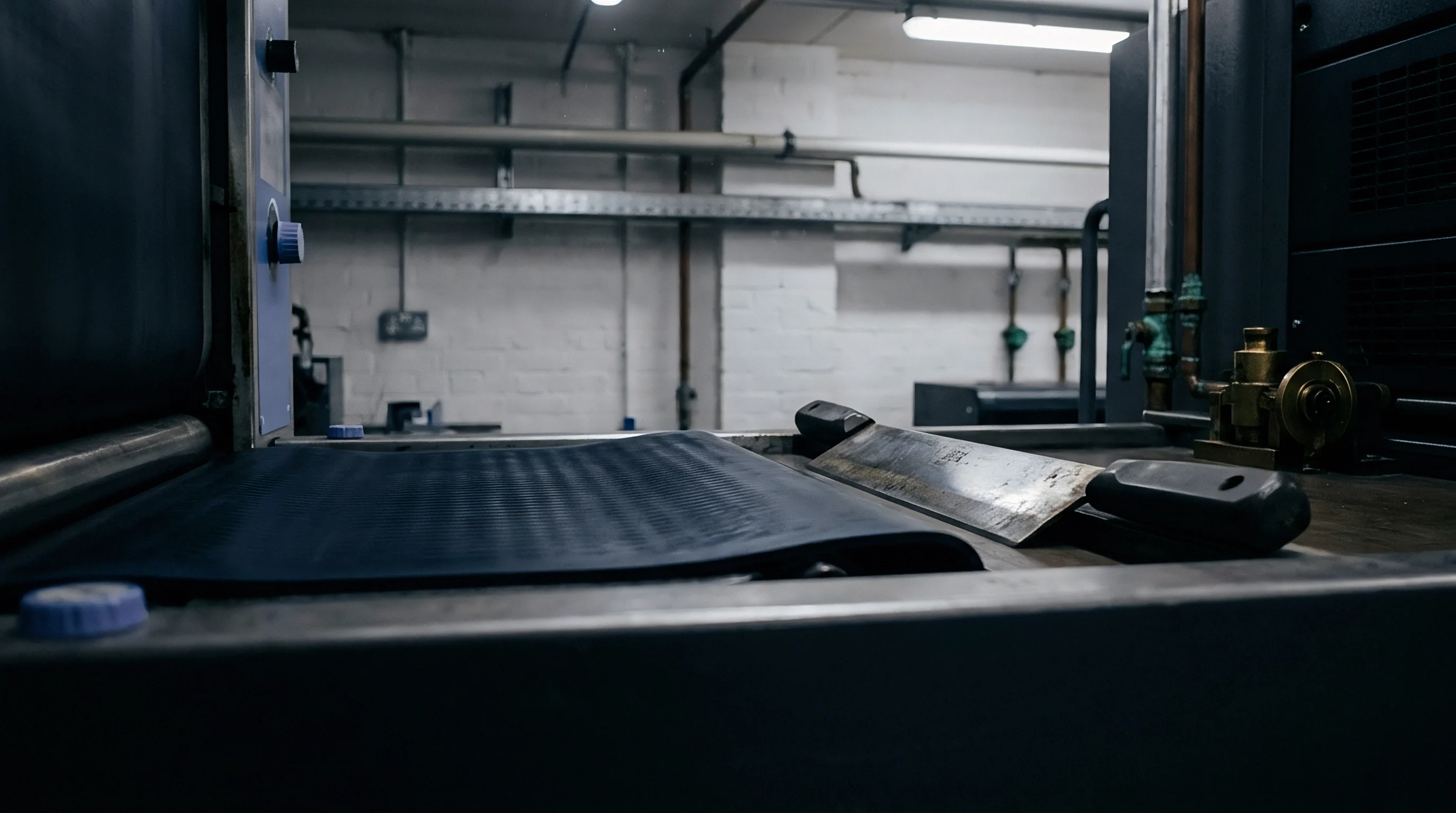
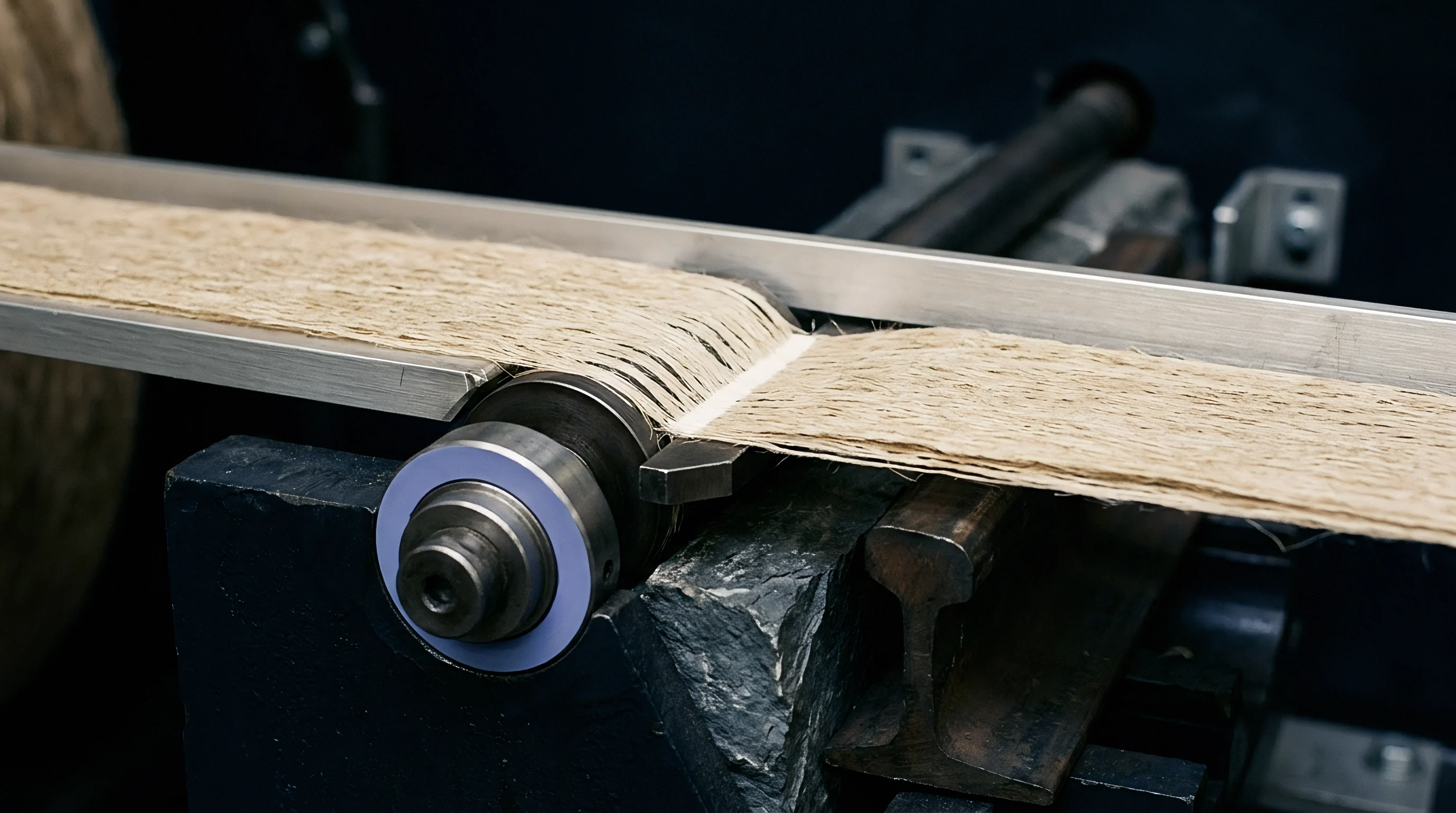
A paperboard web travelling at 900 metres per minute through an offline blade coater exhibits complex transverse tension distributions. Edge flutter and central baggy lanes develop when cross-direction moisture profiles vary by more than 1.2 percent across a 5-metre reel deckle. The converting line receives parent reels wound with uneven radial stress distributions, producing residual strain patterns within the sheeted blanks.
When these blanks are pushed into carton erect magazines, stored viscoelastic strain releases as dimensional distortion.
The vacuum cups leak. Converting machines running high-speed rotogravure or flexographic print units impose heat cycles that further destabilize sheet flatness. In continuous inline cartoning, blanks travel from die-cutting cassettes directly into cartoner product funnels without reconditioning dwell time.
The mechanical tension profiles introduced during papermaking and slitting dictate the physical trajectory of every carton sleeve.
Why Do Cross Direction Variations Evade Scanning Gauges?
Online beta-gauges and infrared scanners traverse the papermaking web on a diagonal path, recording a zigzag scan rather than a true cross-direction profile. A scanning head taking thirty seconds to cross an eight-metre sheet leaves massive machine-direction segments completely unmeasured. High-frequency variations occurring across narrow deckle slices slip past feed-forward actuator control loops unnoticed.
The resulting paperboard roll appears uniform on mill quality control software while containing concentrated streaks of high thickness or dry fiber.
Under TAPPI T 402 room conditioning, moisture absorption alters virgin bleached pulp sheet dimension within ninety seconds of unwrapping.
Establishing control over paperboard profile limits requires an objective, sequential validation protocol conducted before material release to high-speed lines:
- Cut twenty consecutive blanks from each position across the full die-cutter layout across five minute run intervals.
- Measure sheet caliper at eight designated coordinate points per blank using a deadweight micrometer adhering to ISO 534 specifications.
- Determine Taber or L and W bending stiffness on machine and cross directions using ISO 2493 test parameters at a 15-degree deflection angle.
- Calculate the natural tolerance limits as the grand average plus and minus three standard deviations for each die position independently.
- Reject lots where the process capability index falls below 1.33 for caliper or below 1.25 for cross-direction bending stiffness.
The web snaps instantly. Papermakers manage machine-direction variation through stock approach consistency, headbox total head control, and dryer steam group pressure regulation. Cross-direction profile management depends on multi-zone dilution headboxes and segmented induction heating rolls on the calender stack.
Modern dilution headboxes inject varying volumes of white water across two-hundred discrete slice positions across the deckle, decoupling basis weight profile adjustment from fiber orientation angle.
| Parameter | Measurement Protocol | Source Machine Unit | Line Failure Mode | Target Cp Index |
|---|---|---|---|---|
| Basis Weight | ISO 536 (g/m²) | Wet End Headbox Lip | Feed Jam / Infeed Inertia | 1.50 |
| Caliper | ISO 534 (µm) | Calender Stack Nip | Magazine Choke / Suction Drop | 1.45 |
| Moisture Content | ISO 287 (%) | Drying Cylinder Group | Warp / Score Rupture | 1.33 |
| Bending Resistance | ISO 2493 (mN) | Forming Wire Drainage | Erecting Station Collapse | 1.30 |
| Parker Print-Surf | ISO 8791-4 (µm) | Coater Blade Pressure | Code Scanning Illegibility | 1.40 |
The tare weight drifts. Commercial substrate supply contracts specify DIN EN 12281 or ISO standards for testing, establishing delivery criteria. Section 7 of the standard European trade terms for paper and board dictates that shipments conform to declared grammage within a four percent margin of error, extinguishing commercial compensation claims when micro-variations cause line stoppages.

Crease
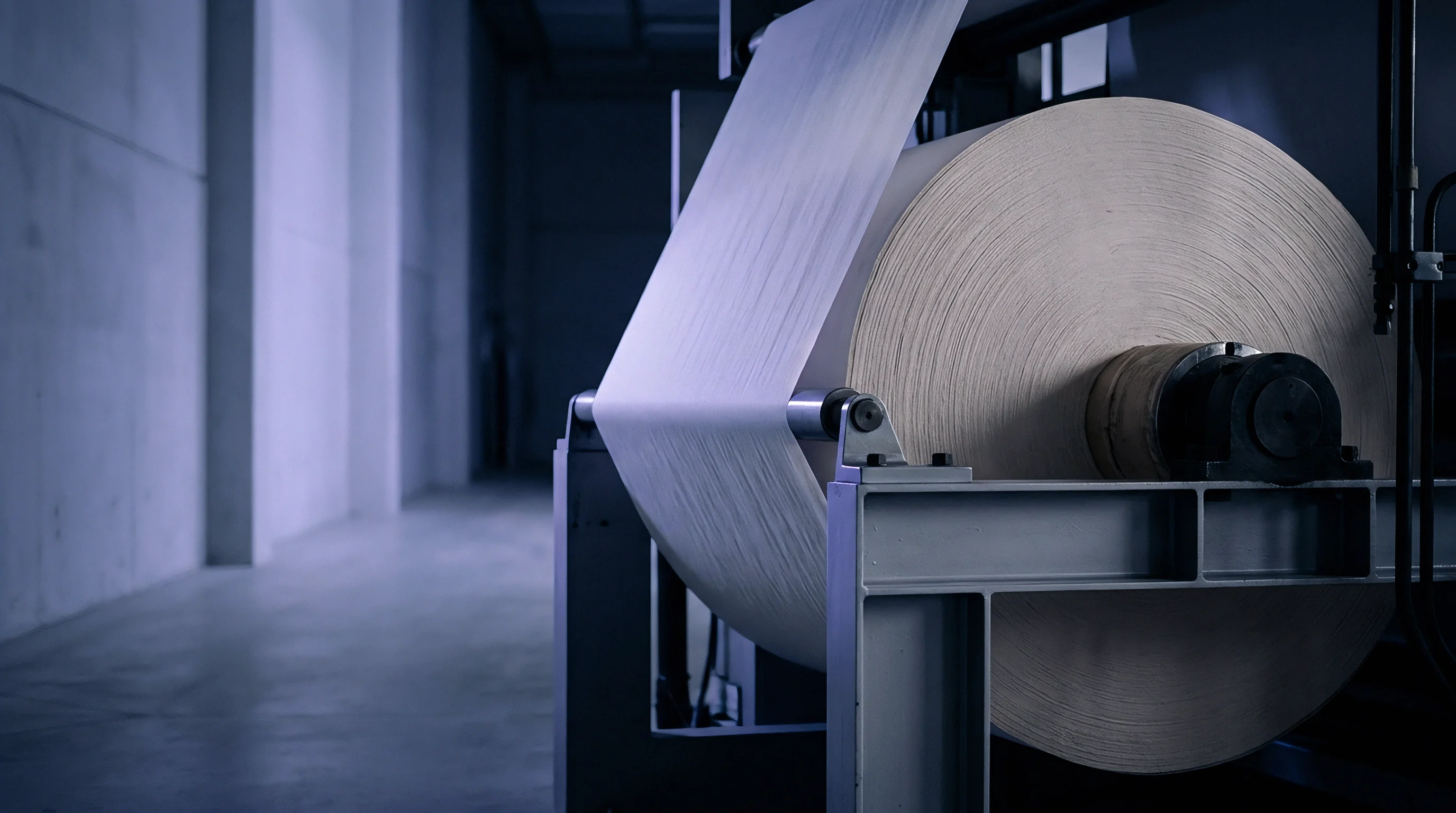
Creasing transforms an elastic paperboard sheet into a mechanical hinge through localized delamination of internal plies. The creasing rule strikes the board into an open groove, inducing controlled shear stress between furnish layers. Solid bleached sulphate boards delaminate neatly into multiple thin lamellae across chemical wood pulp layers.
Recycled grades, containing shorter mechanical fibers and mineral fillers, display brittle shear failure within the internal plies, lowering hinge fatigue resistance.
Cross direction stiffness rules. When carton sleeves enter high-speed cartoner erecting stations, rotating mechanical fingers strike the bottom panel while top vacuum suction cups pull the front panel. The carton must erect precisely into an open square.
If the creasing force ratio between the fold line and the uncreased board panel deviates outside strict parameters, the sleeve bows outward or collapses entirely.
How Do Rotary Scorers Amplify Moisture Transients?
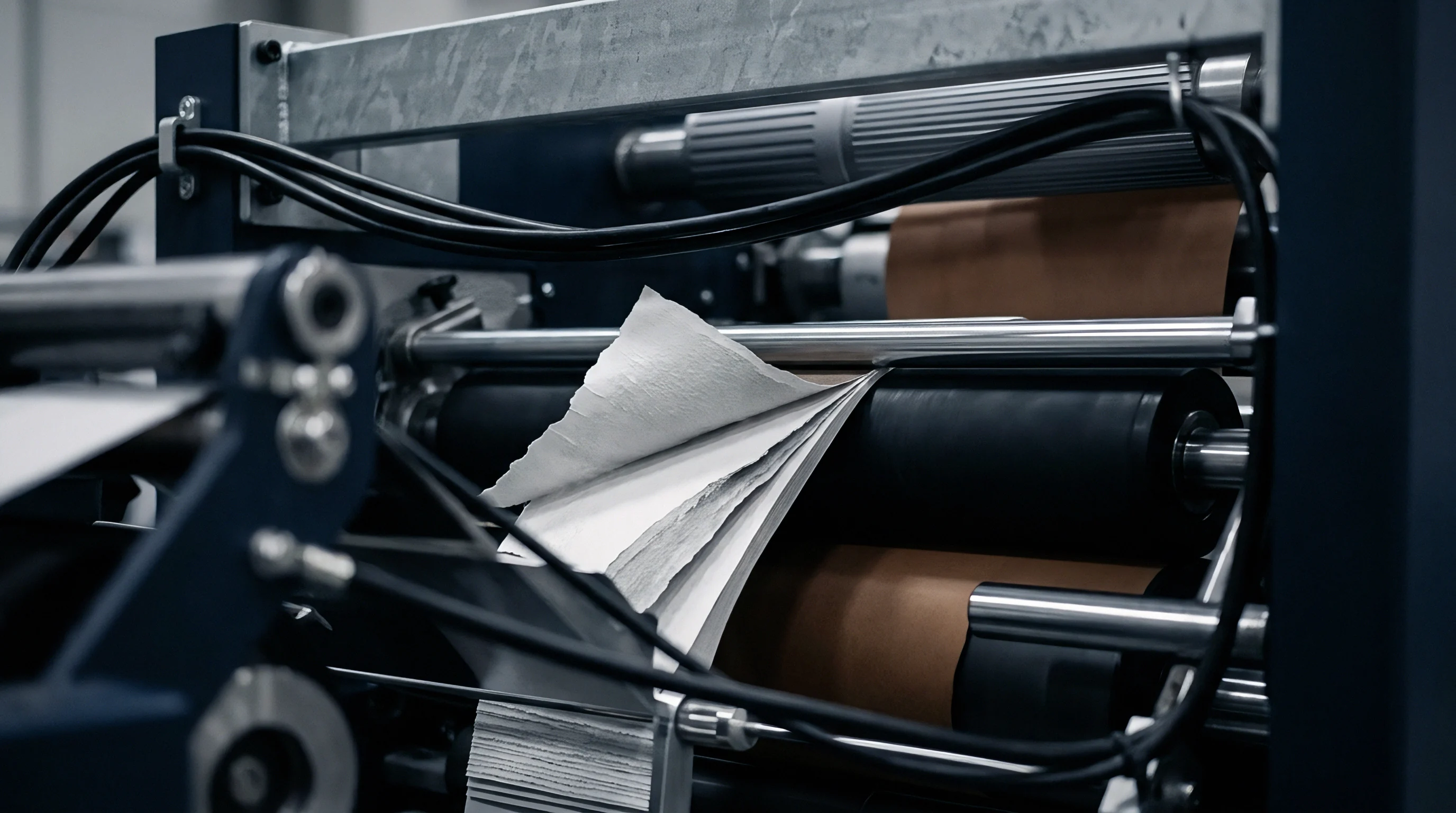
Rotary scoring wheels running on inline rotary die-cutters concentrate mechanical energy onto narrow deformation zones. If board moisture content drops below 6.0 percent, fiber networks lose plastic flow capacity, generating microscopic fissures along the hinge base. When moisture rises above 8.5 percent, the fiber network yields too readily without internal layer delamination, producing a spongy, indistinct fold axis that wanders during high-speed erection.
A contract delivery specification holding carton score opening resistance between 120 and 220 millinewtons eliminates carton squaring failures on 800-pack-per-minute lines.
Scores split under pressure. Crease optimization requires controlling five interdependent mechanical parameters across die manufacturing and converting:
- Rule width tolerances maintained within plus or minus 0.02 millimetres prevent asymmetric fiber shear across adjacent panel edges.
- Channel depth profiles matched precisely to board caliper prevent excessive bottom liner penetration during dynamic punch cycles.
- Counter matrix channel width calculated at board thickness multiplied by 1.5 plus rule width preserves uncracked printable outer clay coats.
- Hinge recovery angle verified on a Marbach or Lorentzen and Wettre crease tester ensures backspring force remains under thirty percent of initial fold force.
The knives run hot. In flatbed die-cutting, cutting plate temperature increases over continuous production shifts, altering make-ready channel clearance. A knife block warming from 20 to 45 degrees Celsius expands steel rule dimensions, deepening creases by 15 micrometres over four hours of operation.
High-speed cartoners instantly register this drift as changing carton opening force.
A fundamental operational question remains regarding how much internal delamination can be tolerated on light-weight multi-ply boards before edge compression strength falls below commercial pallet stacking thresholds.
Margin
Economic viability on automated packaging lines hinges on running lightweight boxboard without sacrificing run efficiency. Take a high-volume pharmaceutical packaging operation consuming 120 million carton sleeves annually. At an average board weight of 300 grams per square metre and an unblanked sheet dimension of 0.04 square metres per unit, annual paperboard consumption reaches 1,440 metric tonnes.
With solid bleached sulphate trading at approximately 1,650 euros per metric tonne delivered, base substrate expenditure totals 2,376,000 euros.
Lines run hot. Converting the specification from 300 g/m² solid bleached sulphate to a 265 g/m² folding boxboard saves 168 metric tonnes of fiber per year, reducing direct substrate purchase outlays by over 380,000 euros. Folding boxboard yields identical caliper to solid bleached sulphate due to a mechanical pulp middle ply delivering superior bulk per unit weight.
However, folding boxboard exhibits wider cross-direction stiffness variations and lower tear resistance.
| Operational Metric | Virgin SBS Baseline | High-Bulk FBB | Recycled WLC Alternative | |
|---|---|---|---|---|
| Substrate Caliper (µm) | 400 | 400 | 400 | |
| Basis Weight (g/m²) | 300 | 265 | 350 | |
| Delivered Ton Price (€/t) | 1,650 | 1,520 | 1,050 | |
| Annual Board Spend (€) | 2,376,000 | 1,933,440 | 1,764,000 | |
| Line Jams per 100k Cartons | 1.2 | 4.8 | 18.5 | |
| Net Cartoner OEE (%) | 88.5 | 84.1 | 68.2 | |
| True Cost per 1k Cartons (€) | 21.80 | 18.95 | 22.40 | |
| OEE baseline calculated across 4,000 operating hours at 800 cartons per minute rated speed with 15-minute jam recovery downtime penalties. | ||||
The feeder pulls blanks. Recycled white lined chipboard appears attractive on initial invoice review at 1,050 euros per tonne, yet it demands a 350 g/m² basis weight to achieve required bending stiffness. Tonnage requirements increase to 1,680 tonnes.
Furthermore, the elevated line stoppage rate of 18.5 jams per hundred thousand units slashes Overall Equipment Effectiveness down to 68.2 percent, turning raw material invoice savings into severe production deficits. Downtime costs on high-speed lines, carrying direct labor, downstream bottle accumulator backup, and autoclave batch starvation, average 1,200 euros per unrecovered hour.
Glue bonds fail cold. Managing control limits across machine profile parameters protects line throughput against invisible converting variances. A packaging engineer specifying substrate control boundaries ensures that economic gains achieved through downgauging or grade substitution are not surrendered to line stoppages at the cartoner feed station.
Paperboard thickness and bending stiffness govern line efficiency long before visual print defects appear on the packaging floor.
Line efficiency collapses rapidly. Tonnage charges accumulate daily. High-speed cartoning performance settles where substrate profile variability matches the mechanical tolerances of feeding equipment.