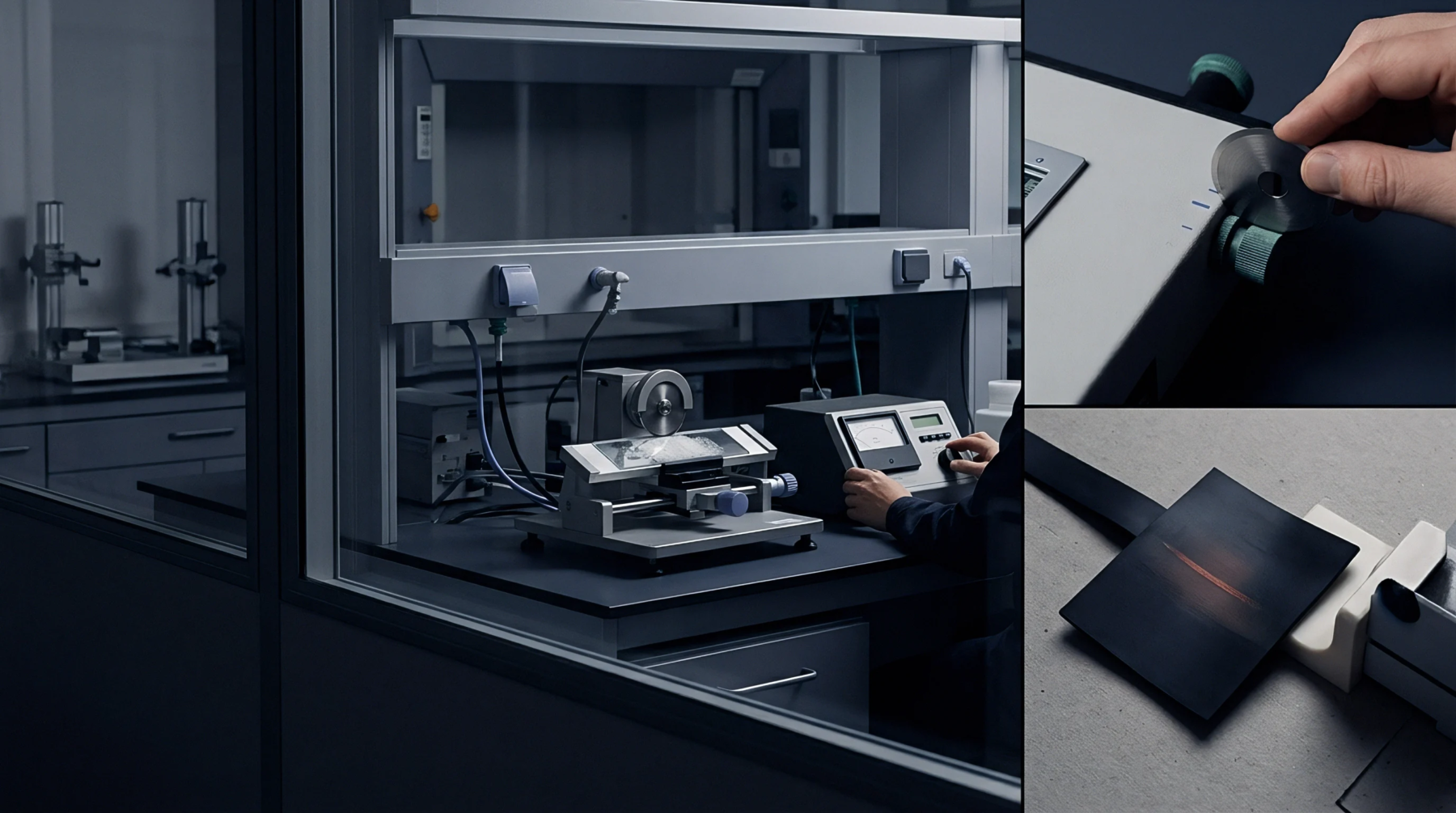
Dynamic Cross Direction Caliper Profile Correction Mechanics on Paperboard Machines
Dynamic cross direction caliper profiling uses induction heating to thermally expand calender rolls, flattening peaks without crushing uncalendered core bulk.
Dynamic cross direction caliper profiling uses induction heating to thermally expand calender rolls, flattening peaks without crushing uncalendered core bulk.
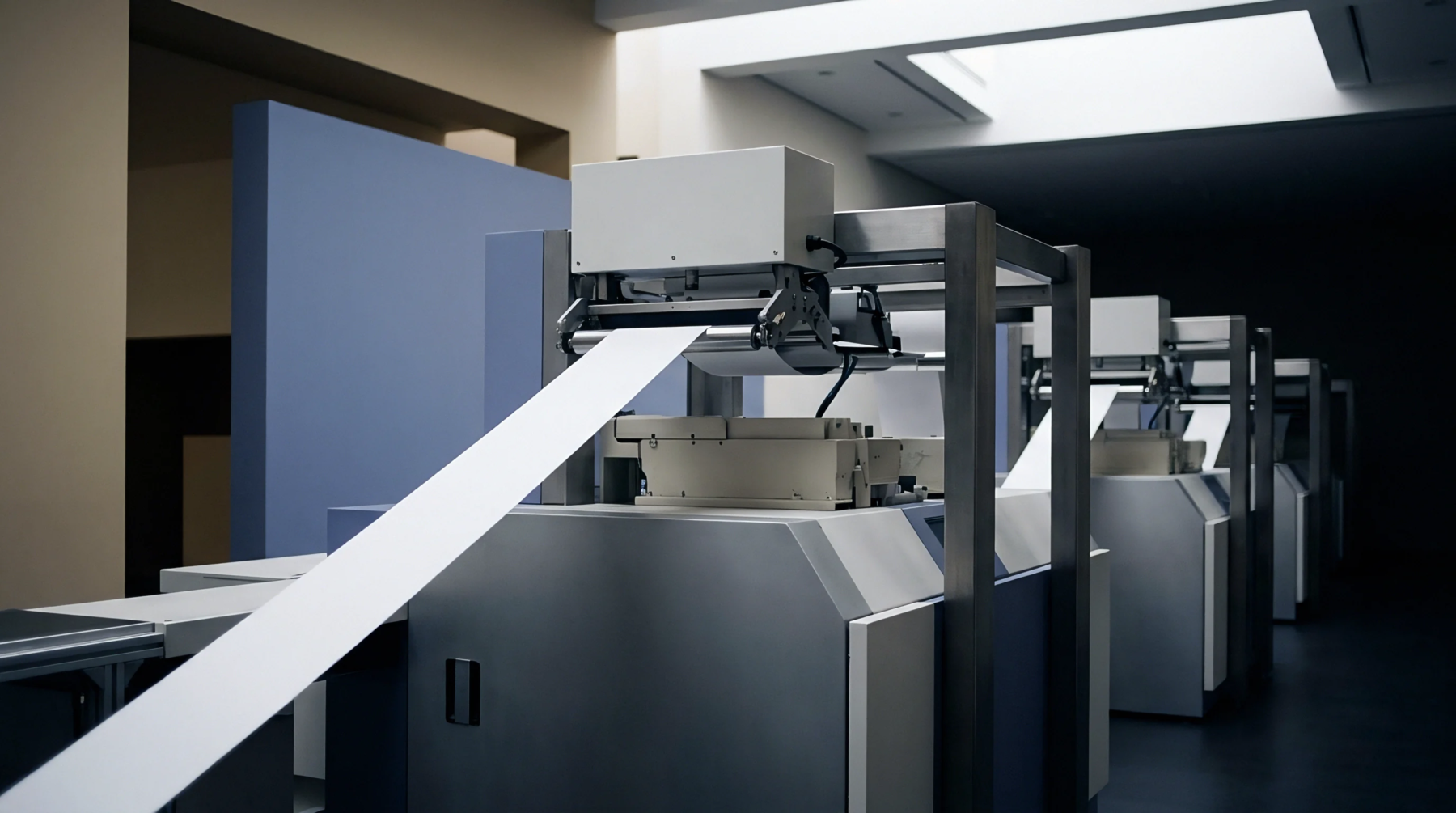
Dynamic linear programming minimizes paper deckle trim waste by dynamically recalculating slitting patterns using real-time column generation methods.

Cross-direction grammage drift forces wider edge trim allowances on rotary sheeters, reducing deckle yield and creating converting quality issues.
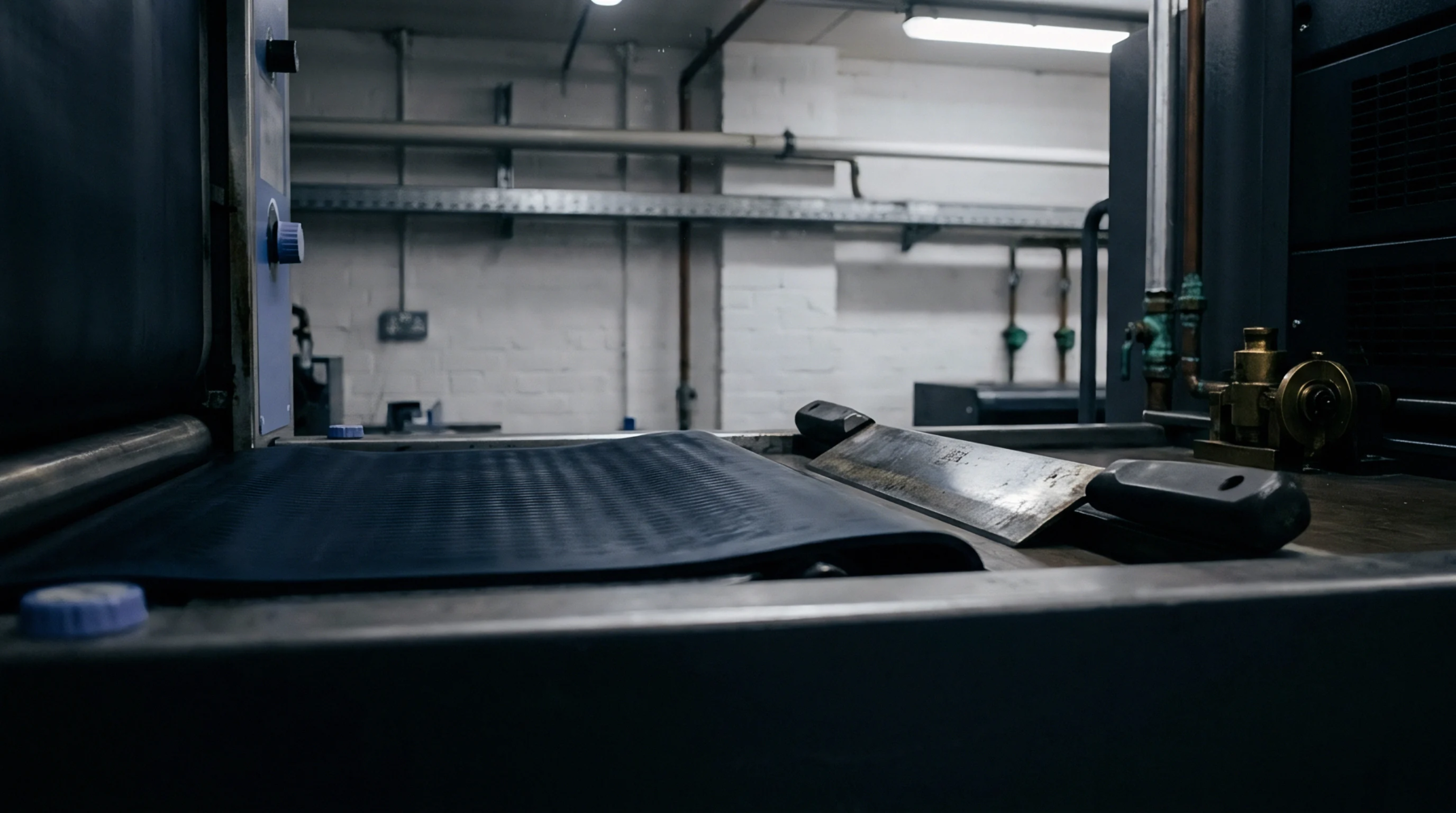
Optimizing machine profile variability control limits requires establishing statistical bounds on cross-web caliper and stiffness to prevent cartoner feed jams.
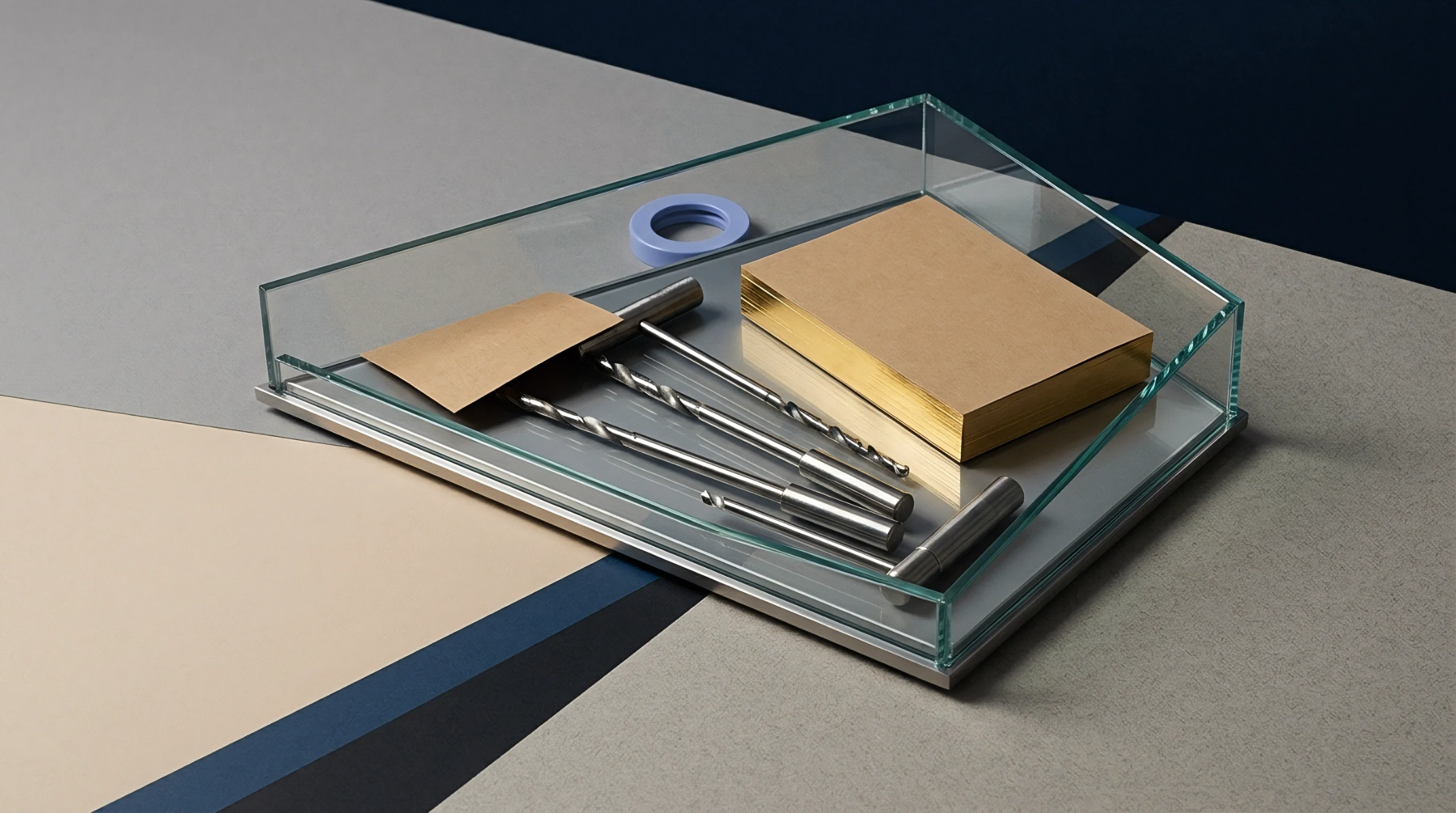
Verify paperboard grammage under ISO 536 by conditioning punch specimens at 23 C and 50 percent relative humidity under ISO 187 to protect converting area yield.

Dual beam telecentric triangulation delivers non-contact web caliper measurement by cancelling flutter and eliminating lens magnification errors across moving webs.
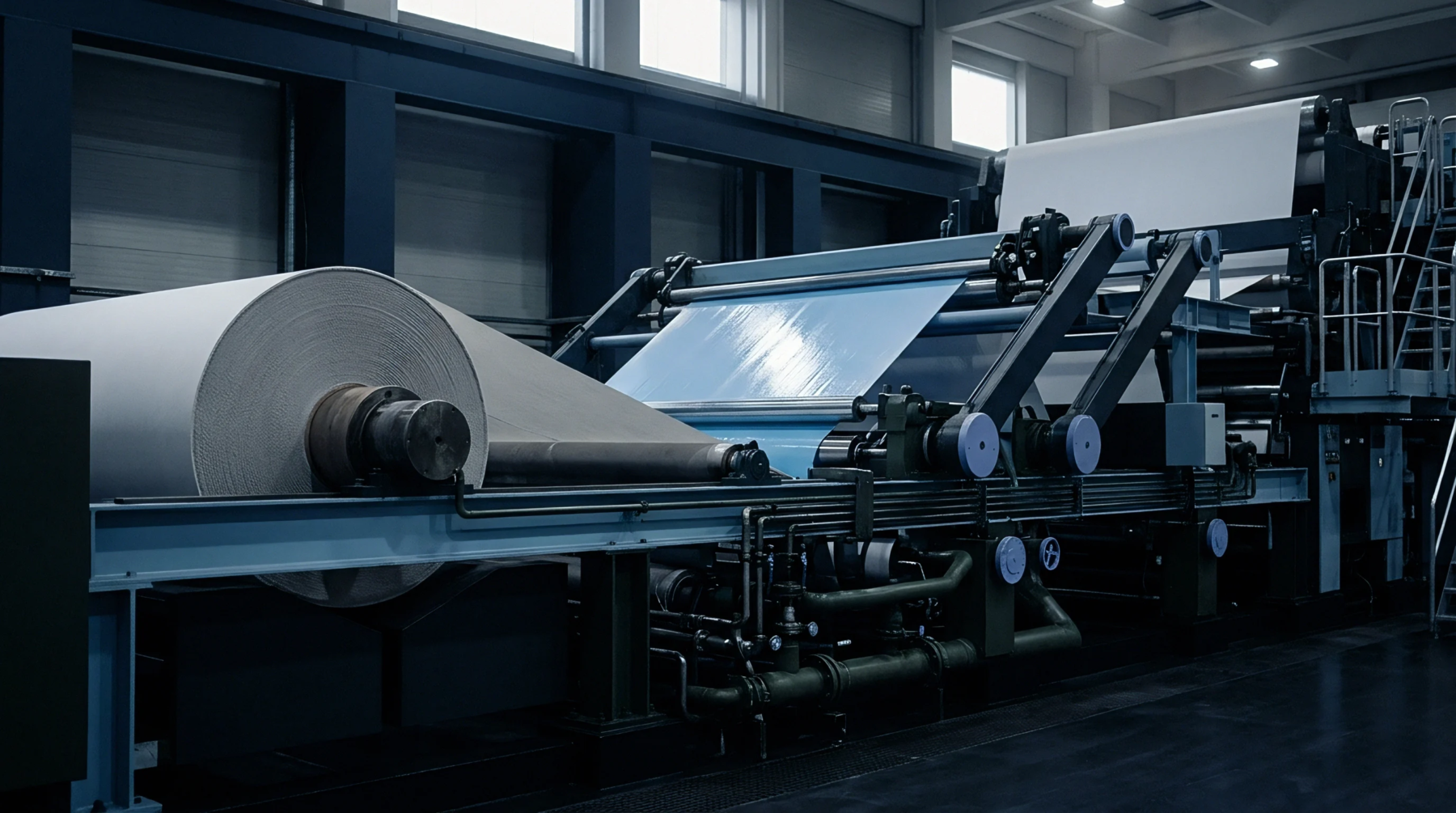
Web trim allocation optimizes machine deckle fill through dynamic linear programming, reducing edge slitting broke to lower landed packaging substrate costs.
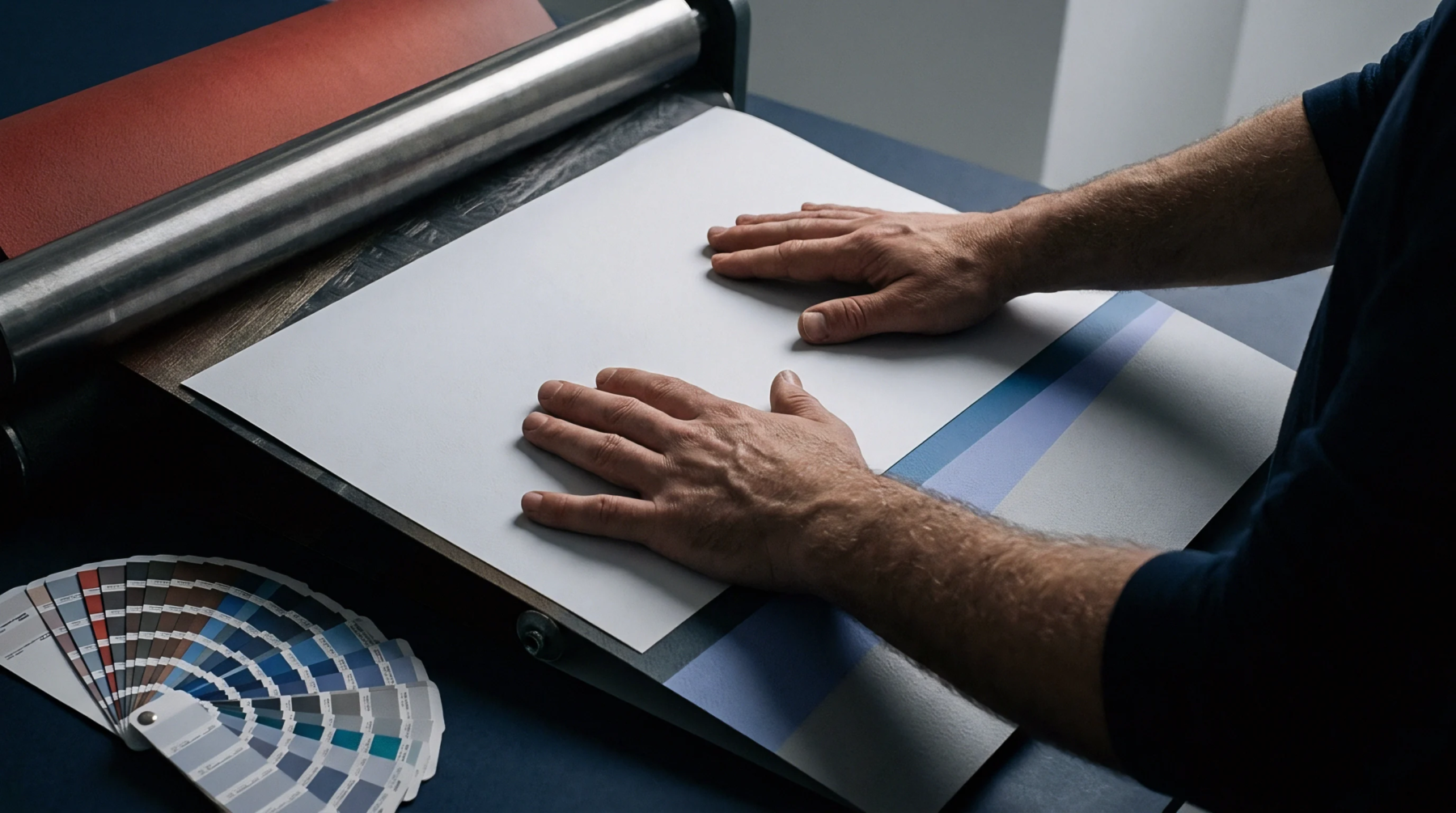
Statistical process control in substrate converting relies on sub-grouping across machine direction variance and isolating non-normal barrier defects.
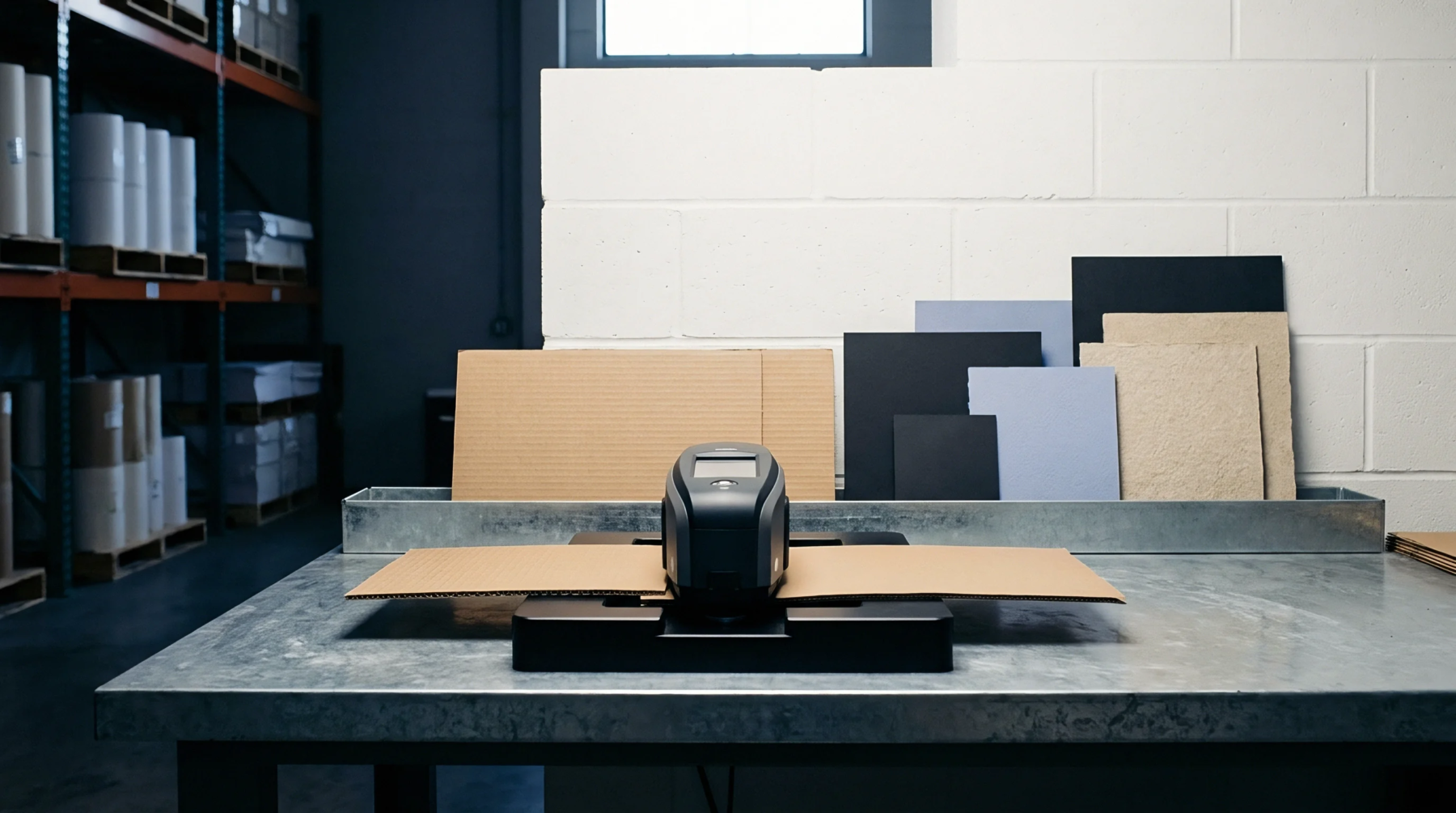
Grammage and caliper variance mechanics govern substrate bulk, bending stiffness, press throughput, and sheet yield per metric tonne in packaging board swaps.
Expertise is a utility, not a secret. sentiention™ publishes its working knowledge as open reference: intelligence layer covering the materials it sources, the markets it enters, and the reference that serves both.