Cross Direction Elongation Limits in Folding Boxboard Conversion Processes
Cross-direction elongation between 3.2% and 4.8% prevents outer liner cracking on folding boxboard when matrix channel width equals rule size plus 1.5 times caliper.


Mechanics
Tensile stress develops across carton blanks the moment a creasing rule forces paperboard into a counter-matrix channel. Sheet calipers between 350 and 800 micrometres experience severe deformation across their thickness, redistributing forces through individual plies. The cross-machine direction exhibits significantly lower modulus and higher ultimate stretch than the machine direction, dictating how the exterior liner behaves during fold formation.
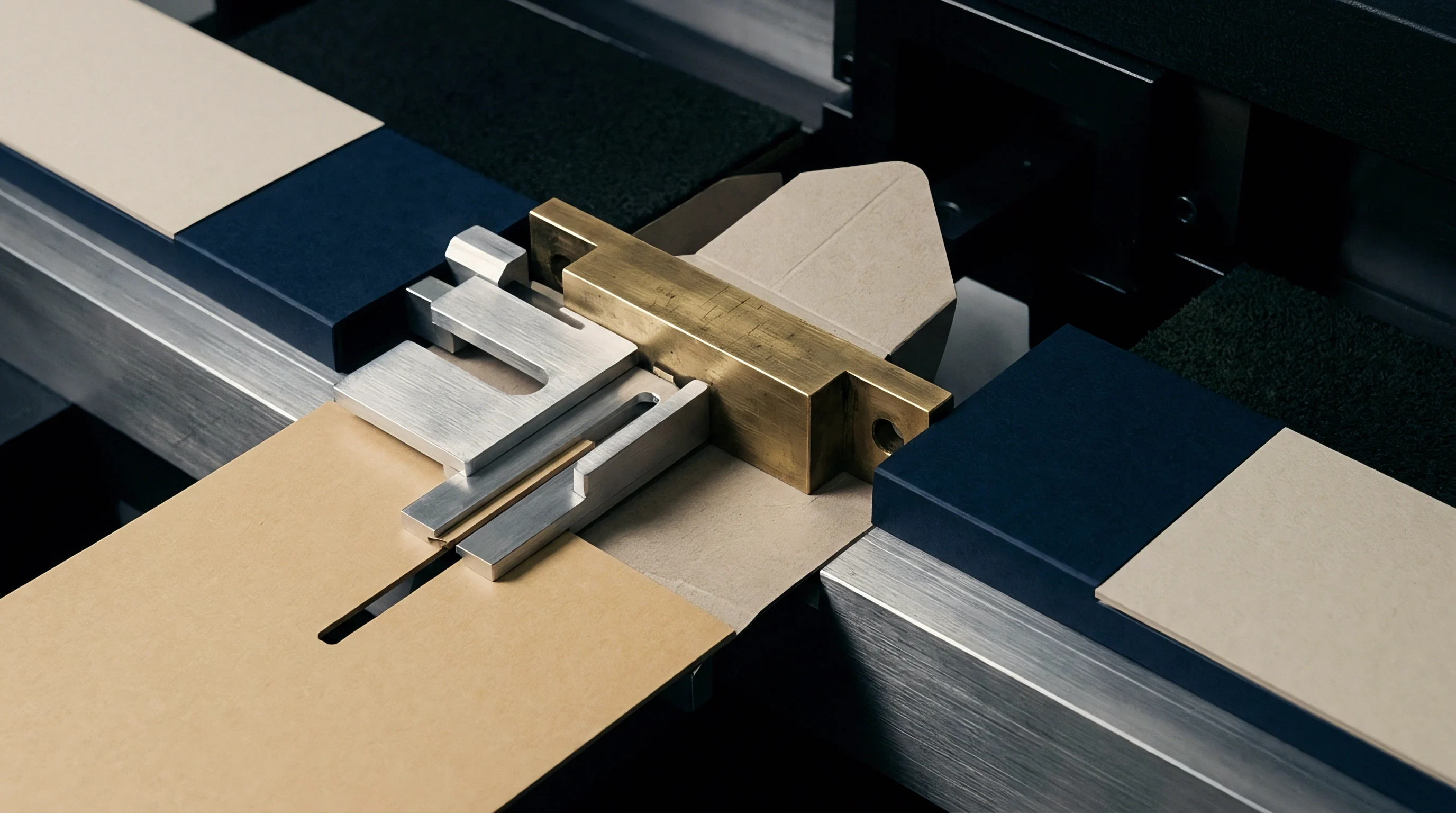
Fibre Alignment and Tensile Strain Distribution
Paperboard webs running through fourdrinier or multi-vat formers orient wood cells predominantly parallel to the travel axis. This directional bias gives cross-direction paperboard an elongation capacity of 2.8 percent to 4.8 percent under ISO 1924-2 testing conditions, whereas the machine direction arrests deformation between 1.2 percent and 2.1 percent. During ninety-degree or one-hundred-and-eighty-degree carton panel folding, bending lines running parallel to the machine direction force the outer surface to stretch transversely across those oriented cells.
The exterior bleached chemical pulp liner bears pure cross-directional tension across the fold shoulder.
Tensile strain concentrates immediately. When the board wraps around the creasing bead, the outside surface stretches while the inner plies compress inward into a delaminated hinge. If cross-direction elongation capacity falls short of the circumferential stretch demanded by the outside radius, micro-cracks form along the pigment coating layer and propagate into the top linerboard.
Stiff chemical fibres resist extension, transferring load across inter-fibre hydrogen bonds until rupture intervenes.
A virgin folding boxboard conditioned at 23 degrees Celsius and 50 percent relative humidity exhibits cross-direction tensile elongation at break between 3.2 percent and 4.6 percent under ISO 1924-2 testing.

Creasing Rupture Modes on High-Speed Die-Cutters
Platen presses cycling at eight thousand sheets per hour subject each score line to instantaneous mechanical shock. Folding boxboard conversion processes encounter four distinct physical failures when cross-direction elongation thresholds prove inadequate:
- Tensile surface splitting develops when the outer bleached chemical layer exceeds its elastic stretch boundary during rapid ninety-degree corner folding.
- Inter-ply shear failure occurs through premature delamination of middle plies before the creasing channel completes its inward displacement.
- Coating flake separation detaches mineral pigment layers from the base sheet along printed package boundaries. Two distinct fissures form along the ink film interface.
- Bead burst delamination tears internal layers outward into the matrix cavity during excessive punch penetration.
Brittle plies fracture instantly. Converting lines running below acceptable elongation windows generate jagged, ungluable edges, erratic score opening forces, and catastrophic carton jams within downstream packaging funnels.


Anatomy
Bleached chemical pulp liners sandwich a bulky central core formed from thermo-mechanical or stone groundwood pulp. This triple-ply or quadruple-ply architecture grants folding boxboard high bending stiffness per unit of basis weight. The mechanical middle plies deliver volume, while the outer bleached kraft plies resist tensile and compressive loads during conversion.
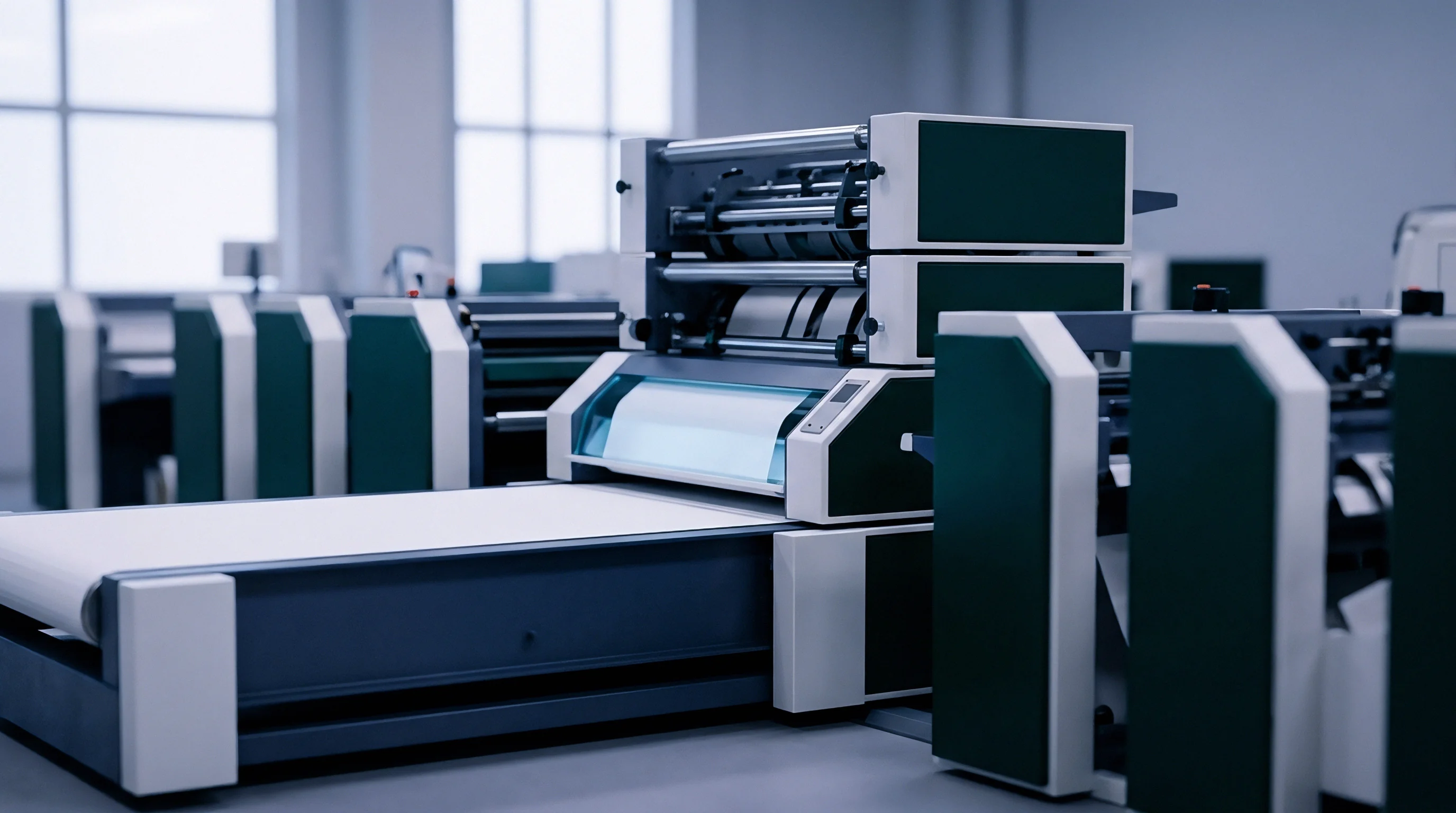
Multi-Ply Stratification and Delamination Dynamics
Cohesion between individual plies controls the folding mechanism. A properly formed crease forces the mechanical core to delaminate internally, creating a defined set of shear planes that bulge inward to form a female bead. This controlled internal failure shields the outer chemical pulp layer from excessive tensile strain by reducing the effective bending radius of the outside panel.
Delamination absorbs the folding stress. High Scott bond values exceeding 220 Joules per square metre prevent internal shearing, forcing the entire sheet thickness to act as a monolithic beam. Monolithic bending raises outer surface strain far beyond four percent, guaranteeing cross-direction tensile cracking on simple ninety-degree folds.
Higher bulk improves bending stiffness while reducing the permissible elongation before outer surface fissures develop.

Mechanical Pulp Cores versus Chemical Liners
Thermo-mechanical pulp contains lignin-rich, rigid fibres that separate under lower shear stresses than chemical pulp. This physical property allows virgin folding boxboard to crack internally along the middle plies during creasing while the outer chemical liner remains intact. Solid bleached sulphate boards, by contrast, possess dense, all-chemical sheets with cross-direction elongation values often reaching 5.5 percent, yet their resistance to internal delamination raises the strain placed on outer surfaces.
| Board Grade Designation | Grammage (g/m²) | Caliper (µm) | Bulk (cm³/g) | CD Stretch at Break (%) | CD Bending Resistance (mN) |
|---|---|---|---|---|---|
| GC1 Folding Boxboard | 250 | 395 | 1.58 | 3.8 | 125 |
| GC1 Folding Boxboard | 300 | 490 | 1.63 | 3.6 | 245 |
| GC2 Folding Boxboard | 280 | 450 | 1.61 | 3.4 | 210 |
| GC2 Folding Boxboard | 350 | 580 | 1.66 | 3.1 | 420 |
| Solid Bleached Board (SBB) | 300 | 375 | 1.25 | 5.2 | 185 |
Dry sheets fail earlier. Mills frequently defend fractured cartons by arguing that client die-tooling clearances failed to match the certified caliper of the incoming consignment.
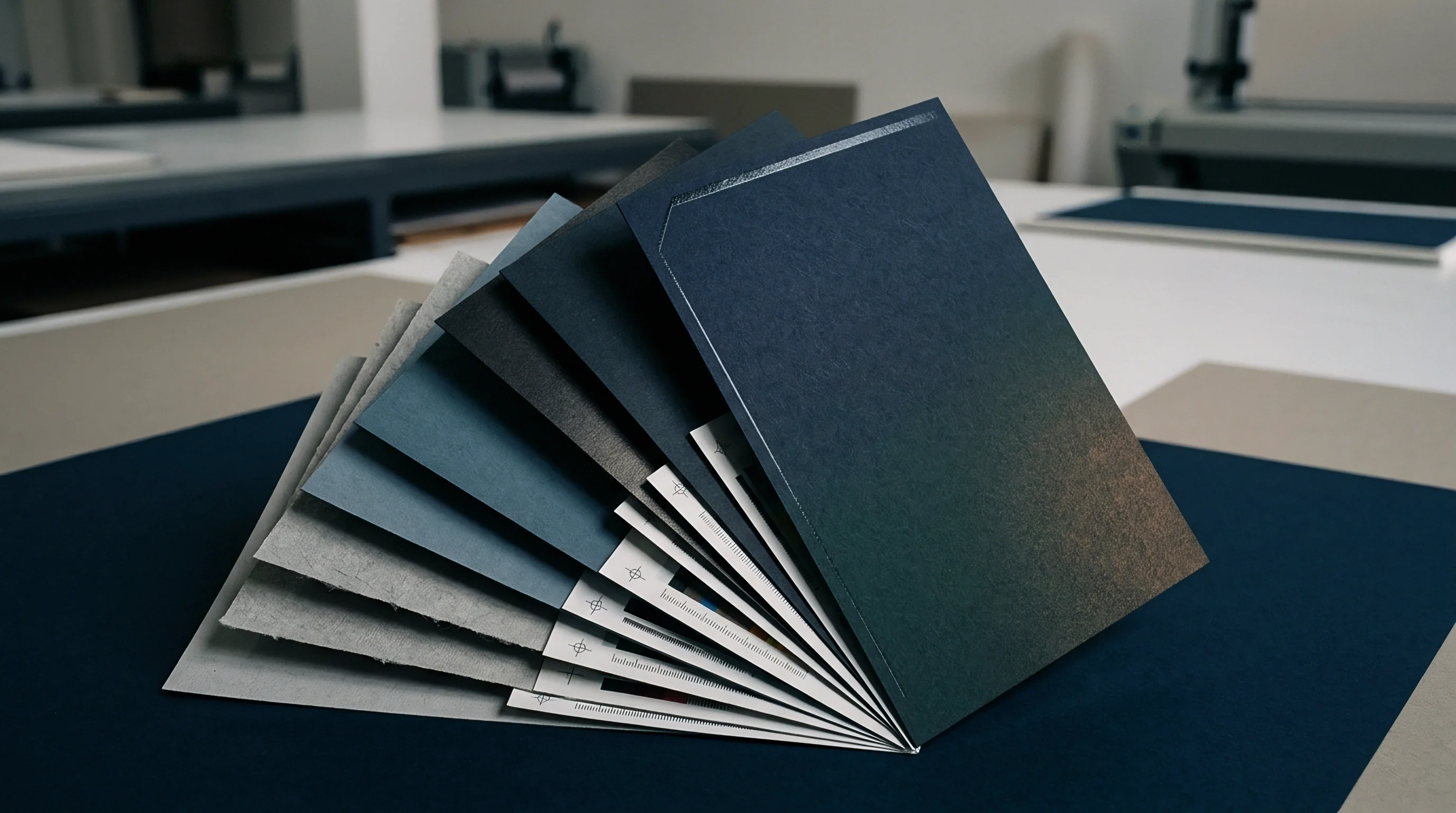
Groove
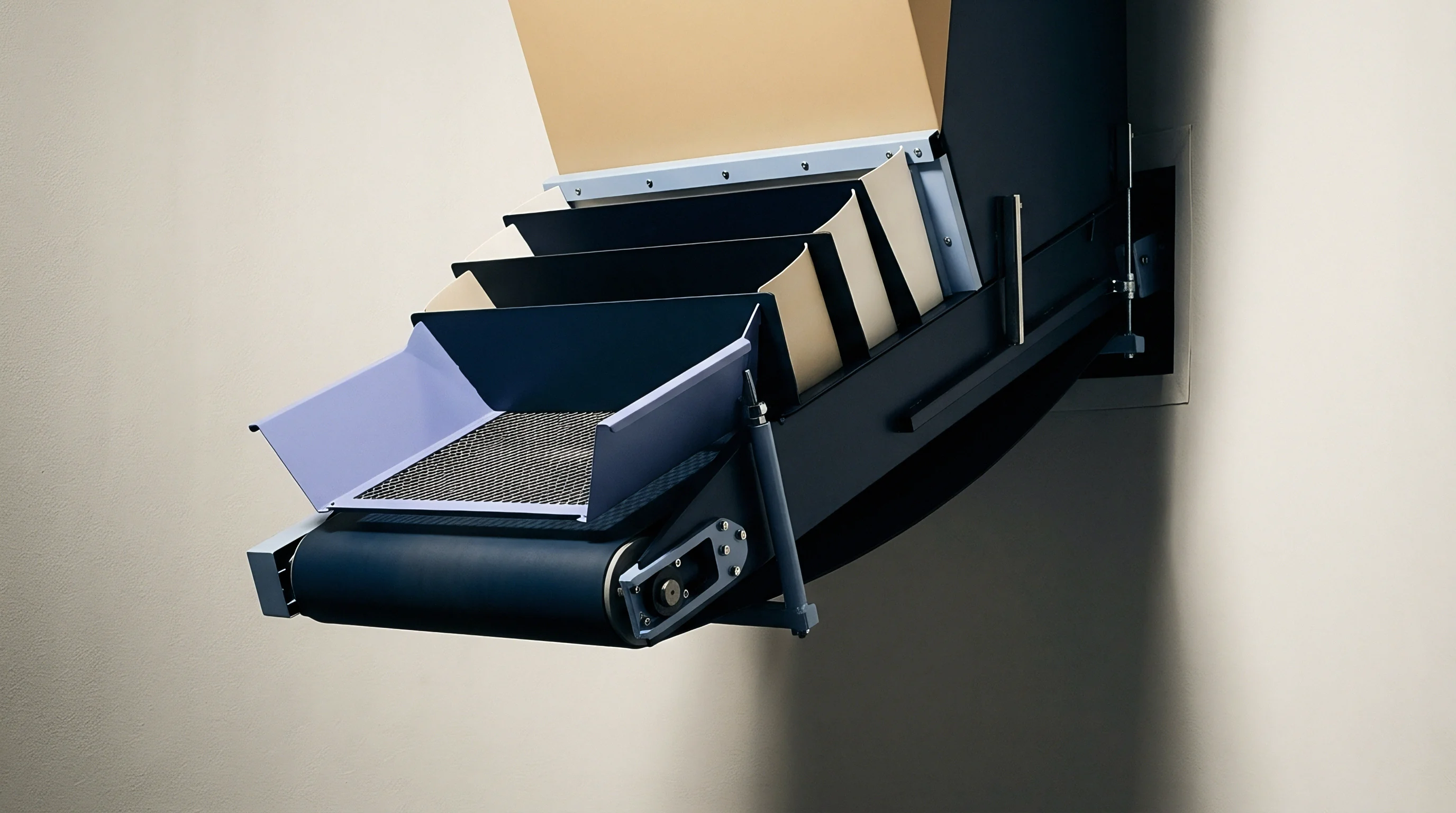
Precision dimensions in counter-matrices dictate whether paperboard delaminates cleanly or tears under creasing rule impact. Steel rules press the board into phenolic, pressboard, or steel channel matrices at speeds exceeding twenty impressions per second. Tooling designers calculate matrix channel width and depth directly from sheet thickness and rule caliper.
Matrix Width and Rule Thickness Geometry
Standard conversion formulas establish channel width by summing creasing rule thickness and one point five times board caliper. For a 450-micrometre folding boxboard processed with a two-point rule measuring 0.71 millimetres, the channel width measures 1.39 millimetres. Channel depth equals sheet caliper or sits slightly below it to generate five to ten percent compression at the bead base.
Rule profiles dictate channel clearance. Deviations in matrix width alter cross-direction elongation demand immediately. Narrowing the matrix channel by 0.10 millimetres increases local elongation requirements on the outer chemical liner by approximately 0.8 percent, driving total strain past the four percent breaking threshold of standard GC1 grades.
DIN 55437 specifies crease groove geometry deviations exceeding 0.05 millimetres void converter runnability guarantees on high-speed carton erecting lines.

How Do Channel Geometries Prevent Surface Splitting?
Deep matrix profiles induce vertical displacement that delaminates internal core plies prior to panel rotation. Converting operators follow a systematic verification sequence when establishing tooling setups on platen die-cutters:
- Measure incoming board caliper across ten sheet locations using an ISO 534 dead-weight micrometer to determine mean stock thickness.
- Calculate female channel width using the standard formula multiplying board caliper by one point five and adding creasing rule thickness.
- Select counter-matrix channel depth equal to incoming board caliper minus ten percent to establish clean internal ply delamination.
- Install steel creasing rules with rounded two-point profiles to eliminate knife-edge shear along the outer liner surface.
- Conduct five test impressions at production press speeds to inspect outer liner stretch using a forty-power optical pocket loupe.
Tolerances compound across multiple stations. Matched channel dimensions yield clean internal delamination without stretching outer surface fibres beyond their elastic limit.


Climate
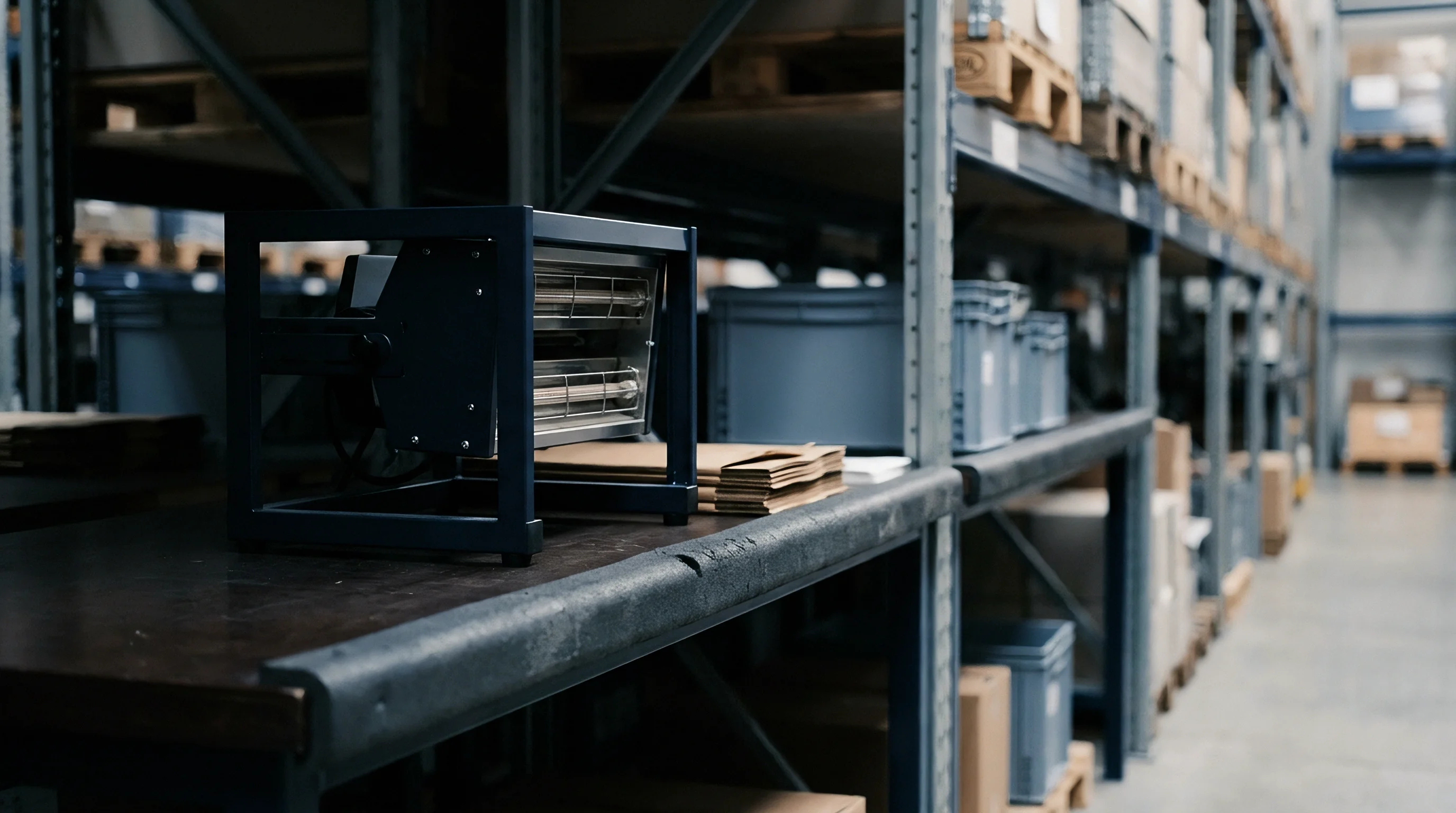
Water acts as a plasticizer inside cellulosic networks, weakening inter-fibre bonds while increasing individual fibre flexibility. Folding boxboard leaves the manufacturing machine at a target moisture content of 7.0 percent to 8.5 percent under standard conditions. Ambient air with low relative humidity draws water out of delivered stacks, lowering elongation capacity across both primary web directions.

Equilibrium Moisture and Environmental Conditioning
Sheets exposed to heated plant air at 25 percent relative humidity lose water rapidly from pallet perimeters. A two-percent drop in overall moisture content reduces cross-direction elongation at break from 3.8 percent down to 2.4 percent on standard GC1 substrates under ISO 1924-2 bench testing. The mechanical core stiffens simultaneously, resisting inter-ply delamination during creasing rule entry.
Stiffness drops precipitously in high humidity. Polymers inside paper fibres behave like synthetic thermoplastics under sudden thermal transitions: cold temperatures and dry conditions lock molecular chains in place, preventing strain relief under instantaneous mechanical loads. Pallets stripped of moisture-barrier stretch wraps several days before processing develop dry outer perimeters while cores retain factory moisture, producing intermittent carton cracking during die-cutting runs.
Carton blanks processed across low relative humidity environments crack along the primary score lines during rapid ninety-degree folding.
Batch Testing and Mill Certificate Audit
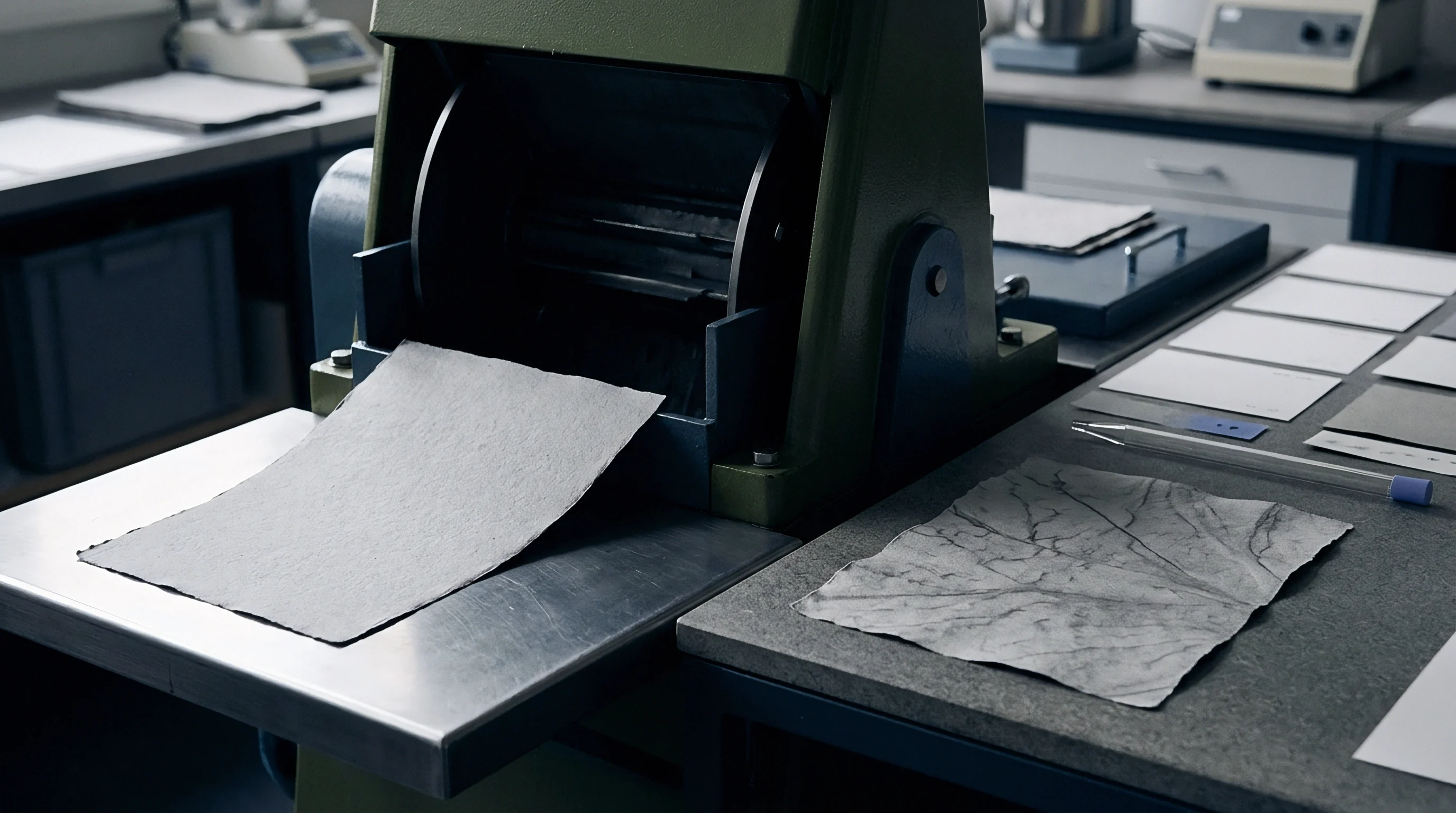
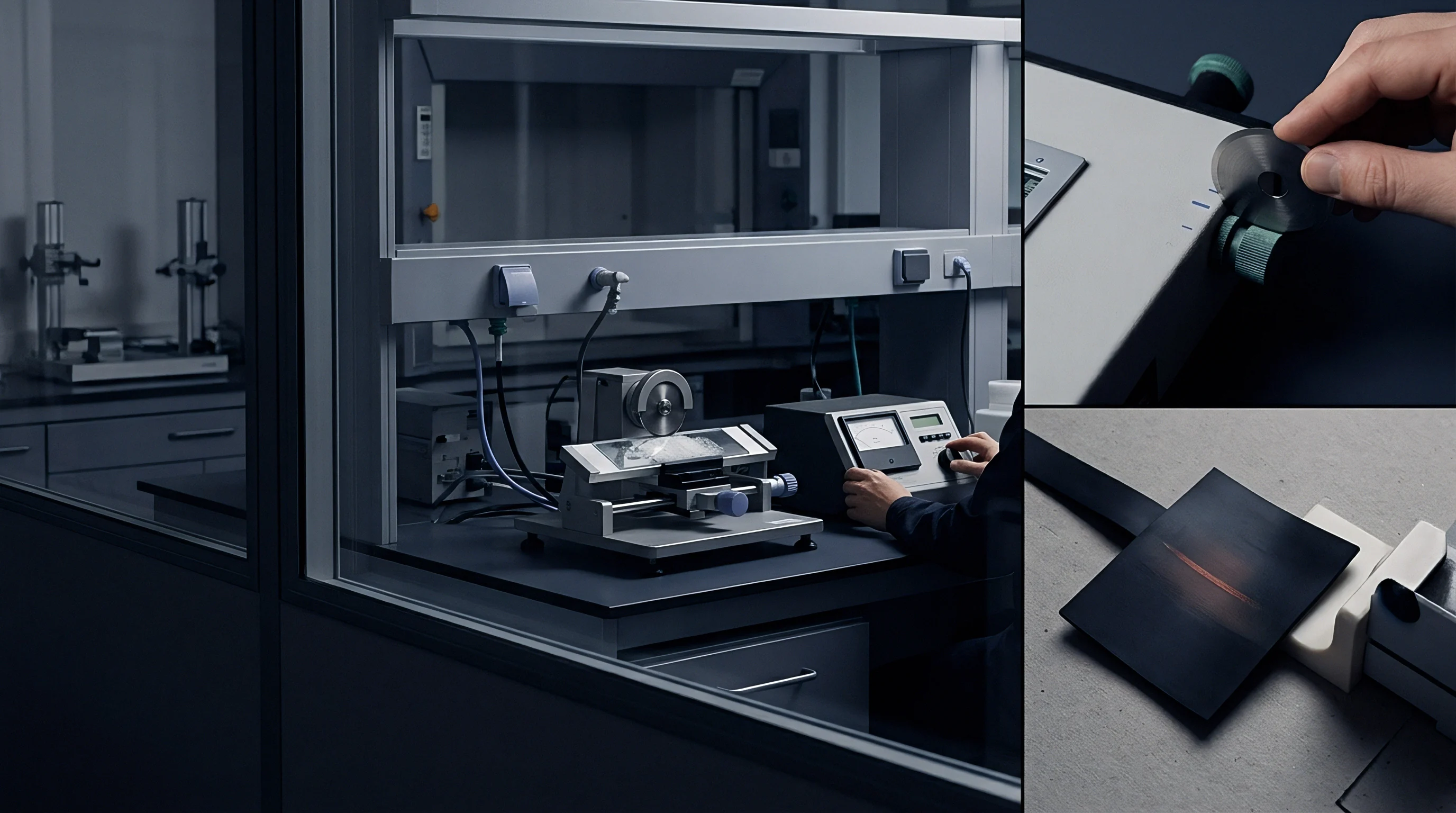
Verification protocols demand constant monitoring of physical variables before stock enters conversion halls. Sourcing contracts define inspection baselines using four laboratory methods:
- Equilibrium moisture verification tracks reel core and edge percentage values using electrical impedance meters calibrated against oven-dry standards.
- Tensile energy absorption records cross-direction energy uptake under ISO 1924-3 constant elongation rate conditions to assess shock resistance during folding.
- Creasability testing evaluates bending force ratios between scored and unscored board strips using an L and W Crease Tester.
- Scott bond resistance assesses internal ply cohesion under TAPPI T 569 impulse impact to prevent premature carton flap splitting.
Pallet drift escapes standard sampling. ISO 187 conditioning mandates that delivery dispute claims include twenty-four-hour reconditioning data before mills accept liability for cracked folding scores.
Plough
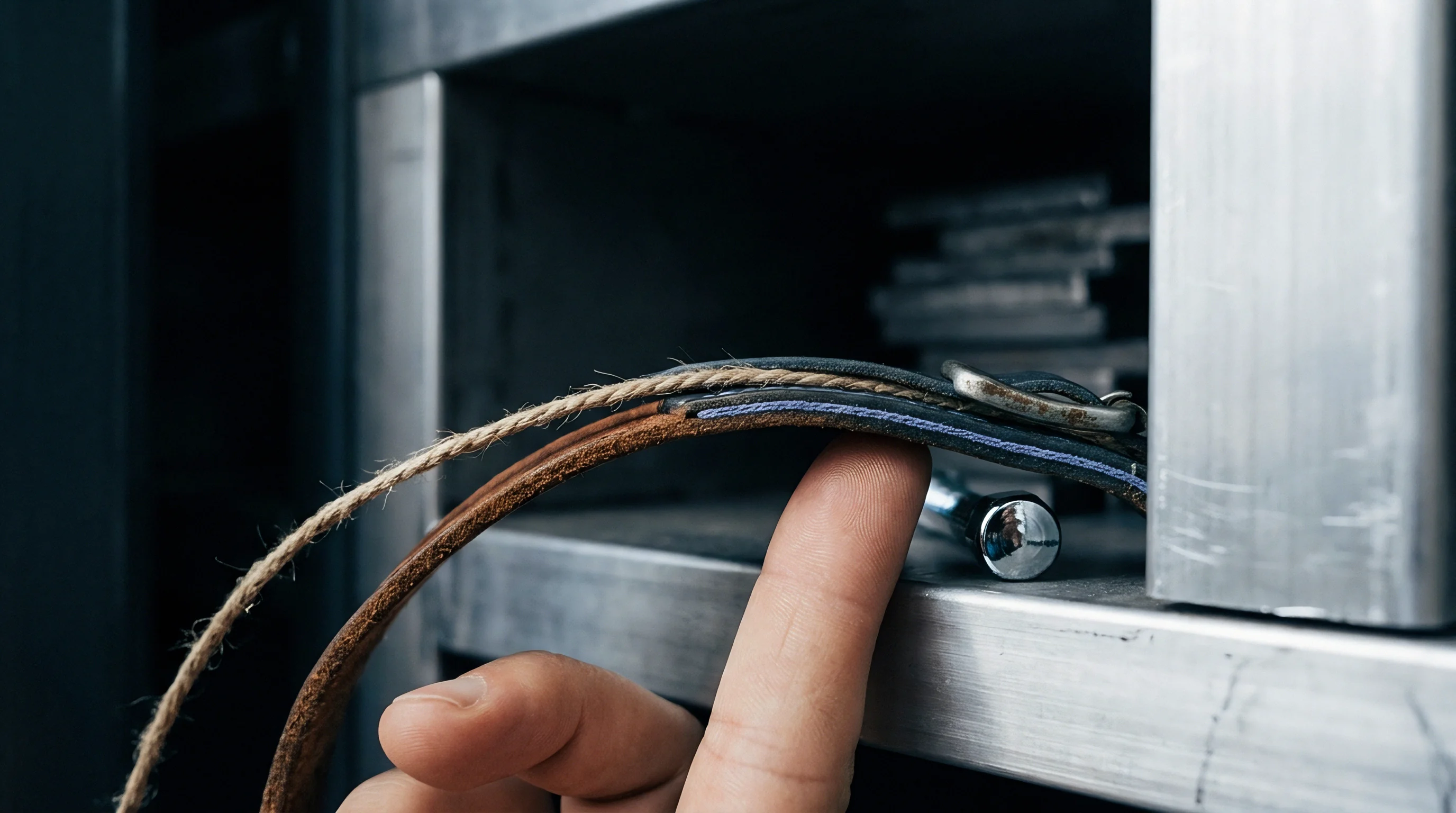
Folder-gluers running six hundred metres per minute fold cartons along scored lines using twisted steel guide belts and static folding swords. Blank panels accelerate into guide bars that force outside liners to bend across ninety-degree and one-hundred-and-eighty-degree trajectories in milliseconds. High-speed visual inspection systems monitor every score line for white fissure defects that indicate liner rupture.
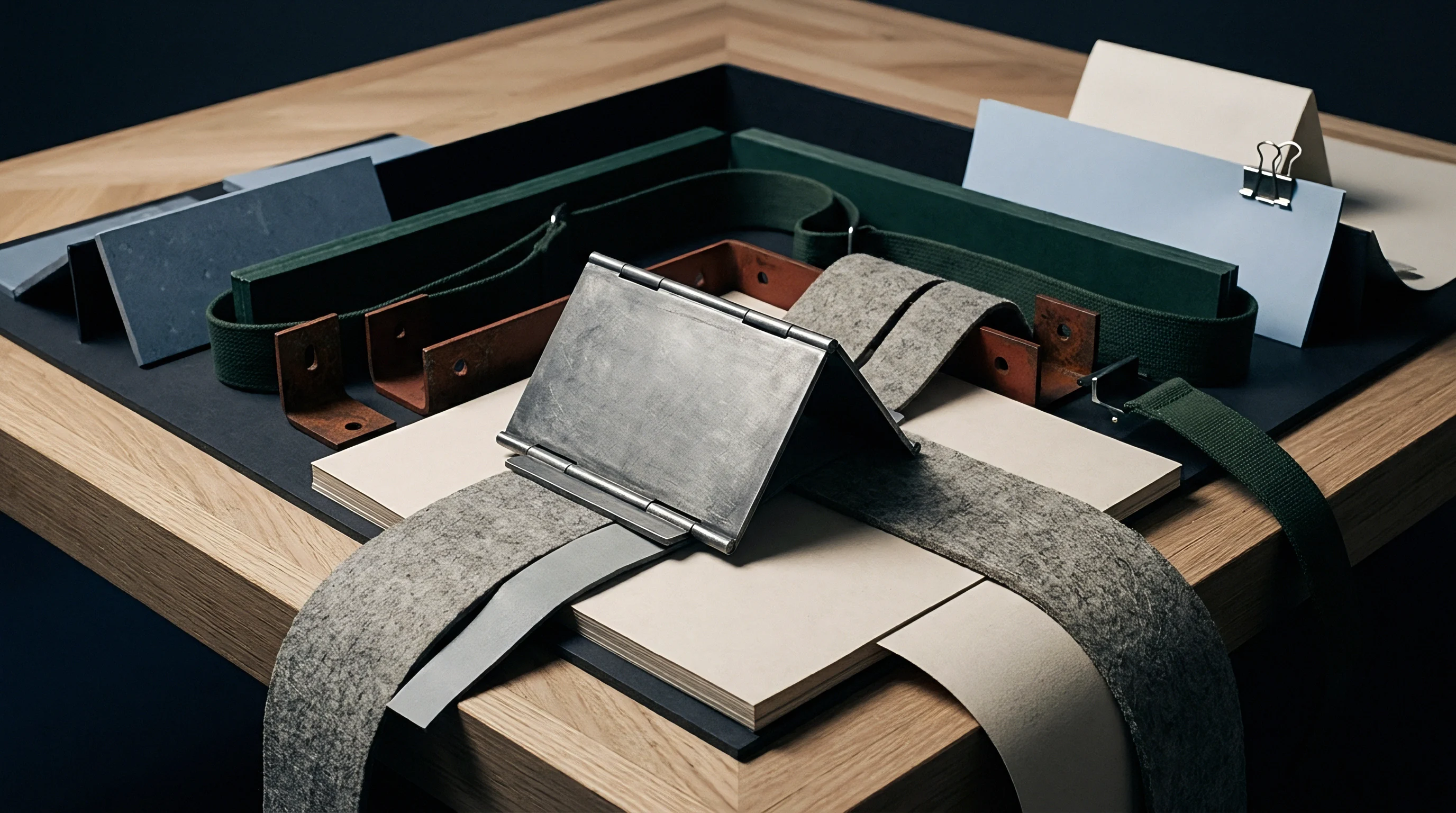
What Governs Outer Liner Survival during Folder Gluing?
Bending speed introduces high strain rates into the cellulosic sheet. Static elongation values recorded under standard laboratory rates of twenty millimetres per minute fail to capture viscoelastic embrittlement occurring during millisecond folder transformations. The desk cannot fully defend an exact fifteen percent elongation drop at 600 metres per minute because dynamic strain gauges on running belts yield high scatter; packaging engineers mitigate this risk by maintaining a twenty-five percent safety margin on counter-matrix width.
Fibre nets yield under tension. Belt friction adds longitudinal shear forces on top of transverse bending strain, pulling surface coatings outward along carton edges. When folders encounter dry stock or misaligned pre-breaking swords, local strain exceeds elongation limits, flaking coating particles onto glue wheels and causing line stoppages.
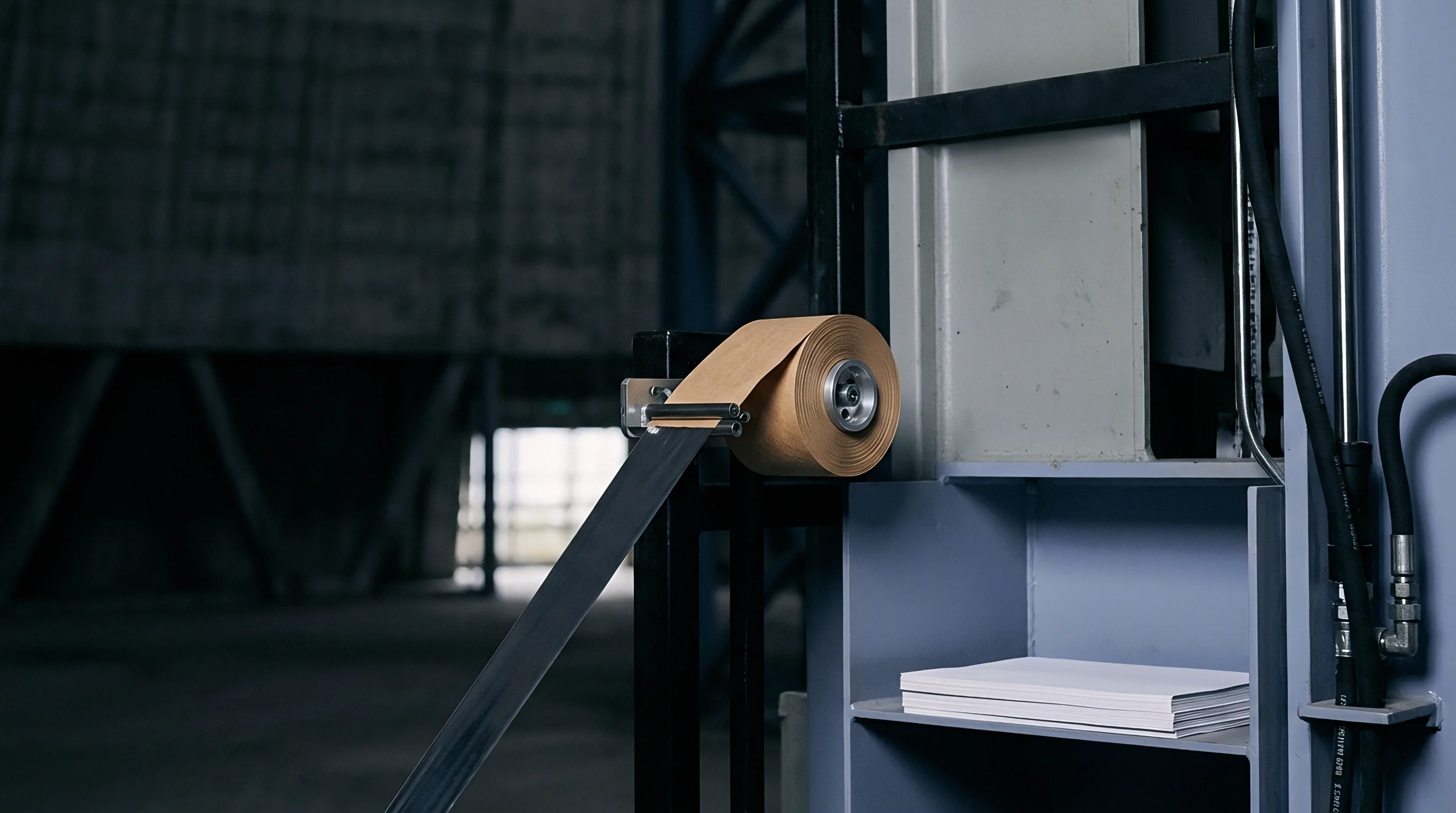
Pre-Breaking and Panel Springback Resistance
Folding boxboard requires progressive pre-breaking on creases one and three to relieve structural rigidity before final cartoning. Pre-breaking swords rotate panels through one hundred and eighty degrees before flattening them back to their original plane, breaking internal mechanical fibre bonds along the crease bead. This operation reduces final carton opening forces by forty to sixty percent, safeguarding automated filling lines against erecting failures.
Line stops ruin daily margins. Why do certain light-caliper GC2 cartons withstand ninety-degree folding at maximum belt speeds yet crack during slow manual erection in unheated packing stations?
Ledger
Sourcing decisions balance raw board price against downstream conversion efficiency. Virgin folding boxboard commands a higher price per metric tonne than recycled coated board grades, yet delivers up to twenty-five percent higher yield per unit of area due to its low density and high bulk. When cross-direction elongation values fall below critical conversion thresholds, scrap rates on high-speed lines eliminate initial substrate savings.
| CD Stretch at Break (%) | Die-Cutter Rejection (%) | Folder-Gluer Scrap (%) | Net Usable Cartons | Make-Ready Waste (kg) | Total Cost per 1,000 Good Units ($) |
|---|---|---|---|---|---|
| 4.2 (Optimal Virgin GC1) | 0.4 | 0.3 | 2,482,500 | 350 | 22.40 |
| 3.5 (Acceptable Virgin GC2) | 1.2 | 1.1 | 2,442,500 | 480 | 23.10 |
| 2.8 (Marginal / Dry Stock) | 3.8 | 4.2 | 2,300,000 | 1,120 | 25.80 |
| 2.2 (Embrittled / Out-of-Spec) | 8.5 | 9.8 | 2,042,500 | 2,400 | 30.15 |

Yield Calculations and Reject Penalties
A packaging order converting forty metric tonnes of 300 g/m² GC1 boxboard produces approximately two point five million standard folding cartons. At an optimal cross-direction elongation of 4.2 percent, total conversion rejects across die-cutting and folder-gluing remain below one percent, generating 2,482,500 finished cartons at a net delivered substrate cost of $22.40 per thousand units. When elongation drops to 2.8 percent due to dry warehouse storage or depleted virgin chemical liner content, combined scrap climbs past eight percent.
Scrap tallies climb on shift. The resulting loss of 182,500 cartons forces additional machine setups, consuming virgin stock and operator hours while raising net landed unit costs by fifteen percent. Rejection penalties imposed by pharmaceutical or food brand owners for cracked corner scores include full pallet returns, sorting surcharges, and contract default claims that exceed the total raw board purchase value.
Downgauge Economics against Tooling Modification
Converters seeking cost reductions through basis weight downgauging frequently transition from 350 g/m² to 300 g/m² high-bulk folding boxboard. High-bulk GC1 boards maintain bending stiffness through expanded mechanical core thicknesses, preserving carton panel bulge resistance. This bulk increase lowers sheet density, shortening the strain accommodation window of the exterior chemical pulp layer during sharp score indentation.
Tooling adjustments mitigate downgauging risks. Modifying channel matrix width from 1.35 millimetres to 1.48 millimetres prevents outer liner rupture on lightened boards without requiring expensive chemical furnish additives at the paper mill. Sourcing teams verify cross-direction elongation data on mill test certificates before authorizing grammage downgrades, protecting manufacturing margins against unexpected converting spoilage.